
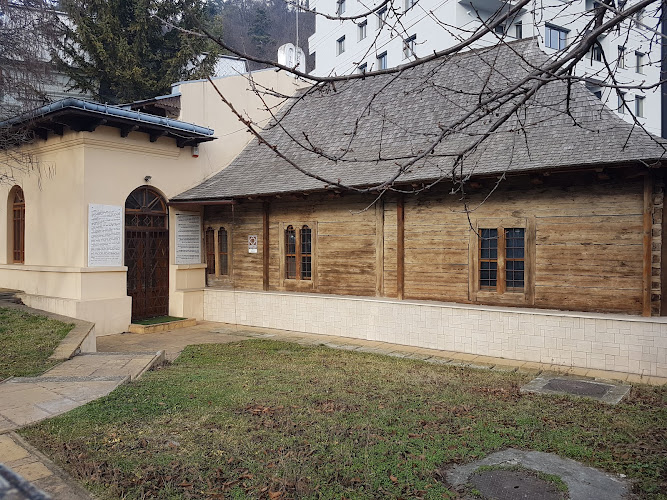
Sinagoga Noua
About Sinagoga Noua
Description
The Sinagoga Noua is a fascinating piece of history that quietly tells stories of faith, resilience, and community. It’s not just a building; it’s a place where time seems to slow down, inviting you to step inside and feel the weight of centuries. The architecture is modest yet compelling, with details that hint at the rich traditions and cultural layers embedded in its walls. You might expect grandiosity, but what you get here is something more genuine—a space that feels lived-in and alive, even if the crowds aren’t overwhelming.
One thing that really stands out is how accessible the synagogue is. Unlike many historic sites that can be a pain to navigate if you have mobility issues, Sinagoga Noua offers a wheelchair-accessible entrance, making it welcoming to everyone. That’s a big plus in my book—travel should be for all, right?
Visitors often mention a peaceful atmosphere that invites reflection, though it’s not without a few quirks. Some say the lighting could be better, or that the signage isn’t always crystal clear, which can make exploring a bit of a guessing game. But honestly, that adds a bit of charm—like discovering a secret room in an old house where every corner has a story to tell.
The synagogue also serves as a cultural hub, occasionally hosting events that bring the local Jewish heritage to life. If you’re lucky enough to catch one of these, it’s a real treat—music, stories, and a palpable sense of community that’s hard to find elsewhere. So, while it might not be the flashiest spot on the tourist map, Sinagoga Noua offers a genuine, heartfelt experience that’s well worth your time.
Key Features
- Wheelchair accessible entrance ensuring easy access for all visitors
- Historic architecture with authentic design elements reflecting Jewish heritage
- Quiet, contemplative atmosphere ideal for reflection and learning
- Occasional cultural events showcasing local traditions and music
- Informative plaques and displays (though sometimes a bit sparse or unclear)
- Close proximity to other notable cultural landmarks for a full day of exploration
- Friendly local guides available on certain days to share stories and history
Best Time to Visit
Honestly, the best time to visit Sinagoga Noua depends a lot on what kind of vibe you’re after. If you want to avoid crowds and soak in the quiet, weekdays during the late morning or early afternoon are your best bet. Weekends tend to draw a few more visitors, especially locals coming for services or events, so it can get a bit lively then.
Spring and early autumn are particularly nice because the weather is mild, making it easier to wander around the neighborhood before or after your visit. Summer can be a bit hot and sticky, and winters, well, they’re cold and sometimes damp, which might put a damper on your exploration if you’re not prepared. But hey, if you’re a fan of the off-season vibe and don’t mind bundling up, winter visits have their own quiet charm.
Also, keep an eye out for Jewish holidays or local cultural events—visiting during these times can add a unique layer to your experience, but it’s good to check ahead so you’re not caught off guard by closures or special ceremonies.
How to Get There
Getting to Sinagoga Noua is pretty straightforward, but a little heads-up: the area is best explored on foot once you arrive. Public transportation options nearby are decent, with buses and trams stopping a short walk away. If you’re coming from the city center, it’s usually a quick 10-15 minute ride, depending on traffic.
For those who prefer driving, there are parking spots nearby, but they can fill up fast, especially during weekends or events. I’d recommend parking a bit further out and enjoying a leisurely stroll through the local streets—there’s something about wandering these parts that makes the whole trip feel more authentic.
If you’re the adventurous type, biking is also an option, with some bike racks close to the synagogue. Just watch out for cobblestone patches—they can be a bit tricky if you’re not used to them.
Tips for Visiting
First off, wear comfortable shoes. The area around Sinagoga Noua has some uneven pavements and cobblestones, so your feet will thank you. Also, bring a light jacket even if the weather looks fine—inside the synagogue it can be cooler than expected, especially in the quieter corners.
Don’t be shy about asking questions if you run into a guide or a local. People here tend to be proud of their heritage and love sharing stories, which can turn a simple visit into a memorable conversation. Just be respectful, especially if there’s a service or event happening.
Photography is usually allowed, but it’s polite to double-check, especially during religious ceremonies. And try to avoid peak times if you want a more personal experience; early mornings or late afternoons are usually quieter.
Lastly, take some time to explore the neighborhood around the synagogue. There are small cafes and shops that often get overlooked but offer a glimpse into daily life here. Grab a coffee, chat with locals, and soak up the atmosphere—it’s these little moments that make a trip truly unforgettable.
Key Features
- Wheelchair accessible entrance ensuring easy access for all visitors
- Historic architecture with authentic design elements reflecting Jewish heritage
- Quiet, contemplative atmosphere ideal for reflection and learning
- Occasional cultural events showcasing local traditions and music
- Informative plaques and displays (though sometimes a bit sparse or unclear)
- Close proximity to other notable cultural landmarks for a full day of exploration
- Friendly local guides available on certain days to share stories and history
More Details
Updated July 12, 2025
Table of Contents
Description
The Sinagoga Noua is a fascinating piece of history that quietly tells stories of faith, resilience, and community. It’s not just a building; it’s a place where time seems to slow down, inviting you to step inside and feel the weight of centuries. The architecture is modest yet compelling, with details that hint at the rich traditions and cultural layers embedded in its walls. You might expect grandiosity, but what you get here is something more genuine—a space that feels lived-in and alive, even if the crowds aren’t overwhelming.
One thing that really stands out is how accessible the synagogue is. Unlike many historic sites that can be a pain to navigate if you have mobility issues, Sinagoga Noua offers a wheelchair-accessible entrance, making it welcoming to everyone. That’s a big plus in my book—travel should be for all, right?
Visitors often mention a peaceful atmosphere that invites reflection, though it’s not without a few quirks. Some say the lighting could be better, or that the signage isn’t always crystal clear, which can make exploring a bit of a guessing game. But honestly, that adds a bit of charm—like discovering a secret room in an old house where every corner has a story to tell.
The synagogue also serves as a cultural hub, occasionally hosting events that bring the local Jewish heritage to life. If you’re lucky enough to catch one of these, it’s a real treat—music, stories, and a palpable sense of community that’s hard to find elsewhere. So, while it might not be the flashiest spot on the tourist map, Sinagoga Noua offers a genuine, heartfelt experience that’s well worth your time.
Key Features
- Wheelchair accessible entrance ensuring easy access for all visitors
- Historic architecture with authentic design elements reflecting Jewish heritage
- Quiet, contemplative atmosphere ideal for reflection and learning
- Occasional cultural events showcasing local traditions and music
- Informative plaques and displays (though sometimes a bit sparse or unclear)
- Close proximity to other notable cultural landmarks for a full day of exploration
- Friendly local guides available on certain days to share stories and history
Best Time to Visit
Honestly, the best time to visit Sinagoga Noua depends a lot on what kind of vibe you’re after. If you want to avoid crowds and soak in the quiet, weekdays during the late morning or early afternoon are your best bet. Weekends tend to draw a few more visitors, especially locals coming for services or events, so it can get a bit lively then.
Spring and early autumn are particularly nice because the weather is mild, making it easier to wander around the neighborhood before or after your visit. Summer can be a bit hot and sticky, and winters, well, they’re cold and sometimes damp, which might put a damper on your exploration if you’re not prepared. But hey, if you’re a fan of the off-season vibe and don’t mind bundling up, winter visits have their own quiet charm.
Also, keep an eye out for Jewish holidays or local cultural events—visiting during these times can add a unique layer to your experience, but it’s good to check ahead so you’re not caught off guard by closures or special ceremonies.
How to Get There
Getting to Sinagoga Noua is pretty straightforward, but a little heads-up: the area is best explored on foot once you arrive. Public transportation options nearby are decent, with buses and trams stopping a short walk away. If you’re coming from the city center, it’s usually a quick 10-15 minute ride, depending on traffic.
For those who prefer driving, there are parking spots nearby, but they can fill up fast, especially during weekends or events. I’d recommend parking a bit further out and enjoying a leisurely stroll through the local streets—there’s something about wandering these parts that makes the whole trip feel more authentic.
If you’re the adventurous type, biking is also an option, with some bike racks close to the synagogue. Just watch out for cobblestone patches—they can be a bit tricky if you’re not used to them.
Tips for Visiting
First off, wear comfortable shoes. The area around Sinagoga Noua has some uneven pavements and cobblestones, so your feet will thank you. Also, bring a light jacket even if the weather looks fine—inside the synagogue it can be cooler than expected, especially in the quieter corners.
Don’t be shy about asking questions if you run into a guide or a local. People here tend to be proud of their heritage and love sharing stories, which can turn a simple visit into a memorable conversation. Just be respectful, especially if there’s a service or event happening.
Photography is usually allowed, but it’s polite to double-check, especially during religious ceremonies. And try to avoid peak times if you want a more personal experience; early mornings or late afternoons are usually quieter.
Lastly, take some time to explore the neighborhood around the synagogue. There are small cafes and shops that often get overlooked but offer a glimpse into daily life here. Grab a coffee, chat with locals, and soak up the atmosphere—it’s these little moments that make a trip truly unforgettable.
Key Highlights
- Wheelchair accessible entrance ensuring easy access for all visitors
- Historic architecture with authentic design elements reflecting Jewish heritage
- Quiet, contemplative atmosphere ideal for reflection and learning
- Occasional cultural events showcasing local traditions and music
- Informative plaques and displays (though sometimes a bit sparse or unclear)
- Close proximity to other notable cultural landmarks for a full day of exploration
- Friendly local guides available on certain days to share stories and history
Location
Places to Stay Near Sinagoga Noua
Find and Book a Tour
Explore More Travel Guides
No reviews found! Be the first to review!
Traveler Reviews for Sinagoga Noua
There are no reviews yet. Be the first one to write one.
Have you visited Sinagoga Noua? Help other travelers by sharing your review.
You Might Also Like

La Curtea Domnească

Telegondola
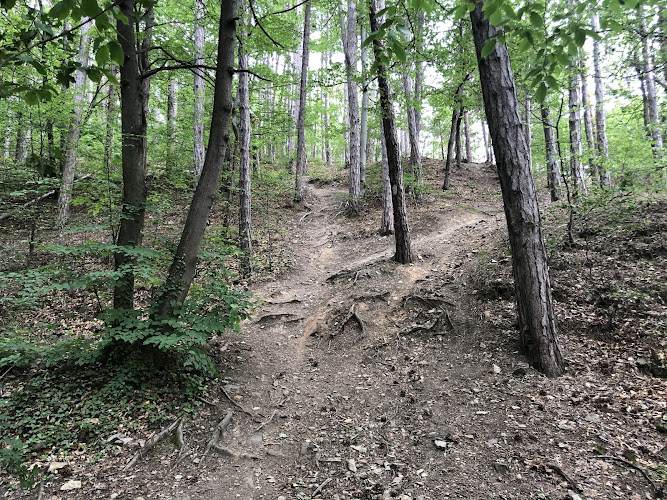
Drumeție pădure
Find Accommodations Nearby
Recommended Tours & Activities
Visitor Reviews
There are no reviews yet. Be the first one to write one.
Share Your Experience
Have you visited Sinagoga Noua? Help other travelers by leaving a review.