
People’s Park
About People’s Park
Description
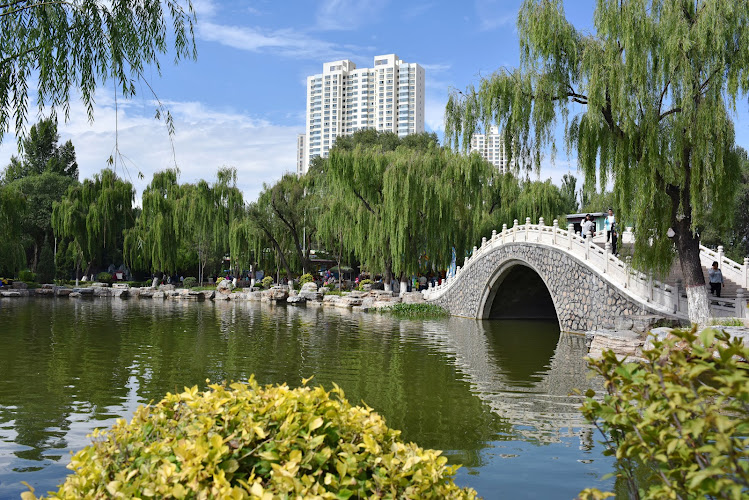
People’s Park in Xining, the capital of Qinghai Province in western China, offers a refreshing pause from the city’s steady rhythm of movement, prayer, and trade. Anyone who’s wandered through a Chinese city knows parks aren’t just green spaces—they’re community living rooms, places where the morning tai chi crowd shares space with strolling families and card-playing retirees. This particular park, I think, captures the essence of Xining: a blend of Tibetan, Han, and Hui cultures, framed by the cool air of the Qinghai–Tibet Plateau. There’s something grounding in watching locals go about their daily routines against that high-altitude backdrop, all about 2,275 meters above sea level.
The park isn’t massive, but it feels spacious, dotted with mature trees, well-tended flower beds, and a pond that mirrors the clouds just right on bright days. The soundscape here is its own kind of charm—children laughing, vendors calling softly, wind through tall poplars. The first time I came here, I stumbled upon a line of elderly dancers grooving to retro Chinese pop tunes at 9 a.m. sharp—pure joy! You can sit by a bench, warm a cup of milk tea you grabbed nearby, and simply watch this diverse city breathe.
It’s also a spot where life feels both peaceful and connected. On one hand, joggers and walkers circle quietly in the morning mist. On the other, travelers curious about local life can find an authentic glimpse into how people here interact—something far more telling than any museum visit. The park’s accessibility features and family-friendly setup add to its appeal. There are clear walkways for wheelchairs and parents with strollers, and public restrooms are conveniently located. It’s not luxurious or overdesigned, but efficient and genuine—the kind of urban park that exists because people actually use it, not just photograph it.
Key Features
- Scenic lake and footbridges – tranquil waters reflect nearby willows, perfect for an afternoon stroll or quick photo stop.
- Play areas for children – safe and clean playground equipment that the little ones can actually enjoy for hours.
- Wheelchair-friendly paths – accessibility here isn’t an afterthought; the paved trails make it easy for everyone to explore.
- Cultural performances – occasional weekend shows in the open-air square feature local Tibetan and Han dance groups.
- Morning exercise culture – join locals in tai chi or watch badminton matches that start even before sunrise.
- Floral gardens – each season brings a change in color; spring tulips and summer marigolds make strolling particularly pleasant.
- Peaceful seating zones – shady benches under trees ideal for reading, sketching, or simple people-watching.
- Local snack vendors – try roasted barley treats or yogurt made in traditional Tibetan style from carts stationed near the main gate.
If one stays a little longer, tiny but meaningful details appear—like elderly residents feeding doves by hand, or teenagers practicing guitar near the lakeside amphitheater. That easy mingling between ages and ethnicities mirrors Xining’s role as a cultural crossroads along the old Silk Road. It’s more than just a civic amenity—it’s a rare view into western China’s everyday spirit.
Best Time to Visit
Timing matters when you’re in this part of the world. Because Xining sits at a fairly high altitude on the Qinghai–Tibet Plateau, the climate stays cooler than in many Chinese cities. Summer, from June to August, is hands-down the most comfortable period to explore People’s Park. Daytime temperatures hover around 20°C—perfect walking weather. The air feels crisp but never biting, and throughout summer, flowers bloom freely while street life hums with energy. If you drop by early in the morning, you’ll see sunlight filtering through pine branches and reflecting off dew-slick pavements. To me, that scene almost feels meditative.
Spring and autumn have their own charm, though slightly less predictable. April and May bring alternating sunshine and showers, fresh grass sprouting up everywhere. In September and October, the trees turn golden, the light softens, and there’s that calm hush before winter rolls in. Winter itself—well, that’s a different story. While clear and bright, the air can grow sharply cold, dipping below freezing. Fewer locals linger long then, though the park still has a stark, almost minimalist beauty after snowfall. If you’re traveling for photography, that’s the season that quietly rewards patience.
How to Get There
People’s Park sits right in the central part of Xining, which makes it conveniently accessible whether you’re staying downtown or near the railway station. From what I’ve experienced, taxis and ride-hailing services find the park easily—it’s one of those go-to landmarks that don’t require explaining to the driver. You can also hop on one of the city’s frequent buses; several routes stop close by, offering cheap and quick transportation from nearly any district.
If you’re arriving by train—perhaps after taking the scenic Qinghai–Tibet Railway from Lhasa or Lanzhou—the park’s only about a 15 to 20-minute drive from the Xining Railway Station, depending on traffic. Walking enthusiasts might even prefer to cover part of that journey on foot, winding through the small streets filled with pastry shops, prayer flag stalls, and tea vendors. For those interested in immersive travel, the short route to the park almost feels like an introduction to the city’s mixed identities: Muslim clerks calling out from bakeries, Tibetan monks pacing by, young Han students cycling to classes. Each face tells a story here, and somehow all those stories seem to converge under the shaded lanes of the park.
If you’re renting a bicycle or e-bike—quite popular among younger visitors—there are racks right outside the entrances. And here’s a local tip I picked up: early morning rides are best because some streets close later for pedestrian-only hours, which are lovely for walking but inconvenient if you’re on two wheels.
Tips for Visiting
Every place reveals itself better when you know the local rhythm. So here are a few genuine insights, the things I wish someone had told me my first time wandering through People’s Park in Xining:
- Go early. Locals start their mornings early, and that’s when the park feels most alive yet calm. You can watch sunrise tai chi circles or snippets of friendly conversation among retirees who’ve known each other for decades.
- Bring layers. Even in summer, the plateau chill creeps up around dusk. A light jacket works wonders if you want to linger after sunset.
- Carry cash. Some of the small snack stalls still prefer cash over digital payments. The roasted potatoes or yak milk ice cream are worth every yuan.
- Respect local customs. This region blends Tibetan, Hui, and Han Chinese cultures. Show courtesy, especially around prayer times if you encounter groups performing rituals or blessings near the park edges.
- Stay hydrated. Due to the altitude, you may dehydrate faster than you expect. I learned that the hard way on my second visit after walking for only an hour.
- Schedule flexibility. Weather on the plateau changes fast—sun one minute, mild rain the next. Don’t be surprised; just adapt and enjoy the shifting moods.
- Look for details. Beyond the main trails, small gardens and tucked-away pavilions often host informal tea gatherings or music jams. That’s where the city’s warmth truly unfolds.
Above all, visiting People’s Park isn’t about checking off sights but slowing down enough to absorb the blend of mountain air, human energy, and cultural nuance that defines Xining. Whether you’re here as part of a journey across the Qinghai–Tibet Plateau or simply catching your breath between adventures to places like Ta’er Monastery or Qinghai Lake, the park gives you a quiet, authentic taste of life in western China. It reminds travelers that sometimes the best moments come not from ticking off major attractions, but from pausing in a local park, watching clouds roll over, and feeling—just for a moment—part of the place itself.
Key Features
- Key Features
- Best Time to Visit
- How to Get There
- Tips for Visiting
More Details
Updated October 20, 2025
Table of Contents People’s Park in Xining, the capital of Qinghai Province in western China, offers a refreshing pause from the city’s steady rhythm of movement, prayer, and trade. Anyone who’s wandered through a Chinese city knows parks aren’t just green spaces—they’re community living rooms, places where the morning tai chi crowd shares space with strolling families and card-playing retirees. This particular park, I think, captures the essence of Xining: a blend of Tibetan, Han, and Hui cultures, framed by the cool air of the Qinghai–Tibet Plateau. There’s something grounding in watching locals go about their daily routines against that high-altitude backdrop, all about 2,275 meters above sea level. The park isn’t massive, but it feels spacious, dotted with mature trees, well-tended flower beds, and a pond that mirrors the clouds just right on bright days. The soundscape here is its own kind of charm—children laughing, vendors calling softly, wind through tall poplars. The first time I came here, I stumbled upon a line of elderly dancers grooving to retro Chinese pop tunes at 9 a.m. sharp—pure joy! You can sit by a bench, warm a cup of milk tea you grabbed nearby, and simply watch this diverse city breathe. It’s also a spot where life feels both peaceful and connected. On one hand, joggers and walkers circle quietly in the morning mist. On the other, travelers curious about local life can find an authentic glimpse into how people here interact—something far more telling than any museum visit. The park’s accessibility features and family-friendly setup add to its appeal. There are clear walkways for wheelchairs and parents with strollers, and public restrooms are conveniently located. It’s not luxurious or overdesigned, but efficient and genuine—the kind of urban park that exists because people actually use it, not just photograph it. If one stays a little longer, tiny but meaningful details appear—like elderly residents feeding doves by hand, or teenagers practicing guitar near the lakeside amphitheater. That easy mingling between ages and ethnicities mirrors Xining’s role as a cultural crossroads along the old Silk Road. It’s more than just a civic amenity—it’s a rare view into western China’s everyday spirit. Timing matters when you’re in this part of the world. Because Xining sits at a fairly high altitude on the Qinghai–Tibet Plateau, the climate stays cooler than in many Chinese cities. Summer, from June to August, is hands-down the most comfortable period to explore People’s Park. Daytime temperatures hover around 20°C—perfect walking weather. The air feels crisp but never biting, and throughout summer, flowers bloom freely while street life hums with energy. If you drop by early in the morning, you’ll see sunlight filtering through pine branches and reflecting off dew-slick pavements. To me, that scene almost feels meditative. Spring and autumn have their own charm, though slightly less predictable. April and May bring alternating sunshine and showers, fresh grass sprouting up everywhere. In September and October, the trees turn golden, the light softens, and there’s that calm hush before winter rolls in. Winter itself—well, that’s a different story. While clear and bright, the air can grow sharply cold, dipping below freezing. Fewer locals linger long then, though the park still has a stark, almost minimalist beauty after snowfall. If you’re traveling for photography, that’s the season that quietly rewards patience. People’s Park sits right in the central part of Xining, which makes it conveniently accessible whether you’re staying downtown or near the railway station. From what I’ve experienced, taxis and ride-hailing services find the park easily—it’s one of those go-to landmarks that don’t require explaining to the driver. You can also hop on one of the city’s frequent buses; several routes stop close by, offering cheap and quick transportation from nearly any district. If you’re arriving by train—perhaps after taking the scenic Qinghai–Tibet Railway from Lhasa or Lanzhou—the park’s only about a 15 to 20-minute drive from the Xining Railway Station, depending on traffic. Walking enthusiasts might even prefer to cover part of that journey on foot, winding through the small streets filled with pastry shops, prayer flag stalls, and tea vendors. For those interested in immersive travel, the short route to the park almost feels like an introduction to the city’s mixed identities: Muslim clerks calling out from bakeries, Tibetan monks pacing by, young Han students cycling to classes. Each face tells a story here, and somehow all those stories seem to converge under the shaded lanes of the park. If you’re renting a bicycle or e-bike—quite popular among younger visitors—there are racks right outside the entrances. And here’s a local tip I picked up: early morning rides are best because some streets close later for pedestrian-only hours, which are lovely for walking but inconvenient if you’re on two wheels. Every place reveals itself better when you know the local rhythm. So here are a few genuine insights, the things I wish someone had told me my first time wandering through People’s Park in Xining: Above all, visiting People’s Park isn’t about checking off sights but slowing down enough to absorb the blend of mountain air, human energy, and cultural nuance that defines Xining. Whether you’re here as part of a journey across the Qinghai–Tibet Plateau or simply catching your breath between adventures to places like Ta’er Monastery or Qinghai Lake, the park gives you a quiet, authentic taste of life in western China. It reminds travelers that sometimes the best moments come not from ticking off major attractions, but from pausing in a local park, watching clouds roll over, and feeling—just for a moment—part of the place itself.Description
Key Features
Best Time to Visit
How to Get There
Tips for Visiting
Key Highlights
- Key Features
- Best Time to Visit
- How to Get There
- Tips for Visiting
Location
Places to Stay Near People's Park
Find and Book a Tour
Explore More Travel Guides
No reviews found! Be the first to review!
Traveler Reviews for People’s Park
There are no reviews yet. Be the first one to write one.
Have you visited People’s Park? Help other travelers by sharing your review.
You Might Also Like
Qinghai Science & Technology Museum
Dafo Temple
Xining Garden Show Park
Find Accommodations Nearby
Recommended Tours & Activities
Visitor Reviews
There are no reviews yet. Be the first one to write one.
Share Your Experience
Have you visited People’s Park? Help other travelers by leaving a review.