
Hastings Sand Coulee Scientific and Natural Area (North Unit)
About Hastings Sand Coulee Scientific and Natural Area (North Unit)
Description
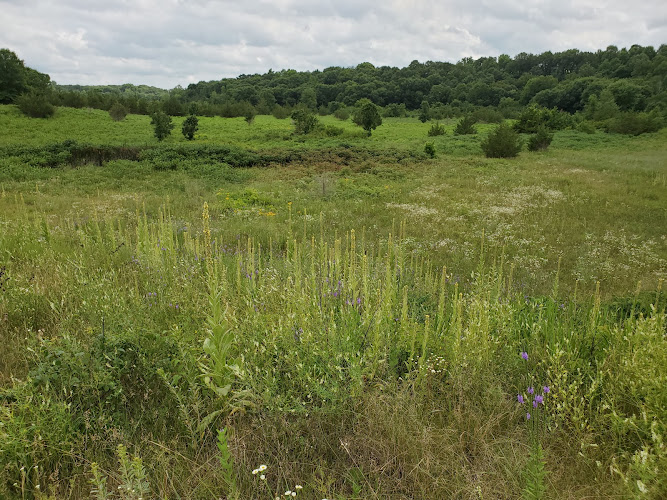
If you’re the kind of traveler who enjoys getting a little dirt under your boots and soaking in some genuine natural beauty without the crowds, the Hastings Sand Coulee Scientific and Natural Area (North Unit) is a spot that’s worth carving out time for. This nature preserve is not just a patch of green on the map—it’s a quiet sanctuary where the land tells stories of ancient sand dunes and prairie ecosystems that have stood the test of time. Walking through here feels like stepping into a living museum, where every twist of the trail reveals a new chapter of Minnesota’s natural heritage.
Now, don’t expect manicured paths or flashy visitor centers. This place keeps it simple and raw, which is exactly why it charms so many who visit. The trails are perfect for hiking, and they’re kid-friendly too, making it a great spot if you’re traveling with the little ones or just young at heart. You won’t find throngs of tourists here, just the occasional fellow nature lover or birdwatcher enjoying the peaceful vibe.
One thing that really sticks with me about Hastings Sand Coulee is how it manages to balance being accessible while still feeling wild. It’s not overrun, but it’s also not some inaccessible wilderness that requires a survival guide. The landscape is dominated by sandy soils, native grasses, and wildflowers that dance in the breeze. You might catch sight of some local wildlife—deer, rabbits, and a variety of birds that make this their home. If you’re into photography or just want a quiet spot to reflect, this is a gem that often flies under the radar.
Key Features
- Well-marked hiking trails suitable for all ages, including kids
- Unique sand coulee landscape showcasing ancient geological formations
- Rich prairie ecosystem with native grasses and wildflowers
- Excellent birdwatching opportunities with diverse local species
- Quiet, low-traffic environment perfect for peaceful nature walks
- Educational value for those interested in geology and ecology
- Family-friendly atmosphere, making it a great outdoor learning spot for children
Best Time to Visit
Timing your visit here can really change your experience. Spring and early summer are fantastic if you want to see the prairie in full bloom, with wildflowers adding splashes of color to the sandy backdrop. Plus, the bird activity is at its peak during these months, which is a treat if you’re into birdwatching or just want to hear the morning chorus while hiking.
Fall is another excellent season to consider. The grasses turn golden, and the cooler air makes for comfortable hiking conditions. I remember one crisp October morning when the sun hit the coulee just right, casting long shadows and making the whole place glow. It was one of those moments that sticks with you.
Summer can get a bit warm, and the sun is pretty relentless, so pack plenty of water and sun protection if you’re heading out during those months. Winter visits are less common, but if you’re adventurous and don’t mind the cold, the snow-covered landscape offers a stark, peaceful beauty that’s quite different from the rest of the year.
How to Get There
Getting to Hastings Sand Coulee Scientific and Natural Area (North Unit) is pretty straightforward, but it helps to have a bit of a sense of adventure. It’s located just outside the town of Hastings, Minnesota, which is an easy drive from the Twin Cities. If you’re coming from Minneapolis or St. Paul, expect about a 30 to 40-minute drive depending on traffic.
Once you’re in Hastings, the preserve is accessible via local roads that lead into the natural area. The parking is modest—don’t expect a big lot or fancy facilities, but it’s enough to get your car off the road safely. From there, it’s all about lacing up your hiking boots and hitting the trails.
Public transportation options are limited, so having a car is the best bet. If you’re flying in from further away, renting a car is definitely the way to go. The drive itself is pleasant, with some scenic views along the way that set the tone for the day ahead.
Tips for Visiting
Alright, here’s the deal—this isn’t a theme park. It’s a natural area, and it asks for a bit of respect and preparation. First off, bring water. Even if you’re only planning a short hike, the sandy terrain and open spaces can be surprisingly dehydrating. Sun protection is a must, especially in the warmer months. Hats, sunscreen, and sunglasses will be your best friends.
Wear sturdy shoes. The trails are mostly natural surface and can get a little uneven in places. I once wore sneakers that weren’t quite up to the task and ended up with a sore ankle—lesson learned. If you’re bringing kids, make it a fun adventure! Point out the wildflowers, watch for birds, and maybe even bring a small nature guidebook to turn the hike into a mini-exploration.
One thing I’d recommend is going early in the day if you want to avoid any potential crowds and catch the wildlife at their most active. The morning light also makes everything look a bit more magical, if you’re into that sort of thing.
And don’t forget to leave no trace. Pack out whatever you bring in, and be mindful of the fragile prairie ecosystem. It’s easy to forget sometimes, but these places depend on visitors to keep them pristine for future generations.
Finally, if you’re a bit of a nature nerd like me, take some time to just sit and listen. The quiet here is something special. It’s not often you get a chance to just be with your thoughts, surrounded by the hum of insects and the rustle of grasses. Trust me, it’s worth it.
Key Features
- Well-marked hiking trails suitable for all ages, including kids
- Unique sand coulee landscape showcasing ancient geological formations
- Rich prairie ecosystem with native grasses and wildflowers
- Excellent birdwatching opportunities with diverse local species
- Quiet, low-traffic environment perfect for peaceful nature walks
- Educational value for those interested in geology and ecology
- Family-friendly atmosphere, making it a great outdoor learning spot for children
More Details
Updated July 16, 2025
Table of Contents
- Description
- Key Features
- Best Time to Visit
- How to Get There
- Tips for Visiting
- Key Highlights
- Location
- Places to Stay Near Hastings Sand Coulee Scientific and Natural Area (North Unit)
- Find and Book a Tour
- Explore More Travel Guides
- Nearby Places You Might Like
- Traveler Reviews for Hastings Sand Coulee Scientific and Natural Area (North Unit)
- Share Your Experience
Description
If you’re the kind of traveler who enjoys getting a little dirt under your boots and soaking in some genuine natural beauty without the crowds, the Hastings Sand Coulee Scientific and Natural Area (North Unit) is a spot that’s worth carving out time for. This nature preserve is not just a patch of green on the map—it’s a quiet sanctuary where the land tells stories of ancient sand dunes and prairie ecosystems that have stood the test of time. Walking through here feels like stepping into a living museum, where every twist of the trail reveals a new chapter of Minnesota’s natural heritage.
Now, don’t expect manicured paths or flashy visitor centers. This place keeps it simple and raw, which is exactly why it charms so many who visit. The trails are perfect for hiking, and they’re kid-friendly too, making it a great spot if you’re traveling with the little ones or just young at heart. You won’t find throngs of tourists here, just the occasional fellow nature lover or birdwatcher enjoying the peaceful vibe.
One thing that really sticks with me about Hastings Sand Coulee is how it manages to balance being accessible while still feeling wild. It’s not overrun, but it’s also not some inaccessible wilderness that requires a survival guide. The landscape is dominated by sandy soils, native grasses, and wildflowers that dance in the breeze. You might catch sight of some local wildlife—deer, rabbits, and a variety of birds that make this their home. If you’re into photography or just want a quiet spot to reflect, this is a gem that often flies under the radar.
Key Features
- Well-marked hiking trails suitable for all ages, including kids
- Unique sand coulee landscape showcasing ancient geological formations
- Rich prairie ecosystem with native grasses and wildflowers
- Excellent birdwatching opportunities with diverse local species
- Quiet, low-traffic environment perfect for peaceful nature walks
- Educational value for those interested in geology and ecology
- Family-friendly atmosphere, making it a great outdoor learning spot for children
Best Time to Visit
Timing your visit here can really change your experience. Spring and early summer are fantastic if you want to see the prairie in full bloom, with wildflowers adding splashes of color to the sandy backdrop. Plus, the bird activity is at its peak during these months, which is a treat if you’re into birdwatching or just want to hear the morning chorus while hiking.
Fall is another excellent season to consider. The grasses turn golden, and the cooler air makes for comfortable hiking conditions. I remember one crisp October morning when the sun hit the coulee just right, casting long shadows and making the whole place glow. It was one of those moments that sticks with you.
Summer can get a bit warm, and the sun is pretty relentless, so pack plenty of water and sun protection if you’re heading out during those months. Winter visits are less common, but if you’re adventurous and don’t mind the cold, the snow-covered landscape offers a stark, peaceful beauty that’s quite different from the rest of the year.
How to Get There
Getting to Hastings Sand Coulee Scientific and Natural Area (North Unit) is pretty straightforward, but it helps to have a bit of a sense of adventure. It’s located just outside the town of Hastings, Minnesota, which is an easy drive from the Twin Cities. If you’re coming from Minneapolis or St. Paul, expect about a 30 to 40-minute drive depending on traffic.
Once you’re in Hastings, the preserve is accessible via local roads that lead into the natural area. The parking is modest—don’t expect a big lot or fancy facilities, but it’s enough to get your car off the road safely. From there, it’s all about lacing up your hiking boots and hitting the trails.
Public transportation options are limited, so having a car is the best bet. If you’re flying in from further away, renting a car is definitely the way to go. The drive itself is pleasant, with some scenic views along the way that set the tone for the day ahead.
Tips for Visiting
Alright, here’s the deal—this isn’t a theme park. It’s a natural area, and it asks for a bit of respect and preparation. First off, bring water. Even if you’re only planning a short hike, the sandy terrain and open spaces can be surprisingly dehydrating. Sun protection is a must, especially in the warmer months. Hats, sunscreen, and sunglasses will be your best friends.
Wear sturdy shoes. The trails are mostly natural surface and can get a little uneven in places. I once wore sneakers that weren’t quite up to the task and ended up with a sore ankle—lesson learned. If you’re bringing kids, make it a fun adventure! Point out the wildflowers, watch for birds, and maybe even bring a small nature guidebook to turn the hike into a mini-exploration.
One thing I’d recommend is going early in the day if you want to avoid any potential crowds and catch the wildlife at their most active. The morning light also makes everything look a bit more magical, if you’re into that sort of thing.
And don’t forget to leave no trace. Pack out whatever you bring in, and be mindful of the fragile prairie ecosystem. It’s easy to forget sometimes, but these places depend on visitors to keep them pristine for future generations.
Finally, if you’re a bit of a nature nerd like me, take some time to just sit and listen. The quiet here is something special. It’s not often you get a chance to just be with your thoughts, surrounded by the hum of insects and the rustle of grasses. Trust me, it’s worth it.
Key Highlights
- Well-marked hiking trails suitable for all ages, including kids
- Unique sand coulee landscape showcasing ancient geological formations
- Rich prairie ecosystem with native grasses and wildflowers
- Excellent birdwatching opportunities with diverse local species
- Quiet, low-traffic environment perfect for peaceful nature walks
- Educational value for those interested in geology and ecology
- Family-friendly atmosphere, making it a great outdoor learning spot for children
Location
Places to Stay Near Hastings Sand Coulee Scientific and Natural Area (North Unit)
Find and Book a Tour
Explore More Travel Guides
No reviews found! Be the first to review!
Traveler Reviews for Hastings Sand Coulee Scientific and Natural Area (North Unit)
There are no reviews yet. Be the first one to write one.
Have you visited Hastings Sand Coulee Scientific and Natural Area (North Unit)? Help other travelers by sharing your review.
You Might Also Like
Hastings Museum
Extreme Sandbox - Minnesota

Levee Park
Find Accommodations Nearby
Recommended Tours & Activities
Visitor Reviews
There are no reviews yet. Be the first one to write one.
Share Your Experience
Have you visited Hastings Sand Coulee Scientific and Natural Area (North Unit)? Help other travelers by leaving a review.