
Fort Aguada
About Fort Aguada
Description
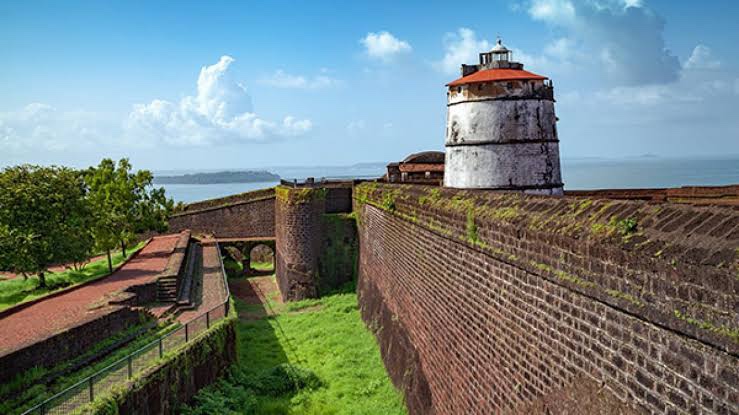
Fort Aguada is one of those places that just sticks with you. Built way back in 1612 by the Portuguese, this fortress was originally meant to guard against enemy ships and pirates trying to sneak into Goa’s shores. What makes it stand out today isn’t just its age or the thick stone walls, but the sweeping views of the Arabian Sea that greet you once you climb up. And oh, the lighthouse! That old, abandoned lighthouse from 1864 sitting atop the fort looks like it’s frozen in time, quietly watching over the coast. It’s not just a structure; it’s a piece of history that whispers stories of battles, colonial days, and maritime adventures.
Walking around the fort, you get a real sense of the past rubbing shoulders with the present. The walls are thick, the cannons still pointing out to sea, and the pathways invite you to wander and wonder. It’s a spot that’s pretty popular, sure, but it’s got this laid-back vibe that makes it easy to soak in the atmosphere without feeling rushed or crowded. Families with kids find it quite enjoyable, and while it’s not the easiest for wheelchair users due to the uneven terrain and lack of accessible entrances, most visitors find the effort well worth it.
Key Features
- Historic Portuguese fortress dating back to 1612, showcasing colonial military architecture
- Abandoned lighthouse built in 1864, one of the oldest on India’s west coast
- Breathtaking panoramic views of the Arabian Sea and Sinquerim Beach
- Onsite services including guided tours to enrich your visit
- Paid parking available both onsite and on nearby streets for convenience
- Family-friendly environment with ample space for kids to explore safely
- Stone ramparts and cannons that offer great photo ops and a peek into Goa’s maritime defense
Best Time to Visit
If you ask me, timing your visit to Fort Aguada can make a huge difference. The coolest and most pleasant months are from November through February when Goa enjoys its mild, dry winter. The weather is just right — not too hot, not too humid — perfect for wandering around the fort without melting into a puddle. I remember visiting in December once, and the sunset views from the lighthouse area were simply unforgettable, with the sky painted in fiery oranges and soft purples.
Monsoon season (June to September) is a bit of a gamble. The fort looks lush and dramatic with the rains, but the pathways can get slippery, and the sea gets rough. If you don’t mind a little wetness and want fewer crowds, it could be worth it. But for most folks, the peak tourist season from late fall to early spring is the sweet spot. Early mornings and late afternoons are the best times of day to avoid the midday heat and busy crowds.
How to Get There
Getting to Fort Aguada is pretty straightforward, whether you’re coming from Panaji, the capital, or from other parts of Goa. The fort is located near Sinquerim Beach, which is well connected by road. If you’re driving, there’s paid parking right at the site, so no worries about hunting for a spot. For those relying on public transport, local buses and taxis can get you close, though you might have a short walk to the entrance.
One thing I love about visiting Fort Aguada is how accessible it feels despite being a historic site. Renting a scooter or bike is a popular choice among travelers, giving you the freedom to explore the surrounding beaches and nearby attractions at your own pace. Plus, the roads leading there are quite scenic, so the journey itself becomes part of the experience. Just keep an eye on traffic during peak hours, as Goa can get surprisingly busy.
Tips for Visiting
Alright, here’s the lowdown from someone who’s been there a few times. First off, wear comfy shoes. The fort’s stone pathways are uneven, and you’ll want to explore every nook without hobbling around. Sunscreen and a hat are must-haves too — the sun can be relentless, especially if you’re visiting midday.
Try to visit early in the morning or late afternoon to catch the best light for photos and avoid the crowds. Speaking of photos, don’t just stick to the obvious spots. Wander around the less trodden paths; you might stumble upon some quiet corners with fantastic views that most tourists miss. And if you’re a history buff, consider hiring a local guide. They often share fascinating stories and little-known facts that bring the fort’s past to life in ways you won’t get from a signboard.
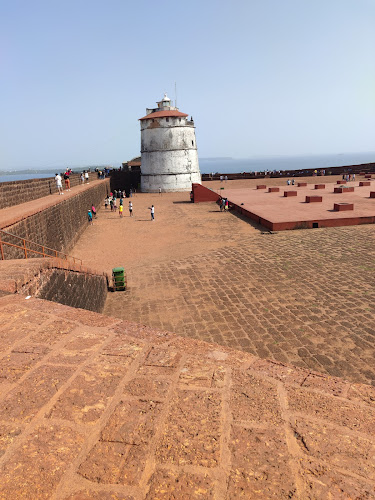
One quirky thing I noticed is the fort’s lighthouse isn’t operational anymore, so you can’t climb inside it, but standing next to it and imagining the sailors who once relied on its light is pretty cool. Also, while there are some food stalls nearby, packing your own snacks and water is a smart move, especially if you plan to linger and soak up the views.
Lastly, be respectful of the site. It’s a historic monument, after all, so no climbing on fragile walls or leaving trash behind. The fort is a treasure not just for Goa but for anyone who loves history and stunning sea views. Visiting Fort Aguada isn’t just ticking off a landmark; it’s stepping into a story that’s been unfolding for over 400 years. And trust me, once you’re there, you’ll feel it too.
Key Features
- Historic Portuguese fortress dating back to 1612, showcasing colonial military architecture
- Abandoned lighthouse built in 1864, one of the oldest on India’s west coast
- Breathtaking panoramic views of the Arabian Sea and Sinquerim Beach
- Onsite services including guided tours to enrich your visit
- Paid parking available both onsite and on nearby streets for convenience
- Family-friendly environment with ample space for kids to explore safely
- Stone ramparts and cannons that offer great photo ops and a peek into Goa’s maritime defense
More Details
Updated July 17, 2025
Table of Contents
Description
Fort Aguada is one of those places that just sticks with you. Built way back in 1612 by the Portuguese, this fortress was originally meant to guard against enemy ships and pirates trying to sneak into Goa’s shores. What makes it stand out today isn’t just its age or the thick stone walls, but the sweeping views of the Arabian Sea that greet you once you climb up. And oh, the lighthouse! That old, abandoned lighthouse from 1864 sitting atop the fort looks like it’s frozen in time, quietly watching over the coast. It’s not just a structure; it’s a piece of history that whispers stories of battles, colonial days, and maritime adventures.
Walking around the fort, you get a real sense of the past rubbing shoulders with the present. The walls are thick, the cannons still pointing out to sea, and the pathways invite you to wander and wonder. It’s a spot that’s pretty popular, sure, but it’s got this laid-back vibe that makes it easy to soak in the atmosphere without feeling rushed or crowded. Families with kids find it quite enjoyable, and while it’s not the easiest for wheelchair users due to the uneven terrain and lack of accessible entrances, most visitors find the effort well worth it.
Key Features
- Historic Portuguese fortress dating back to 1612, showcasing colonial military architecture
- Abandoned lighthouse built in 1864, one of the oldest on India’s west coast
- Breathtaking panoramic views of the Arabian Sea and Sinquerim Beach
- Onsite services including guided tours to enrich your visit
- Paid parking available both onsite and on nearby streets for convenience
- Family-friendly environment with ample space for kids to explore safely
- Stone ramparts and cannons that offer great photo ops and a peek into Goa’s maritime defense
Best Time to Visit
If you ask me, timing your visit to Fort Aguada can make a huge difference. The coolest and most pleasant months are from November through February when Goa enjoys its mild, dry winter. The weather is just right — not too hot, not too humid — perfect for wandering around the fort without melting into a puddle. I remember visiting in December once, and the sunset views from the lighthouse area were simply unforgettable, with the sky painted in fiery oranges and soft purples.
Monsoon season (June to September) is a bit of a gamble. The fort looks lush and dramatic with the rains, but the pathways can get slippery, and the sea gets rough. If you don’t mind a little wetness and want fewer crowds, it could be worth it. But for most folks, the peak tourist season from late fall to early spring is the sweet spot. Early mornings and late afternoons are the best times of day to avoid the midday heat and busy crowds.
How to Get There
Getting to Fort Aguada is pretty straightforward, whether you’re coming from Panaji, the capital, or from other parts of Goa. The fort is located near Sinquerim Beach, which is well connected by road. If you’re driving, there’s paid parking right at the site, so no worries about hunting for a spot. For those relying on public transport, local buses and taxis can get you close, though you might have a short walk to the entrance.
One thing I love about visiting Fort Aguada is how accessible it feels despite being a historic site. Renting a scooter or bike is a popular choice among travelers, giving you the freedom to explore the surrounding beaches and nearby attractions at your own pace. Plus, the roads leading there are quite scenic, so the journey itself becomes part of the experience. Just keep an eye on traffic during peak hours, as Goa can get surprisingly busy.
Tips for Visiting
Alright, here’s the lowdown from someone who’s been there a few times. First off, wear comfy shoes. The fort’s stone pathways are uneven, and you’ll want to explore every nook without hobbling around. Sunscreen and a hat are must-haves too — the sun can be relentless, especially if you’re visiting midday.
Try to visit early in the morning or late afternoon to catch the best light for photos and avoid the crowds. Speaking of photos, don’t just stick to the obvious spots. Wander around the less trodden paths; you might stumble upon some quiet corners with fantastic views that most tourists miss. And if you’re a history buff, consider hiring a local guide. They often share fascinating stories and little-known facts that bring the fort’s past to life in ways you won’t get from a signboard.
One quirky thing I noticed is the fort’s lighthouse isn’t operational anymore, so you can’t climb inside it, but standing next to it and imagining the sailors who once relied on its light is pretty cool. Also, while there are some food stalls nearby, packing your own snacks and water is a smart move, especially if you plan to linger and soak up the views.
Lastly, be respectful of the site. It’s a historic monument, after all, so no climbing on fragile walls or leaving trash behind. The fort is a treasure not just for Goa but for anyone who loves history and stunning sea views. Visiting Fort Aguada isn’t just ticking off a landmark; it’s stepping into a story that’s been unfolding for over 400 years. And trust me, once you’re there, you’ll feel it too.
Key Highlights
- Historic Portuguese fortress dating back to 1612, showcasing colonial military architecture
- Abandoned lighthouse built in 1864, one of the oldest on India’s west coast
- Breathtaking panoramic views of the Arabian Sea and Sinquerim Beach
- Onsite services including guided tours to enrich your visit
- Paid parking available both onsite and on nearby streets for convenience
- Family-friendly environment with ample space for kids to explore safely
- Stone ramparts and cannons that offer great photo ops and a peek into Goa’s maritime defense
Location
Places to Stay Near Fort Aguada
Find and Book a Tour
Explore More Travel Guides
No reviews found! Be the first to review!
Traveler Reviews for Fort Aguada
There are no reviews yet. Be the first one to write one.
Have you visited Fort Aguada? Help other travelers by sharing your review.
You Might Also Like
Find Accommodations Nearby
Recommended Tours & Activities
Visitor Reviews
There are no reviews yet. Be the first one to write one.
Share Your Experience
Have you visited Fort Aguada? Help other travelers by leaving a review.