
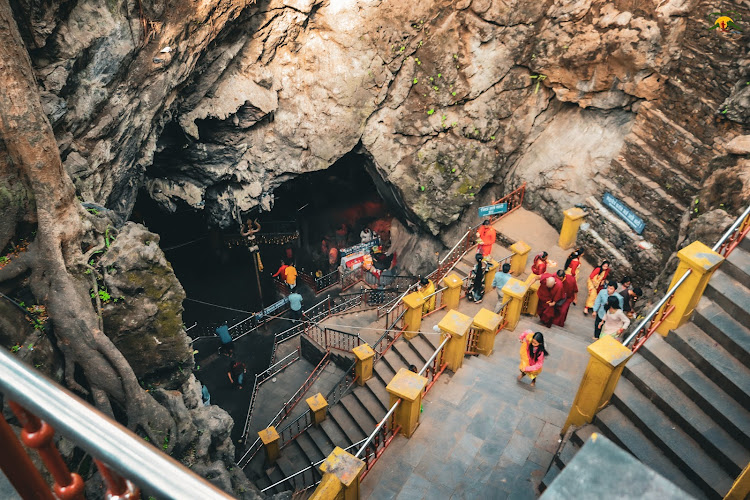
Haleshi Mahadev Temple
About Haleshi Mahadev Temple
Haleshi Mahadev Temple is one of those rare spots that feels like a secret whispered through generations, tucked away in eastern Nepal’s Khotang district. It’s not just a temple; it’s a cave sanctuary that carries a deep spiritual vibe for Hindus, Buddhists, and even Kirat followers. You can almost feel the layers of history and faith pressing gently against the cool stone walls inside the cave. The temple honors Lord Shiva, known here as Mahadev, and locals often call it the Pashupatinath of the East — a title that speaks volumes about its sacred stature.
Visiting Haleshi isn’t just about ticking off a religious site from your list; it’s an experience that mixes mystery, devotion, and a touch of adventure. The temple sits inside a cave that’s not super deep but has this intimate, almost otherworldly atmosphere. You’ll find the air thick with incense and chants, a place where pilgrims come to seek blessings, meditate, or just soak in the serenity. And don’t worry, unlike some remote pilgrimage spots, this place has basic amenities like restrooms, which makes the visit a bit more comfortable for travelers who might be trekking or driving long distances.
What’s fascinating is how this temple bridges different faiths. Buddhists revere the caves as the abode of monks and link them to ancient legends, while Hindus honor the site as a powerful Shiva shrine. This convergence of beliefs makes Haleshi more than just a religious destination; it’s a cultural tapestry woven with threads of faith, tradition, and nature’s quiet grandeur. If you’re someone who enjoys places that make you pause and reflect, Haleshi Mahadev Temple has that rare, soul-stirring charm.
Key Features
- Ancient cave temple dedicated to Lord Shiva, known locally as Mahadev
- Recognized as a sacred pilgrimage spot for Hindus, Buddhists, and Kirat followers
- Unique cave setting offering a mystical and intimate spiritual experience
- Often called the Pashupatinath of the East, reflecting its religious importance
- Basic traveler-friendly amenities including restrooms
- Located in the scenic Khotang district, providing a mix of cultural and natural beauty
- Accessible by road, making it easier for pilgrims and tourists to visit
- Hosts several religious festivals and rituals that offer insight into local traditions
Best Time to Visit
Picking the right time to visit Haleshi Mahadev Temple can seriously enhance your experience. If you ask me, the months between October and March are golden. The weather’s cooler and crisper, which is a blessing when you’re trekking or exploring caves. Plus, the skies tend to be clearer, so you get those stunning views of the surrounding hills that just add to the whole vibe.
On the flip side, the monsoon season (June to September) can be a bit tricky. Roads might get slippery, and the temple area can feel damp and chilly inside the cave. But hey, if you don’t mind a little rain and want to see the lush greenery at its peak, it’s not a bad time either. Just pack a good raincoat and sturdy shoes.
Also, try to time your visit around major festivals celebrated here—like Shivaratri or local Buddhist ceremonies. That’s when the temple really comes alive with vibrant rituals, colorful crowds, and an atmosphere charged with devotion. It’s a great way to experience the place in its full glory, but be prepared for larger crowds and busier accommodation options.
How to Get There
Getting to Haleshi Mahadev Temple is an adventure in itself, but it’s not as daunting as some of Nepal’s more remote spots. The temple is roughly 220 kilometers from Kathmandu, which translates to about 7 to 8 hours by road, depending on traffic and road conditions. Most travelers opt for a bus or jeep ride from Kathmandu to the Khotang district, and from there, local transport or a short hike will get you to the temple area.
If you’re the kind who likes to drive, renting a vehicle can give you the freedom to explore at your own pace. The roads are winding and scenic, so buckle up and enjoy the ride! But fair warning: some sections can be rough, so a sturdy vehicle is a must.
For those who prefer a bit of trekking, there are trails leading to Haleshi that pass through quaint villages and terraced fields. It’s a slower, more immersive way to arrive, letting you soak up the local culture and natural beauty before reaching the temple. Just make sure you’re prepared with proper gear and maybe a local guide to help navigate.
Tips for Visiting
Alright, so you’re gearing up for your trip to Haleshi Mahadev Temple. Here are a few nuggets of wisdom from someone who’s been around the block a bit (and yes, I’ve had my fair share of awkward travel moments):
- Dress modestly and comfortably. You’re visiting a sacred spot, so respectful attire is a must. But also, wear layers because the cave can get chilly, especially in the mornings or evenings.
- Bring cash. Small shops and vendors around the temple might not accept cards. Plus, cash makes it easier to tip guides or buy local offerings.
- Stay hydrated and carry snacks. The journey can be long, and while there are small eateries nearby, it’s always good to have some water and snacks on hand.
- Respect the rituals and local customs. Even if you’re not religious, observing quietly and participating respectfully can enrich your experience and endear you to locals.
- Plan for an early start. The temple tends to get busier as the day progresses, especially during festivals. Early visits mean fewer crowds and a more peaceful atmosphere.
- Take your time inside the cave. The ambiance is something you’ll want to soak in — light some incense, listen to the chants, or just sit quietly and reflect.
- Hire a local guide if possible. They can share fascinating stories and legends about the temple that you won’t find in guidebooks.
- Be prepared for basic facilities. While there are restrooms, don’t expect luxury. Carry some toilet paper and hand sanitizer just in case.
Visiting Haleshi Mahadev Temple isn’t just about seeing a place; it’s about feeling a connection to something ancient and profound. So go with an open heart, a curious mind, and a bit of patience — you’ll be rewarded with an experience that sticks with you long after you leave.
Key Features
- Ancient cave temple dedicated to Lord Shiva, known locally as Mahadev
- Recognized as a sacred pilgrimage spot for Hindus, Buddhists, and Kirat followers
- Unique cave setting offering a mystical and intimate spiritual experience
- Often called the Pashupatinath of the East, reflecting its religious importance
- Basic traveler-friendly amenities including restrooms
- Located in the scenic Khotang district, providing a mix of cultural and natural beauty
- Accessible by road, making it easier for pilgrims and tourists to visit
- Hosts several religious festivals and rituals that offer insight into local traditions
You Might Also Like
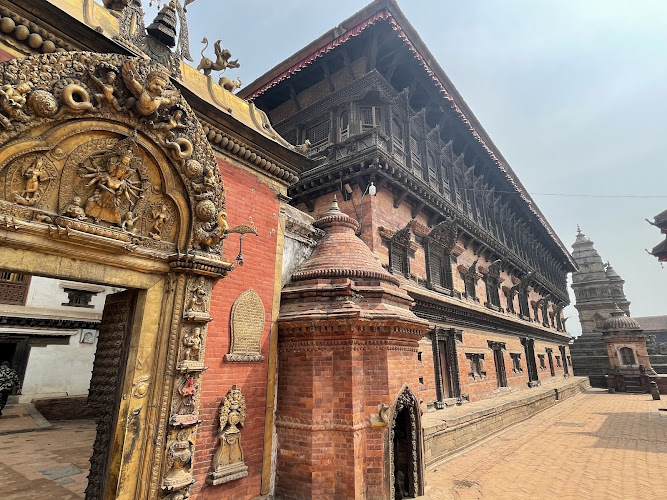
55 Window Palace
63 Satdobato-Godavari Rd
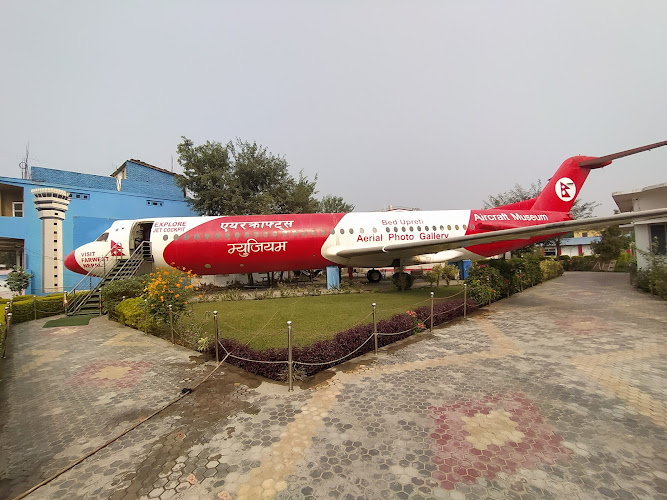
Aircraft Museum
Tours & Activities
GetYourGuide provides this tour inventory. We may earn a commission if you book through it; verify current availability, prices, and terms with the provider.
Visitor Reviews
There are no reviews yet. Be the first one to write one.
Share Your Experience
Have you visited Haleshi Mahadev Temple? Help other travelers by leaving a review.