
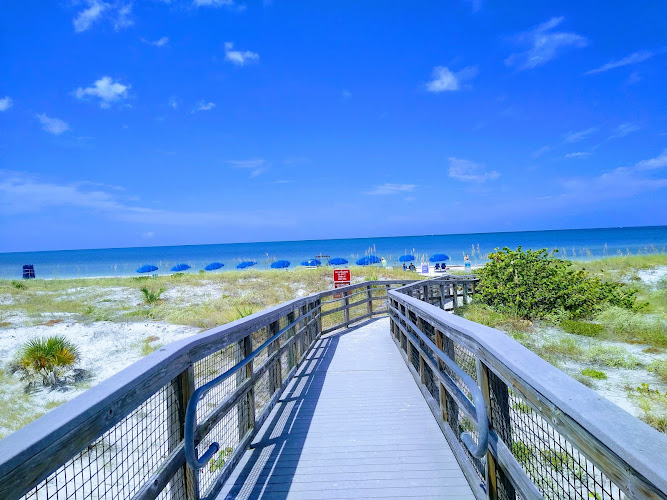
Caladesi Island State Park
About Caladesi Island State Park
Key Features
More Details
Updated September 18, 2025
Caladesi Island State Park, accessible only by ferry, private boat, or a 3-mile walk north from Clearwater Beach, preserves nearly 3 miles of undeveloped Gulf-front shoreline and maritime hammocks. Visitors can paddle its mangrove creeks, spot shorebirds and gopher tortoises, and explore the park’s nature trails and picnic areas. The island’s calm, clear waters and protected seagrass beds make it a prime location for swimming, shelling, and observing coastal ecosystems year-round.
Table of Contents
Key Highlights
White-sand Gulf beach with excellent swimming and wading
Regular ferry service from nearby Honeymoon Island (weather permitting)
Marina with boat slips, water, and power; overnight docking by permit
Kayak trail through mangrove tunnels (roughly 3 miles with marked posts)
Signed nature trail to interior hammock and historic homestead site
Concession café, picnic areas, and shaded pavilions with grills
Restrooms and outdoor rinse showers near the beach access
Beach chair and umbrella rentals on-site
Great shelling, especially after strong west winds or following a cold front
Abundant birdlife: ospreys, pelicans, skimmers, and seasonal shorebirds
Payments widely accepted at park concessions (credit, debit, and NFC mobile pay)
Location
Places to Stay Near Caladesi Island State Park
Find and Book a Tour
Explore More Travel Guides
No reviews found! Be the first to review!
Description
Caladesi Island State Park is one of those rare places on Florida’s Gulf Coast where you can still hear wind in the sea oats and the soft hiss of clear water folding over sugar-white sand. Reached primarily by boat from Dunedin, it feels like you’ve hit pause on the rest of the world for a few hours. I’ve been coming here for years—sometimes to paddle the mangrove tunnels, sometimes just to walk the shoreline and see what the tide delivered overnight—and every visit manages to feel new.
The beach is the headline act, no question. Caladesi has that fine, powdery sand that squeaks underfoot, and the water usually settles into a gentle, glassy green when winds are light. But the park is more than a beach day. It’s a living barrier island with a surprisingly diverse set of habitats: dune fields stitched with sea oats and railroad vines, shady maritime hammocks of live oak and cabbage palm, and an intricate mangrove estuary where juvenile fish shelter and wading birds stalk for breakfast. If you like your beach with a side of nature, this place delivers.
Facilities are better than you might expect on an offshore island. There’s a marina with slips and power, a small café that serves cold drinks and simple lunches, rental gear like beach chairs and umbrellas, and clean restrooms with outdoor showers. Boardwalks make it easy to cross the dunes to the Gulf side without trampling vegetation, and a signed nature trail threads into the interior, where you’ll pass the site tied to early pioneer life on Caladesi—the homestead where Myrtle Scharrer once lived. Keep your eyes open for gopher tortoises lumbering between scrub openings; they’re common here, especially on warm, sunny days.
Wildlife encounters are part of the fun. I’ve watched dolphins arc through the pass as the ferry idled into the marina and spotted osprey nesting on channel markers. In late spring, horseshoe crabs come ashore during the highest tides, and from May through October, sea turtles nest on the beach (sections may be roped off for their protection). On calm mornings, the mangroves are a chorus of fish popping and mullet splashing, while great blue herons and snowy egrets pick their way along the flats. It’s a reminder that Caladesi Island State Park isn’t just scenic—it’s ecologically rich.
Key Features
- White-sand Gulf beach with excellent swimming and wading
- Regular ferry service from nearby Honeymoon Island (weather permitting)
- Marina with boat slips, water, and power; overnight docking by permit
- Kayak trail through mangrove tunnels (roughly 3 miles with marked posts)
- Signed nature trail to interior hammock and historic homestead site
- Concession café, picnic areas, and shaded pavilions with grills
- Restrooms and outdoor rinse showers near the beach access
- Beach chair and umbrella rentals on-site
- Great shelling, especially after strong west winds or following a cold front
- Abundant birdlife: ospreys, pelicans, skimmers, and seasonal shorebirds
- Payments widely accepted at park concessions (credit, debit, and NFC mobile pay)
Best Time to Visit
For weather that makes you want to linger, late fall through early spring is hard to beat. From November to April, daytime temperatures are comfortable, humidity drops, and biting insects tend to be minimal. The Gulf can be cool for swimming in mid-winter, but you’ll have gloriously quiet trails and long, glare-free walks along the waterline. Shelling is often best just after a front passes when winds have stirred the offshore sandbars and rolled new finds ashore.
If you’re planning a classic beach day with swimming and sunbathing, late April through early June is a sweet spot. Water temps are warm, afternoon thunderstorms haven’t ramped up yet, and the water clarity is often excellent. Summer brings bathtub-warm water and long daylight hours, but also midday heat and fast-building storms—arrive early and plan to be back near shelter by mid-afternoon. The ferry can be busiest on sunny weekends and holidays regardless of season, so midweek mornings typically mean shorter lines.
Tide and wind matter here. On light east or southeast winds, the Gulf side can turn calm and clear, perfect for swimming and snorkeling around the first sandbar. For paddlers, plan your route with the tide; working with a gentle incoming or outgoing tide makes the mangrove trail feel effortless. Mosquitoes and no-see-ums show up at dawn and dusk in warmer months, so pack repellent if you’re hiking the interior trail or waiting for the last ferry.
How to Get There
The gateway to Caladesi Island State Park is at 1 Causeway Blvd, Dunedin, FL 34698. That’s the access point for Honeymoon Island State Park, where you’ll park and catch the ferry to Caladesi. After you pass through the entrance gate, follow signs to the ferry dock at the marina. The boat runs regularly during the day, weather permitting, and the crossing takes about 15–20 minutes. When you board, you’ll receive a wristband with a designated return window—typically around four hours on the island, enough time for a swim, a snack, and a walk or paddle.
If you prefer to bring your own boat, enter through Hurricane Pass between Honeymoon and Caladesi and follow the markers south toward the Caladesi marina. Shoaling can shift with storms, so stay in the channel and mind the tides; deeper-draft vessels should check depth soundings before committing. Overnight docking is available by permit, and slips have water and power hook-ups. It’s a convenient basecamp for sunset on the beach followed by a quiet night on the water.
Paddlers often launch from the Dunedin Causeway, where there’s easy, drive-up access to the water. From there, it’s roughly a mile to the Caladesi mangrove fringe across St. Joseph Sound. Give yourself time for the crossing, wear a PFD, and watch for motorboat traffic in the marked channels. Once you reach the island, you can slip into the designated kayak trail—a marked loop of shaded tunnels and open lagoons that feels worlds away from the mainland.
It’s technically possible to reach the southern end of Caladesi from Clearwater Beach by walking north along the sand at lower tides. Conditions change seasonally and after storms, and there may be a channel to wade. If you try it, check tides carefully, carry water, and remember you’ll be walking several miles round-trip on soft sand. Most visitors find the ferry the least complicated way to visit.
Tips for Visiting
Plan your day like a local and you’ll get the most from Caladesi Island State Park. Here’s what I’ve learned after many trips:
- Arrive early on busy days. On sunny weekends, the ferry line and Honeymoon Island parking can stack up. Getting there for the first or second boat means more beach space and time to wander.
- Pack the essentials, then lighten your load. You’ll be walking boardwalks and sand, so bring a soft cooler with water and snacks, a hat, reef-safe sunscreen, and a lightweight cover-up. If you don’t want to haul gear, you can rent chairs and umbrellas once you arrive.
- Mind the last boat. Ferry return times vary by season. The crew will tell you the final departure when you board—set a reminder so you’re not sprinting down the boardwalk at the end of the day.
- Explore beyond the beach. The nature trail offers shade and a sense of the island’s wild interior. It’s sandy in spots; closed-toe sandals or light hikers are more comfortable than flip-flops if you plan to do the full loop.
- Try the mangrove kayak trail with the tide. I prefer starting on a light incoming tide—the current nudges you along, and the tunnels feel serene rather than sluggish. Bring a small dry bag for your phone and keys.
- Shell with care. You’ll find lightning whelks, olives, scallops, and sometimes sand dollars. Check for life: if the animal is still inside or the sand dollar is brown, return it to the water. It’s both ethical and required.
- Watch for wildlife clues. Osprey will give away a good fishing tide long before a forecast app does. If they’re hovering and diving near the pass, expect baitfish and surface action—fun whether you’re fishing or just watching the show.
- Know the rules. Alcohol isn’t allowed on the beach. Pets are permitted in certain areas but not on the beach or trails; if you arrive by boat with a dog, keep them on-leash in designated zones. Fishing follows Florida saltwater regulations, so bring your license if you plan to cast for snook, trout, or redfish.
- Beat the bugs. In warm months, carry repellent for dawn and dusk, especially if you’re hiking or waiting at the marina. A light long-sleeve shirt makes sunset walks much more comfortable.
- Bring a refillable bottle. There’s potable water at the marina area. Staying hydrated is key on hot days, even if you’re mostly in and out of the Gulf.
- Use the boardwalks. They protect the dunes, which protect the island. Dune plants are tougher than they look, but they can’t handle heavy foot traffic.
- Payments are easy. The café and rental stand accept credit cards, debit cards, and mobile payments. It’s handy if you decide at the last second that you want an umbrella or a cold treat.
Part of Caladesi’s appeal is how simple it makes a day on the water. You can step off the ferry, follow the boardwalk to a beach that still looks like Old Florida, and slow your pace to match the tide. On my favorite days, I’ll walk north until the beach turns quiet, hunt for shells at the wrack line, swim past the first sandbar, and end with a slow paddle through mangroves, listening for the tiny pops of snapping shrimp. Whether you come for the swimming, the wildlife, or just an afternoon of wide, open horizon, Caladesi Island State Park has a way of delivering exactly the kind of calm you were hoping for—no passport required, just a sense of curiosity and a little sunscreen.
Traveler Reviews for Caladesi Island State Park
There are no reviews yet. Be the first one to write one.
Have you visited Caladesi Island State Park? Help other travelers by sharing your review.
You Might Also Like
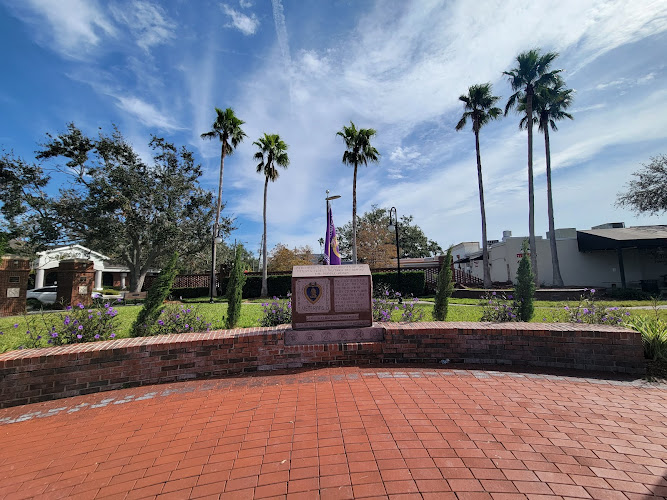
Purple Heart Park
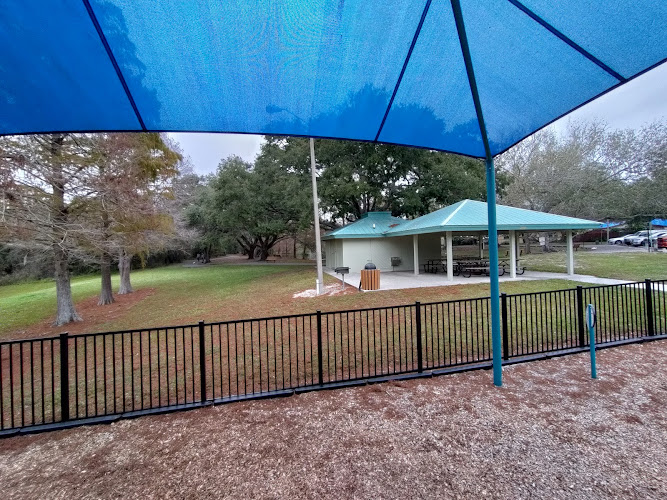
Scotsdale Park

Dunedin Fine Art Center
Find Accommodations Nearby
Recommended Tours & Activities
Visitor Reviews
There are no reviews yet. Be the first one to write one.
Share Your Experience
Have you visited Caladesi Island State Park? Help other travelers by leaving a review.