
Oak Tree Pond
About Oak Tree Pond
Description
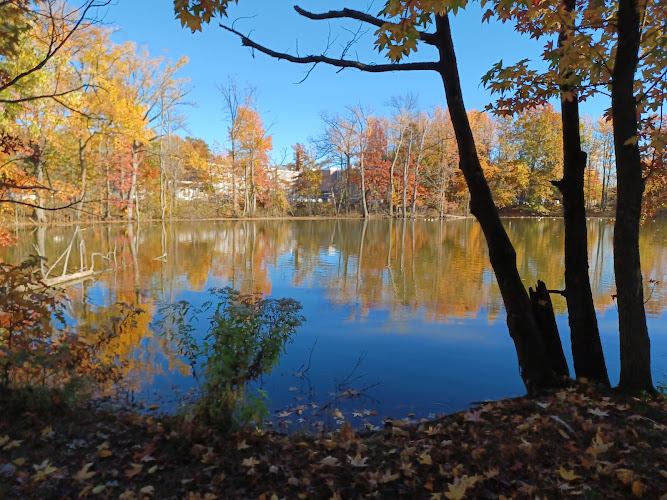
Oak Tree Pond stands as northern Edison's largest natural water feature, covering one precious acre of tranquil surface that has served generations of locals and visitors alike. This spring-fed gem receives additional water from surrounding runoff, creating a dynamic ecosystem that changes subtly with the seasons. The pond's outflow eventually makes its way to Bound Brook through the mysteriously named Dismal Swamp, adding an element of natural adventure to your visit.
What makes this place truly special isn't just its size – though being the biggest pond in the area certainly helps – it's the way it seems frozen in time. You'll find yourself stepping back into an era when community gathering spots were simpler, more genuine. The historical significance runs deep here, with the pond serving as a cornerstone of local recreation for decades upon decades.
I've always found there's something almost magical about spring-fed waters. They maintain a consistency that's hard to find elsewhere, and Oak Tree Pond exemplifies this beautifully. The water clarity varies throughout the year, but there's always that underlying sense of natural purity that comes from underground springs bubbling up to create this oasis.
The surrounding landscape tells its own story too. This isn't some manicured tourist destination – it's authentic New Jersey nature at its finest. And honestly, that's exactly what makes it worth seeking out. You won't find crowds of tourists here, just genuine appreciation for a piece of natural heritage that has somehow survived suburban development.
Key Features
Oak Tree Pond offers several distinctive characteristics that set it apart from other water destinations in the region:
- Spring-fed ecosystem – The natural underground springs provide consistent water levels and maintain the pond's ecological balance throughout the year
- Historical fishing opportunities – Generations have cast their lines here, creating a legacy of angling tradition that continues today
- Seasonal ice skating – When winter conditions are right, the pond transforms into a natural skating rink, though visitors should always check ice thickness and safety conditions
- One-acre surface area – Compact enough to feel intimate yet large enough for meaningful recreation and wildlife observation
- Natural water flow system – The pond connects to Bound Brook via a small stream, creating a living waterway rather than a stagnant pool
- Wildlife habitat – The combination of spring water and runoff creates diverse microenvironments that support various species
- Historic park setting – Part of Oak Tree Pond Historic Park, adding cultural and historical context to your natural experience
- Photography opportunities – The changing light throughout the day creates excellent conditions for both amateur and serious photographers
But here's what most visitors don't realize – the real magic happens in the transitions. The way morning mist rises from the spring-fed surface, or how late afternoon sun creates patterns through the surrounding trees. These aren't features you'll find listed on any official website, but they're what make the experience memorable.
Best Time to Visit
Timing your visit to Oak Tree Pond can make all the difference between a good experience and an unforgettable one. Each season brings its own personality to this historic waterway, and understanding these rhythms will help you plan accordingly.
Spring arrives early here thanks to the warming influence of the underground springs. March through May offers some of the most rewarding visits, especially for wildlife enthusiasts. The pond comes alive as migrating birds use it as a rest stop, and the surrounding vegetation begins its annual renewal. But here's a insider tip – early April often provides the perfect balance of comfortable temperatures and active wildlife before the summer crowds discover the area.
Summer months from June through August bring the warmest weather and longest days, making them ideal for extended visits and fishing expeditions. The established fishing tradition means you'll often encounter local anglers who've been coming here for years – some of the best conversations and local insights happen during these chance encounters. However, be prepared for occasional afternoon thunderstorms that can roll in quickly across the open water.
Fall transforms Oak Tree Pond into something truly spectacular. September through November showcases the changing foliage reflected in the water's surface, creating natural mirror effects that photographers dream about. The cooler temperatures also mean less insect activity, making it more comfortable for longer stays. And honestly, there's something about autumn here that feels particularly nostalgic – maybe it's knowing that generations before have witnessed these same seasonal changes.
Winter brings its own unique opportunities, particularly for those interested in the historical ice skating tradition. December through February can provide safe ice conditions, though you absolutely must verify thickness and safety before venturing onto the surface. The stark beauty of snow-covered surroundings contrasting with dark water creates dramatic visual appeal that's quite different from other seasons.
For the best overall experience, I'd recommend planning your visit for either late spring (May) or early fall (September). These months offer the most reliable weather conditions, comfortable temperatures, and excellent opportunities to appreciate both the natural beauty and historical significance of this special place.
How to Get There
Finding Oak Tree Pond requires a bit of local navigation knowledge, but that's part of what keeps it from being overcrowded. The pond sits within northern Edison, making it accessible from several directions depending on where you're starting your journey.
If you're driving from the north, Route 1 provides the most straightforward approach. Take local roads into the residential areas of northern Edison, following signs toward Oak Tree Road. The historic park designation helps with navigation, though you'll want to pay attention to street signs as you get closer – this isn't the type of destination with huge highway billboards pointing the way.
Public transportation options exist but require some planning. New Jersey Transit serves the Edison area, and from the local stations you can arrange taxi or rideshare services to reach the pond. I'd recommend calling ahead to confirm pickup times for your return trip, as this area doesn't always have immediate rideshare availability.
Parking arrangements are relatively informal, reflecting the pond's community-oriented nature. You'll find spaces along nearby residential streets, but please be respectful of local residents and follow any posted parking restrictions. The informal nature of access is actually one of the pond's charms – it maintains that authentic, discovered-by-accident feeling that so many tourist destinations have lost.
For cyclists, the area offers pleasant riding through Edison's residential neighborhoods, though you'll want to plan your route carefully and follow local traffic regulations. The relatively flat terrain makes it accessible for most skill levels.
Weather can affect access conditions, particularly during winter months when ice and snow might make some approaches more challenging. Spring runoff periods can also temporarily affect immediate access to the water's edge, so timing and flexibility in your plans will serve you well.
Tips for Visiting
Successful visits to Oak Tree Pond depend more on preparation and mindset than expensive equipment or detailed itineraries. This place rewards visitors who come ready to appreciate simple natural beauty rather than seeking entertainment or manufactured excitement.
Bring appropriate footwear for potentially muddy or uneven ground, especially during spring months or after recent rainfall. The natural setting means you'll encounter real terrain, not paved walkways or manicured paths. Waterproof boots or sturdy hiking shoes will enhance your comfort and allow you to explore areas that casual visitors might skip.
If you're interested in the fishing tradition, consider bringing basic equipment, but also be prepared to learn from local anglers who frequent the pond. Some of my most educational outdoor experiences have come from striking up conversations with people who've been fishing the same waters for years. They often know seasonal patterns, successful techniques, and historical stories that you won't find in any guidebook.
Photography enthusiasts should plan for changing light conditions throughout the day. The combination of water, surrounding vegetation, and sky creates opportunities for dramatic shots, but timing matters. Early morning and late afternoon typically provide the most interesting light, while midday sun can create harsh contrasts that flatten the natural beauty.
Pack snacks and water, particularly if you're planning an extended visit. This isn't a commercialized destination with nearby restaurants or convenience stores – part of its appeal lies in being removed from typical tourist infrastructure. A thermos of coffee or hot chocolate during cooler months adds comfort and allows you to linger longer and observe subtle changes in the environment.
Respect the historical and community significance of this space. Oak Tree Pond belongs to the people who've cherished it for generations, and visitors should approach it with appropriate appreciation. Leave no trace principles apply here more than almost anywhere else – what you pack in should come back out with you.
Weather awareness becomes crucial since you'll be exposed to open sky and water. Conditions can change quickly, especially during transitional seasons. Check forecasts before heading out, but also be prepared for unexpected changes once you arrive.
Finally, embrace the slower pace that this place naturally encourages. Oak Tree Pond isn't about checking items off a tourist list – it's about connecting with a piece of authentic New Jersey natural heritage that has somehow survived and thrived despite decades of surrounding development. That's worth taking time to truly appreciate.
Key Features
- Spring-fed one-acre pond with calm reflective water
- Located inside Oak Tree Pond Park within Edison, NJ (08820)
- Historical significance tied to Revolutionary War activity (Battle of Short Hills)
- Walking paths, benches, and nearby picnic areas
- Proximity to historic sites: Reuben Ayers House, St. James Church, Piscatawaytown Burial Ground
More Details
Updated September 11, 2025
Table of Contents
Description
Oak Tree Pond stands as northern Edison’s largest natural water feature, covering one precious acre of tranquil surface that has served generations of locals and visitors alike. This spring-fed gem receives additional water from surrounding runoff, creating a dynamic ecosystem that changes subtly with the seasons. The pond’s outflow eventually makes its way to Bound Brook through the mysteriously named Dismal Swamp, adding an element of natural adventure to your visit.
What makes this place truly special isn’t just its size – though being the biggest pond in the area certainly helps – it’s the way it seems frozen in time. You’ll find yourself stepping back into an era when community gathering spots were simpler, more genuine. The historical significance runs deep here, with the pond serving as a cornerstone of local recreation for decades upon decades.
I’ve always found there’s something almost magical about spring-fed waters. They maintain a consistency that’s hard to find elsewhere, and Oak Tree Pond exemplifies this beautifully. The water clarity varies throughout the year, but there’s always that underlying sense of natural purity that comes from underground springs bubbling up to create this oasis.
The surrounding landscape tells its own story too. This isn’t some manicured tourist destination – it’s authentic New Jersey nature at its finest. And honestly, that’s exactly what makes it worth seeking out. You won’t find crowds of tourists here, just genuine appreciation for a piece of natural heritage that has somehow survived suburban development.
Key Features
Oak Tree Pond offers several distinctive characteristics that set it apart from other water destinations in the region:
- Spring-fed ecosystem – The natural underground springs provide consistent water levels and maintain the pond’s ecological balance throughout the year
- Historical fishing opportunities – Generations have cast their lines here, creating a legacy of angling tradition that continues today
- Seasonal ice skating – When winter conditions are right, the pond transforms into a natural skating rink, though visitors should always check ice thickness and safety conditions
- One-acre surface area – Compact enough to feel intimate yet large enough for meaningful recreation and wildlife observation
- Natural water flow system – The pond connects to Bound Brook via a small stream, creating a living waterway rather than a stagnant pool
- Wildlife habitat – The combination of spring water and runoff creates diverse microenvironments that support various species
- Historic park setting – Part of Oak Tree Pond Historic Park, adding cultural and historical context to your natural experience
- Photography opportunities – The changing light throughout the day creates excellent conditions for both amateur and serious photographers
But here’s what most visitors don’t realize – the real magic happens in the transitions. The way morning mist rises from the spring-fed surface, or how late afternoon sun creates patterns through the surrounding trees. These aren’t features you’ll find listed on any official website, but they’re what make the experience memorable.
Best Time to Visit
Timing your visit to Oak Tree Pond can make all the difference between a good experience and an unforgettable one. Each season brings its own personality to this historic waterway, and understanding these rhythms will help you plan accordingly.
Spring arrives early here thanks to the warming influence of the underground springs. March through May offers some of the most rewarding visits, especially for wildlife enthusiasts. The pond comes alive as migrating birds use it as a rest stop, and the surrounding vegetation begins its annual renewal. But here’s a insider tip – early April often provides the perfect balance of comfortable temperatures and active wildlife before the summer crowds discover the area.
Summer months from June through August bring the warmest weather and longest days, making them ideal for extended visits and fishing expeditions. The established fishing tradition means you’ll often encounter local anglers who’ve been coming here for years – some of the best conversations and local insights happen during these chance encounters. However, be prepared for occasional afternoon thunderstorms that can roll in quickly across the open water.
Fall transforms Oak Tree Pond into something truly spectacular. September through November showcases the changing foliage reflected in the water’s surface, creating natural mirror effects that photographers dream about. The cooler temperatures also mean less insect activity, making it more comfortable for longer stays. And honestly, there’s something about autumn here that feels particularly nostalgic – maybe it’s knowing that generations before have witnessed these same seasonal changes.
Winter brings its own unique opportunities, particularly for those interested in the historical ice skating tradition. December through February can provide safe ice conditions, though you absolutely must verify thickness and safety before venturing onto the surface. The stark beauty of snow-covered surroundings contrasting with dark water creates dramatic visual appeal that’s quite different from other seasons.
For the best overall experience, I’d recommend planning your visit for either late spring (May) or early fall (September). These months offer the most reliable weather conditions, comfortable temperatures, and excellent opportunities to appreciate both the natural beauty and historical significance of this special place.
How to Get There
Finding Oak Tree Pond requires a bit of local navigation knowledge, but that’s part of what keeps it from being overcrowded. The pond sits within northern Edison, making it accessible from several directions depending on where you’re starting your journey.
If you’re driving from the north, Route 1 provides the most straightforward approach. Take local roads into the residential areas of northern Edison, following signs toward Oak Tree Road. The historic park designation helps with navigation, though you’ll want to pay attention to street signs as you get closer – this isn’t the type of destination with huge highway billboards pointing the way.
Public transportation options exist but require some planning. New Jersey Transit serves the Edison area, and from the local stations you can arrange taxi or rideshare services to reach the pond. I’d recommend calling ahead to confirm pickup times for your return trip, as this area doesn’t always have immediate rideshare availability.
Parking arrangements are relatively informal, reflecting the pond’s community-oriented nature. You’ll find spaces along nearby residential streets, but please be respectful of local residents and follow any posted parking restrictions. The informal nature of access is actually one of the pond’s charms – it maintains that authentic, discovered-by-accident feeling that so many tourist destinations have lost.
For cyclists, the area offers pleasant riding through Edison’s residential neighborhoods, though you’ll want to plan your route carefully and follow local traffic regulations. The relatively flat terrain makes it accessible for most skill levels.
Weather can affect access conditions, particularly during winter months when ice and snow might make some approaches more challenging. Spring runoff periods can also temporarily affect immediate access to the water’s edge, so timing and flexibility in your plans will serve you well.
Tips for Visiting
Successful visits to Oak Tree Pond depend more on preparation and mindset than expensive equipment or detailed itineraries. This place rewards visitors who come ready to appreciate simple natural beauty rather than seeking entertainment or manufactured excitement.
Bring appropriate footwear for potentially muddy or uneven ground, especially during spring months or after recent rainfall. The natural setting means you’ll encounter real terrain, not paved walkways or manicured paths. Waterproof boots or sturdy hiking shoes will enhance your comfort and allow you to explore areas that casual visitors might skip.
If you’re interested in the fishing tradition, consider bringing basic equipment, but also be prepared to learn from local anglers who frequent the pond. Some of my most educational outdoor experiences have come from striking up conversations with people who’ve been fishing the same waters for years. They often know seasonal patterns, successful techniques, and historical stories that you won’t find in any guidebook.
Photography enthusiasts should plan for changing light conditions throughout the day. The combination of water, surrounding vegetation, and sky creates opportunities for dramatic shots, but timing matters. Early morning and late afternoon typically provide the most interesting light, while midday sun can create harsh contrasts that flatten the natural beauty.
Pack snacks and water, particularly if you’re planning an extended visit. This isn’t a commercialized destination with nearby restaurants or convenience stores – part of its appeal lies in being removed from typical tourist infrastructure. A thermos of coffee or hot chocolate during cooler months adds comfort and allows you to linger longer and observe subtle changes in the environment.
Respect the historical and community significance of this space. Oak Tree Pond belongs to the people who’ve cherished it for generations, and visitors should approach it with appropriate appreciation. Leave no trace principles apply here more than almost anywhere else – what you pack in should come back out with you.
Weather awareness becomes crucial since you’ll be exposed to open sky and water. Conditions can change quickly, especially during transitional seasons. Check forecasts before heading out, but also be prepared for unexpected changes once you arrive.
Finally, embrace the slower pace that this place naturally encourages. Oak Tree Pond isn’t about checking items off a tourist list – it’s about connecting with a piece of authentic New Jersey natural heritage that has somehow survived and thrived despite decades of surrounding development. That’s worth taking time to truly appreciate.
Key Highlights
- Spring-fed one-acre pond with calm reflective water
- Located inside Oak Tree Pond Park within Edison, NJ (08820)
- Historical significance tied to Revolutionary War activity (Battle of Short Hills)
- Walking paths, benches, and nearby picnic areas
- Proximity to historic sites: Reuben Ayers House, St. James Church, Piscatawaytown Burial Ground
Location
Places to Stay Near Oak Tree Pond
Find and Book a Tour
Explore More Travel Guides
No reviews found! Be the first to review!
Traveler Reviews for Oak Tree Pond
There are no reviews yet. Be the first one to write one.
Have you visited Oak Tree Pond? Help other travelers by sharing your review.
Nearby Attractions
You Might Also Like

Halloween House Menlo Park
Papaianni Park
Light Dispelling Darkness Statue
Find Accommodations Nearby
Recommended Tours & Activities
Visitor Reviews
There are no reviews yet. Be the first one to write one.
Share Your Experience
Have you visited Oak Tree Pond? Help other travelers by leaving a review.