
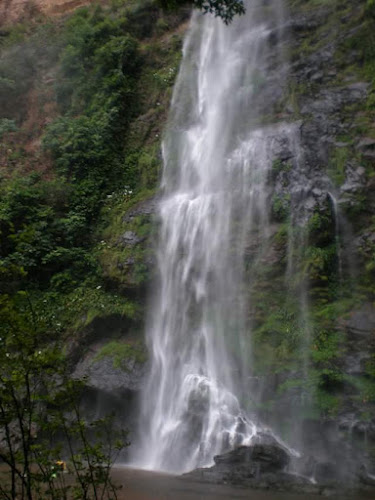
Kloto
About Kloto
Description
Kloto stands as one of those destinations that completely catches you off guard – and I mean that in the absolute best way possible. When I first heard about this place, I'll be honest, I had no clue what to expect. The name itself doesn't give much away, does it? But that's part of its charm, really.
This remarkable location offers travelers an authentic experience that feels worlds away from the typical tourist traps we've all grown tired of. What strikes visitors first is the genuine sense of discovery that washes over you as you arrive. There's something refreshing about finding a place that hasn't been completely transformed by mass tourism – yet.
The landscape here tells stories that go back generations, with each corner revealing something new to curious explorers. And trust me, you'll want to explore every inch of this place. The natural beauty is undeniable, but it's the subtle details that really make Kloto special. Local traditions still thrive here, giving visitors a chance to witness authentic cultural practices that have been passed down through families for decades.
What really sets Kloto apart from other destinations is its ability to offer both tranquility and adventure in equal measure. Whether you're the type of traveler who enjoys quiet contemplation or someone who craves new experiences, this place delivers. The locals are incredibly welcoming too, which makes all the difference when you're trying to truly connect with a destination.
Key Features
Travelers who make the journey to Kloto discover several distinctive features that make this destination truly memorable:
- Authentic Cultural Experiences: Witness traditional practices that have remained unchanged for generations, offering genuine insights into local life and customs
- Diverse Natural Landscapes: The terrain varies dramatically, providing photographers and nature enthusiasts with countless opportunities to capture unique scenes
- Intimate Scale: Unlike crowded tourist destinations, Kloto maintains a manageable size that allows visitors to fully explore without feeling overwhelmed
- Local Artisan Workshops: Skilled craftspeople still practice traditional techniques, and many welcome visitors to observe or even participate in the creative process
- Seasonal Wildlife: Different times of year bring various species to the area, making it a fascinating destination for wildlife observation
- Historical Significance: The area contains several sites of historical importance that provide context for understanding the region's development
- Culinary Specialties: Local food traditions showcase ingredients and preparation methods unique to this specific area
- Walking Trails: Well-maintained paths allow visitors to explore safely while accessing some of the most scenic viewpoints
Best Time to Visit
Timing your visit to Kloto can make or break your experience – and I learned this the hard way during my first trip there. Each season brings its own character to the place, but some periods definitely offer advantages over others.
The ideal window for most travelers falls between late spring and early autumn. During these months, you'll find the weather most cooperative for outdoor activities, and honestly, you'll want to spend plenty of time outside here. The temperatures are comfortable enough for extended walking, and the daylight hours stretch long enough to pack in everything you want to see.
Summer brings the warmest weather, which can be perfect if you enjoy heat. But it's also when you're most likely to encounter other visitors. If crowds bother you, consider visiting in late spring instead. The landscape is particularly beautiful during this time, with fresh growth creating stunning natural displays.
Early autumn offers what many consider the sweet spot for visiting Kloto. The weather remains pleasant, but the summer crowds have thinned out considerably. Plus, autumn brings its own unique beauty to the area that's quite different from other seasons.
Winter visits are possible, though they require more preparation and planning. The landscape transforms completely during colder months, and while it's undeniably beautiful, some activities and areas may be inaccessible. If you're considering a winter trip, make sure to check ahead about what will be open and available.
Weather can be unpredictable regardless of season, so pack layers and be prepared for changes. And here's something I wish someone had told me earlier – the local weather patterns can differ significantly from regional forecasts, so it's worth asking locals about recent conditions when you arrive.
How to Get There
Getting to Kloto requires a bit more planning than your typical vacation destination, but that's part of what keeps it special. The journey itself becomes part of the adventure, though you'll want to map out your route carefully beforehand.
Most travelers find that flying into the nearest major airport and then making ground transportation arrangements works best. The drive from the airport takes several hours, but it's actually quite scenic once you get away from urban areas. I'd recommend renting a car if you're comfortable driving in the region – having your own transportation gives you much more flexibility for exploring.
Public transportation options exist, but they're limited and require careful scheduling. Buses run on specific days and times, and missing your connection can leave you stranded for longer than you'd like. If you do choose public transport, build extra time into your itinerary and have backup plans ready.
For the more adventurous, some travelers combine multiple transportation methods – perhaps flying partway and then taking trains or buses for the remainder of the journey. This approach takes longer but offers opportunities to see more of the countryside and meet locals along the way.
Road conditions vary depending on the season and recent weather, so check current conditions before departing. Some routes that look straightforward on maps can become challenging during certain times of year. Local tourism offices usually have updated information about the best routes and any temporary closures or delays.
GPS coverage can be spotty in some areas, so having paper maps as backup isn't just old-fashioned – it's smart. And make sure your vehicle is properly equipped for the terrain you'll encounter.
Tips for Visiting
After multiple visits to Kloto, I've learned quite a few things that can make your trip smoother and more enjoyable. Some of these lessons came from my own mistakes, which I'm happy to share so you can avoid them!
Pack more layers than you think you'll need. The weather can change quickly, and being caught unprepared isn't fun. I once spent an entire afternoon shivering because I underestimated how cool it would get in the shade. Comfortable walking shoes are absolutely essential – and I mean really comfortable ones that you've already broken in. This isn't the place to test new footwear.
Bring cash in local currency. While some places may accept cards, many local businesses and artisans prefer cash transactions. ATMs aren't common in the area, so getting money beforehand saves hassle later. Speaking of money, bargaining is sometimes expected when purchasing crafts or local goods, but it should be done respectfully and with good humor.
Learn a few basic phrases in the local language if it's different from your own. Even simple greetings and "thank you" go a long way toward building rapport with residents. People really appreciate when visitors make the effort, no matter how imperfect your pronunciation might be.
Photography etiquette matters here. Always ask permission before photographing people, especially during cultural activities or in sacred spaces. Some areas may have restrictions on photography, so check before snapping away. When in doubt, ask – most locals are happy to explain what's appropriate.
Plan your meals ahead when possible. Dining options can be limited, and some establishments have specific operating hours that might not align with typical tourist expectations. If you have dietary restrictions, learning how to communicate them clearly is important, as menu descriptions might not include all ingredients.
Stay flexible with your schedule. Things move at a different pace here, and trying to rush through experiences defeats the purpose of visiting such an authentic place. Build buffer time into your daily plans – you'll be glad you did when you discover something unexpected that deserves more attention.
Respect local customs and dress codes, particularly if you plan to visit any religious or ceremonial sites. Modest clothing is usually appreciated, and removing shoes or head coverings might be required in certain areas. When in doubt, observe what locals do and follow their lead.
Consider staying multiple nights if your schedule allows. Day trips to Kloto are possible, but you'll miss the special atmosphere that develops in the evening hours. Plus, having more time eliminates the pressure to see everything in one rushed visit.
Key Features
- Key Features
- Best Time to Visit
- How to Get There
- Tips for Visiting
More Details
Updated September 12, 2025
Table of Contents
Description
Kloto stands as one of those destinations that completely catches you off guard – and I mean that in the absolute best way possible. When I first heard about this place, I’ll be honest, I had no clue what to expect. The name itself doesn’t give much away, does it? But that’s part of its charm, really.
This remarkable location offers travelers an authentic experience that feels worlds away from the typical tourist traps we’ve all grown tired of. What strikes visitors first is the genuine sense of discovery that washes over you as you arrive. There’s something refreshing about finding a place that hasn’t been completely transformed by mass tourism – yet.
The landscape here tells stories that go back generations, with each corner revealing something new to curious explorers. And trust me, you’ll want to explore every inch of this place. The natural beauty is undeniable, but it’s the subtle details that really make Kloto special. Local traditions still thrive here, giving visitors a chance to witness authentic cultural practices that have been passed down through families for decades.
What really sets Kloto apart from other destinations is its ability to offer both tranquility and adventure in equal measure. Whether you’re the type of traveler who enjoys quiet contemplation or someone who craves new experiences, this place delivers. The locals are incredibly welcoming too, which makes all the difference when you’re trying to truly connect with a destination.
Key Features
Travelers who make the journey to Kloto discover several distinctive features that make this destination truly memorable:
- Authentic Cultural Experiences: Witness traditional practices that have remained unchanged for generations, offering genuine insights into local life and customs
- Diverse Natural Landscapes: The terrain varies dramatically, providing photographers and nature enthusiasts with countless opportunities to capture unique scenes
- Intimate Scale: Unlike crowded tourist destinations, Kloto maintains a manageable size that allows visitors to fully explore without feeling overwhelmed
- Local Artisan Workshops: Skilled craftspeople still practice traditional techniques, and many welcome visitors to observe or even participate in the creative process
- Seasonal Wildlife: Different times of year bring various species to the area, making it a fascinating destination for wildlife observation
- Historical Significance: The area contains several sites of historical importance that provide context for understanding the region’s development
- Culinary Specialties: Local food traditions showcase ingredients and preparation methods unique to this specific area
- Walking Trails: Well-maintained paths allow visitors to explore safely while accessing some of the most scenic viewpoints
Best Time to Visit
Timing your visit to Kloto can make or break your experience – and I learned this the hard way during my first trip there. Each season brings its own character to the place, but some periods definitely offer advantages over others.
The ideal window for most travelers falls between late spring and early autumn. During these months, you’ll find the weather most cooperative for outdoor activities, and honestly, you’ll want to spend plenty of time outside here. The temperatures are comfortable enough for extended walking, and the daylight hours stretch long enough to pack in everything you want to see.
Summer brings the warmest weather, which can be perfect if you enjoy heat. But it’s also when you’re most likely to encounter other visitors. If crowds bother you, consider visiting in late spring instead. The landscape is particularly beautiful during this time, with fresh growth creating stunning natural displays.
Early autumn offers what many consider the sweet spot for visiting Kloto. The weather remains pleasant, but the summer crowds have thinned out considerably. Plus, autumn brings its own unique beauty to the area that’s quite different from other seasons.
Winter visits are possible, though they require more preparation and planning. The landscape transforms completely during colder months, and while it’s undeniably beautiful, some activities and areas may be inaccessible. If you’re considering a winter trip, make sure to check ahead about what will be open and available.
Weather can be unpredictable regardless of season, so pack layers and be prepared for changes. And here’s something I wish someone had told me earlier – the local weather patterns can differ significantly from regional forecasts, so it’s worth asking locals about recent conditions when you arrive.
How to Get There
Getting to Kloto requires a bit more planning than your typical vacation destination, but that’s part of what keeps it special. The journey itself becomes part of the adventure, though you’ll want to map out your route carefully beforehand.
Most travelers find that flying into the nearest major airport and then making ground transportation arrangements works best. The drive from the airport takes several hours, but it’s actually quite scenic once you get away from urban areas. I’d recommend renting a car if you’re comfortable driving in the region – having your own transportation gives you much more flexibility for exploring.
Public transportation options exist, but they’re limited and require careful scheduling. Buses run on specific days and times, and missing your connection can leave you stranded for longer than you’d like. If you do choose public transport, build extra time into your itinerary and have backup plans ready.
For the more adventurous, some travelers combine multiple transportation methods – perhaps flying partway and then taking trains or buses for the remainder of the journey. This approach takes longer but offers opportunities to see more of the countryside and meet locals along the way.
Road conditions vary depending on the season and recent weather, so check current conditions before departing. Some routes that look straightforward on maps can become challenging during certain times of year. Local tourism offices usually have updated information about the best routes and any temporary closures or delays.
GPS coverage can be spotty in some areas, so having paper maps as backup isn’t just old-fashioned – it’s smart. And make sure your vehicle is properly equipped for the terrain you’ll encounter.
Tips for Visiting
After multiple visits to Kloto, I’ve learned quite a few things that can make your trip smoother and more enjoyable. Some of these lessons came from my own mistakes, which I’m happy to share so you can avoid them!
Pack more layers than you think you’ll need. The weather can change quickly, and being caught unprepared isn’t fun. I once spent an entire afternoon shivering because I underestimated how cool it would get in the shade. Comfortable walking shoes are absolutely essential – and I mean really comfortable ones that you’ve already broken in. This isn’t the place to test new footwear.
Bring cash in local currency. While some places may accept cards, many local businesses and artisans prefer cash transactions. ATMs aren’t common in the area, so getting money beforehand saves hassle later. Speaking of money, bargaining is sometimes expected when purchasing crafts or local goods, but it should be done respectfully and with good humor.
Learn a few basic phrases in the local language if it’s different from your own. Even simple greetings and “thank you” go a long way toward building rapport with residents. People really appreciate when visitors make the effort, no matter how imperfect your pronunciation might be.
Photography etiquette matters here. Always ask permission before photographing people, especially during cultural activities or in sacred spaces. Some areas may have restrictions on photography, so check before snapping away. When in doubt, ask – most locals are happy to explain what’s appropriate.
Plan your meals ahead when possible. Dining options can be limited, and some establishments have specific operating hours that might not align with typical tourist expectations. If you have dietary restrictions, learning how to communicate them clearly is important, as menu descriptions might not include all ingredients.
Stay flexible with your schedule. Things move at a different pace here, and trying to rush through experiences defeats the purpose of visiting such an authentic place. Build buffer time into your daily plans – you’ll be glad you did when you discover something unexpected that deserves more attention.
Respect local customs and dress codes, particularly if you plan to visit any religious or ceremonial sites. Modest clothing is usually appreciated, and removing shoes or head coverings might be required in certain areas. When in doubt, observe what locals do and follow their lead.
Consider staying multiple nights if your schedule allows. Day trips to Kloto are possible, but you’ll miss the special atmosphere that develops in the evening hours. Plus, having more time eliminates the pressure to see everything in one rushed visit.
Key Highlights
- Key Features
- Best Time to Visit
- How to Get There
- Tips for Visiting
Location
Places to Stay Near Kloto
Find and Book a Tour
Explore More Travel Guides
No reviews found! Be the first to review!
Traveler Reviews for Kloto
There are no reviews yet. Be the first one to write one.
Have you visited Kloto? Help other travelers by sharing your review.
You Might Also Like

Find Accommodations Nearby
Recommended Tours & Activities
Visitor Reviews
There are no reviews yet. Be the first one to write one.
Share Your Experience
Have you visited Kloto? Help other travelers by leaving a review.