
Pleven
About Pleven
Description
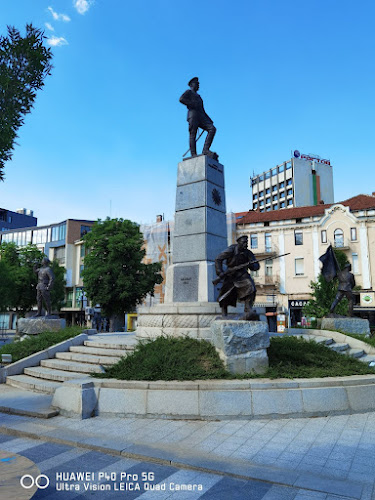
Pleven stands as Bulgaria's seventh-largest city, though most travelers haven't even heard of it - and that's exactly what makes it special. Tucked away in northern Bulgaria, this administrative center of Pleven Province holds secrets that even seasoned Balkan explorers often miss. With nearly 90,000 residents calling it home, Pleven operates as the economic powerhouse of Northwestern Bulgaria, yet it maintains an authentic, unpolished charm that tourist-heavy destinations have long since abandoned. The city earned its place in history during the brutal Siege of Plevna in 1877-78, when Russian and Romanian forces battled the Ottoman Empire for five grueling months. Walking through Pleven today, you'll discover this isn't just another footnote in European history - it's a living, breathing testament to Bulgarian resilience. And honestly, the fact that most guidebooks give it barely a paragraph makes exploring here feel like you've stumbled onto something genuinely yours. What strikes you first about Pleven is how it refuses to put on airs. There's no glossy tourism board trying to rebrand it as the "Pearl of Northern Bulgaria" or some such nonsense. Instead, you get a working city that happens to house some of Bulgaria's most impressive historical sites, including the famous Pleven Panorama - a massive 360-degree painting that brings the 1877 siege to life with startling intensity.Key Features
• Pleven Panorama - This cylindrical building houses one of Europe's most impressive battle panoramas, depicting the Russo-Turkish War with incredible detail and dramatic lighting effects that transport visitors directly into 1877 • Pleven Regional Historical Museum - Spanning 7,000 square meters across two floors, this cultural monument houses over 180,000 artifacts, making it one of Bulgaria's largest and most comprehensive museums • Kaylaka Park - A sprawling natural escape featuring artificial lakes, walking trails, and archaeological remains that provide perfect contrast to the city's urban energy • Central Pedestrian Zone - The heart of modern Pleven where locals gather for evening strolls, coffee, and people-watching - offering authentic glimpses into contemporary Bulgarian life • St. Nicholas Church - An architectural gem showcasing traditional Bulgarian Orthodox design elements and religious art that spans several centuries • Liberation Monument - Standing tall in the city center, this monument commemorates the Russian soldiers who died during the siege, surrounded by peaceful gardens perfect for reflection • Archaeological sites - Scattered throughout the region, these lesser-known Roman and medieval ruins reward curious explorers with uncrowded historical discoveriesBest Time to Visit
Planning your Pleven adventure requires understanding Bulgaria's continental climate, which can be pretty unforgiving if you time it wrong. Late spring through early fall - roughly May through September - offers the most comfortable weather for exploring outdoor sites and wandering the city's extensive pedestrian areas. But here's where it gets interesting: winter visits to Pleven reveal a completely different character. The Pleven Panorama becomes even more atmospheric when snow blankets the surrounding landscape, creating an almost cinematic backdrop for your historical immersion. Plus, museum crowds disappear entirely, giving you practically private access to those 180,000 artifacts. Summer can get surprisingly hot - we're talking 35°C (95°F) on some July days - but the locals have mastered the art of afternoon siestas and evening socializing. If you visit during peak summer, embrace the Bulgarian rhythm: explore museums and indoor attractions during scorching afternoons, then join the evening promenade when temperatures cool and the city comes alive. Spring brings wildflowers to Kaylaka Park and surrounding countryside, while autumn delivers stunning foliage that makes those walking trails absolutely magical. Honestly, October might be Pleven's best-kept secret - warm days, cool evenings, and tourist numbers at their lowest. Weather aside, consider local events when timing your visit. The city hosts various cultural festivals throughout the year, though they're announced primarily in Bulgarian, so flexibility in your travel dates helps you stumble upon authentic celebrations.How to Get There
Getting to Pleven requires a bit more effort than reaching Bulgaria's coastal resorts, but that's part of what keeps it authentically Bulgarian rather than internationalized beyond recognition. Sofia serves as your primary gateway, located about 160 kilometers south of Pleven - roughly a two-hour drive through countryside that's actually quite scenic once you escape Sofia's industrial outskirts. Regular train service connects Sofia to Pleven, though Bulgarian trains operate on their own unique schedule concept. The journey takes approximately 3-4 hours, depending on connections, but offers comfortable seating and windows perfect for watching rural Bulgaria roll past. Train tickets cost significantly less than rental cars, though you'll sacrifice flexibility for budget savings. Bus connections from Sofia run more frequently than trains, with several daily departures that typically complete the journey in 2.5-3 hours. Bulgarian buses are generally reliable and comfortable, plus they drop you directly in Pleven's center rather than at a potentially distant train station. Rental cars provide maximum flexibility for exploring not just Pleven but surrounding historical sites scattered throughout the region. The drive from Sofia follows well-maintained highways, though signage switches between Cyrillic and Latin alphabet - sometimes mid-route - so GPS navigation becomes essential rather than optional. International visitors typically fly into Sofia Airport, though some European flights serve nearby airports in Romania or Serbia. From Sofia Airport, you can rent a car immediately or take airport buses into Sofia city center to catch trains or buses to Pleven.Tips for Visiting
Learning a few Cyrillic letters before arriving will transform your Pleven experience from confusing to manageable. Street signs, restaurant menus, and museum labels primarily use Cyrillic script, though younger locals often speak some English. Download offline translation apps since WiFi availability can be spotty outside major hotels and cafes. Cash remains king in Pleven, despite Bulgaria's EU membership. Many smaller restaurants, shops, and local attractions accept only Bulgarian lev, so exchange money before exploring or locate ATMs in the city center. Credit cards work at larger establishments, but don't assume universal acceptance. The Pleven Regional Historical Museum deserves at least half a day - seriously. Most visitors underestimate its scope and end up rushing through incredible collections that deserve careful examination. Plan accordingly and arrive early to avoid feeling overwhelmed by closing time pressures. Local dining operates on Bulgarian schedules rather than international tourist expectations. Restaurants often close between lunch and dinner service, usually from 3-6 PM, so plan your meals around these breaks. Evening dining starts later than most Western European countries, with peak restaurant activity beginning around 8 PM. Photography rules vary significantly between attractions. The Pleven Panorama allows photos in some areas but strictly prohibits them in others, while individual museums maintain their own policies. Always ask permission rather than assuming, as some guards take photography restrictions very seriously. Public transportation within Pleven consists primarily of buses that serve local residents rather than tourists. Walking remains the most practical way to explore central Pleven, though comfortable shoes become essential given the city's mix of cobblestone and modern pavement. Weather can change rapidly, particularly during spring and fall transitions. Pack layers regardless of season, and always carry a light rain jacket - Bulgarian weather forecasts sometimes miss sudden afternoon thunderstorms that can soak unprepared visitors. Restaurant portions in Pleven tend toward generous Bulgarian standards rather than delicate European presentations. Consider sharing dishes, especially traditional meat courses, unless you're genuinely hungry enough for substantial portions that reflect local agricultural abundance.Key Features
- Key Features
- Best Time to Visit
- How to Get There
- Tips for Visiting
More Details
Updated September 13, 2025
Table of Contents
Description
Pleven stands as Bulgaria’s seventh-largest city, though most travelers haven’t even heard of it – and that’s exactly what makes it special. Tucked away in northern Bulgaria, this administrative center of Pleven Province holds secrets that even seasoned Balkan explorers often miss. With nearly 90,000 residents calling it home, Pleven operates as the economic powerhouse of Northwestern Bulgaria, yet it maintains an authentic, unpolished charm that tourist-heavy destinations have long since abandoned.
The city earned its place in history during the brutal Siege of Plevna in 1877-78, when Russian and Romanian forces battled the Ottoman Empire for five grueling months. Walking through Pleven today, you’ll discover this isn’t just another footnote in European history – it’s a living, breathing testament to Bulgarian resilience. And honestly, the fact that most guidebooks give it barely a paragraph makes exploring here feel like you’ve stumbled onto something genuinely yours.
What strikes you first about Pleven is how it refuses to put on airs. There’s no glossy tourism board trying to rebrand it as the “Pearl of Northern Bulgaria” or some such nonsense. Instead, you get a working city that happens to house some of Bulgaria’s most impressive historical sites, including the famous Pleven Panorama – a massive 360-degree painting that brings the 1877 siege to life with startling intensity.
Key Features
• Pleven Panorama – This cylindrical building houses one of Europe’s most impressive battle panoramas, depicting the Russo-Turkish War with incredible detail and dramatic lighting effects that transport visitors directly into 1877
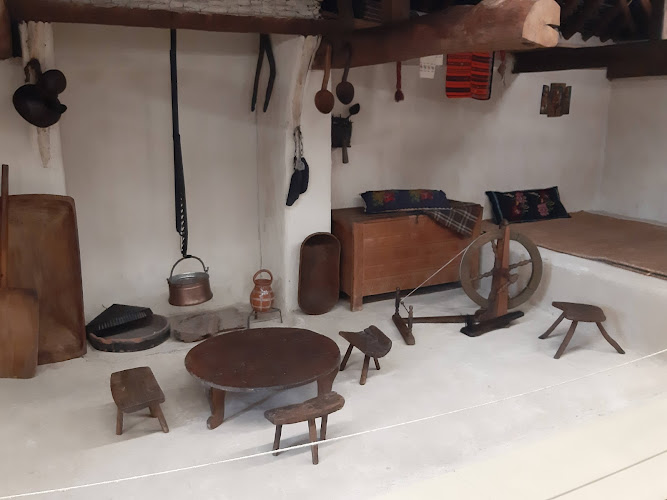
• Pleven Regional Historical Museum – Spanning 7,000 square meters across two floors, this cultural monument houses over 180,000 artifacts, making it one of Bulgaria’s largest and most comprehensive museums
• Kaylaka Park – A sprawling natural escape featuring artificial lakes, walking trails, and archaeological remains that provide perfect contrast to the city’s urban energy
• Central Pedestrian Zone – The heart of modern Pleven where locals gather for evening strolls, coffee, and people-watching – offering authentic glimpses into contemporary Bulgarian life
• St. Nicholas Church – An architectural gem showcasing traditional Bulgarian Orthodox design elements and religious art that spans several centuries
• Liberation Monument – Standing tall in the city center, this monument commemorates the Russian soldiers who died during the siege, surrounded by peaceful gardens perfect for reflection
• Archaeological sites – Scattered throughout the region, these lesser-known Roman and medieval ruins reward curious explorers with uncrowded historical discoveries
Best Time to Visit
Planning your Pleven adventure requires understanding Bulgaria’s continental climate, which can be pretty unforgiving if you time it wrong. Late spring through early fall – roughly May through September – offers the most comfortable weather for exploring outdoor sites and wandering the city’s extensive pedestrian areas.
But here’s where it gets interesting: winter visits to Pleven reveal a completely different character. The Pleven Panorama becomes even more atmospheric when snow blankets the surrounding landscape, creating an almost cinematic backdrop for your historical immersion. Plus, museum crowds disappear entirely, giving you practically private access to those 180,000 artifacts.
Summer can get surprisingly hot – we’re talking 35°C (95°F) on some July days – but the locals have mastered the art of afternoon siestas and evening socializing. If you visit during peak summer, embrace the Bulgarian rhythm: explore museums and indoor attractions during scorching afternoons, then join the evening promenade when temperatures cool and the city comes alive.
Spring brings wildflowers to Kaylaka Park and surrounding countryside, while autumn delivers stunning foliage that makes those walking trails absolutely magical. Honestly, October might be Pleven’s best-kept secret – warm days, cool evenings, and tourist numbers at their lowest.
Weather aside, consider local events when timing your visit. The city hosts various cultural festivals throughout the year, though they’re announced primarily in Bulgarian, so flexibility in your travel dates helps you stumble upon authentic celebrations.
How to Get There
Getting to Pleven requires a bit more effort than reaching Bulgaria’s coastal resorts, but that’s part of what keeps it authentically Bulgarian rather than internationalized beyond recognition. Sofia serves as your primary gateway, located about 160 kilometers south of Pleven – roughly a two-hour drive through countryside that’s actually quite scenic once you escape Sofia’s industrial outskirts.
Regular train service connects Sofia to Pleven, though Bulgarian trains operate on their own unique schedule concept. The journey takes approximately 3-4 hours, depending on connections, but offers comfortable seating and windows perfect for watching rural Bulgaria roll past. Train tickets cost significantly less than rental cars, though you’ll sacrifice flexibility for budget savings.
Bus connections from Sofia run more frequently than trains, with several daily departures that typically complete the journey in 2.5-3 hours. Bulgarian buses are generally reliable and comfortable, plus they drop you directly in Pleven’s center rather than at a potentially distant train station.
Rental cars provide maximum flexibility for exploring not just Pleven but surrounding historical sites scattered throughout the region. The drive from Sofia follows well-maintained highways, though signage switches between Cyrillic and Latin alphabet – sometimes mid-route – so GPS navigation becomes essential rather than optional.
International visitors typically fly into Sofia Airport, though some European flights serve nearby airports in Romania or Serbia. From Sofia Airport, you can rent a car immediately or take airport buses into Sofia city center to catch trains or buses to Pleven.
Tips for Visiting
Learning a few Cyrillic letters before arriving will transform your Pleven experience from confusing to manageable. Street signs, restaurant menus, and museum labels primarily use Cyrillic script, though younger locals often speak some English. Download offline translation apps since WiFi availability can be spotty outside major hotels and cafes.
Cash remains king in Pleven, despite Bulgaria’s EU membership. Many smaller restaurants, shops, and local attractions accept only Bulgarian lev, so exchange money before exploring or locate ATMs in the city center. Credit cards work at larger establishments, but don’t assume universal acceptance.
The Pleven Regional Historical Museum deserves at least half a day – seriously. Most visitors underestimate its scope and end up rushing through incredible collections that deserve careful examination. Plan accordingly and arrive early to avoid feeling overwhelmed by closing time pressures.
Local dining operates on Bulgarian schedules rather than international tourist expectations. Restaurants often close between lunch and dinner service, usually from 3-6 PM, so plan your meals around these breaks. Evening dining starts later than most Western European countries, with peak restaurant activity beginning around 8 PM.
Photography rules vary significantly between attractions. The Pleven Panorama allows photos in some areas but strictly prohibits them in others, while individual museums maintain their own policies. Always ask permission rather than assuming, as some guards take photography restrictions very seriously.
Public transportation within Pleven consists primarily of buses that serve local residents rather than tourists. Walking remains the most practical way to explore central Pleven, though comfortable shoes become essential given the city’s mix of cobblestone and modern pavement.
Weather can change rapidly, particularly during spring and fall transitions. Pack layers regardless of season, and always carry a light rain jacket – Bulgarian weather forecasts sometimes miss sudden afternoon thunderstorms that can soak unprepared visitors.
Restaurant portions in Pleven tend toward generous Bulgarian standards rather than delicate European presentations. Consider sharing dishes, especially traditional meat courses, unless you’re genuinely hungry enough for substantial portions that reflect local agricultural abundance.
Key Highlights
- Key Features
- Best Time to Visit
- How to Get There
- Tips for Visiting
Location
Places to Stay Near Pleven
Find and Book a Tour
Explore More Travel Guides
No reviews found! Be the first to review!
Traveler Reviews for Pleven
There are no reviews yet. Be the first one to write one.
Have you visited Pleven? Help other travelers by sharing your review.
You Might Also Like
Regional Historical Museum Pleven
Galaxy Bowling Club - Pleven

ж.к. Дружба II
Find Accommodations Nearby
Recommended Tours & Activities
Visitor Reviews
There are no reviews yet. Be the first one to write one.
Share Your Experience
Have you visited Pleven? Help other travelers by leaving a review.