
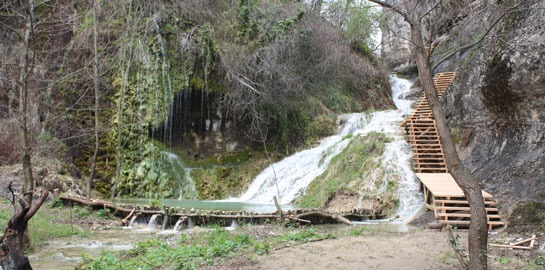
İncekaya Aqueduct
About İncekaya Aqueduct
Description
The İncekaya Aqueduct stands as one of Turkey's most remarkable engineering achievements, spanning the dramatic Tokatlı Canyon near the UNESCO World Heritage town of Safranbolu. This 18th-century Ottoman masterpiece reaches an impressive height of 200 feet while stretching nearly 400 feet across the rugged canyon walls, creating a scene that's honestly quite breathtaking when you first catch sight of it.
What makes this aqueduct particularly fascinating is its layered history - originally constructed during Byzantine times, it was beautifully restored in the 1790s by İzzet Mehmet Paşa, a grand vizier of the Ottoman Empire who happened to be born in Safranbolu. There's something rather poetic about a local boy making it big in the empire and then giving back to his hometown with such an enduring gift.
The name "İncekaya" translates to "thin rock" in Turkish, which perfectly captures the precarious yet elegant way this stone structure bridges the narrow canyon. And trust me, when you're standing below looking up at those massive arches, you'll understand why this place has become such a magnet for photographers and history enthusiasts alike.
Unlike many tourist attractions that can feel overcrowded, İncekaya offers visitors a chance to experience something genuinely special without fighting through massive crowds. The canyon setting provides natural acoustics that make even whispered conversations feel amplified, adding an almost mystical quality to your visit.
Key Features
The İncekaya Aqueduct offers several distinctive features that set it apart from other historical sites in Turkey:
- Impressive Scale: Standing 200 feet tall and spanning 400 feet across Tokatlı Canyon, making it one of the most substantial aqueducts in the region
- Multi-tiered Arches: The structure showcases classic Ottoman stonework with multiple levels of perfectly proportioned arches
- Canyon Walkways: Wooden pathways lead down into the canyon, providing spectacular upward views of the aqueduct's engineering
- Historical Significance: Represents both Byzantine origins and Ottoman restoration, telling centuries of architectural evolution
- Natural Integration: The aqueduct seamlessly blends with the canyon's natural rock formations and surrounding forest
- Photography Opportunities: Multiple vantage points offer unique perspectives, from canyon floor to rim-level views
- Meandering Stream: A gentle creek flows through the canyon below, adding movement and sound to the experience
- Accessibility for Families: The site welcomes children and provides gender-neutral facilities for visitor convenience
Best Time to Visit
Timing your visit to İncekaya Aqueduct can really make or break the experience, and I've learned this from talking to countless travelers who've been there at different seasons. Spring (April through May) emerges as the absolute sweet spot - the weather's mild, the surrounding vegetation is lush and green, and you'll have excellent lighting for photography without the harsh summer glare.
Summer months bring their own challenges. While the days are longer and the weather's predictably sunny, temperatures can climb uncomfortably high, especially when you're hiking down into the canyon where air circulation is limited. But if summer's your only option, plan to arrive early morning or late afternoon when the light is softer and temperatures more bearable.
Fall presents another excellent window, particularly September and October. The changing foliage adds warm colors to your photos, and the cooler temperatures make exploring much more comfortable. However, be prepared for occasional rain showers that can make the wooden canyon walkways slippery.
Winter visits aren't impossible, but they require more preparation. Snow can make access challenging, and the wooden pathways might be closed for safety reasons. That said, if you do manage a winter visit, the contrast between the dark stone arches and white snow creates some truly dramatic imagery.
Weekdays generally offer a more peaceful experience compared to weekends, when Turkish families and tour groups from Safranbolu tend to visit. Early morning visits (around 8-9 AM) provide the best combination of good lighting, fewer crowds, and comfortable temperatures regardless of season.
How to Get There
Getting to İncekaya Aqueduct requires a bit of planning, but it's definitely manageable and part of the adventure. The aqueduct sits approximately 7 kilometers north of Safranbolu, which serves as your base for this excursion.
If you're driving - and honestly, this is probably your best option - you'll take the road heading north from Safranbolu toward Kastamonu. The route is fairly well-marked, though you'll want to keep an eye out for the turnoff signs since they can be easy to miss if you're not paying attention. There's a small parking area near the aqueduct, though it fills up quickly during peak visiting times.
For those relying on public transportation, your options become more limited. You can catch a dolmuş (shared minibus) from Safranbolu heading toward nearby villages, but you'll likely need to walk the final stretch. This isn't necessarily a bad thing - the walk through the countryside gives you time to appreciate the rural Turkish landscape and work up an appetite for the experience ahead.
Some visitors choose to book a local taxi from Safranbolu, which works well if you're planning to spend a couple hours exploring. Just make sure to arrange a return trip, as finding transportation back can be challenging if you haven't planned ahead.
The access road can be somewhat rough in places, particularly after heavy rains. If you're driving a rental car, take your time and don't feel pressured to rush. The final approach to the parking area involves a bit of a descent, so keep that in mind when you're heading back uphill later.
Tips for Visiting
Bring sturdy, comfortable shoes with good grip - this cannot be overstated. The wooden walkways in the canyon can become slippery, especially in the morning when there's dew or after any moisture. I've seen too many people struggling in inappropriate footwear, and it really detracts from what should be an enjoyable experience.
Pack more water than you think you'll need. The combination of walking, potentially warm weather, and the dry air can leave you surprisingly dehydrated. There aren't any facilities to buy refreshments once you're there, so come prepared.
Photography enthusiasts should consider bringing a polarizing filter to cut down on glare from the stone surfaces and enhance the contrast between the aqueduct and sky. The lighting can be quite dramatic, but it can also be challenging to capture properly without the right equipment.
Don't attempt to cross the aqueduct itself - it's not safe, and local authorities have restricted access for good reason. The best views are actually from the canyon floor looking up anyway, so you're not missing anything by staying on the designated paths.
If you're visiting with children, keep a close eye on them near the canyon edges. While the site is family-friendly, the natural terrain requires supervision and common sense safety precautions.
Consider combining your visit with other nearby attractions. The drive to İncekaya takes you through some beautiful countryside, and there are several other historical sites and natural areas within reasonable distance that can make for a full day of exploration.
Check weather conditions before heading out, particularly during winter months or rainy seasons. The access road can become difficult, and the experience is significantly less enjoyable in poor weather conditions.
Finally, take time to simply sit and absorb the atmosphere. This isn't just another tourist photo opportunity - it's a place where centuries of history converge with natural beauty. The best part of visiting İncekaya often happens when you stop rushing around trying to see everything and just allow yourself to appreciate where you are.
Key Features
- Key Features
- Best Time to Visit
- How to Get There
- Tips for Visiting
More Details
Updated September 14, 2025
Table of Contents
Description
The İncekaya Aqueduct stands as one of Turkey’s most remarkable engineering achievements, spanning the dramatic Tokatlı Canyon near the UNESCO World Heritage town of Safranbolu. This 18th-century Ottoman masterpiece reaches an impressive height of 200 feet while stretching nearly 400 feet across the rugged canyon walls, creating a scene that’s honestly quite breathtaking when you first catch sight of it.
What makes this aqueduct particularly fascinating is its layered history – originally constructed during Byzantine times, it was beautifully restored in the 1790s by İzzet Mehmet Paşa, a grand vizier of the Ottoman Empire who happened to be born in Safranbolu. There’s something rather poetic about a local boy making it big in the empire and then giving back to his hometown with such an enduring gift.
The name “İncekaya” translates to “thin rock” in Turkish, which perfectly captures the precarious yet elegant way this stone structure bridges the narrow canyon. And trust me, when you’re standing below looking up at those massive arches, you’ll understand why this place has become such a magnet for photographers and history enthusiasts alike.
Unlike many tourist attractions that can feel overcrowded, İncekaya offers visitors a chance to experience something genuinely special without fighting through massive crowds. The canyon setting provides natural acoustics that make even whispered conversations feel amplified, adding an almost mystical quality to your visit.
Key Features
The İncekaya Aqueduct offers several distinctive features that set it apart from other historical sites in Turkey:
- Impressive Scale: Standing 200 feet tall and spanning 400 feet across Tokatlı Canyon, making it one of the most substantial aqueducts in the region
- Multi-tiered Arches: The structure showcases classic Ottoman stonework with multiple levels of perfectly proportioned arches
- Canyon Walkways: Wooden pathways lead down into the canyon, providing spectacular upward views of the aqueduct’s engineering
- Historical Significance: Represents both Byzantine origins and Ottoman restoration, telling centuries of architectural evolution
- Natural Integration: The aqueduct seamlessly blends with the canyon’s natural rock formations and surrounding forest
- Photography Opportunities: Multiple vantage points offer unique perspectives, from canyon floor to rim-level views
- Meandering Stream: A gentle creek flows through the canyon below, adding movement and sound to the experience
- Accessibility for Families: The site welcomes children and provides gender-neutral facilities for visitor convenience
Best Time to Visit
Timing your visit to İncekaya Aqueduct can really make or break the experience, and I’ve learned this from talking to countless travelers who’ve been there at different seasons. Spring (April through May) emerges as the absolute sweet spot – the weather’s mild, the surrounding vegetation is lush and green, and you’ll have excellent lighting for photography without the harsh summer glare.
Summer months bring their own challenges. While the days are longer and the weather’s predictably sunny, temperatures can climb uncomfortably high, especially when you’re hiking down into the canyon where air circulation is limited. But if summer’s your only option, plan to arrive early morning or late afternoon when the light is softer and temperatures more bearable.
Fall presents another excellent window, particularly September and October. The changing foliage adds warm colors to your photos, and the cooler temperatures make exploring much more comfortable. However, be prepared for occasional rain showers that can make the wooden canyon walkways slippery.
Winter visits aren’t impossible, but they require more preparation. Snow can make access challenging, and the wooden pathways might be closed for safety reasons. That said, if you do manage a winter visit, the contrast between the dark stone arches and white snow creates some truly dramatic imagery.
Weekdays generally offer a more peaceful experience compared to weekends, when Turkish families and tour groups from Safranbolu tend to visit. Early morning visits (around 8-9 AM) provide the best combination of good lighting, fewer crowds, and comfortable temperatures regardless of season.
How to Get There
Getting to İncekaya Aqueduct requires a bit of planning, but it’s definitely manageable and part of the adventure. The aqueduct sits approximately 7 kilometers north of Safranbolu, which serves as your base for this excursion.
If you’re driving – and honestly, this is probably your best option – you’ll take the road heading north from Safranbolu toward Kastamonu. The route is fairly well-marked, though you’ll want to keep an eye out for the turnoff signs since they can be easy to miss if you’re not paying attention. There’s a small parking area near the aqueduct, though it fills up quickly during peak visiting times.
For those relying on public transportation, your options become more limited. You can catch a dolmuş (shared minibus) from Safranbolu heading toward nearby villages, but you’ll likely need to walk the final stretch. This isn’t necessarily a bad thing – the walk through the countryside gives you time to appreciate the rural Turkish landscape and work up an appetite for the experience ahead.
Some visitors choose to book a local taxi from Safranbolu, which works well if you’re planning to spend a couple hours exploring. Just make sure to arrange a return trip, as finding transportation back can be challenging if you haven’t planned ahead.
The access road can be somewhat rough in places, particularly after heavy rains. If you’re driving a rental car, take your time and don’t feel pressured to rush. The final approach to the parking area involves a bit of a descent, so keep that in mind when you’re heading back uphill later.
Tips for Visiting
Bring sturdy, comfortable shoes with good grip – this cannot be overstated. The wooden walkways in the canyon can become slippery, especially in the morning when there’s dew or after any moisture. I’ve seen too many people struggling in inappropriate footwear, and it really detracts from what should be an enjoyable experience.
Pack more water than you think you’ll need. The combination of walking, potentially warm weather, and the dry air can leave you surprisingly dehydrated. There aren’t any facilities to buy refreshments once you’re there, so come prepared.
Photography enthusiasts should consider bringing a polarizing filter to cut down on glare from the stone surfaces and enhance the contrast between the aqueduct and sky. The lighting can be quite dramatic, but it can also be challenging to capture properly without the right equipment.
Don’t attempt to cross the aqueduct itself – it’s not safe, and local authorities have restricted access for good reason. The best views are actually from the canyon floor looking up anyway, so you’re not missing anything by staying on the designated paths.
If you’re visiting with children, keep a close eye on them near the canyon edges. While the site is family-friendly, the natural terrain requires supervision and common sense safety precautions.
Consider combining your visit with other nearby attractions. The drive to İncekaya takes you through some beautiful countryside, and there are several other historical sites and natural areas within reasonable distance that can make for a full day of exploration.
Check weather conditions before heading out, particularly during winter months or rainy seasons. The access road can become difficult, and the experience is significantly less enjoyable in poor weather conditions.
Finally, take time to simply sit and absorb the atmosphere. This isn’t just another tourist photo opportunity – it’s a place where centuries of history converge with natural beauty. The best part of visiting İncekaya often happens when you stop rushing around trying to see everything and just allow yourself to appreciate where you are.
Key Highlights
- Key Features
- Best Time to Visit
- How to Get There
- Tips for Visiting
Location
Places to Stay Near İncekaya Aqueduct
Find and Book a Tour
Explore More Travel Guides
No reviews found! Be the first to review!
Traveler Reviews for İncekaya Aqueduct
There are no reviews yet. Be the first one to write one.
Have you visited İncekaya Aqueduct? Help other travelers by sharing your review.
You Might Also Like
Ancient Alexandria (Çankaya)

Tuzla Municipality Water Falls Education Park
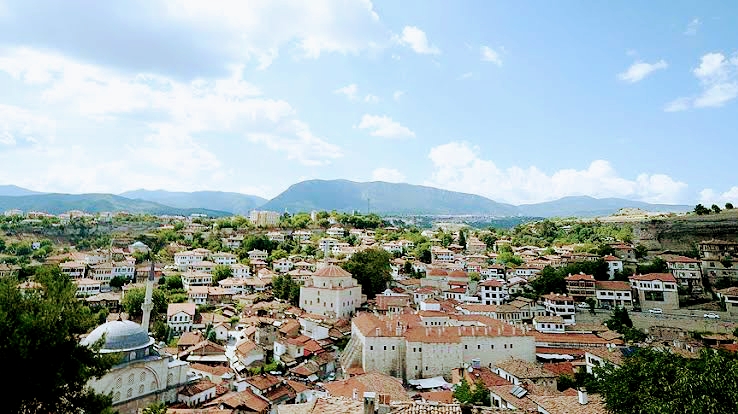
Old Safranbolu Bazaar
Find Accommodations Nearby
Recommended Tours & Activities
Visitor Reviews
There are no reviews yet. Be the first one to write one.
Share Your Experience
Have you visited İncekaya Aqueduct? Help other travelers by leaving a review.