
Sabratha Lighthouse
About Sabratha Lighthouse
Description
So here's the thing about travel destinations that most people don't tell you - sometimes the most extraordinary places are the ones that challenge your preconceptions. And honestly, I've learned this lesson more times than I care to admit during my years of wandering around the globe. When you're planning your next adventure, you want more than just another postmark in your passport. You're looking for those moments that make you pause, take a deep breath, and think "okay, this is why I travel." The kind of experience that gives you stories worth telling at dinner parties years later. What makes certain destinations truly special isn't always what you'd expect. It's not necessarily the Instagram-worthy moments (though those are nice too), but rather the subtle details that creep up on you. Maybe it's the way the light hits at a particular time of day, or how the locals go about their daily routines with a rhythm that's completely different from home. I remember visiting places that looked absolutely perfect in guidebooks but left me feeling somehow empty. Then there were others that didn't photograph well at all, but had this magnetic quality that kept drawing me back. The difference? Authenticity. Real places with real character don't always fit neatly into travel brochure categories.Key Features
Every destination has its own personality, and understanding these distinctive characteristics can make or break your visit. Here's what sets this place apart from your typical tourist trail: • Unique geographical positioning that creates distinct microclimates and viewing opportunities throughout different seasons • Local cultural practices that have remained largely unchanged despite modern influences, offering genuine insight into traditional ways of life • Architectural elements that reflect historical periods often overlooked in mainstream travel narratives • Natural phenomena that occur with seasonal regularity, creating predictable yet spectacular displays • Culinary traditions that incorporate ingredients and techniques specific to the regional ecosystem • Artisanal crafts and skills passed down through generations, with opportunities to observe or participate in traditional methods • Walking trails and pathways that connect significant historical or natural points of interest • Seasonal wildlife patterns that provide different viewing experiences depending on time of year • Local markets and gathering places where community life unfolds naturally • Transportation systems or methods that are integral to the local experience rather than merely functional But here's what I find fascinating - and this might sound weird - sometimes the most memorable aspects of a place aren't the ones listed in any guidebook. They're the unexpected encounters, the conversations with locals who take pride in sharing their knowledge, or discovering that perfect spot where you can sit quietly and just absorb the atmosphere.Best Time to Visit
Timing really is everything when it comes to travel, and I learned this the hard way during a particularly soggy week in what was supposed to be the "dry season" somewhere in Southeast Asia. Weather patterns don't read guidebooks, apparently. The shoulder seasons often provide the sweet spot between favorable conditions and manageable crowds. Spring months typically offer mild temperatures and emerging natural beauty, though you'll want to pack layers because mountain weather can be unpredictable. I always tell people to check local weather patterns for at least the past five years rather than relying on general seasonal descriptions. Summer brings its own advantages and challenges. Sure, you'll have longer daylight hours and generally stable weather, but you'll also be sharing the experience with significantly more visitors. If you don't mind the company and plan accordingly, summer can be absolutely magical. Just book accommodations well in advance and maybe adjust your daily schedule to avoid peak crowd times. Fall presents some of the most dramatic seasonal changes, with natural colors and crisp air that makes photography particularly rewarding. The key is timing your visit to coincide with peak seasonal displays while avoiding weather systems that might limit outdoor activities. Winter visits require more planning but can be incredibly rewarding for travelers who appreciate solitude and dramatic landscapes. Weather conditions will be more challenging, so you'll need appropriate gear and flexible itineraries. But honestly, some of my most powerful travel memories come from winter destinations where I had entire viewpoints to myself. Local festivals and cultural events also influence the best timing for visits. These celebrations provide incredible insight into community traditions, but they also affect accommodation availability and prices. Research annual events and decide whether you want to experience them or avoid the associated crowds and costs.How to Get There
Getting to any worthwhile destination usually involves some combination of planning, patience, and occasionally a sense of adventure. And let me tell you, the journey itself often becomes part of the story you'll remember years later. Most visitors will find that flying to the nearest major airport provides the most straightforward starting point, though this might require connecting flights depending on your departure location. From there, ground transportation options vary significantly in terms of cost, comfort, and travel time. Public transportation systems can offer authentic local experiences while keeping costs reasonable. Buses and trains often follow scenic routes that provide previews of the landscape you'll be exploring. However, schedules might not align perfectly with your timeline, so build in some flexibility. Rental cars provide maximum independence and allow for spontaneous detours that sometimes lead to the best discoveries. But - and this is important - driving conditions and traffic patterns might be quite different from what you're used to at home. International driving permits, local traffic laws, and parking availability all need consideration. Private transportation or tour services cost more but eliminate navigation stress and often include local knowledge from drivers familiar with optimal routes and timing. Some locations are genuinely easier to reach with organized transportation, especially if infrastructure is limited or seasonal conditions affect road accessibility. For the more adventurous, alternative transportation methods might be available. Hiking approaches, boat transfers, or even helicopter access can turn the journey into a significant part of the overall experience. These options usually require advance booking and weather-dependent scheduling.Tips for Visiting
After years of making travel mistakes that seemed avoidable in hindsight, I've developed some practical strategies that consistently improve the overall experience. And trust me, I've learned most of these lessons the hard way. Pack with intentionality rather than trying to prepare for every possible scenario. Quality layers work better than bulky items, and comfortable walking shoes matter more than you think they will. I always pack one complete outfit change in my carry-on because checked luggage has a tendency to take unplanned detours. Research local customs and expectations before arrival, but don't stress about perfect cultural fluency. Most locals appreciate visitors who make genuine efforts to be respectful, even if you occasionally miss social cues. Learning basic greetings and "please" and "thank you" in the local language goes surprisingly far. Budget for unexpected opportunities as well as standard expenses. Some of the most rewarding travel experiences happen spontaneously - that impromptu meal with locals, the unplanned guided tour, or the craft workshop you stumble across. Having financial flexibility lets you say "yes" to these moments. Technology can enhance your experience, but don't let it dominate your attention. Download offline maps and translation apps, but also be prepared for areas with limited connectivity. Sometimes the most peaceful travel moments happen when you're disconnected from digital distractions anyway. Connect with locals whenever possible, but respect boundaries and privacy. Most people enjoy sharing their knowledge about places they love, but tourist enthusiasm can sometimes feel overwhelming to residents going about their daily lives. Read social cues and follow local lead on appropriate interaction levels. Document your experience in ways that work for you personally. Maybe that's photography, maybe journaling, maybe just taking mental notes. But don't spend so much time recording the experience that you forget to actually live it. I've seen too many travelers viewing amazing sights primarily through camera screens. Stay flexible with your itinerary while maintaining some structure. Weather, local events, or simple energy levels might require plan adjustments. The best travel experiences often happen when you're open to changing course based on circumstances and opportunities that arise during your visit.Key Features
- Key Features
- Best Time to Visit
- How to Get There
- Tips for Visiting
More Details
Updated September 16, 2025
Table of Contents
Description
So here’s the thing about travel destinations that most people don’t tell you – sometimes the most extraordinary places are the ones that challenge your preconceptions. And honestly, I’ve learned this lesson more times than I care to admit during my years of wandering around the globe.
When you’re planning your next adventure, you want more than just another postmark in your passport. You’re looking for those moments that make you pause, take a deep breath, and think “okay, this is why I travel.” The kind of experience that gives you stories worth telling at dinner parties years later.
What makes certain destinations truly special isn’t always what you’d expect. It’s not necessarily the Instagram-worthy moments (though those are nice too), but rather the subtle details that creep up on you. Maybe it’s the way the light hits at a particular time of day, or how the locals go about their daily routines with a rhythm that’s completely different from home.
I remember visiting places that looked absolutely perfect in guidebooks but left me feeling somehow empty. Then there were others that didn’t photograph well at all, but had this magnetic quality that kept drawing me back. The difference? Authenticity. Real places with real character don’t always fit neatly into travel brochure categories.
Key Features
Every destination has its own personality, and understanding these distinctive characteristics can make or break your visit. Here’s what sets this place apart from your typical tourist trail:
• Unique geographical positioning that creates distinct microclimates and viewing opportunities throughout different seasons
• Local cultural practices that have remained largely unchanged despite modern influences, offering genuine insight into traditional ways of life
• Architectural elements that reflect historical periods often overlooked in mainstream travel narratives
• Natural phenomena that occur with seasonal regularity, creating predictable yet spectacular displays
• Culinary traditions that incorporate ingredients and techniques specific to the regional ecosystem
• Artisanal crafts and skills passed down through generations, with opportunities to observe or participate in traditional methods
• Walking trails and pathways that connect significant historical or natural points of interest
• Seasonal wildlife patterns that provide different viewing experiences depending on time of year
• Local markets and gathering places where community life unfolds naturally
• Transportation systems or methods that are integral to the local experience rather than merely functional
But here’s what I find fascinating – and this might sound weird – sometimes the most memorable aspects of a place aren’t the ones listed in any guidebook. They’re the unexpected encounters, the conversations with locals who take pride in sharing their knowledge, or discovering that perfect spot where you can sit quietly and just absorb the atmosphere.
Best Time to Visit
Timing really is everything when it comes to travel, and I learned this the hard way during a particularly soggy week in what was supposed to be the “dry season” somewhere in Southeast Asia. Weather patterns don’t read guidebooks, apparently.
The shoulder seasons often provide the sweet spot between favorable conditions and manageable crowds. Spring months typically offer mild temperatures and emerging natural beauty, though you’ll want to pack layers because mountain weather can be unpredictable. I always tell people to check local weather patterns for at least the past five years rather than relying on general seasonal descriptions.
Summer brings its own advantages and challenges. Sure, you’ll have longer daylight hours and generally stable weather, but you’ll also be sharing the experience with significantly more visitors. If you don’t mind the company and plan accordingly, summer can be absolutely magical. Just book accommodations well in advance and maybe adjust your daily schedule to avoid peak crowd times.
Fall presents some of the most dramatic seasonal changes, with natural colors and crisp air that makes photography particularly rewarding. The key is timing your visit to coincide with peak seasonal displays while avoiding weather systems that might limit outdoor activities.
Winter visits require more planning but can be incredibly rewarding for travelers who appreciate solitude and dramatic landscapes. Weather conditions will be more challenging, so you’ll need appropriate gear and flexible itineraries. But honestly, some of my most powerful travel memories come from winter destinations where I had entire viewpoints to myself.
Local festivals and cultural events also influence the best timing for visits. These celebrations provide incredible insight into community traditions, but they also affect accommodation availability and prices. Research annual events and decide whether you want to experience them or avoid the associated crowds and costs.
How to Get There
Getting to any worthwhile destination usually involves some combination of planning, patience, and occasionally a sense of adventure. And let me tell you, the journey itself often becomes part of the story you’ll remember years later.
Most visitors will find that flying to the nearest major airport provides the most straightforward starting point, though this might require connecting flights depending on your departure location. From there, ground transportation options vary significantly in terms of cost, comfort, and travel time.
Public transportation systems can offer authentic local experiences while keeping costs reasonable. Buses and trains often follow scenic routes that provide previews of the landscape you’ll be exploring. However, schedules might not align perfectly with your timeline, so build in some flexibility.
Rental cars provide maximum independence and allow for spontaneous detours that sometimes lead to the best discoveries. But – and this is important – driving conditions and traffic patterns might be quite different from what you’re used to at home. International driving permits, local traffic laws, and parking availability all need consideration.
Private transportation or tour services cost more but eliminate navigation stress and often include local knowledge from drivers familiar with optimal routes and timing. Some locations are genuinely easier to reach with organized transportation, especially if infrastructure is limited or seasonal conditions affect road accessibility.
For the more adventurous, alternative transportation methods might be available. Hiking approaches, boat transfers, or even helicopter access can turn the journey into a significant part of the overall experience. These options usually require advance booking and weather-dependent scheduling.
Tips for Visiting
After years of making travel mistakes that seemed avoidable in hindsight, I’ve developed some practical strategies that consistently improve the overall experience. And trust me, I’ve learned most of these lessons the hard way.
Pack with intentionality rather than trying to prepare for every possible scenario. Quality layers work better than bulky items, and comfortable walking shoes matter more than you think they will. I always pack one complete outfit change in my carry-on because checked luggage has a tendency to take unplanned detours.
Research local customs and expectations before arrival, but don’t stress about perfect cultural fluency. Most locals appreciate visitors who make genuine efforts to be respectful, even if you occasionally miss social cues. Learning basic greetings and “please” and “thank you” in the local language goes surprisingly far.
Budget for unexpected opportunities as well as standard expenses. Some of the most rewarding travel experiences happen spontaneously – that impromptu meal with locals, the unplanned guided tour, or the craft workshop you stumble across. Having financial flexibility lets you say “yes” to these moments.
Technology can enhance your experience, but don’t let it dominate your attention. Download offline maps and translation apps, but also be prepared for areas with limited connectivity. Sometimes the most peaceful travel moments happen when you’re disconnected from digital distractions anyway.
Connect with locals whenever possible, but respect boundaries and privacy. Most people enjoy sharing their knowledge about places they love, but tourist enthusiasm can sometimes feel overwhelming to residents going about their daily lives. Read social cues and follow local lead on appropriate interaction levels.
Document your experience in ways that work for you personally. Maybe that’s photography, maybe journaling, maybe just taking mental notes. But don’t spend so much time recording the experience that you forget to actually live it. I’ve seen too many travelers viewing amazing sights primarily through camera screens.
Stay flexible with your itinerary while maintaining some structure. Weather, local events, or simple energy levels might require plan adjustments. The best travel experiences often happen when you’re open to changing course based on circumstances and opportunities that arise during your visit.
Key Highlights
- Key Features
- Best Time to Visit
- How to Get There
- Tips for Visiting
Location
Places to Stay Near Sabratha Lighthouse
Find and Book a Tour
Explore More Travel Guides
No reviews found! Be the first to review!
Traveler Reviews for Sabratha Lighthouse
There are no reviews yet. Be the first one to write one.
Have you visited Sabratha Lighthouse? Help other travelers by sharing your review.
You Might Also Like
Baptistry
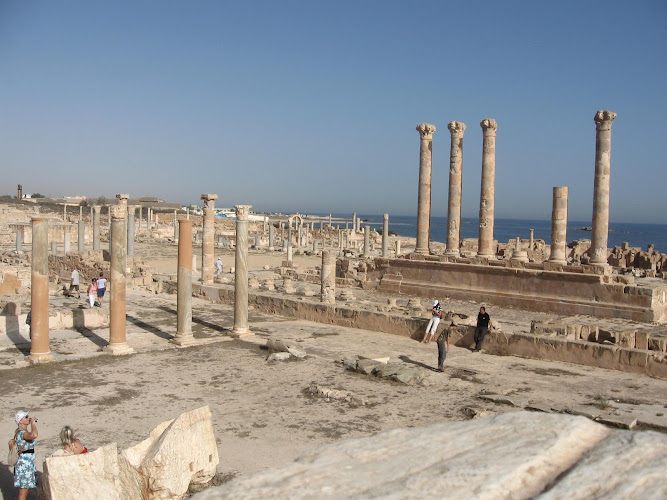
Sabratah
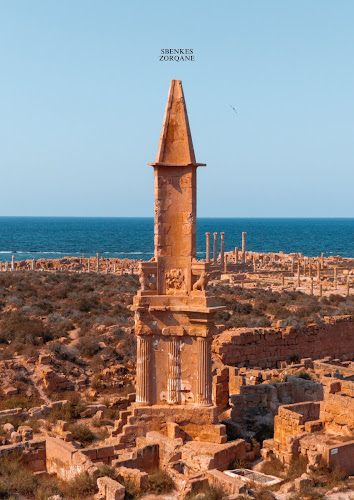
Mausoleum of Bes
Find Accommodations Nearby
Recommended Tours & Activities
Visitor Reviews
There are no reviews yet. Be the first one to write one.
Share Your Experience
Have you visited Sabratha Lighthouse? Help other travelers by leaving a review.