
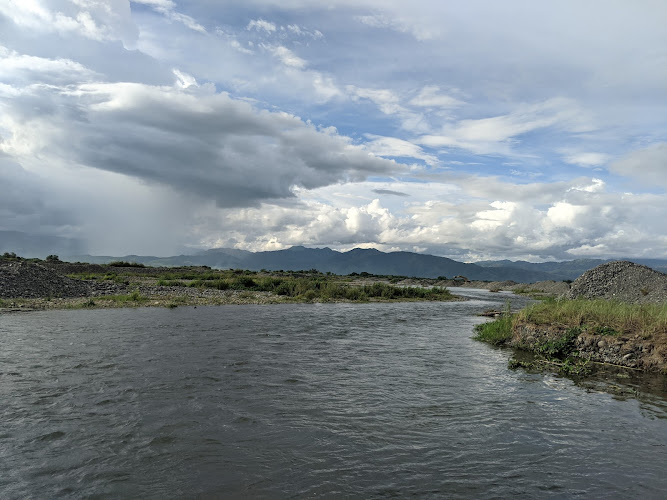
Agno river recreation
About Agno river recreation
Description
The Agno River offers travelers an authentic slice of Philippine natural beauty that most tourists completely overlook. And honestly? That's part of what makes it so special. This waterway winds through Pangasinan province, creating pockets of tranquil recreation spots where you can actually hear yourself think – something that's becoming increasingly rare in our hyperconnected world.
What struck me most during my first visit was how the river maintains this perfect balance between accessibility and wilderness. You're not dealing with crowds of selfie-stick wielding tourists here, but you're also not embarking on some grueling expedition that requires a sherpa and three weeks of preparation. It's that sweet spot where adventure meets relaxation.
The river system spans approximately 206 kilometers, making it one of Luzon's significant waterways, though most recreational activities concentrate around specific accessible sections. Local communities have developed a genuine appreciation for sustainable tourism here, which means you'll encounter authentic Filipino hospitality without the commercialized feel that plagues many other destinations.
Families particularly gravitate toward the Agno River because it provides that rare combination of outdoor adventure and safety that parents desperately seek. The gentle current in most recreational areas means kids can enjoy water activities without parents having minor heart attacks every five minutes. But don't mistake "family-friendly" for "boring" – there's plenty here to keep adrenaline seekers satisfied too.
Key Features
The Agno River recreation area delivers experiences that you simply can't replicate in Manila's concrete jungle or even in more touristy beach destinations. Here's what makes this place genuinely worth the journey:
- Crystal-clear swimming holes that locals have kept secret for decades, with natural rock formations creating perfect diving spots for the adventurous
- Bamboo rafting opportunities that let you drift downstream while spotting native bird species and getting that Instagram shot without looking like you're trying too hard
- Riverside camping areas where you can actually see stars at night – remember those? They still exist outside the city
- Traditional fishing experiences with local guides who'll teach you techniques passed down through generations, assuming you're patient enough to learn
- Natural hot springs scattered along certain sections, perfect for soaking tired muscles after a day of river activities
- Kayaking routes ranging from beginner-friendly stretches to more challenging rapids that'll test your coordination and possibly your vocabulary
- Bird watching opportunities featuring over 40 documented species, including some migratory birds that treat this area as their seasonal vacation spot
- Photography locations with limestone karst formations and tropical vegetation that create natural frames for your shots
- Local food experiences featuring freshwater fish preparations that'll make you question why you've been paying premium prices for seafood in the city
Best Time to Visit
Timing your Agno River adventure can make the difference between an unforgettable experience and a soggy disappointment. I learned this the hard way during my first attempt, when I showed up right in the middle of monsoon season and spent more time sheltering from rain than actually enjoying the river.
The optimal window runs from November through April, coinciding with the Philippines' dry season. During these months, you'll encounter water levels that are perfect for most recreational activities – not too shallow for rafting, not too turbulent for swimming. The weather tends to cooperate, with sunny days and minimal rainfall that won't derail your outdoor plans.
December through February represents the absolute peak period, when temperatures hover in that comfortable range where you can spend hours in the water without turning into a human popsicle. But here's the thing – this is also when Filipino families take their vacations, so popular spots can get busier than usual. If you're seeking solitude, consider visiting during weekdays or shoulder months.
March and April offer excellent conditions with fewer crowds, though temperatures start climbing as you approach summer. The upside? Water activities become even more appealing when you're dealing with tropical heat. Just pack extra sunscreen and hydration supplies.
Avoid the wet season (May through October) unless you enjoy unpredictable weather and potentially dangerous water conditions. River levels can rise dramatically during heavy rains, turning gentle currents into serious hazards. Local operators typically suspend activities during typhoon warnings, so you might end up with a very expensive hotel stay and no actual river recreation.
How to Get There
Getting to the Agno River requires some planning, but it's not nearly as complicated as some travel blogs make it sound. The journey itself becomes part of the adventure, especially if you approach it with the right mindset and realistic expectations about Philippine transportation infrastructure.
Most travelers start from Manila, which puts you roughly 4-5 hours away by road depending on traffic conditions and your chosen route. The most straightforward approach involves taking EDSA to NLEX, then connecting to SCTEX and eventually TPLEX. This highway system gets you most of the way there in air-conditioned comfort, assuming your vehicle's cooling system can handle the tropical climate.
Bus transportation offers a budget-friendly alternative through companies like Five Star Bus or Dagupan Bus, with regular departures from Cubao or Pasay terminals. The ride takes longer than driving yourself – expect 5-6 hours – but you can sleep, read, or catch up on Netflix downloads instead of fighting Metro Manila traffic.
Once you reach Pangasinan proper, local transportation options include jeepneys, tricycles, and habal-habal motorcycles depending on your final destination along the river. This is where having a local contact becomes invaluable, as they can arrange pickup services and navigate the sometimes confusing network of barangay roads.
Flying into Clark Airport provides another option, particularly for international visitors or those coming from other Philippine islands. From Clark, you're looking at approximately 2-3 hours by road to reach Agno River recreation areas, which can be more convenient than dealing with NAIA's chaos and Manila's traffic.
Some tour operators offer complete transportation packages from major cities, which eliminates the logistical headaches but costs significantly more than independent travel. If you're traveling with a group or prefer hassle-free arrangements, these packages can be worth the premium.
Tips for Visiting
After multiple trips to the Agno River and learning from various mistakes (some more embarrassing than others), here are the practical insights that'll help you maximize your experience while avoiding common pitfalls that plague first-time visitors.
Pack appropriate footwear – and I mean actually appropriate, not those flimsy flip-flops you bought at the airport. River rocks can be slippery and sharp, so water shoes or sturdy sandals with good grip will save your feet and possibly prevent some spectacular falls that nobody wants documented on social media.
Bring cash in small denominations. Most local operators, food vendors, and transportation providers don't accept credit cards or large bills. Having plenty of 20, 50, and 100 peso notes makes transactions smoother and prevents awkward negotiations about change.
Waterproof storage solutions are non-negotiable. Dry bags or waterproof phone cases protect your electronics, documents, and other essentials from unexpected splashes or sudden weather changes. Trust me, replacing a waterlogged phone in rural Pangasinan is more complicated than you'd expect.
Coordinate with local guides through reputable contacts rather than relying on random strangers who approach you at arrival points. Established operators have insurance, proper equipment, and knowledge about current river conditions that freelance guides might lack.
Plan your food strategy in advance. While local eateries serve authentic and delicious meals, options can be limited compared to urban areas. Bringing some snacks and plenty of water ensures you won't get hangry when the nearest restaurant is a tricycle ride away.
Respect local customs and environmental guidelines. The communities along the Agno River have maintained their natural resources through careful stewardship, and they expect visitors to follow established rules about waste disposal, fishing areas, and cultural sensitivities.
Check weather conditions obsessively in the days leading up to your visit. River conditions can change rapidly during rainy periods, and it's better to reschedule than risk safety for the sake of sticking to original plans. Local operators usually provide updates about accessibility and activity availability.
Consider staying overnight in the area rather than attempting a rushed day trip. The river reveals different moods at various times of day, and sunrise or sunset experiences often provide the most memorable moments of any visit.
Key Features
- Wide riverbanks with shallow swimming areas suitable for families
- Scenic spots for photography and golden-hour sunsets
- Local vendors and simple picnic/food options nearby
- Opportunities for short boat rides and observing riverine life
- Close access to town amenities in Tayug for convenience
More Details
Updated September 17, 2025
Table of Contents
Description
The Agno River offers travelers an authentic slice of Philippine natural beauty that most tourists completely overlook. And honestly? That’s part of what makes it so special. This waterway winds through Pangasinan province, creating pockets of tranquil recreation spots where you can actually hear yourself think – something that’s becoming increasingly rare in our hyperconnected world.
What struck me most during my first visit was how the river maintains this perfect balance between accessibility and wilderness. You’re not dealing with crowds of selfie-stick wielding tourists here, but you’re also not embarking on some grueling expedition that requires a sherpa and three weeks of preparation. It’s that sweet spot where adventure meets relaxation.
The river system spans approximately 206 kilometers, making it one of Luzon’s significant waterways, though most recreational activities concentrate around specific accessible sections. Local communities have developed a genuine appreciation for sustainable tourism here, which means you’ll encounter authentic Filipino hospitality without the commercialized feel that plagues many other destinations.
Families particularly gravitate toward the Agno River because it provides that rare combination of outdoor adventure and safety that parents desperately seek. The gentle current in most recreational areas means kids can enjoy water activities without parents having minor heart attacks every five minutes. But don’t mistake “family-friendly” for “boring” – there’s plenty here to keep adrenaline seekers satisfied too.
Key Features
The Agno River recreation area delivers experiences that you simply can’t replicate in Manila’s concrete jungle or even in more touristy beach destinations. Here’s what makes this place genuinely worth the journey:
- Crystal-clear swimming holes that locals have kept secret for decades, with natural rock formations creating perfect diving spots for the adventurous
- Bamboo rafting opportunities that let you drift downstream while spotting native bird species and getting that Instagram shot without looking like you’re trying too hard
- Riverside camping areas where you can actually see stars at night – remember those? They still exist outside the city
- Traditional fishing experiences with local guides who’ll teach you techniques passed down through generations, assuming you’re patient enough to learn
- Natural hot springs scattered along certain sections, perfect for soaking tired muscles after a day of river activities
- Kayaking routes ranging from beginner-friendly stretches to more challenging rapids that’ll test your coordination and possibly your vocabulary
- Bird watching opportunities featuring over 40 documented species, including some migratory birds that treat this area as their seasonal vacation spot
- Photography locations with limestone karst formations and tropical vegetation that create natural frames for your shots
- Local food experiences featuring freshwater fish preparations that’ll make you question why you’ve been paying premium prices for seafood in the city
Best Time to Visit
Timing your Agno River adventure can make the difference between an unforgettable experience and a soggy disappointment. I learned this the hard way during my first attempt, when I showed up right in the middle of monsoon season and spent more time sheltering from rain than actually enjoying the river.
The optimal window runs from November through April, coinciding with the Philippines’ dry season. During these months, you’ll encounter water levels that are perfect for most recreational activities – not too shallow for rafting, not too turbulent for swimming. The weather tends to cooperate, with sunny days and minimal rainfall that won’t derail your outdoor plans.
December through February represents the absolute peak period, when temperatures hover in that comfortable range where you can spend hours in the water without turning into a human popsicle. But here’s the thing – this is also when Filipino families take their vacations, so popular spots can get busier than usual. If you’re seeking solitude, consider visiting during weekdays or shoulder months.
March and April offer excellent conditions with fewer crowds, though temperatures start climbing as you approach summer. The upside? Water activities become even more appealing when you’re dealing with tropical heat. Just pack extra sunscreen and hydration supplies.
Avoid the wet season (May through October) unless you enjoy unpredictable weather and potentially dangerous water conditions. River levels can rise dramatically during heavy rains, turning gentle currents into serious hazards. Local operators typically suspend activities during typhoon warnings, so you might end up with a very expensive hotel stay and no actual river recreation.
How to Get There
Getting to the Agno River requires some planning, but it’s not nearly as complicated as some travel blogs make it sound. The journey itself becomes part of the adventure, especially if you approach it with the right mindset and realistic expectations about Philippine transportation infrastructure.
Most travelers start from Manila, which puts you roughly 4-5 hours away by road depending on traffic conditions and your chosen route. The most straightforward approach involves taking EDSA to NLEX, then connecting to SCTEX and eventually TPLEX. This highway system gets you most of the way there in air-conditioned comfort, assuming your vehicle’s cooling system can handle the tropical climate.
Bus transportation offers a budget-friendly alternative through companies like Five Star Bus or Dagupan Bus, with regular departures from Cubao or Pasay terminals. The ride takes longer than driving yourself – expect 5-6 hours – but you can sleep, read, or catch up on Netflix downloads instead of fighting Metro Manila traffic.
Once you reach Pangasinan proper, local transportation options include jeepneys, tricycles, and habal-habal motorcycles depending on your final destination along the river. This is where having a local contact becomes invaluable, as they can arrange pickup services and navigate the sometimes confusing network of barangay roads.
Flying into Clark Airport provides another option, particularly for international visitors or those coming from other Philippine islands. From Clark, you’re looking at approximately 2-3 hours by road to reach Agno River recreation areas, which can be more convenient than dealing with NAIA’s chaos and Manila’s traffic.
Some tour operators offer complete transportation packages from major cities, which eliminates the logistical headaches but costs significantly more than independent travel. If you’re traveling with a group or prefer hassle-free arrangements, these packages can be worth the premium.
Tips for Visiting
After multiple trips to the Agno River and learning from various mistakes (some more embarrassing than others), here are the practical insights that’ll help you maximize your experience while avoiding common pitfalls that plague first-time visitors.
Pack appropriate footwear – and I mean actually appropriate, not those flimsy flip-flops you bought at the airport. River rocks can be slippery and sharp, so water shoes or sturdy sandals with good grip will save your feet and possibly prevent some spectacular falls that nobody wants documented on social media.
Bring cash in small denominations. Most local operators, food vendors, and transportation providers don’t accept credit cards or large bills. Having plenty of 20, 50, and 100 peso notes makes transactions smoother and prevents awkward negotiations about change.
Waterproof storage solutions are non-negotiable. Dry bags or waterproof phone cases protect your electronics, documents, and other essentials from unexpected splashes or sudden weather changes. Trust me, replacing a waterlogged phone in rural Pangasinan is more complicated than you’d expect.
Coordinate with local guides through reputable contacts rather than relying on random strangers who approach you at arrival points. Established operators have insurance, proper equipment, and knowledge about current river conditions that freelance guides might lack.
Plan your food strategy in advance. While local eateries serve authentic and delicious meals, options can be limited compared to urban areas. Bringing some snacks and plenty of water ensures you won’t get hangry when the nearest restaurant is a tricycle ride away.
Respect local customs and environmental guidelines. The communities along the Agno River have maintained their natural resources through careful stewardship, and they expect visitors to follow established rules about waste disposal, fishing areas, and cultural sensitivities.
Check weather conditions obsessively in the days leading up to your visit. River conditions can change rapidly during rainy periods, and it’s better to reschedule than risk safety for the sake of sticking to original plans. Local operators usually provide updates about accessibility and activity availability.
Consider staying overnight in the area rather than attempting a rushed day trip. The river reveals different moods at various times of day, and sunrise or sunset experiences often provide the most memorable moments of any visit.
Key Highlights
- Wide riverbanks with shallow swimming areas suitable for families
- Scenic spots for photography and golden-hour sunsets
- Local vendors and simple picnic/food options nearby
- Opportunities for short boat rides and observing riverine life
- Close access to town amenities in Tayug for convenience
Location
Places to Stay Near Agno river recreation
Find and Book a Tour
Explore More Travel Guides
No reviews found! Be the first to review!
Traveler Reviews for Agno river recreation
There are no reviews yet. Be the first one to write one.
Have you visited Agno river recreation? Help other travelers by sharing your review.
Nearby Attractions
You Might Also Like

Find Accommodations Nearby
Recommended Tours & Activities
Visitor Reviews
There are no reviews yet. Be the first one to write one.
Share Your Experience
Have you visited Agno river recreation? Help other travelers by leaving a review.