
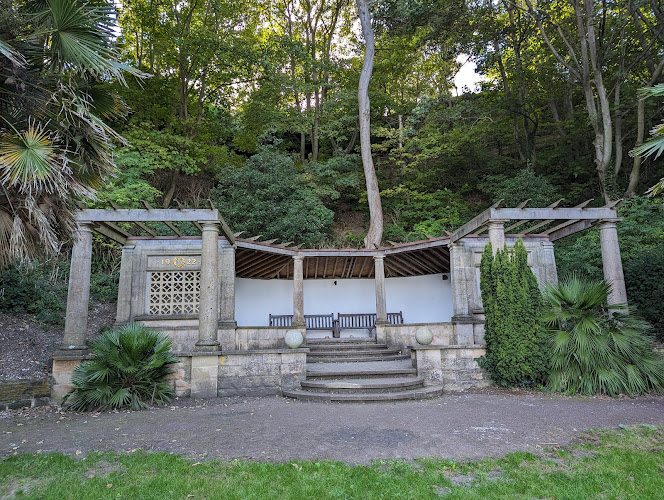
Italian Gardens
About Italian Gardens
Description
The Italian Gardens offer visitors a refined escape where Mediterranean design principles meet coastal beauty. These carefully manicured grounds showcase the timeless elegance of Italian landscaping, complete with terraced levels, ornamental fountains, and sculptured pathways that wind through thoughtfully arranged plantings.
What strikes most people first is how the gardens balance formality with natural beauty. You'll find yourself walking along geometric hedge patterns one moment, then discovering a secluded bench overlooking the sea the next. The designers clearly understood that great gardens aren't just about plants - they're about creating spaces where people want to linger.
And honestly, this place does that exceptionally well. During my visits, I've watched families spread blankets for impromptu picnics while their kids chase each other around the cypress trees. There's something magical about how Italian garden design naturally creates these little pockets of activity without feeling crowded or chaotic.
The gardens demonstrate classic Italian principles: symmetry, proportion, and the integration of architecture with nature. Stone balustrades frame sweeping views, while carefully placed statuary adds focal points throughout the space. But what really sets this location apart is how it adapts these traditional elements to its coastal setting - the interplay between manicured gardens and natural seaside landscape creates something uniquely beautiful.
Key Features
The Italian Gardens contain several distinctive elements that make them particularly appealing to travelers seeking both beauty and relaxation:
- Terraced Layout: Multiple levels connected by elegant stone staircases, each offering different perspectives and garden styles
- Ornamental Fountains: Several water features that provide soothing sounds and serve as central focal points for different garden sections
- Coastal Viewpoints: Strategic positioning allows for spectacular sea views integrated seamlessly with the garden design
- Formal Hedge Patterns: Precisely trimmed boxwood and other evergreens create geometric designs typical of Italian renaissance gardens
- Sculpture Collection: Carefully placed statuary and decorative urns that enhance the classical Mediterranean atmosphere
- Shaded Pathways: Tree-lined walks provide comfortable strolling even during warmer parts of the day
- Picnic Areas: Designated spaces with benches and open lawns perfect for outdoor dining
- Wheelchair Accessible Routes: Well-maintained paths ensure the gardens can be enjoyed by visitors with mobility needs
- Pet-Friendly Policies: Dogs are welcome, making this an ideal destination for travelers with four-legged companions
Best Time to Visit
Timing your visit to the Italian Gardens can significantly impact your experience, and I've learned this through both perfect days and less-than-ideal ones. The gardens truly shine during late spring through early fall, when the plantings are at their most lush and the weather cooperates with outdoor activities.
May through September represents the peak season, and for good reason. During these months, you'll see the gardens as they were intended - with blooming flowers adding color to the structured green framework, and comfortable temperatures that make wandering the pathways a genuine pleasure rather than an endurance test.
But here's something most guidebooks won't tell you: early morning visits (around 8-9 AM) offer a completely different experience than afternoon ones. The gardens feel more peaceful, the light is softer for photography, and you'll often have entire sections to yourself. Plus, if you're planning a picnic, claiming a good spot early means you won't be competing with other visitors later.
Weekdays generally provide a more relaxed atmosphere than weekends, especially during summer months when local families frequent the gardens for recreational activities. However, weekends do bring a pleasant energy - watching kids discover the hidden corners and families enjoying outdoor meals adds to the authentic charm of the place.
Weather considerations matter more than you might expect. While the gardens are beautiful year-round, winter visits can be quite different from the summer experience. The formal structure remains impressive, but you'll miss much of the color and some areas may have reduced accessibility depending on maintenance schedules.
How to Get There
Reaching the Italian Gardens requires some planning, but the journey itself becomes part of the experience when you know what to expect. The location's coastal setting means you'll likely be treated to scenic routes regardless of your chosen transportation method.
For visitors arriving by car, parking availability varies significantly by season and time of day. I've found that arriving before 10 AM or after 4 PM usually ensures easier parking situations. The surrounding area can get quite busy during peak tourist season, so building extra time into your schedule prevents the frustration of circling around looking for spaces.
Public transportation options exist, though they require more coordination than driving yourself. Bus services connect the gardens to nearby towns and transportation hubs, but schedules can be limited, especially during off-season months. Check current timetables before relying on public transport, particularly for return journeys.
Walking or cycling from nearby accommodations is actually one of the most enjoyable approaches if your lodging is within reasonable distance. The coastal paths leading to the gardens offer preview glimpses of the sea views you'll encounter within the grounds themselves.
Taxi services provide convenience but can be expensive, especially during peak tourist periods. If you choose this option, consider arranging return transportation in advance rather than hoping to find available rides later - I learned this lesson the hard way during a busy summer afternoon.
Tips for Visiting
Making the most of your Italian Gardens experience involves some insider knowledge that comes from multiple visits and observing what works (and what doesn't) for different types of travelers.
Bring a picnic if you're planning to spend more than an hour or two. The designated picnic areas are genuinely lovely, and there's something special about eating lunch surrounded by carefully maintained gardens with sea breezes. Local markets often sell perfect provisions - fresh bread, regional cheeses, and seasonal fruit that taste even better in this setting.
Comfortable walking shoes are non-negotiable. Despite the formal appearance, you'll be covering significant ground, and some pathways include steps and uneven surfaces. Those elegant heels might look great in photos, but they'll make exploring thoroughly much less enjoyable.
Photography enthusiasts should plan their shots around the golden hour lighting - either early morning or late afternoon. The contrast between the structured garden elements and natural coastal backdrop creates stunning compositions, but harsh midday sun can wash out the subtleties that make this place so photogenic.
If you're traveling with children, the gardens offer more engagement than typical formal spaces. Kids often discover aspects adults miss - hidden pathways, interesting textures, and small wildlife. The open lawn areas provide space for them to expend energy between more structured garden viewing.
Weather backup plans matter, especially if you're visiting during transitional seasons. While light rain can actually enhance the garden's atmosphere, heavy weather obviously impacts outdoor enjoyment. Check forecasts and have alternative indoor activities identified for your area.
Consider bringing a small folding chair or blanket even if you're not planning a full picnic. The gardens invite lingering, and having your own comfortable spot means you can truly relax rather than hurrying through just to see everything.
Water and sun protection become increasingly important during summer visits. While shaded pathways provide relief, many viewpoints and open areas offer little protection from direct sun. A hat and sunscreen aren't just recommendations - they're essentials for comfortable extended visits.
Key Features
- Key Features
- Best Time to Visit
- How to Get There
- Tips for Visiting
More Details
Updated September 22, 2025
Table of Contents
Description
The Italian Gardens offer visitors a refined escape where Mediterranean design principles meet coastal beauty. These carefully manicured grounds showcase the timeless elegance of Italian landscaping, complete with terraced levels, ornamental fountains, and sculptured pathways that wind through thoughtfully arranged plantings.
What strikes most people first is how the gardens balance formality with natural beauty. You’ll find yourself walking along geometric hedge patterns one moment, then discovering a secluded bench overlooking the sea the next. The designers clearly understood that great gardens aren’t just about plants – they’re about creating spaces where people want to linger.
And honestly, this place does that exceptionally well. During my visits, I’ve watched families spread blankets for impromptu picnics while their kids chase each other around the cypress trees. There’s something magical about how Italian garden design naturally creates these little pockets of activity without feeling crowded or chaotic.
The gardens demonstrate classic Italian principles: symmetry, proportion, and the integration of architecture with nature. Stone balustrades frame sweeping views, while carefully placed statuary adds focal points throughout the space. But what really sets this location apart is how it adapts these traditional elements to its coastal setting – the interplay between manicured gardens and natural seaside landscape creates something uniquely beautiful.
Key Features
The Italian Gardens contain several distinctive elements that make them particularly appealing to travelers seeking both beauty and relaxation:
- Terraced Layout: Multiple levels connected by elegant stone staircases, each offering different perspectives and garden styles
- Ornamental Fountains: Several water features that provide soothing sounds and serve as central focal points for different garden sections
- Coastal Viewpoints: Strategic positioning allows for spectacular sea views integrated seamlessly with the garden design
- Formal Hedge Patterns: Precisely trimmed boxwood and other evergreens create geometric designs typical of Italian renaissance gardens
- Sculpture Collection: Carefully placed statuary and decorative urns that enhance the classical Mediterranean atmosphere
- Shaded Pathways: Tree-lined walks provide comfortable strolling even during warmer parts of the day
- Picnic Areas: Designated spaces with benches and open lawns perfect for outdoor dining
- Wheelchair Accessible Routes: Well-maintained paths ensure the gardens can be enjoyed by visitors with mobility needs
- Pet-Friendly Policies: Dogs are welcome, making this an ideal destination for travelers with four-legged companions
Best Time to Visit
Timing your visit to the Italian Gardens can significantly impact your experience, and I’ve learned this through both perfect days and less-than-ideal ones. The gardens truly shine during late spring through early fall, when the plantings are at their most lush and the weather cooperates with outdoor activities.
May through September represents the peak season, and for good reason. During these months, you’ll see the gardens as they were intended – with blooming flowers adding color to the structured green framework, and comfortable temperatures that make wandering the pathways a genuine pleasure rather than an endurance test.
But here’s something most guidebooks won’t tell you: early morning visits (around 8-9 AM) offer a completely different experience than afternoon ones. The gardens feel more peaceful, the light is softer for photography, and you’ll often have entire sections to yourself. Plus, if you’re planning a picnic, claiming a good spot early means you won’t be competing with other visitors later.
Weekdays generally provide a more relaxed atmosphere than weekends, especially during summer months when local families frequent the gardens for recreational activities. However, weekends do bring a pleasant energy – watching kids discover the hidden corners and families enjoying outdoor meals adds to the authentic charm of the place.
Weather considerations matter more than you might expect. While the gardens are beautiful year-round, winter visits can be quite different from the summer experience. The formal structure remains impressive, but you’ll miss much of the color and some areas may have reduced accessibility depending on maintenance schedules.
How to Get There
Reaching the Italian Gardens requires some planning, but the journey itself becomes part of the experience when you know what to expect. The location’s coastal setting means you’ll likely be treated to scenic routes regardless of your chosen transportation method.
For visitors arriving by car, parking availability varies significantly by season and time of day. I’ve found that arriving before 10 AM or after 4 PM usually ensures easier parking situations. The surrounding area can get quite busy during peak tourist season, so building extra time into your schedule prevents the frustration of circling around looking for spaces.
Public transportation options exist, though they require more coordination than driving yourself. Bus services connect the gardens to nearby towns and transportation hubs, but schedules can be limited, especially during off-season months. Check current timetables before relying on public transport, particularly for return journeys.
Walking or cycling from nearby accommodations is actually one of the most enjoyable approaches if your lodging is within reasonable distance. The coastal paths leading to the gardens offer preview glimpses of the sea views you’ll encounter within the grounds themselves.
Taxi services provide convenience but can be expensive, especially during peak tourist periods. If you choose this option, consider arranging return transportation in advance rather than hoping to find available rides later – I learned this lesson the hard way during a busy summer afternoon.
Tips for Visiting
Making the most of your Italian Gardens experience involves some insider knowledge that comes from multiple visits and observing what works (and what doesn’t) for different types of travelers.
Bring a picnic if you’re planning to spend more than an hour or two. The designated picnic areas are genuinely lovely, and there’s something special about eating lunch surrounded by carefully maintained gardens with sea breezes. Local markets often sell perfect provisions – fresh bread, regional cheeses, and seasonal fruit that taste even better in this setting.
Comfortable walking shoes are non-negotiable. Despite the formal appearance, you’ll be covering significant ground, and some pathways include steps and uneven surfaces. Those elegant heels might look great in photos, but they’ll make exploring thoroughly much less enjoyable.
Photography enthusiasts should plan their shots around the golden hour lighting – either early morning or late afternoon. The contrast between the structured garden elements and natural coastal backdrop creates stunning compositions, but harsh midday sun can wash out the subtleties that make this place so photogenic.
If you’re traveling with children, the gardens offer more engagement than typical formal spaces. Kids often discover aspects adults miss – hidden pathways, interesting textures, and small wildlife. The open lawn areas provide space for them to expend energy between more structured garden viewing.
Weather backup plans matter, especially if you’re visiting during transitional seasons. While light rain can actually enhance the garden’s atmosphere, heavy weather obviously impacts outdoor enjoyment. Check forecasts and have alternative indoor activities identified for your area.
Consider bringing a small folding chair or blanket even if you’re not planning a full picnic. The gardens invite lingering, and having your own comfortable spot means you can truly relax rather than hurrying through just to see everything.
Water and sun protection become increasingly important during summer visits. While shaded pathways provide relief, many viewpoints and open areas offer little protection from direct sun. A hat and sunscreen aren’t just recommendations – they’re essentials for comfortable extended visits.
Key Highlights
- Key Features
- Best Time to Visit
- How to Get There
- Tips for Visiting
Location
Places to Stay Near Italian Gardens
Find and Book a Tour
Explore More Travel Guides
No reviews found! Be the first to review!
Traveler Reviews for Italian Gardens
There are no reviews yet. Be the first one to write one.
Have you visited Italian Gardens? Help other travelers by sharing your review.
You Might Also Like
Helen Garden
Eastbourne Pier”Lots of things to do and see,…

Fisherman’s Memorial
Find Accommodations Nearby
Recommended Tours & Activities
Visitor Reviews
There are no reviews yet. Be the first one to write one.
Share Your Experience
Have you visited Italian Gardens? Help other travelers by leaving a review.