
Nar Ghat
About Nar Ghat
Nar Ghat is a popular tourist attraction located in Mirzapur, India. With a rating of 3.6 out of 5, it stands out as one of the recognized tourist attractions in the area.
Location
You can find Nar Ghat at 5H26+M6X, Narghat, Gosain Tola, Mirzapur, Uttar Pradesh 231307, India.
Visiting Nar Ghat
Located in Mirzapur, India, Nar Ghat is a tourist attraction that visitors to the area may find worth exploring.
Planning Your Visit
The tourist attraction is located at 5H26+M6X, Narghat, Gosain Tola, Mirzapur, Uttar Pradesh 231307, India. GPS coordinates: 25.151735, 82.560603. Check locally for current opening hours and any admission fees before visiting.
More Details
Updated June 4, 2026
Nar Ghat is a popular tourist attraction located in Mirzapur, India. With a rating of 3.6 out of 5, it stands out as one of the recognized tourist attractions in the area.
Table of Contents
- Location
- Visiting Nar Ghat
- Planning Your Visit
- Location
- Places to Stay Near Nar Ghat
- Find and Book a Tour
- Explore More Travel Guides
- Key Takeaways
- Key Details and Quick Facts
- What to Expect at Nar Ghat
- Plan Your Visit
- Best Time to Visit
- Getting There
- Travel Tips
- Nearby Attractions and Explore More in India
- Frequently Asked Questions
- What does the term “ghat” mean, and why are ghats important in everyday life along Indian rivers?
- How far is Nar Ghat from Mirzapur, and what’s the most practical way to travel between them?
- When is the best time of day to visit the ghat for the most atmospheric river views and local activity?
- What are the different types of ghats you’ll encounter in North India, and how can you tell them apart on arrival?
- What local etiquette should visitors follow at a working riverside ghat to be respectful and avoid common missteps?
- What are some lesser-known but worthwhile ghats in India that offer a strong sense of place without heavy crowds?
- Plan Your Trip to Nar Ghat
- Nearby Places You Might Like
- Traveler Reviews for Nar Ghat
- Share Your Experience
Location
You can find Nar Ghat at 5H26+M6X, Narghat, Gosain Tola, Mirzapur, Uttar Pradesh 231307, India.
Visiting Nar Ghat
Located in Mirzapur, India, Nar Ghat is a tourist attraction that visitors to the area may find worth exploring.
Planning Your Visit
The tourist attraction is located at 5H26+M6X, Narghat, Gosain Tola, Mirzapur, Uttar Pradesh 231307, India. GPS coordinates: 25.151735, 82.560603. Check locally for current opening hours and any admission fees before visiting.
Location
Places to Stay Near Nar Ghat
Find and Book a Tour
Explore More Travel Guides
No reviews found! Be the first to review!
Nar Ghat is a riverside bathing ghat in Mirzapur, Uttar Pradesh. It’s a spot where locals and travelers gather along the Ganges River for religious rituals, a bit of quiet, or just to watch the world go by.
You’ll find Nar Ghat tucked into the Gosain Tola area of Mirzapur, about 1.27 kilometers from the railway station. It’s not the most famous ghat, but it has its own charm—especially if you’re after something less hectic than Varanasi.
When you step onto Nar Ghat, you’re entering a place that’s a little off the usual tourist radar. “Ghat” just means those broad stone steps leading down to the river, where people bathe, pray, or just take a break from city life.
Nar Ghat gives you a peaceful alternative to the packed ghats of Varanasi, which is about 60 kilometers upstream. The vibe here is more laid-back, but you still get that deep sense of riverfront culture.
Mirzapur itself sits in a region with a long history, the Ganges winding through eastern Uttar Pradesh. The district’s dotted with temples and ghats, drawing both pilgrims and the curious.
Getting to Nar Ghat from the city center is straightforward. It’s a quick detour if you’re exploring the religious sites along the Ganges.
Key Takeaways
- Nar Ghat is a riverfront bathing ghat in Mirzapur, Uttar Pradesh, situated on the Ganges River.
- You can visit this religious site as a less crowded alternative to the famous ghats in nearby Varanasi.
- The ghat is accessible from Mirzapur railway station and offers insight into local spiritual practices along the river.
Key Details and Quick Facts
Naneghat is a mountain pass in the Western Ghats of Maharashtra, India. It’s wedged between the Konkan coast and the old town of Junnar on the Deccan plateau.
The pass sits about 120 kilometers north of Pune and 165 kilometers east of Mumbai, rising to an elevation of 750 meters. The air up here is different—cooler, a bit wild.
Historical Significance
Naneghat goes back to the 2nd-1st century BCE, during the Satavahana dynasty. Queen Naganika (sometimes called Nayanika) had the cave inscriptions carved after her husband King Satakarni died.
The name “Naneghat” is interesting—nane means “coin,” ghat means “pass.” Traders once paid tolls here, dropping coins into a stone pot as they crossed.
Archaeological Features
| Feature | Details |
|---|---|
| Cave Inscriptions | Sanskrit text in Brahmi script, oldest known numerals for 2, 4, 6, 7, and 9 |
| Historical Deities | References to Vedic gods (Indra, Dharma, Surya) and Hindu deities (Krishna, Balarama) |
| Discovery | First documented by William Sykes in 1828 |
| Management | Archaeological Survey of India |
Access Information
To get to Naneghat, you can drive via Highways 60 or 61. Kalyan station on the Central Line is the nearest railway stop.
The pass is about 35 kilometers from the Lenyadri Buddhist Caves near Junnar. There’s an old stone-laid hiking trail that leads up to the plateau, and the main cave holds those ancient inscriptions.
What to Expect at Nar Ghat
Nar Ghat isn’t just a name—it’s a tough, wild mountain pass in Maharashtra’s Western Ghats. You’ll find steep, rocky paths, seasonal waterfalls in the monsoon, and sweeping views that make you stop and stare.
The trek takes about 4-5 hours one way from the base village. It’s not the easiest walk—expect some huffing and puffing, especially on the steeper bits.
You’re actually walking an ancient trade route, dating back to the Satavahana dynasty. Along the way, you’ll spot rock-cut caves with Brahmi script, giving you a real sense of history.
One quirky detail: there’s a 5-foot stone pot (ranjan) that used to collect tolls from traders. It’s a little odd to see something so old, still sitting there.
Key features you’ll encounter:
- Dense forests with plenty of plant species, monkeys, and birds that might surprise you as you walk.
- Viewpoints where you can see for miles across mountain ranges.
- Strange, natural rock formations—including the Nar Ghat Pinnacle.
- Streams and waterfalls, especially lively from June to September.
- Flat patches near the pass where you could camp if you’re feeling adventurous.
The path changes a lot—one minute you’re in the trees, the next you’re scrambling over rocks. Monsoon season brings mist and slippery stones, so watch your step. Winter is clearer, cooler, and honestly, probably the best time to go.
Bring good hiking shoes. The trail’s full of loose rocks and gets tricky when wet.
Plan Your Visit
Naneghat is about 130 km from Pune, tucked in Maharashtra’s Western Ghats and reachable via Junnar. There’s no entry fee, and if you want to stay a night, nearby villages offer a few basic places to sleep.
The trek itself is 4.5 km, not too long but it does test your stamina. It’s wise to prep a bit and make sure you’re up for it.
Best Time to Visit
If you’re planning a trip, October to February is your window. The weather’s cool, the trail’s dry, and trekking is a lot more pleasant.
Monsoon (June to September) transforms the whole landscape into a lush, green wonderland, but the stone steps get dangerously slippery. It’s beautiful, but maybe not for everyone.
Winter gives you the sharpest views of Jivdhan Fort and the valleys. Summer—March to May—is possible, but it’s hot, so be ready for a sweaty climb.
The pass is open from 6 AM to 6 PM. Early mornings are best if you want to beat the crowds and catch the ancient cave inscriptions in soft light.
Getting There
You’ll need to reach Vaishakhare village, the base for the trek, right on the Kalyan-Ahmednagar Highway. The road from Pune to Junnar is decent, but the last 30 km from Junnar to Vaishakhare can be a bit rough—lots of potholes, so don’t rush.
There are two ways up: the classic 4.5 km hiking trail from Vaishakhare, or a motorable road from Ghatghar that gets you close to the summit. Most people walk, though—the old stone path is part of the experience.
Public transport takes you from Pune to Junnar, but for the last stretch to Vaishakhare, you’ll want a taxi or private car. The trail starts right off the highway.
Travel Tips
Bring your own snacks and plenty of water—there’s not much to buy along the way. The trail’s doable for newbies with moderate fitness, but those old stone steps can be punishing.
Essential Items:
- Enough water to last the trek
- Dry snacks and something for lunch
- Sturdy shoes—don’t skimp here
- Flashlight if you want to poke around the caves
You can stay in homestays at Vaishakhare or head to Malshej Ghat, about 30 km away, for more options. If you’re thinking of night trekking or camping, stick with a group tour. The cave floor stays wet and the temperature drops fast after dark, so bring a proper tent and sleeping bag.
Keep an eye out for rock-cut water cisterns along the trail and the big old pot that once collected tolls. The Brahmi inscriptions inside the main cave date to 200-100 BCE. There’s also a thumb-shaped rock called “Nancha Angtha”—the highest point with epic views over the Deccan plateau.
Nearby Attractions and Explore More in India
Malshej Ghat is about 30 kilometers from Naneghat. It’s famous for waterfalls, lakes, and thick greenery, especially during the monsoon.
Birdwatchers love it here—flamingos and all sorts of other birds show up in season. The drive from Naneghat’s base village takes about an hour, give or take.
Jivdhan Fort is nearby, too. It’s a tougher trek than Naneghat, with steep climbs and killer views across the Sahyadris. The fort is packed with old stonework and stories from Maharashtra’s military past.
Shivneri Fort is about 20 kilometers away. It’s the birthplace of Chhatrapati Shivaji Maharaj and a must-see for history buffs. Temples, water tanks, and gates from centuries ago are scattered across the site. Give yourself half a day to see it properly.
Other places worth a look:
- Vaanarlingi Pinnacle – a dramatic rock formation near the trek
- Mahadev Mandir at Jivdhangad – a temple with sweeping valley views
- Jalwandi Waterfall – best during the rains
- Nimgiri Fort – for those who can’t get enough of trekking and old forts
The town of Junnar is your base for all this exploring. It’s got the basics—food stalls, some Maharashtrian specialties, and a handful of places to stay. Most people stay in Kalyan or Pune and make day trips out here.
Frequently Asked Questions
Visiting Indian ghats is a bit of an art—there are customs, some unwritten rules, and a lot to take in.
What does the term “ghat” mean, and why are ghats important in everyday life along Indian rivers?
A ghat is simply a set of steps leading down to a river or lake. In India, they’re where people bathe, wash clothes, pray, or even cremate loved ones.
Ghats are the heartbeat of riverside communities. At dawn, they’re packed with people doing morning prayers or just getting ready for the day.
The steps also help manage floods during the monsoon. In places like Varanasi or Haridwar, the ghats almost define the city—over 80 in Varanasi alone, each with its own crowd and purpose.
How far is Nar Ghat from Mirzapur, and what’s the most practical way to travel between them?
Nar Ghat is right in the Mirzapur district, hugging the Ganges. Depending on where you start in the city, you can get there in 30 to 60 minutes.
Auto-rickshaws are your best bet for reaching smaller ghats. If you’re planning to hop between a few, hiring a taxi for the day makes sense.
Local buses do run from the city center to the river, but the schedule can be a bit unpredictable. If you’re staying in Mirzapur, ask your hotel—they usually know drivers who can get you there without any fuss.
When is the best time of day to visit the ghat for the most atmospheric river views and local activity?
Early mornings—say, 5:30 to 7:30 AM—are when ghats are alive. Locals come for prayers, bathing, and laundry before the sun gets too fierce.
Sunrise is magic here: the light, the mist, and the quiet rituals. Priests perform small pujas, and you can watch without being elbowed aside by crowds.
Evenings, from about 6:00 to 7:30 PM, have a different energy. Families gather, and some ghats host aarti ceremonies with oil lamps—though not all of them do.
What are the different types of ghats you’ll encounter in North India, and how can you tell them apart on arrival?
Bathing ghats are the most common—wide steps, people in wet clothes, and maybe a few changing corners. They’re open to everyone.
Burning ghats are for cremations. You’ll spot them by the wood piles, covered pavilions, and a more somber mood. It’s best to keep your distance and never take photos.
Temple ghats are attached to riverside temples. Expect bells, shrines, and priests offering pujas.
Dhobi ghats are outdoor laundries. You’ll hear the slap of wet clothes on stone and see rows of laundry drying in the sun. It’s a bit chaotic, but oddly mesmerizing.
What local etiquette should visitors follow at a working riverside ghat to be respectful and avoid common missteps?
Remove your shoes before stepping onto ghat areas where people pray or bathe. It’s also wise to dress modestly, with shoulders and knees covered, especially at temple-adjacent ghats.
Try not to point your feet toward shrines or folks in prayer. That can come off as pretty disrespectful.
If you want to take photos, always ask first—especially if someone’s in the middle of a ritual or bathing. Locals generally aren’t thrilled about being turned into tourist snapshots during private spiritual moments.
Don’t sit or drop your bags on the steps where people perform puja. If you’re just watching, stick to the sides and out of the way.
Never toss trash into the river or leave offerings scattered on the steps. If a priest offers to perform a puja for you, it’s smart to ask about the cost upfront—nobody likes surprise fees.
What are some lesser-known but worthwhile ghats in India that offer a strong sense of place without heavy crowds?
Maheshwar in Madhya Pradesh sits quietly along the Narmada River. Its ghats, with their view of an 18th-century fort, feel worlds away from the chaos of Varanasi.
You’ll often spot local weavers at work nearby, which adds a layer of authenticity that’s hard to fake. The town just doesn’t get the crowds, and that’s part of its charm.
Omkareshwar is also on the Narmada. The island’s shaped like the Om symbol—kind of wild, right?
Here, temple architecture blends with working ghats. It’s easy to walk the whole riverside circuit, chatting with resident priests or families as you go.
Haridwar’s smaller ghats are worth wandering to if you want Ganges access and a mountain backdrop minus the tour groups. Just walk north past the main ghat, and suddenly, it’s mostly locals around you.
Devprayag in Uttarakhand is where the Alaknanda and Bhagirathi rivers meet to become the Ganges. The confluence ghats do see pilgrims, but they’re still more community hangouts than tourist magnets.
Plan Your Trip to Nar Ghat
Traveler Reviews for Nar Ghat
There are no reviews yet. Be the first one to write one.
Have you visited Nar Ghat? Help other travelers by sharing your review.
You Might Also Like
Vindhyavasini Dham
Lakhaniya Hills & Waterfall
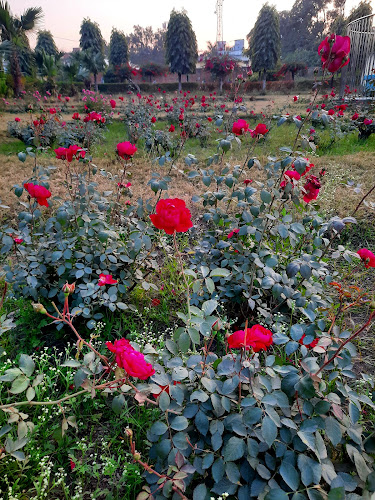
Laldiggi Park Mirzapur
Find Accommodations Nearby
Recommended Tours & Activities
Visitor Reviews
There are no reviews yet. Be the first one to write one.
Share Your Experience
Have you visited Nar Ghat? Help other travelers by leaving a review.