
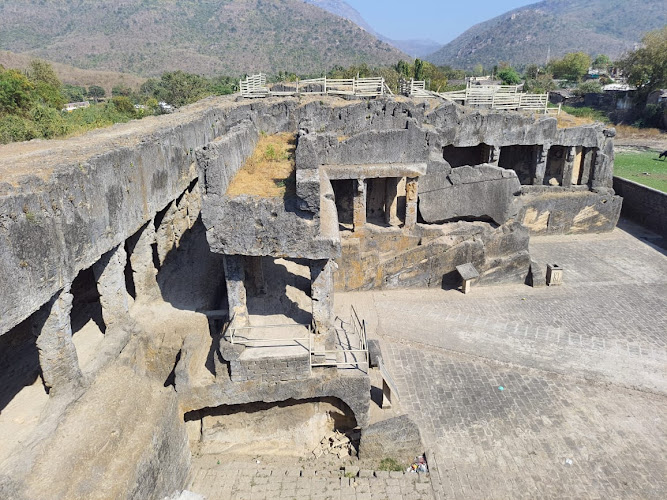
Junagadh Buddhist Cave
About Junagadh Buddhist Cave
Description
The Junagadh Buddhist Caves, tucked away in the heart of Gujarat’s Junagadh district, are one of those places that quietly blow your mind. They’re not flashy or overly commercialized like some of India’s bigger tourist magnets, but that’s exactly what makes them so special. These ancient rock-cut caves—mainly the Uparkot Caves, Khapra Kodiya Caves, and Baba Pyare (or Bava Pyara) Caves—carry whispers from the 3rd and 4th centuries BCE, back when Emperor Ashoka’s influence spread Buddhism across the Indian subcontinent. You can almost feel the weight of time in the still air as you step inside.
What’s fascinating is that these caves aren’t natural—they’re entirely carved by hand into the rocky hillsides. Imagine monks patiently chiseling away at stone, creating living quarters, prayer halls, and meditation cells that have stood the test of two millennia. The walls bear traces of inscriptions and ancient scripts, and though much of the ornamentation is simple, the atmosphere is incredibly serene. It’s not hard to picture monks in saffron robes walking the same paths, chanting softly as the sun streamed in through the narrow openings.
I’ll be honest, the first time I visited, I wasn’t expecting much. But the quiet energy of the place got to me. There’s something humbling about standing in a space that has served as a refuge for seekers of peace for over 2,000 years. While the caves don’t have the grandeur of Ajanta or Ellora, they have a raw authenticity that’s hard to find elsewhere. You can see the transition in architectural styles—from the simpler Khapra Kodiya Caves, which are the oldest, to the more elaborate carvings of the Uparkot and Baba Pyare Caves.
And yes, it’s good for families too. Kids often find the maze-like passages exciting, and there’s enough open space to explore safely. Just don’t expect fancy amenities or restaurants nearby—it’s more of a historical and spiritual experience than a comfort-driven one.
Key Features
- Ancient Origin: Believed to date back to the 3rd–4th century BCE, during Emperor Ashoka’s reign.
- Three Main Cave Groups: Uparkot Caves, Khapra Kodiya Caves, and Baba Pyare (Bava Pyara) Caves.
- Architectural Simplicity: Early examples of Buddhist rock-cut architecture, with plain chambers and minimal ornamentation.
- Chaitya Halls & Viharas: Distinct prayer halls and monastic living quarters carved directly into the rock.
- Inscriptions & Carvings: Ancient scribbles and inscriptions in Brahmi script, offering glimpses of early Buddhist life.
- Peaceful Atmosphere: A quiet, almost meditative environment ideal for reflection and photography.
- Accessibility: Located near Junagadh city, making it easy to include in a day trip with other local attractions like Uparkot Fort and Girnar Hill.
Best Time to Visit
If you’re planning to visit, the cooler months between November and February are the most comfortable. The Gujarat sun can be quite unforgiving in summer, and exploring caves in 40°C heat isn’t exactly fun—trust me, I made that mistake once. The winter air, on the other hand, is crisp and pleasant, making it perfect for wandering around without feeling drained. Monsoon season (June to September) brings a different charm, though—the surrounding hills turn lush green, and the caves take on a mysterious, misty vibe. But be cautious, as the paths can get slippery after rainfall.
Morning visits are the best. The sunlight hits the cave entrances just right, casting a golden glow that’s perfect for photos. Plus, you’ll beat the crowds (if you can call the small trickle of visitors a “crowd”) and enjoy the peace these caves truly deserve.
How to Get There
Junagadh is well-connected by road and rail, so reaching the caves is pretty straightforward. If you’re coming from Ahmedabad, it’s about a 7-hour drive, and the route itself is quite scenic in parts. The nearest railway station is Junagadh Junction, which connects to major cities like Rajkot and Surat. From the city center, local auto-rickshaws or taxis can take you up to the cave area—it’s only a short ride.
If you’re the adventurous type, you can even walk from Uparkot Fort to the Uparkot Caves—it’s a nice little trek through the fort complex, with panoramic views of Junagadh below. Just carry water and wear comfortable shoes; the terrain can be uneven and rocky in places.
For those traveling with kids or elderly family members, hiring a local guide and a private cab is worth it. Guides often share fascinating stories that don’t appear in guidebooks—like how the monks supposedly used secret tunnels to move between cave clusters. Whether that’s true or not, who knows, but it adds to the charm.
Tips for Visiting
- Wear sturdy shoes: Some sections can be slippery or uneven, especially after rain.
- Carry water and snacks: There aren’t many shops or food stalls nearby, so come prepared.
- Hire a local guide: It’s worth it for the stories and historical context—they bring the stones to life.
- Visit early: The light is better for photos, and the caves are quieter in the morning.
- Respect the site: It’s a sacred space with deep historical significance—avoid touching carvings or leaving litter.
- Combine your visit: Pair it with a trip to Uparkot Fort or Girnar Hill for a full day of exploration.
- Photography tip: Bring a camera with good low-light settings; some chambers are dimly lit but incredibly atmospheric.
One last thing—don’t rush it. It’s tempting to tick off the caves quickly and move on, but give yourself time to just sit and absorb the silence. There’s something grounding about being in a place that has witnessed centuries of change yet remains so still. On my last visit, I sat on a cool stone ledge for nearly half an hour, watching sunlight filter through the cave entrance. No noise, no crowds, just the faint echo of history. That’s the kind of memory that sticks with you long after you’ve left.
So if you’re planning your next trip through Gujarat and crave something a little offbeat yet profoundly meaningful, the Junagadh Buddhist Caves are worth every minute. They may not be grand in scale, but they’re rich in spirit—a quiet reminder of India’s deep, layered past and the timeless pursuit of peace.
Key Features
- Key Features
- Best Time to Visit
- How to Get There
- Tips for Visiting
More Details
Updated December 1, 2025
Table of Contents
Description
The Junagadh Buddhist Caves, tucked away in the heart of Gujarat’s Junagadh district, are one of those places that quietly blow your mind. They’re not flashy or overly commercialized like some of India’s bigger tourist magnets, but that’s exactly what makes them so special. These ancient rock-cut caves—mainly the Uparkot Caves, Khapra Kodiya Caves, and Baba Pyare (or Bava Pyara) Caves—carry whispers from the 3rd and 4th centuries BCE, back when Emperor Ashoka’s influence spread Buddhism across the Indian subcontinent. You can almost feel the weight of time in the still air as you step inside.
What’s fascinating is that these caves aren’t natural—they’re entirely carved by hand into the rocky hillsides. Imagine monks patiently chiseling away at stone, creating living quarters, prayer halls, and meditation cells that have stood the test of two millennia. The walls bear traces of inscriptions and ancient scripts, and though much of the ornamentation is simple, the atmosphere is incredibly serene. It’s not hard to picture monks in saffron robes walking the same paths, chanting softly as the sun streamed in through the narrow openings.
I’ll be honest, the first time I visited, I wasn’t expecting much. But the quiet energy of the place got to me. There’s something humbling about standing in a space that has served as a refuge for seekers of peace for over 2,000 years. While the caves don’t have the grandeur of Ajanta or Ellora, they have a raw authenticity that’s hard to find elsewhere. You can see the transition in architectural styles—from the simpler Khapra Kodiya Caves, which are the oldest, to the more elaborate carvings of the Uparkot and Baba Pyare Caves.
And yes, it’s good for families too. Kids often find the maze-like passages exciting, and there’s enough open space to explore safely. Just don’t expect fancy amenities or restaurants nearby—it’s more of a historical and spiritual experience than a comfort-driven one.
Key Features
- Ancient Origin: Believed to date back to the 3rd–4th century BCE, during Emperor Ashoka’s reign.
- Three Main Cave Groups: Uparkot Caves, Khapra Kodiya Caves, and Baba Pyare (Bava Pyara) Caves.
- Architectural Simplicity: Early examples of Buddhist rock-cut architecture, with plain chambers and minimal ornamentation.
- Chaitya Halls & Viharas: Distinct prayer halls and monastic living quarters carved directly into the rock.
- Inscriptions & Carvings: Ancient scribbles and inscriptions in Brahmi script, offering glimpses of early Buddhist life.
- Peaceful Atmosphere: A quiet, almost meditative environment ideal for reflection and photography.
- Accessibility: Located near Junagadh city, making it easy to include in a day trip with other local attractions like Uparkot Fort and Girnar Hill.
Best Time to Visit
If you’re planning to visit, the cooler months between November and February are the most comfortable. The Gujarat sun can be quite unforgiving in summer, and exploring caves in 40°C heat isn’t exactly fun—trust me, I made that mistake once. The winter air, on the other hand, is crisp and pleasant, making it perfect for wandering around without feeling drained. Monsoon season (June to September) brings a different charm, though—the surrounding hills turn lush green, and the caves take on a mysterious, misty vibe. But be cautious, as the paths can get slippery after rainfall.
Morning visits are the best. The sunlight hits the cave entrances just right, casting a golden glow that’s perfect for photos. Plus, you’ll beat the crowds (if you can call the small trickle of visitors a “crowd”) and enjoy the peace these caves truly deserve.
How to Get There
Junagadh is well-connected by road and rail, so reaching the caves is pretty straightforward. If you’re coming from Ahmedabad, it’s about a 7-hour drive, and the route itself is quite scenic in parts. The nearest railway station is Junagadh Junction, which connects to major cities like Rajkot and Surat. From the city center, local auto-rickshaws or taxis can take you up to the cave area—it’s only a short ride.
If you’re the adventurous type, you can even walk from Uparkot Fort to the Uparkot Caves—it’s a nice little trek through the fort complex, with panoramic views of Junagadh below. Just carry water and wear comfortable shoes; the terrain can be uneven and rocky in places.
For those traveling with kids or elderly family members, hiring a local guide and a private cab is worth it. Guides often share fascinating stories that don’t appear in guidebooks—like how the monks supposedly used secret tunnels to move between cave clusters. Whether that’s true or not, who knows, but it adds to the charm.
Tips for Visiting
- Wear sturdy shoes: Some sections can be slippery or uneven, especially after rain.
- Carry water and snacks: There aren’t many shops or food stalls nearby, so come prepared.
- Hire a local guide: It’s worth it for the stories and historical context—they bring the stones to life.
- Visit early: The light is better for photos, and the caves are quieter in the morning.
- Respect the site: It’s a sacred space with deep historical significance—avoid touching carvings or leaving litter.
- Combine your visit: Pair it with a trip to Uparkot Fort or Girnar Hill for a full day of exploration.
- Photography tip: Bring a camera with good low-light settings; some chambers are dimly lit but incredibly atmospheric.
One last thing—don’t rush it. It’s tempting to tick off the caves quickly and move on, but give yourself time to just sit and absorb the silence. There’s something grounding about being in a place that has witnessed centuries of change yet remains so still. On my last visit, I sat on a cool stone ledge for nearly half an hour, watching sunlight filter through the cave entrance. No noise, no crowds, just the faint echo of history. That’s the kind of memory that sticks with you long after you’ve left.
So if you’re planning your next trip through Gujarat and crave something a little offbeat yet profoundly meaningful, the Junagadh Buddhist Caves are worth every minute. They may not be grand in scale, but they’re rich in spirit—a quiet reminder of India’s deep, layered past and the timeless pursuit of peace.
Key Highlights
- Key Features
- Best Time to Visit
- How to Get There
- Tips for Visiting
Location
Places to Stay Near Junagadh Buddhist Cave
Find and Book a Tour
Explore More Travel Guides
No reviews found! Be the first to review!
Traveler Reviews for Junagadh Buddhist Cave
There are no reviews yet. Be the first one to write one.
Have you visited Junagadh Buddhist Cave? Help other travelers by sharing your review.
You Might Also Like

Shahid Park

Jaysun Enterprise

Panjrapor Gaushala , Junagadh 362001
Find Accommodations Nearby
Recommended Tours & Activities
Visitor Reviews
There are no reviews yet. Be the first one to write one.
Share Your Experience
Have you visited Junagadh Buddhist Cave? Help other travelers by leaving a review.