
The Perkins Geology Museum
About The Perkins Geology Museum
Description
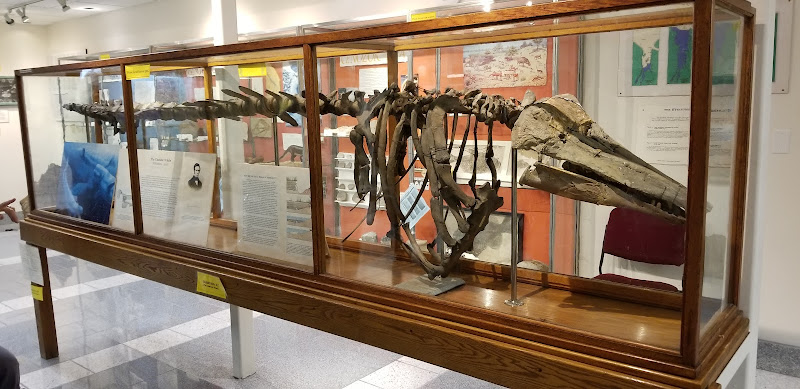
The Perkins Geology Museum at the University of Vermont is a small but fascinating spot that makes you feel like you’ve stumbled into a hidden corner of natural history. It’s not the kind of place with flashy digital screens or massive dinosaur skeletons towering over you, but that’s exactly what makes it special. Instead, it’s intimate, approachable, and surprisingly personal. You can wander through collections of minerals, fossils, and geological specimens that have been carefully curated over decades. There’s a certain charm in the way the exhibits are laid out—almost like you’re peeking into the private study of a geologist who’s been collecting treasures from around the world.
What stands out most is how the museum balances education with curiosity. It’s clearly designed with students and researchers in mind, but casual visitors, travelers, and even families with kids can find plenty to enjoy. You don’t need to be a scientist to appreciate the sparkle of a mineral sample or the story behind a fossil that’s millions of years old. And while it’s not a huge facility, the smaller scale actually works in its favor. You can take your time, explore at your own pace, and not feel overwhelmed the way you might in a sprawling city museum.
Of course, not everything is perfect. Some displays feel a little dated, and I’ve heard a few folks say they wished there was more interactivity. But honestly, that’s part of the museum’s character. It’s a place that wears its history proudly, and for many visitors, that’s exactly the appeal. If you’re the type who enjoys digging into the details and imagining the stories behind the rocks and fossils, this museum can be a surprisingly rewarding stop.
Key Features
- A diverse collection of minerals, fossils, and geological specimens from Vermont and beyond
- Educational programs and resources that make geology accessible to all ages
- Historic exhibits that showcase the legacy of George Henry Perkins, Vermont’s state geologist
- Compact layout that allows for a relaxed, unhurried visit
- Unique glimpse into Vermont’s geological history and its role in shaping the region
Best Time to Visit
If you’re planning a trip, the best time to stop by is during the academic year when the campus is buzzing with energy. There’s something about being surrounded by students that makes the museum feel more alive. That said, visiting in the quieter summer months has its perks too—you’ll likely have the place almost to yourself, which makes for a more contemplative experience. Personally, I think fall is the sweet spot. Vermont’s foliage is at its peak, the weather is crisp but not too cold, and walking through the campus before or after your visit is a treat in itself.
Winter can be a bit tricky with the snow and ice, but if you’re already in Burlington for skiing or winter sports, it’s worth popping in. Just keep in mind that the museum has had periods of closure for reorganization, so it’s always smart to check ahead before making the trek.
How to Get There
The museum is located right on the University of Vermont campus in Burlington, which makes it easy to reach if you’re already in town. If you’re driving, parking can sometimes be a little tight around the university, especially during the week, so plan to give yourself a bit of extra time. I’ve found weekends to be less stressful for finding a spot. If you’re staying downtown, you can easily walk or bike up to campus—it’s a bit of a hill, but nothing too intense. Public transportation also connects the campus with the rest of the city, and it’s a short ride from most hotels.
For those coming from out of town, Burlington International Airport is just a few miles away, and from there, it’s a quick drive or rideshare to the museum. Honestly, one of the nice things about Burlington is that nothing feels too far away, so even if you’re just in the area for a day, you can fit this into your itinerary without much hassle.
Tips for Visiting
Here are a few tips I’ve picked up, both from my own visits and from chatting with others who’ve been there:
- Check ahead: The museum has gone through closures for reorganization, so make sure it’s open before you plan your visit.
- Take your time: Even though it’s small, don’t rush. Some of the most interesting details are easy to overlook if you’re just breezing through.
- Pair your visit: Since it’s on campus, you can easily combine the museum with a stroll through UVM’s beautiful grounds or even a stop at another nearby attraction in Burlington.
- Bring questions: If staff or students are around, don’t be shy about asking. They’re often more than happy to share insights that aren’t written on the display cards.
- Consider timing: If you don’t like crowds, avoid peak class-change hours during the week. Early afternoons tend to be quieter.
And one last personal thought—don’t underestimate how much fun it can be to visit a smaller museum like this. It may not have the glitz of a big-city institution, but it offers something that’s harder to find: a sense of connection. You’re not just looking at rocks and fossils; you’re looking at pieces of Vermont’s story, carefully preserved and shared in a way that feels genuine. If you’re traveling through Burlington, it’s absolutely worth carving out an hour or two to stop by.
Key Features
- A diverse collection of minerals, fossils, and geological specimens from Vermont and beyond
- Educational programs and resources that make geology accessible to all ages
- Historic exhibits that showcase the legacy of George Henry Perkins, Vermont’s state geologist
- Compact layout that allows for a relaxed, unhurried visit
- Unique glimpse into Vermont’s geological history and its role in shaping the region
More Details
Updated September 10, 2025
Table of Contents
Description
The Perkins Geology Museum at the University of Vermont is a small but fascinating spot that makes you feel like you’ve stumbled into a hidden corner of natural history. It’s not the kind of place with flashy digital screens or massive dinosaur skeletons towering over you, but that’s exactly what makes it special. Instead, it’s intimate, approachable, and surprisingly personal. You can wander through collections of minerals, fossils, and geological specimens that have been carefully curated over decades. There’s a certain charm in the way the exhibits are laid out—almost like you’re peeking into the private study of a geologist who’s been collecting treasures from around the world.
What stands out most is how the museum balances education with curiosity. It’s clearly designed with students and researchers in mind, but casual visitors, travelers, and even families with kids can find plenty to enjoy. You don’t need to be a scientist to appreciate the sparkle of a mineral sample or the story behind a fossil that’s millions of years old. And while it’s not a huge facility, the smaller scale actually works in its favor. You can take your time, explore at your own pace, and not feel overwhelmed the way you might in a sprawling city museum.
Of course, not everything is perfect. Some displays feel a little dated, and I’ve heard a few folks say they wished there was more interactivity. But honestly, that’s part of the museum’s character. It’s a place that wears its history proudly, and for many visitors, that’s exactly the appeal. If you’re the type who enjoys digging into the details and imagining the stories behind the rocks and fossils, this museum can be a surprisingly rewarding stop.
Key Features
- A diverse collection of minerals, fossils, and geological specimens from Vermont and beyond
- Educational programs and resources that make geology accessible to all ages
- Historic exhibits that showcase the legacy of George Henry Perkins, Vermont’s state geologist
- Compact layout that allows for a relaxed, unhurried visit
- Unique glimpse into Vermont’s geological history and its role in shaping the region
Best Time to Visit
If you’re planning a trip, the best time to stop by is during the academic year when the campus is buzzing with energy. There’s something about being surrounded by students that makes the museum feel more alive. That said, visiting in the quieter summer months has its perks too—you’ll likely have the place almost to yourself, which makes for a more contemplative experience. Personally, I think fall is the sweet spot. Vermont’s foliage is at its peak, the weather is crisp but not too cold, and walking through the campus before or after your visit is a treat in itself.
Winter can be a bit tricky with the snow and ice, but if you’re already in Burlington for skiing or winter sports, it’s worth popping in. Just keep in mind that the museum has had periods of closure for reorganization, so it’s always smart to check ahead before making the trek.
How to Get There
The museum is located right on the University of Vermont campus in Burlington, which makes it easy to reach if you’re already in town. If you’re driving, parking can sometimes be a little tight around the university, especially during the week, so plan to give yourself a bit of extra time. I’ve found weekends to be less stressful for finding a spot. If you’re staying downtown, you can easily walk or bike up to campus—it’s a bit of a hill, but nothing too intense. Public transportation also connects the campus with the rest of the city, and it’s a short ride from most hotels.
For those coming from out of town, Burlington International Airport is just a few miles away, and from there, it’s a quick drive or rideshare to the museum. Honestly, one of the nice things about Burlington is that nothing feels too far away, so even if you’re just in the area for a day, you can fit this into your itinerary without much hassle.
Tips for Visiting
Here are a few tips I’ve picked up, both from my own visits and from chatting with others who’ve been there:
- Check ahead: The museum has gone through closures for reorganization, so make sure it’s open before you plan your visit.
- Take your time: Even though it’s small, don’t rush. Some of the most interesting details are easy to overlook if you’re just breezing through.
- Pair your visit: Since it’s on campus, you can easily combine the museum with a stroll through UVM’s beautiful grounds or even a stop at another nearby attraction in Burlington.
- Bring questions: If staff or students are around, don’t be shy about asking. They’re often more than happy to share insights that aren’t written on the display cards.
- Consider timing: If you don’t like crowds, avoid peak class-change hours during the week. Early afternoons tend to be quieter.
And one last personal thought—don’t underestimate how much fun it can be to visit a smaller museum like this. It may not have the glitz of a big-city institution, but it offers something that’s harder to find: a sense of connection. You’re not just looking at rocks and fossils; you’re looking at pieces of Vermont’s story, carefully preserved and shared in a way that feels genuine. If you’re traveling through Burlington, it’s absolutely worth carving out an hour or two to stop by.
Key Highlights
- A diverse collection of minerals, fossils, and geological specimens from Vermont and beyond
- Educational programs and resources that make geology accessible to all ages
- Historic exhibits that showcase the legacy of George Henry Perkins, Vermont’s state geologist
- Compact layout that allows for a relaxed, unhurried visit
- Unique glimpse into Vermont’s geological history and its role in shaping the region
Location
Places to Stay Near The Perkins Geology Museum
Find and Book a Tour
Explore More Travel Guides
No reviews found! Be the first to review!
Traveler Reviews for The Perkins Geology Museum
There are no reviews yet. Be the first one to write one.
Have you visited The Perkins Geology Museum? Help other travelers by sharing your review.
You Might Also Like
Royal Botanical Gardens
Battery Park
Frog Hollow Vermont State Craft Center
Find Accommodations Nearby
Recommended Tours & Activities
Visitor Reviews
There are no reviews yet. Be the first one to write one.
Share Your Experience
Have you visited The Perkins Geology Museum? Help other travelers by leaving a review.