
Gafsa Archaeological Museum
About Gafsa Archaeological Museum
Description
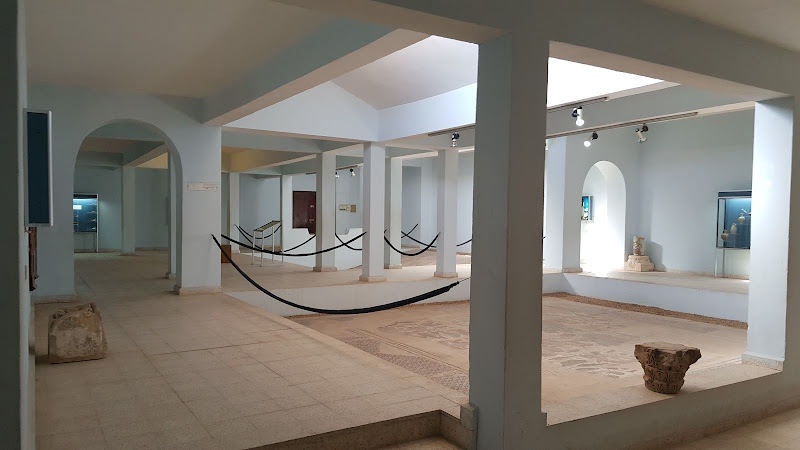
The Gafsa Archaeological Museum is one of those places that feels like stepping into a living time capsule. Tucked away in southern Tunisia, it quietly holds some of the richest traces of ancient history in North Africa. What makes it stand out isn’t just the artifacts themselves, but the way the whole place feels—like you’re walking through layers of civilizations that once thrived here. The museum is best known for its mosaics, many of which are surprisingly well-preserved and detailed enough to make you pause and stare for a while. Some are so vivid that you almost expect the figures to move.
The museum isn’t massive or overwhelming, and that’s actually part of its charm. You can take your time, wander at your own pace, and really soak in the details without feeling rushed. It’s also practical—wheelchair accessible entrances, restrooms, and even parking make it easy for just about anyone to visit. Families often bring kids here, and it’s a good choice since the exhibits are visually engaging. Of course, like any museum, not every visitor will be blown away—some find it modest compared to bigger institutions—but for those who appreciate history in its raw, authentic form, it’s a treasure.
I remember the first time I walked into the main hall, I was caught off guard by how bright the mosaics looked under the natural light. It wasn’t a sterile, glass-case kind of experience. It felt more personal, almost like being invited into someone’s home centuries ago. That’s the kind of intimacy this museum offers, and it’s what makes it worth the detour if you’re traveling through Tunisia.
Key Features
- Extensive collection of Roman-era mosaics, many remarkably intact
- Artifacts from prehistoric, Punic, and Byzantine periods
- Compact layout that allows for a relaxed, unhurried visit
- Wheelchair accessible facilities including entrance, parking, and restrooms
- Family-friendly environment, engaging for children
- Peaceful atmosphere, away from the bustle of larger tourist sites
Best Time to Visit
If you’re planning a trip, the cooler months between October and April are the most comfortable. Summers in Gafsa can be intense, with heat that makes wandering through any building a test of patience. During spring, the city itself feels a bit more alive, and you’ll likely find the museum quieter during weekdays. I once went on a Tuesday morning in March, and it felt like I had the whole place to myself. That kind of solitude lets you linger in front of each mosaic without feeling like you’re in someone’s way.
Afternoons tend to be busier, often with school groups or guided tours, so mornings are a safer bet if you want a calmer experience. And if you’re a photography enthusiast, the natural light streaming in late morning makes the mosaics glow in a way that cameras love.
How to Get There
Reaching the museum is relatively straightforward once you’re in Gafsa. The city is connected by road and rail to other Tunisian hubs, so you can come in by bus, train, or car. For travelers coming from Tunis, the train ride is long but scenic, offering a glimpse into the changing landscapes of the country. Driving is faster and gives you flexibility, especially if you want to pair your visit with nearby sites. Taxis within Gafsa are affordable, and most drivers know the museum well enough that you won’t need to explain much.
Personally, I recommend arriving by car if you can—there’s something about pulling into the city on your own schedule and not being tied to transport timetables. Plus, parking near the museum is accessible and not the headache it can be in larger cities.
Tips for Visiting
A few practical tips can make your visit smoother. First, bring a bottle of water, especially if you’re visiting in warmer months. The museum itself is manageable in size, but Gafsa’s heat can catch you off guard. Second, give yourself at least an hour to explore. It’s not huge, but rushing through would make you miss the smaller details—like the way certain mosaic tiles catch the light.
Photography is usually allowed, and you’ll want your camera ready. Just be mindful of flash, as it can harm delicate surfaces. If you’re traveling with kids, prepare them with a little background story about Roman life or ancient Tunisia—it makes the visit more engaging for them, and honestly, it’s fun for adults too.
And one last thing: don’t be afraid to chat with the staff. They’re often locals who know the stories behind the exhibits, and a quick conversation can give you insights you won’t find on the display cards. On my last visit, a guide pointed out a small detail in one of the mosaics that I would’ve completely overlooked—a fisherman’s net hidden in the corner. That little moment made the whole trip feel more personal.
So, take your time, stay curious, and let the museum surprise you. It might not be the grandest archaeological museum you’ll ever see, but it has a quiet power that sticks with you long after you leave.
Key Features
- Extensive collection of Roman-era mosaics, many remarkably intact
- Artifacts from prehistoric, Punic, and Byzantine periods
- Compact layout that allows for a relaxed, unhurried visit
- Wheelchair accessible facilities including entrance, parking, and restrooms
- Family-friendly environment, engaging for children
- Peaceful atmosphere, away from the bustle of larger tourist sites
More Details
Updated September 10, 2025
Table of Contents
Description
The Gafsa Archaeological Museum is one of those places that feels like stepping into a living time capsule. Tucked away in southern Tunisia, it quietly holds some of the richest traces of ancient history in North Africa. What makes it stand out isn’t just the artifacts themselves, but the way the whole place feels—like you’re walking through layers of civilizations that once thrived here. The museum is best known for its mosaics, many of which are surprisingly well-preserved and detailed enough to make you pause and stare for a while. Some are so vivid that you almost expect the figures to move.
The museum isn’t massive or overwhelming, and that’s actually part of its charm. You can take your time, wander at your own pace, and really soak in the details without feeling rushed. It’s also practical—wheelchair accessible entrances, restrooms, and even parking make it easy for just about anyone to visit. Families often bring kids here, and it’s a good choice since the exhibits are visually engaging. Of course, like any museum, not every visitor will be blown away—some find it modest compared to bigger institutions—but for those who appreciate history in its raw, authentic form, it’s a treasure.
I remember the first time I walked into the main hall, I was caught off guard by how bright the mosaics looked under the natural light. It wasn’t a sterile, glass-case kind of experience. It felt more personal, almost like being invited into someone’s home centuries ago. That’s the kind of intimacy this museum offers, and it’s what makes it worth the detour if you’re traveling through Tunisia.
Key Features
- Extensive collection of Roman-era mosaics, many remarkably intact
- Artifacts from prehistoric, Punic, and Byzantine periods
- Compact layout that allows for a relaxed, unhurried visit
- Wheelchair accessible facilities including entrance, parking, and restrooms
- Family-friendly environment, engaging for children
- Peaceful atmosphere, away from the bustle of larger tourist sites
Best Time to Visit
If you’re planning a trip, the cooler months between October and April are the most comfortable. Summers in Gafsa can be intense, with heat that makes wandering through any building a test of patience. During spring, the city itself feels a bit more alive, and you’ll likely find the museum quieter during weekdays. I once went on a Tuesday morning in March, and it felt like I had the whole place to myself. That kind of solitude lets you linger in front of each mosaic without feeling like you’re in someone’s way.
Afternoons tend to be busier, often with school groups or guided tours, so mornings are a safer bet if you want a calmer experience. And if you’re a photography enthusiast, the natural light streaming in late morning makes the mosaics glow in a way that cameras love.
How to Get There
Reaching the museum is relatively straightforward once you’re in Gafsa. The city is connected by road and rail to other Tunisian hubs, so you can come in by bus, train, or car. For travelers coming from Tunis, the train ride is long but scenic, offering a glimpse into the changing landscapes of the country. Driving is faster and gives you flexibility, especially if you want to pair your visit with nearby sites. Taxis within Gafsa are affordable, and most drivers know the museum well enough that you won’t need to explain much.
Personally, I recommend arriving by car if you can—there’s something about pulling into the city on your own schedule and not being tied to transport timetables. Plus, parking near the museum is accessible and not the headache it can be in larger cities.
Tips for Visiting
A few practical tips can make your visit smoother. First, bring a bottle of water, especially if you’re visiting in warmer months. The museum itself is manageable in size, but Gafsa’s heat can catch you off guard. Second, give yourself at least an hour to explore. It’s not huge, but rushing through would make you miss the smaller details—like the way certain mosaic tiles catch the light.
Photography is usually allowed, and you’ll want your camera ready. Just be mindful of flash, as it can harm delicate surfaces. If you’re traveling with kids, prepare them with a little background story about Roman life or ancient Tunisia—it makes the visit more engaging for them, and honestly, it’s fun for adults too.
And one last thing: don’t be afraid to chat with the staff. They’re often locals who know the stories behind the exhibits, and a quick conversation can give you insights you won’t find on the display cards. On my last visit, a guide pointed out a small detail in one of the mosaics that I would’ve completely overlooked—a fisherman’s net hidden in the corner. That little moment made the whole trip feel more personal.
So, take your time, stay curious, and let the museum surprise you. It might not be the grandest archaeological museum you’ll ever see, but it has a quiet power that sticks with you long after you leave.
Key Highlights
- Extensive collection of Roman-era mosaics, many remarkably intact
- Artifacts from prehistoric, Punic, and Byzantine periods
- Compact layout that allows for a relaxed, unhurried visit
- Wheelchair accessible facilities including entrance, parking, and restrooms
- Family-friendly environment, engaging for children
- Peaceful atmosphere, away from the bustle of larger tourist sites
Location
Places to Stay Near Gafsa Archaeological Museum
Find and Book a Tour
Explore More Travel Guides
No reviews found! Be the first to review!
Traveler Reviews for Gafsa Archaeological Museum
There are no reviews yet. Be the first one to write one.
Have you visited Gafsa Archaeological Museum? Help other travelers by sharing your review.
Find Accommodations Nearby
Recommended Tours & Activities
Visitor Reviews
There are no reviews yet. Be the first one to write one.
Share Your Experience
Have you visited Gafsa Archaeological Museum? Help other travelers by leaving a review.