
East Farleigh Bridge
About East Farleigh Bridge
Key Features
More Details
Updated June 11, 2025
Useful information for the Heart of Kent Walking Festival
# East Farleigh Bridge (Maidstone, Kent): what makes this medieval Medway crossing worth your time
East Farleigh Bridge is a medieval, multi-span stone bridge crossing the River Medway at East Farleigh in Kent, within the Maidstone district. England It’s protected at the highest levels: it’s both a Grade I listed building and a Scheduled Ancient Monument. England
If you’re the kind of traveler who stops for craftsmanship—masonry, geometry, and the quiet engineering choices that kept routes working for centuries—this bridge delivers.
## Quick facts you can rely on
– What it is: a medieval multi-span bridge over the River Medway. England
– Where: East Farleigh (also partly within Barming civil parish), Maidstone district, Kent, England. England
– Age: “about the fourteenth century” / “probably C14” (14th century). England
– Material: Kentish ragstone (roughly coursed ragstone; the scheduled-monument entry also notes Kentish ragstone). England
– Form: four pointed arches spanning the water, plus a later, smaller arch on the north bank spanning the towpath; the designation record describes five pointed arches in total (counting the smaller later arch). England
– Key features: substantial cutwaters between arches (on both sides), and a blind skew arch at the angle between bridge and the south approach retaining wall. England
– Repairs: recorded repair work in 1843. England
– Why it’s protected: Historic England notes it’s a well-preserved example of a medieval multi-span bridge and “one of the finest examples of its type in southern England.” England
## What you’re actually looking at on the bridge
### 1) Pointed arches that signal medieval bridge-building
The bridge’s main river spans are pointed arches, a common medieval choice in stone bridges (you’ll see Historic England discuss pointed arches as typical for medieval multi-span bridges). England
On East Farleigh Bridge specifically, the official listing describes four pointed arches over the water, with ribs and chamfers described in detail (including hollow-chamfered stone ribs on outer sides). England
Why it matters: Pointed arches aren’t just a style cue; they’re part of how medieval builders managed forces with the materials and techniques available.
### 2) Cutwaters that tell you this river has attitude
Between the arches are cutwaters—those wedge-like projections on piers that break the current. East Farleigh Bridge has cutwaters on both sides, rising to parapet level. England
What to notice: Cutwaters are a practical response to flow, debris, and scour. When you see them, you’re seeing a bridge designed for a working river, not a decorative water feature.
### 3) The “extra” arch: towpath accommodation and later adaptation
Historic England’s scheduling entry is explicit: on the north bank there’s a smaller, later arch spanning the towpath. England
The listed-building description also notes a low later arch with stone voussoirs spanning the tow path. England
Why it matters: Bridges evolve with river-use. Towpaths are part of the Medway’s working landscape, and this is the bridge adapting to it.
### 4) The south approach retaining wall (and its blind arch)
The listing describes a south-west retaining wall around 43 metres long that carries the road across low ground before the bridge, plus a blind skew arch at the angle between bridge and retaining wall. England
Practical tip: Don’t just photograph the “four arches over water” angle. Walk the approach and look for the retaining wall and blind arch—they’re the kind of details that separate a “nice bridge” from “I understand how this crossing works.”
## How to visit thoughtfully (and safely)
### Expect a constrained crossing
This is a historic road bridge, and the Wikipedia summary notes it is narrow—only wide enough for one-direction traffic at a time.
Even without getting into modern restriction details (which change), the physical reality is clear: it’s an old bridge built for earlier traffic assumptions.
On-foot etiquette
– Keep groups compact; don’t block the carriageway.
– If you stop to look at masonry details, do it from a safe position with clear sightlines.
### Respect the “Scheduled Ancient Monument” status
Being scheduled isn’t just a plaque-worthy title—it’s legal protection for a nationally important archaeological site. Historic England’s scheduling record emphasises that deposits beneath the bridge can preserve artefactual and environmental evidence from before the bridge existed. England
So: don’t climb on vulnerable masonry, don’t treat riverbanks like a scramble playground, and avoid anything that could disturb fabric or ground.
## A simple way to read the bridge like a historian
If you want a more meaningful visit than “old bridge, took photo,” use this quick lens:
1) Function first: a Medway crossing that enabled movement—people, goods, and later towpath activity. England
2) Engineering responses: pointed arches + cutwaters = design shaped by river conditions and stone constraints. England
3) Change over time: later towpath arch + documented 1843 repair = a structure maintained and modified rather than frozen in time. England
4) Protection today: Grade I listing + scheduling signals exceptional significance and survival. England
## Pair it with nearby context (internal links)
If you’re building a Kent day around heritage and walking routes, these are natural next stops on RealJourneyTravels.com:
– Maidstone guide: /england/kent/maidstone/
– Medway Valley walk ideas: /england/kent/medway-valley-walks/
## Accuracy + “outdated data” flags
– The bridge’s Grade I listing entry shows it was first listed on 26-Feb-1987; that’s stable as a designation fact. England
– User-submitted photos on listing pages can be older and may not reflect current condition (Historic England explicitly warns about this on the listing interface). England
– I did not include claims like “oldest bridge in Kent,” opening hours, parking, public-transport specifics, or current closures/weight limits because those are either not confirmed in the authoritative sources above or can change quickly.
—
Location anchor (from your dataset): Farleigh Ln, Maidstone • 51.254616, 0.484667 • Location type: Bridge • Rating: 4.4
Table of Contents
Key Highlights
East Farleigh Bridge
Location
Places to Stay Near East Farleigh Bridge"Historic bridge that is a must if you are into all things long ago"
Find and Book a Tour
Explore More Travel Guides
No reviews found! Be the first to review!
Traveler Reviews for East Farleigh Bridge
There are no reviews yet. Be the first one to write one.
Have you visited East Farleigh Bridge? Help other travelers by sharing your review.
You Might Also Like
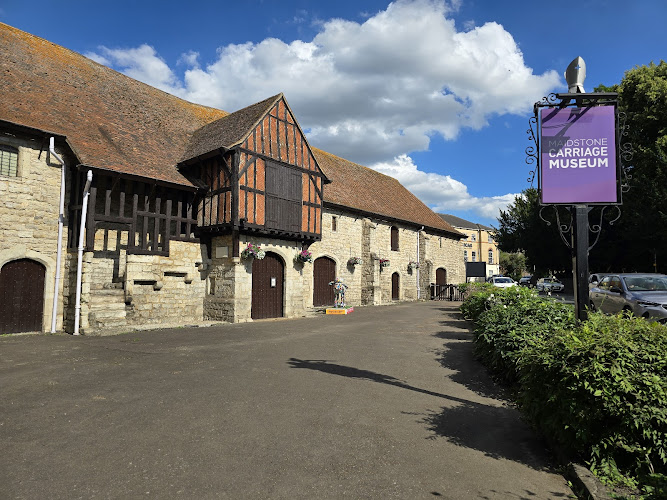
The Tyrwhitt-Drake Museum of Carriages
Escape Hub
Kent Owl Academy
Find Accommodations Nearby
Recommended Tours & Activities
Visitor Reviews
There are no reviews yet. Be the first one to write one.
Share Your Experience
Have you visited East Farleigh Bridge? Help other travelers by leaving a review.