
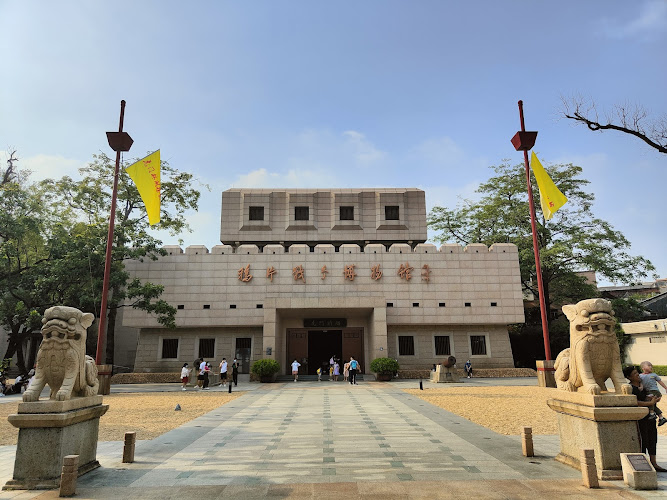
The Opium War Museum
About The Opium War Museum
Description
The Opium War Museum in Humen, Dongguan, is one of those places that quietly sneaks up on you. At first glance, it’s just another history museum, but once you step inside, you realize it’s telling a story that shaped not just China, but global trade and politics in the 19th century. The exhibitions cover everything from the infamous opium trade and Lin Zexu’s dramatic destruction of opium, to the battles fought along China’s coastlines. You’ll see artifacts that feel almost haunting—opium pipes, trade records, weapons, and even paintings that capture the chaos of the wars. It’s not a lighthearted museum, and honestly, it shouldn’t be. The subject matter is heavy, but it’s presented in a way that’s engaging and easy to follow, even if you’re not a history buff.
What struck me most when I visited was how the museum balances the serious tone with accessibility. The layout is clear, the signage is straightforward, and there are even digital displays that help bring the events to life. Families often bring their kids here, and it works surprisingly well because the exhibits are visual and interactive enough to keep younger visitors interested. The museum isn’t flashy—don’t expect high-tech gimmicks—but it has a quiet power. Some visitors walk away deeply moved, while others might find parts of it a bit repetitive. Still, it’s hard to deny its importance, both as a historical site and as a reminder of a turning point in China’s story.
Key Features
- Exhibition halls covering the lead-up to and aftermath of the First and Second Opium Wars
- Artifacts including opium-smoking tools, trade documents, and military weapons
- Paintings, historical photos, and cultural relics (over 1,500 items in total)
- Rotating exhibits that explore related themes of trade, foreign relations, and coastal defense
- Wheelchair accessible entrance and restrooms
- Family-friendly environment, with visual displays suitable for kids
- Connected historical sites nearby, including the Sea Battle Museum and forts
Best Time to Visit
If you’re planning a visit, weekdays are your best bet. The weekends can get crowded with school groups and families, which can make it harder to take your time with the exhibits. Morning visits are especially nice because the museum is quieter and you can linger without feeling rushed. Weather-wise, autumn and spring are ideal since Dongguan’s summers can be sweltering and humid. The museum itself is indoors and air-conditioned, but if you’re planning to explore the nearby forts and battle sites, cooler months make the experience far more comfortable. Personally, I went in late October, and it was perfect—warm sun outside, cool breezes, and fewer crowds.
How to Get There
The museum is located in Humen Town, Dongguan, which is fairly easy to reach if you’re coming from Guangzhou or Shenzhen. High-speed trains connect both cities to Dongguan, and from there you can take a taxi or local bus directly to Humen. If you’re already in Dongguan, a taxi is the simplest option—it’s affordable and saves a lot of hassle compared to figuring out bus routes. For those who like to travel more independently, rideshare apps work well here too. Just keep in mind that traffic around Humen can get heavy during peak hours, so plan accordingly if you’re on a tight schedule.
Tips for Visiting
Here’s where a little planning goes a long way. First, give yourself at least two hours inside the museum. It’s not enormous, but there’s a lot to take in, and rushing through would be a shame. If you’re the type who likes to read every plaque and really dig into the details, you might want to budget closer to three hours. Wear comfortable shoes because you’ll probably end up walking to the nearby forts and Sea Battle Museum afterward—it’s all part of the same historical complex, and skipping them would feel incomplete.
Bring a bottle of water with you. There isn’t a restaurant onsite, and while there are restrooms (which are clean and accessible), food options are limited in the immediate area. If you’re traveling with kids, the museum is actually a good choice—it’s educational without being overwhelming, and the displays are visual enough to hold their attention. Just be prepared to explain some of the heavier topics in simpler terms.
One more tip: don’t be surprised if you feel a little emotional as you walk through. The museum doesn’t sugarcoat the devastation the opium trade caused, and it’s easy to find yourself reflecting on how much history still echoes in the present. For me, standing in front of the exhibits about Lin Zexu’s destruction of opium was a moment that stuck—it felt like standing at the crossroads of courage and tragedy. That’s the kind of experience you take home with you, long after the trip is over.
Key Features
- Exhibition halls covering the lead-up to and aftermath of the First and Second Opium Wars
- Artifacts including opium-smoking tools, trade documents, and military weapons
- Paintings, historical photos, and cultural relics (over 1,500 items in total)
- Rotating exhibits that explore related themes of trade, foreign relations, and coastal defense
- Wheelchair accessible entrance and restrooms
- Family-friendly environment, with visual displays suitable for kids
- Connected historical sites nearby, including the Sea Battle Museum and forts
More Details
Updated September 9, 2025
Table of Contents
Description
The Opium War Museum in Humen, Dongguan, is one of those places that quietly sneaks up on you. At first glance, it’s just another history museum, but once you step inside, you realize it’s telling a story that shaped not just China, but global trade and politics in the 19th century. The exhibitions cover everything from the infamous opium trade and Lin Zexu’s dramatic destruction of opium, to the battles fought along China’s coastlines. You’ll see artifacts that feel almost haunting—opium pipes, trade records, weapons, and even paintings that capture the chaos of the wars. It’s not a lighthearted museum, and honestly, it shouldn’t be. The subject matter is heavy, but it’s presented in a way that’s engaging and easy to follow, even if you’re not a history buff.
What struck me most when I visited was how the museum balances the serious tone with accessibility. The layout is clear, the signage is straightforward, and there are even digital displays that help bring the events to life. Families often bring their kids here, and it works surprisingly well because the exhibits are visual and interactive enough to keep younger visitors interested. The museum isn’t flashy—don’t expect high-tech gimmicks—but it has a quiet power. Some visitors walk away deeply moved, while others might find parts of it a bit repetitive. Still, it’s hard to deny its importance, both as a historical site and as a reminder of a turning point in China’s story.
Key Features
- Exhibition halls covering the lead-up to and aftermath of the First and Second Opium Wars
- Artifacts including opium-smoking tools, trade documents, and military weapons
- Paintings, historical photos, and cultural relics (over 1,500 items in total)
- Rotating exhibits that explore related themes of trade, foreign relations, and coastal defense
- Wheelchair accessible entrance and restrooms
- Family-friendly environment, with visual displays suitable for kids
- Connected historical sites nearby, including the Sea Battle Museum and forts
Best Time to Visit
If you’re planning a visit, weekdays are your best bet. The weekends can get crowded with school groups and families, which can make it harder to take your time with the exhibits. Morning visits are especially nice because the museum is quieter and you can linger without feeling rushed. Weather-wise, autumn and spring are ideal since Dongguan’s summers can be sweltering and humid. The museum itself is indoors and air-conditioned, but if you’re planning to explore the nearby forts and battle sites, cooler months make the experience far more comfortable. Personally, I went in late October, and it was perfect—warm sun outside, cool breezes, and fewer crowds.
How to Get There
The museum is located in Humen Town, Dongguan, which is fairly easy to reach if you’re coming from Guangzhou or Shenzhen. High-speed trains connect both cities to Dongguan, and from there you can take a taxi or local bus directly to Humen. If you’re already in Dongguan, a taxi is the simplest option—it’s affordable and saves a lot of hassle compared to figuring out bus routes. For those who like to travel more independently, rideshare apps work well here too. Just keep in mind that traffic around Humen can get heavy during peak hours, so plan accordingly if you’re on a tight schedule.
Tips for Visiting
Here’s where a little planning goes a long way. First, give yourself at least two hours inside the museum. It’s not enormous, but there’s a lot to take in, and rushing through would be a shame. If you’re the type who likes to read every plaque and really dig into the details, you might want to budget closer to three hours. Wear comfortable shoes because you’ll probably end up walking to the nearby forts and Sea Battle Museum afterward—it’s all part of the same historical complex, and skipping them would feel incomplete.
Bring a bottle of water with you. There isn’t a restaurant onsite, and while there are restrooms (which are clean and accessible), food options are limited in the immediate area. If you’re traveling with kids, the museum is actually a good choice—it’s educational without being overwhelming, and the displays are visual enough to hold their attention. Just be prepared to explain some of the heavier topics in simpler terms.
One more tip: don’t be surprised if you feel a little emotional as you walk through. The museum doesn’t sugarcoat the devastation the opium trade caused, and it’s easy to find yourself reflecting on how much history still echoes in the present. For me, standing in front of the exhibits about Lin Zexu’s destruction of opium was a moment that stuck—it felt like standing at the crossroads of courage and tragedy. That’s the kind of experience you take home with you, long after the trip is over.
Key Highlights
- Exhibition halls covering the lead-up to and aftermath of the First and Second Opium Wars
- Artifacts including opium-smoking tools, trade documents, and military weapons
- Paintings, historical photos, and cultural relics (over 1,500 items in total)
- Rotating exhibits that explore related themes of trade, foreign relations, and coastal defense
- Wheelchair accessible entrance and restrooms
- Family-friendly environment, with visual displays suitable for kids
- Connected historical sites nearby, including the Sea Battle Museum and forts
Location
Places to Stay Near The Opium War Museum
Find and Book a Tour
Explore More Travel Guides
No reviews found! Be the first to review!
Traveler Reviews for The Opium War Museum
There are no reviews yet. Be the first one to write one.
Have you visited The Opium War Museum? Help other travelers by sharing your review.
You Might Also Like

Tongsha Ecological Park
-Dongguan.jpg)
Shuilianshan Forest Park (Northwest Gate)
华南mall
Find Accommodations Nearby
Recommended Tours & Activities
Visitor Reviews
There are no reviews yet. Be the first one to write one.
Share Your Experience
Have you visited The Opium War Museum? Help other travelers by leaving a review.