
Castro de Avelãs Monastery
About Castro de Avelãs Monastery
Key Features
More Details
Updated June 11, 2025
## Castro de Avelãs Monastery: Brick-Built Romanesque Rarity Near Bragança
Just 3 km outside Bragança, in the quiet parish of Castro de Avelãs, you’ll find one of Portugal’s most unusual medieval churches: the former monastery of São Salvador de Castro de Avelãs. Today only part of the complex survives, but the brick Romanesque apse and its twin apsidioles are so distinctive that the site is listed as a National Monument of Portugal. Portugal
For travellers interested in architecture, pilgrimage routes, or low-key heritage stops in Trás-os-Montes, this is a very worthwhile detour from Bragança’s walled old town.
—
## Why Detour to Castro de Avelãs?
– Unique architecture in Portugal – The surviving chevet (apse and two semi-circular side chapels) is built almost entirely in brick, with layers of blind arches and decorative friezes. This kind of Mudéjar-influenced Romanesque is extremely rare in Portugal and is closely compared to churches around Sahagún in León, Spain.
– Key stop on a historic Santiago route – From the 12th to the late 16th century, the monastery supported pilgrims travelling towards Santiago de Compostela, providing lodging and spiritual support as they crossed the rugged northeast. Portugal
– Easy side trip from Bragança – The village lies only a few kilometres from the city; several local sources specify around 3 km, making it easy to combine with Bragança’s citadel and museums in a half-day loop. Portugal
If you’re planning a broader itinerary, this stop pairs logically with a Bragança city walk (internal link: Bragança travel guide) and a northern Portugal road trip through Trás-os-Montes (internal link: Northern Portugal itinerary).
—
## A Short History of the Monastery
### Benedictine powerhouse in Trás-os-Montes
The complex began life as a Benedictine monastery dedicated to São Salvador, founded in the medieval period and clearly active by the 12th–13th centuries.
– It enjoyed the protection of early Portuguese rulers (sources mention Afonso Henriques) and grew into a wealthy institution that helped settle this frontier region and manage surrounding lands.
– The monastery’s influence extended well beyond the village, acting as a religious, economic, and administrative centre in the northeast until at least the 16th century.
Some references describe the house as Cluniac or connect it to the wider Cluniac and Cistercian reform networks because of its ties to the pilgrimage routes and its architectural affinities. Scholars don’t entirely agree on the exact monastic affiliation labels, so it’s best to think of Castro de Avelãs as a Benedictine monastery shaped by broader reform currents coming from León and beyond.
### Papal bull, decline and dismantling
The turning point came in 1543, when a papal bull issued by Pope Paul III dissolved the monastery and annexed its property and community to the new diocese of Miranda do Douro. Portugal
– With the monks transferred and assets absorbed elsewhere, the site gradually declined.
– Over subsequent centuries, large parts of the complex were demolished and building materials were reused in other local constructions, a common fate for abandoned monastic houses. Atlántico
By the modern period, only fragments of the medieval buildings remained visible above ground.
### 18th-century rebuilding and 20th-century research
In the 18th century, a new single-nave parish church was built directly against the old brick apse:
– The medieval north apsidiole was converted into the sacristy.
– The south apsidiole was reconstructed in the 20th century to better suggest the original three-part chevet. Atlántico
Archaeological work has been ongoing:
– In 2006, excavations uncovered traces of the former cloister and conventual wings next to the church, confirming that what you see today is only a fragment of a much larger complex. Atlántico
Because much of the research and conservation reporting dates from the early 2000s, newer digs or restorations may not yet be widely published. If you’re deeply interested in archaeology, it’s worth checking the latest information from regional heritage bodies before you visit, as details can evolve.
—
## Architecture: Mudéjar Romanesque in Brick
### The apse that makes architects detour
The standout feature is the Romanesque chevet, usually photographed from the exterior:
– Built almost entirely in brick masonry, a rarity in Portuguese Romanesque, which is more typically stone.
– Composed of a large central apse flanked by two smaller semi-circular apsidioles.
– Decorated with overlapping blind arches, pilaster strips and friezes, creating a kind of brick lacework that plays with light and shadow throughout the day.
Art historians classify the style as Mudéjar Romanesque, influenced by León and by brick-built churches across the border in Spain. This is part of a broader Iberian story where Christian communities incorporated techniques and aesthetics associated with Muslim builders—most clearly visible in the use of brick, horseshoe arches in some regions, and repetitive geometric decoration.
### Inside the church
The interior today belongs mostly to the 18th-century parish church, with its simpler single nave, but there are still details worth slowing down for:
– The junction between whitewashed nave and brick apse tells the story of centuries layered together.
– In one of the apsidioles, you can see a 13th-century granite sarcophagus, traditionally attributed to the noble Nuno Martins de Chacim, with an inscription using the old Iberian “Era” dating system and heraldic shields carved in relief.
The attribution of the sarcophagus is based on epigraphic and heraldic readings; as with many medieval tombs, there’s a degree of scholarly interpretation involved, and casual visitors will usually only see a brief explanatory panel.
—
## Visitor Experience: What to Expect on the Ground
### Setting and atmosphere
Castro de Avelãs is a small rural village in the Bragança municipality. The church and apse stand slightly apart from the houses, surrounded by fields and low stone walls. Photos and recent travel reports highlight:
– A quiet environment, more about contemplation and photography than large-scale tourism. Travel
– Limited commercial infrastructure directly at the site—most services, cafés and restaurants are in Bragança itself. NORDESTIN’
Because this is an active parish church, it’s important to be respectful of local worship and community events. Dress modestly, keep noise down, and avoid intrusive photography during services.
### Access and practicalities
– Distance from Bragança: Multiple sources mention approximately 3 km from the city, usually reached by local road in a short drive or taxi. Portugal
– Signage: Regional tourism portals include Castro de Avelãs on heritage and Romanesque routes; on the ground, expect basic brown tourist signs but not an intensely interpretive visitor centre.
> Potentially outdated information:
> Many online descriptions of facilities, access and signage date from around 2010–2021. Travel Opening hours, parish schedules or on-site information may have changed since then. Always confirm up-to-date visiting times via the Bragança tourism office or the official VisitPortugal/municipal websites before planning a tight schedule.
If you’re travelling without a car, ask locally in Bragança about current bus or taxi options—rural public transport timetables in Portugal can change with little notice.
—
## How to Fold Castro de Avelãs into a Wider Trip
### Combine with Bragança’s castle and museums
A very workable day in the area might look like:
1. Morning in Bragança’s citadel – Explore the Domus Municipalis, castle keep and historic churches (see our Bragança travel guide for detail).
2. Lunch in the city – Take advantage of Bragança’s restaurants before heading into the countryside.
3. Afternoon detour to Castro de Avelãs – Spend 30–60 minutes around the church and apse, with time for photos and a slow walk through the village.
This makes sense both for road-trippers crossing northern Portugal and for travellers coming down from Zamora or León in Spain.
### Fits well into pilgrimage or Romanesque-focused routes
Because the monastery historically supported pilgrims heading to Santiago de Compostela, it’s an attractive stop if you’re:
– Following alternative Caminho de Santiago variants through Trás-os-Montes. Portugal
– Building a self-drive route centred on Romanesque churches of northern Portugal, where Castro de Avelãs stands out thanks to its brick Mudéjar apse and Leonese connections.
For deeper context on the region’s Romanesque heritage, you can cross-reference with materials from the Rota do Românico Atlântico project, which documents restoration work and interpretation at the church. Atlántico
—
## Inclusivity, Accessibility and Responsible Travel
– Religious context: While this is a Christian site with Benedictine roots, the architecture embodies centuries of cultural interaction across Iberia. You don’t need to share the faith background to appreciate the artistry, and respectful visitors of any belief—or none—are welcome.
– Mobility considerations: Published material doesn’t yet provide detailed accessibility data (ramps, step-free access or adapted toilets). Given the age of the building and the cobbled surroundings visible in images, visitors with reduced mobility may face uneven ground and steps. Check ahead with Bragança’s tourism office if this is crucial for your planning.
– Heritage protection: The apse and ruins are fragile; avoid climbing on walls or foundations exposed by archaeology. Stick to marked paths and respect any barriers or conservation signage.
—
## Final Thoughts
Castro de Avelãs Monastery is not a major “tick-box” sight, and that’s exactly its appeal. It offers:
Key Highlights
Castro de Avelãs Monastery
Location
Places to Stay Near Castro de Avelãs Monastery"Vale a pena a visita e conhecer um pouco mais do património ..."
Find and Book a Tour
Explore More Travel Guides
No reviews found! Be the first to review!
Traveler Reviews for Castro de Avelãs Monastery
There are no reviews yet. Be the first one to write one.
Have you visited Castro de Avelãs Monastery? Help other travelers by sharing your review.
You Might Also Like
Aventura Norte

Museu do Abade de Baçal
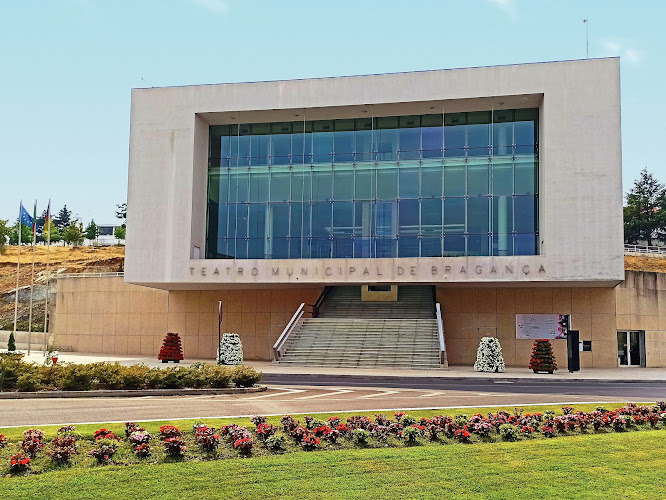
Teatro Municipal de Bragança
Find Accommodations Nearby
Recommended Tours & Activities
Visitor Reviews
There are no reviews yet. Be the first one to write one.
Share Your Experience
Have you visited Castro de Avelãs Monastery? Help other travelers by leaving a review.