
Pest House Medical Museum
About Pest House Medical Museum
Description
The Pest House Medical Museum in Lynchburg, Virginia, is one of those places that makes you pause and think about how people lived, suffered, and healed in centuries past. Originally built in the 1840s, this small white-frame structure was once a quarantine house for those suffering from contagious diseases like smallpox during the Civil War era. Later, it became the medical office of Dr. John Jay Terrell, a physician who dedicated his life to treating the sick under incredibly challenging conditions. Today, the building has been carefully restored and relocated to the Old City Cemetery, where it stands as both a museum and a reminder of the resilience of human spirit in the face of illness and loss.
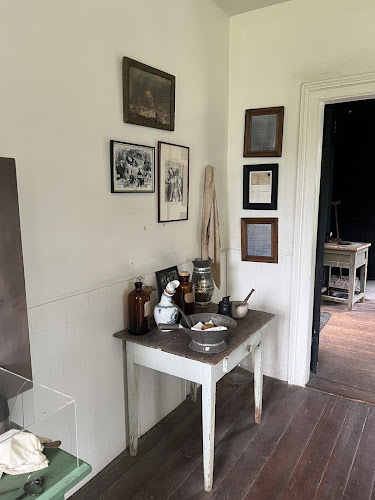
Walking inside, you’ll find it’s not a grand museum with shiny displays or high-tech exhibits. Instead, it’s raw, intimate, and almost haunting in its simplicity. The wooden walls, the antique medical instruments, and the stories told through artifacts all transport you back to a time when medicine was more about grit and compassion than technology. It’s not flashy, but that’s exactly what makes it powerful. Some visitors walk away deeply moved, others a little unsettled, but almost everyone agrees it’s a place that sticks with you long after you leave.
Key Features
- A genuine 1840s building that once served as a quarantine hospital for contagious diseases.
- Authentic Civil War-era medical tools, apothecary jars, and surgical instruments on display.
- Exhibits that highlight Dr. John Jay Terrell’s work and the harsh realities of 19th-century medicine.
- Educational insights into how smallpox and other deadly illnesses were treated—or not treated—at the time.
- Part of the Old City Cemetery, which itself is a historic site with thousands of Civil War burials and other heritage landmarks.
- Restored interiors that recreate the feel of a country doctor’s office from 1860 to 1900.
- Family-friendly in the sense that it’s educational, though younger kids may find the subject matter a bit heavy.
Best Time to Visit
The museum is open year-round, but the best time to visit is in the spring or fall when the Old City Cemetery grounds are at their most beautiful. The blooming flowers in April and May add a softer contrast to the somber history inside the Pest House, while autumn brings crisp air and fiery leaves that make the entire cemetery feel almost cinematic. Summer can be hot and humid, and winter has its own charm—quiet, stark, and a little eerie, which can actually enhance the experience if you’re into that sort of atmosphere. Personally, I’d recommend late October. There’s just something about walking through a cemetery museum with the crunch of leaves underfoot that feels perfectly timed.
How to Get There
Reaching the Pest House Medical Museum is fairly straightforward if you’re already in or around Lynchburg. It’s located within the Old City Cemetery, which is a well-known landmark in the area. If you’re driving, there’s accessible parking available, including wheelchair-friendly spaces. Public transportation options are limited, so having a car is the easiest way to get there. Once you arrive at the cemetery grounds, the museum is a short walk from the main entrance. Just keep in mind that while the parking lot and restrooms are wheelchair accessible, the entrance to the Pest House itself is not fully accessible due to the historic nature of the building.
Tips for Visiting
Here are a few things I’ve learned from visiting and from chatting with others who’ve been there:
- Take your time: It’s a small museum, but don’t rush through it. The details—the jars, the handwritten notes, the rustic furniture—tell the story just as much as the exhibits.
- Pair it with the cemetery: The Pest House is only one part of the Old City Cemetery experience. Plan to spend at least a couple of hours wandering the grounds. It’s peaceful, historic, and surprisingly beautiful.
- Prepare for strong emotions: Some visitors feel a heaviness inside the Pest House. It’s not staged to be scary, but the history itself is sobering. If you’re sensitive, be ready for that.
- Bring water and comfy shoes: The cemetery grounds are large, and you’ll likely want to explore beyond the museum. A good pair of walking shoes makes a big difference.
- Good for kids, but with context: Children can definitely learn a lot here, but it helps to explain the history in advance so they don’t get spooked by the medical displays.
- No restaurant on-site: Pack a snack or plan to eat before or after your visit, since there aren’t dining options at the museum or cemetery.
- Photography is allowed: And honestly, the rustic interiors make for some striking photos. Just remember to be respectful—it’s a historic site, not a photo-op backdrop.
At the end of the day, the Pest House Medical Museum isn’t about entertainment—it’s about perspective. It reminds us how far medicine has come and how fragile life once was. If you’re the type of traveler who likes places with real stories, places that make you stop scrolling and start reflecting, then this little museum is worth your time. It’s not the flashiest attraction in Virginia, but it’s one of the most thought-provoking. And sometimes, that’s exactly what travel is meant to be.
Key Features
- A genuine 1840s building that once served as a quarantine hospital for contagious diseases.
- Authentic Civil War-era medical tools, apothecary jars, and surgical instruments on display.
- Exhibits that highlight Dr. John Jay Terrell’s work and the harsh realities of 19th-century medicine.
- Educational insights into how smallpox and other deadly illnesses were treated—or not treated—at the time.
- Part of the Old City Cemetery, which itself is a historic site with thousands of Civil War burials and other heritage landmarks.
- Restored interiors that recreate the feel of a country doctor’s office from 1860 to 1900.
- Family-friendly in the sense that it’s educational, though younger kids may find the subject matter a bit heavy.
More Details
Updated September 9, 2025
Table of Contents
Description
The Pest House Medical Museum in Lynchburg, Virginia, is one of those places that makes you pause and think about how people lived, suffered, and healed in centuries past. Originally built in the 1840s, this small white-frame structure was once a quarantine house for those suffering from contagious diseases like smallpox during the Civil War era. Later, it became the medical office of Dr. John Jay Terrell, a physician who dedicated his life to treating the sick under incredibly challenging conditions. Today, the building has been carefully restored and relocated to the Old City Cemetery, where it stands as both a museum and a reminder of the resilience of human spirit in the face of illness and loss.
Walking inside, you’ll find it’s not a grand museum with shiny displays or high-tech exhibits. Instead, it’s raw, intimate, and almost haunting in its simplicity. The wooden walls, the antique medical instruments, and the stories told through artifacts all transport you back to a time when medicine was more about grit and compassion than technology. It’s not flashy, but that’s exactly what makes it powerful. Some visitors walk away deeply moved, others a little unsettled, but almost everyone agrees it’s a place that sticks with you long after you leave.
Key Features
- A genuine 1840s building that once served as a quarantine hospital for contagious diseases.
- Authentic Civil War-era medical tools, apothecary jars, and surgical instruments on display.
- Exhibits that highlight Dr. John Jay Terrell’s work and the harsh realities of 19th-century medicine.
- Educational insights into how smallpox and other deadly illnesses were treated—or not treated—at the time.
- Part of the Old City Cemetery, which itself is a historic site with thousands of Civil War burials and other heritage landmarks.
- Restored interiors that recreate the feel of a country doctor’s office from 1860 to 1900.
- Family-friendly in the sense that it’s educational, though younger kids may find the subject matter a bit heavy.
Best Time to Visit
The museum is open year-round, but the best time to visit is in the spring or fall when the Old City Cemetery grounds are at their most beautiful. The blooming flowers in April and May add a softer contrast to the somber history inside the Pest House, while autumn brings crisp air and fiery leaves that make the entire cemetery feel almost cinematic. Summer can be hot and humid, and winter has its own charm—quiet, stark, and a little eerie, which can actually enhance the experience if you’re into that sort of atmosphere. Personally, I’d recommend late October. There’s just something about walking through a cemetery museum with the crunch of leaves underfoot that feels perfectly timed.
How to Get There
Reaching the Pest House Medical Museum is fairly straightforward if you’re already in or around Lynchburg. It’s located within the Old City Cemetery, which is a well-known landmark in the area. If you’re driving, there’s accessible parking available, including wheelchair-friendly spaces. Public transportation options are limited, so having a car is the easiest way to get there. Once you arrive at the cemetery grounds, the museum is a short walk from the main entrance. Just keep in mind that while the parking lot and restrooms are wheelchair accessible, the entrance to the Pest House itself is not fully accessible due to the historic nature of the building.
Tips for Visiting
Here are a few things I’ve learned from visiting and from chatting with others who’ve been there:
- Take your time: It’s a small museum, but don’t rush through it. The details—the jars, the handwritten notes, the rustic furniture—tell the story just as much as the exhibits.
- Pair it with the cemetery: The Pest House is only one part of the Old City Cemetery experience. Plan to spend at least a couple of hours wandering the grounds. It’s peaceful, historic, and surprisingly beautiful.
- Prepare for strong emotions: Some visitors feel a heaviness inside the Pest House. It’s not staged to be scary, but the history itself is sobering. If you’re sensitive, be ready for that.
- Bring water and comfy shoes: The cemetery grounds are large, and you’ll likely want to explore beyond the museum. A good pair of walking shoes makes a big difference.
- Good for kids, but with context: Children can definitely learn a lot here, but it helps to explain the history in advance so they don’t get spooked by the medical displays.
- No restaurant on-site: Pack a snack or plan to eat before or after your visit, since there aren’t dining options at the museum or cemetery.
- Photography is allowed: And honestly, the rustic interiors make for some striking photos. Just remember to be respectful—it’s a historic site, not a photo-op backdrop.
At the end of the day, the Pest House Medical Museum isn’t about entertainment—it’s about perspective. It reminds us how far medicine has come and how fragile life once was. If you’re the type of traveler who likes places with real stories, places that make you stop scrolling and start reflecting, then this little museum is worth your time. It’s not the flashiest attraction in Virginia, but it’s one of the most thought-provoking. And sometimes, that’s exactly what travel is meant to be.
Key Highlights
- A genuine 1840s building that once served as a quarantine hospital for contagious diseases.
- Authentic Civil War-era medical tools, apothecary jars, and surgical instruments on display.
- Exhibits that highlight Dr. John Jay Terrell’s work and the harsh realities of 19th-century medicine.
- Educational insights into how smallpox and other deadly illnesses were treated—or not treated—at the time.
- Part of the Old City Cemetery, which itself is a historic site with thousands of Civil War burials and other heritage landmarks.
- Restored interiors that recreate the feel of a country doctor’s office from 1860 to 1900.
- Family-friendly in the sense that it’s educational, though younger kids may find the subject matter a bit heavy.
Location
Places to Stay Near Pest House Medical Museum
Find and Book a Tour
Explore More Travel Guides
No reviews found! Be the first to review!
Traveler Reviews for Pest House Medical Museum
There are no reviews yet. Be the first one to write one.
Have you visited Pest House Medical Museum? Help other travelers by sharing your review.
You Might Also Like

Hollins Mill Park

Lynchburg Museum & Visitor Services
Amazement Square
Find Accommodations Nearby
Recommended Tours & Activities
Visitor Reviews
There are no reviews yet. Be the first one to write one.
Share Your Experience
Have you visited Pest House Medical Museum? Help other travelers by leaving a review.