
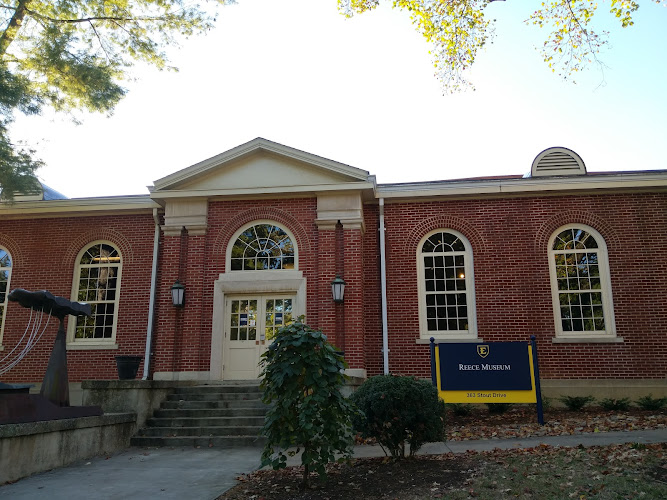
Reece Museum
About Reece Museum
Description
The Reece Museum at East Tennessee State University is one of those places that quietly surprises you. It is not a massive, high-profile museum with endless crowds, but rather a thoughtful, well-curated space that digs deep into the stories of Appalachia—its people, its art, its traditions, and its ongoing cultural evolution. Walking through the galleries feels less like checking off a tourist attraction and more like stepping into a conversation with the region itself. The mix of historical artifacts and contemporary exhibits gives a sense of continuity, showing how Appalachian culture has adapted without losing its roots.
What makes the Reece Museum stand out is its authenticity. You can tell the exhibits weren’t just thrown together to impress visitors—they were crafted with care, research, and a genuine respect for the community. Some displays might feel a little understated compared to flashy big-city museums, but that’s part of the charm. There’s a warmth here, a sense of connection, that makes you want to linger. And honestly, that’s what a good museum should do: make you slow down, think, and maybe even see yourself in the stories being told.
Key Features
- Focus on Appalachian history and culture, blending traditional and modern perspectives
- Rotating exhibits that highlight local artists and storytellers
- Wheelchair accessible entrance, parking, and restrooms for inclusive access
- Guided tours available for visitors who prefer deeper context
- On-site parking, which is a relief if you’ve ever tried to find a spot on a busy campus
- Kid-friendly environment that makes it easier for families to explore together
- Restrooms available, though no on-site restaurant—so plan your meals before or after
Personally, I love that the museum doesn’t try to be everything at once. It knows its niche and does it well. The rotating exhibits keep things fresh, so if you’ve been before, chances are the next visit will offer something new. That sense of discovery keeps people coming back.
Best Time to Visit
The best time to visit the Reece Museum really depends on what you’re after. If you enjoy quieter spaces where you can take your time without feeling rushed, weekdays during the academic year are ideal. The campus has a steady rhythm then, and the museum feels calm and reflective. If you’re more interested in catching special exhibits or events, keep an eye on seasonal programming—fall and spring often bring in new displays that tie into university and community activities.
From my own experience, autumn is a particularly magical time. The campus trees put on a show of color, and pairing that with a museum visit makes for a day that feels both educational and restorative. Summers can be nice too, though the energy is different with fewer students around. Honestly, there’s no wrong season—just different moods.
How to Get There
Getting to the Reece Museum is pretty straightforward if you’re already in Johnson City or the surrounding area. Since it’s located on the East Tennessee State University campus, you’ll want to follow signs for the university and then look for museum-specific markers once you’re close. Driving is the most practical option, especially since the museum offers on-site parking. For those who prefer public transportation, local bus routes can drop you near campus, though you might have a short walk to the entrance.
I’ve always found driving to be the easiest approach, especially if you’re planning to combine the museum with other regional stops. Having your own car gives you flexibility—you can explore downtown Johnson City afterward or head into the mountains for a scenic drive. Just be mindful of campus traffic if you’re arriving during peak class hours.
Tips for Visiting
Here are a few things I’ve learned that can make your visit smoother and more enjoyable:
- Take your time: The museum isn’t massive, but it rewards slow exploration. Read the exhibit notes, watch the videos, and let yourself absorb the details.
- Ask about tours: If you’re the type who likes context, guided tours can add a whole new layer of understanding. The staff are passionate and know their stuff.
- Plan around meals: Since there’s no restaurant on-site, think ahead about where you’ll eat. Johnson City has plenty of good spots nearby, so you won’t go hungry.
- Bring kids: The museum is family-friendly, and kids often enjoy the hands-on or visually engaging exhibits. It’s a nice way to introduce them to regional history without overwhelming them.
- Check the schedule: Exhibits rotate, and special events pop up throughout the year. A quick look at the schedule before you go ensures you don’t miss something special.
- Accessibility is solid: If mobility is a concern, rest assured that the entrance, parking, and restrooms are wheelchair accessible.
One last tip from personal experience—don’t rush off when you’re done. Take a moment outside the museum to soak in the campus atmosphere. There’s something grounding about being in a place where history, art, and education all intersect. It makes the visit feel complete, like you’ve connected with something bigger than just a collection of exhibits.
Key Features
- Focus on Appalachian history and culture, blending traditional and modern perspectives
- Rotating exhibits that highlight local artists and storytellers
- Wheelchair accessible entrance, parking, and restrooms for inclusive access
- Guided tours available for visitors who prefer deeper context
- On-site parking, which is a relief if you’ve ever tried to find a spot on a busy campus
- Kid-friendly environment that makes it easier for families to explore together
- Restrooms available, though no on-site restaurant—so plan your meals before or after
More Details
Updated September 9, 2025
Table of Contents
Description
The Reece Museum at East Tennessee State University is one of those places that quietly surprises you. It is not a massive, high-profile museum with endless crowds, but rather a thoughtful, well-curated space that digs deep into the stories of Appalachia—its people, its art, its traditions, and its ongoing cultural evolution. Walking through the galleries feels less like checking off a tourist attraction and more like stepping into a conversation with the region itself. The mix of historical artifacts and contemporary exhibits gives a sense of continuity, showing how Appalachian culture has adapted without losing its roots.
What makes the Reece Museum stand out is its authenticity. You can tell the exhibits weren’t just thrown together to impress visitors—they were crafted with care, research, and a genuine respect for the community. Some displays might feel a little understated compared to flashy big-city museums, but that’s part of the charm. There’s a warmth here, a sense of connection, that makes you want to linger. And honestly, that’s what a good museum should do: make you slow down, think, and maybe even see yourself in the stories being told.
Key Features
- Focus on Appalachian history and culture, blending traditional and modern perspectives
- Rotating exhibits that highlight local artists and storytellers
- Wheelchair accessible entrance, parking, and restrooms for inclusive access
- Guided tours available for visitors who prefer deeper context
- On-site parking, which is a relief if you’ve ever tried to find a spot on a busy campus
- Kid-friendly environment that makes it easier for families to explore together
- Restrooms available, though no on-site restaurant—so plan your meals before or after
Personally, I love that the museum doesn’t try to be everything at once. It knows its niche and does it well. The rotating exhibits keep things fresh, so if you’ve been before, chances are the next visit will offer something new. That sense of discovery keeps people coming back.
Best Time to Visit
The best time to visit the Reece Museum really depends on what you’re after. If you enjoy quieter spaces where you can take your time without feeling rushed, weekdays during the academic year are ideal. The campus has a steady rhythm then, and the museum feels calm and reflective. If you’re more interested in catching special exhibits or events, keep an eye on seasonal programming—fall and spring often bring in new displays that tie into university and community activities.
From my own experience, autumn is a particularly magical time. The campus trees put on a show of color, and pairing that with a museum visit makes for a day that feels both educational and restorative. Summers can be nice too, though the energy is different with fewer students around. Honestly, there’s no wrong season—just different moods.
How to Get There
Getting to the Reece Museum is pretty straightforward if you’re already in Johnson City or the surrounding area. Since it’s located on the East Tennessee State University campus, you’ll want to follow signs for the university and then look for museum-specific markers once you’re close. Driving is the most practical option, especially since the museum offers on-site parking. For those who prefer public transportation, local bus routes can drop you near campus, though you might have a short walk to the entrance.
I’ve always found driving to be the easiest approach, especially if you’re planning to combine the museum with other regional stops. Having your own car gives you flexibility—you can explore downtown Johnson City afterward or head into the mountains for a scenic drive. Just be mindful of campus traffic if you’re arriving during peak class hours.
Tips for Visiting
Here are a few things I’ve learned that can make your visit smoother and more enjoyable:
- Take your time: The museum isn’t massive, but it rewards slow exploration. Read the exhibit notes, watch the videos, and let yourself absorb the details.
- Ask about tours: If you’re the type who likes context, guided tours can add a whole new layer of understanding. The staff are passionate and know their stuff.
- Plan around meals: Since there’s no restaurant on-site, think ahead about where you’ll eat. Johnson City has plenty of good spots nearby, so you won’t go hungry.
- Bring kids: The museum is family-friendly, and kids often enjoy the hands-on or visually engaging exhibits. It’s a nice way to introduce them to regional history without overwhelming them.
- Check the schedule: Exhibits rotate, and special events pop up throughout the year. A quick look at the schedule before you go ensures you don’t miss something special.
- Accessibility is solid: If mobility is a concern, rest assured that the entrance, parking, and restrooms are wheelchair accessible.
One last tip from personal experience—don’t rush off when you’re done. Take a moment outside the museum to soak in the campus atmosphere. There’s something grounding about being in a place where history, art, and education all intersect. It makes the visit feel complete, like you’ve connected with something bigger than just a collection of exhibits.
Key Highlights
- Focus on Appalachian history and culture, blending traditional and modern perspectives
- Rotating exhibits that highlight local artists and storytellers
- Wheelchair accessible entrance, parking, and restrooms for inclusive access
- Guided tours available for visitors who prefer deeper context
- On-site parking, which is a relief if you’ve ever tried to find a spot on a busy campus
- Kid-friendly environment that makes it easier for families to explore together
- Restrooms available, though no on-site restaurant—so plan your meals before or after
Location
Places to Stay Near Reece Museum
Find and Book a Tour
Explore More Travel Guides
No reviews found! Be the first to review!
Traveler Reviews for Reece Museum
There are no reviews yet. Be the first one to write one.
Have you visited Reece Museum? Help other travelers by sharing your review.
You Might Also Like
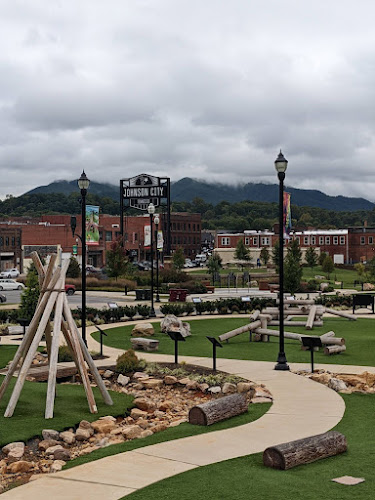
King Commons Park
Appalachian GhostWalks
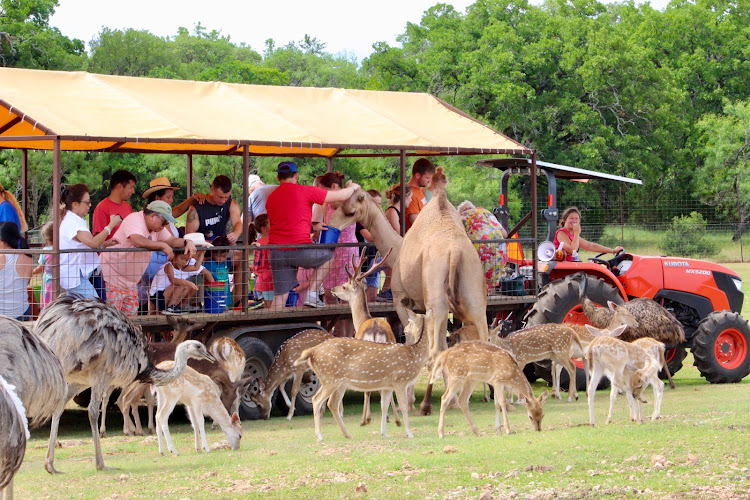
The Exotic Resort Zoo
Find Accommodations Nearby
Recommended Tours & Activities
Visitor Reviews
There are no reviews yet. Be the first one to write one.
Share Your Experience
Have you visited Reece Museum? Help other travelers by leaving a review.