
Banana Art Galley
About Banana Art Galley
Key Features
More Details
Updated April 16, 2024
## Banana Art Gallery, Shashamane (Ethiopia): What It Is, Where It Is, and How to Visit Responsibly
Shashamane (Oromia Region) has a small, one-of-a-kind attraction that most guidebooks only mention in passing: the Banana Art Gallery—an artist’s home-studio and garden run by Ras Hailu Tefari (often called “Banana Man”), a Rasta elder originally from St. Vincent and the Grenadines. His medium is the banana plant itself: leaves, bark, flower, even fibers, assembled into intricate images without dyes—the tones come from the natural shades of the plant. Fair
### Quick facts (verified)
– Type: Private home-gallery / workshop (not a state museum) focused on banana-leaf collage art. Fair
– Artist: Ras Hailu Tefari (a.k.a. “Banana Man”), long-time member of Shashamane’s Rastafari community. Fair
– Medium & method: Natural banana plant materials glued to board; no added pigments or stains.
– Approximate location: Shashamane’s Rasta area near local landmarks such as the Black Lion Museum and Melka Oda General Hospital; mappable on third-party mapping sites as “Banana Art Gallery.” Coordinates: ~7.2149° N, 38.6150° E.
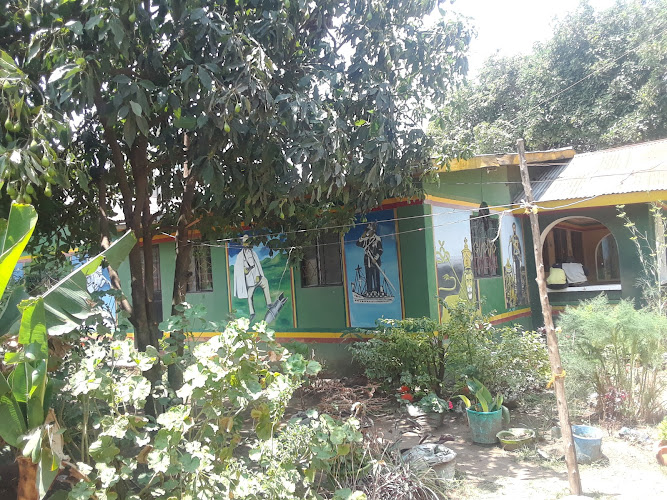
– What to expect: A garden setting and a compact display space with finished works and in-progress pieces; occasionally, the artist or family members receive visitors and discuss the craft. Fair
> Important currency check: Most detailed reporting on the gallery is older (2013–2019). Opening times, contact details, and what’s on display can change; plan to verify on the ground in Shashamane before making a long detour. Fair
—
## Why the Banana Art Gallery matters
Shashamane is widely known for its Rastafari community; within that story, the Banana Art Gallery represents a highly specific, place-based craft. Vanity Fair’s field report described Ras Hailu’s garden-surrounded gallery and his claim to operate “the world’s only banana-leaf art gallery,” highlighting a technique that relies solely on the plant’s natural tones. This aligns with coverage from Ethiopian outlets portraying him as a vegetarian artist who treats the banana plant as both symbol and material. The result is not souvenir-shop kitsch but layered, tonal collage—portraits, nature scenes, and cultural themes rendered in botanical texture. Fair
Local and diaspora Rasta media have profiled the method itself: selecting leaves at different maturity stages for color variation, pressing and drying for stability, then composing pieces that read almost like sepia photographs from a distance. That process note (no pigments; only plant tones) is consistent across sources and is the key to appreciating what you’re seeing.
—
## Planning your visit
### Location & wayfinding
Online map entries place the Banana Art Gallery within Shashamane’s urban fabric, close to Black Lion Museum and Melka Oda General Hospital. If you’re already in town, tuk-tuk drivers and hotel staff typically recognize “Banana Art” by name; the third-party map listings and coordinates above are accurate enough for navigation apps.
### What to expect on site
This is a home-gallery, not a government museum. Experiences vary: sometimes you’ll find the artist or relatives present and willing to show works and explain techniques; other times, access may be limited. Prior accounts and images show a leafy compound with small indoor displays—plan for a short, conversational visit rather than a large gallery tour. Fair
### When to go
There’s no authoritative, current schedule published online. Many travelers fit the Banana Art stop into a broader Shashamane circuit (Rasta community sites and small museums) during daytime hours. Treat hours as informal and confirm locally on arrival. Fair
### How long to allow
Budget 30–60 minutes to look over the pieces, ask about the process, and browse any works for sale. That estimate aligns with published visitor narratives of compact, guided conversations in the garden-gallery setting. Fair
—
## Cultural context & respectful conduct
– Recognize the setting. Shashamane’s Rastafari presence is decades-deep; visitors are guests in a living community with its own rhythm and norms. Arrive with openness and avoid intrusive photography—ask first. Background reading on Shashamane helps frame your visit.
– Support the art, if you can. This gallery is also an artist’s livelihood. If a work speaks to you, consider purchasing directly; prices and availability are informal and change over time. (Media reports confirm on-site sales as the primary model.) Fair
– Mind representations. The Banana Art technique is distinctive; credit the artist if you share photos, and avoid implying the work uses paint or stain—it does not.
—
## Pairing the Banana Art Gallery with other Shashamane stops
Shashamane is compact but layered. A pragmatic half-day can include:
– Black Lion Museum and nearby community sites, within easy reach of the Banana Art Gallery per mapping references.
– Local markets for small crafts and produce (especially relevant if the banana theme intrigues you). Background city overviews emphasize a fast-growing commercial center with regional links.
—
## Accessibility & inclusivity notes
– Mobility: The gallery sits in a residential compound; surfaces may be uneven and thresholds narrow. There’s no verified step-free access information online. Plan accordingly and ask for assistance on arrival if needed. (Status not documented in current sources.)
– Language: Expect English to be understood to varying degrees; Amharic and Afaan Oromo are widely used in the region. This is based on the city’s general profile and English-language reporting about the gallery.
– Photography: Prior visitors and media have photographed the garden and artworks; still, always request consent before photographing people or interiors. The presence of publicly shared images (e.g., Wikimedia Commons) indicates photography has been possible at times. Commons
—
## How to verify details on the ground (given limited current data)
Online coverage skews older (2013–2019), and small, community-run spaces can change quickly. Before traveling specifically for the gallery:
1. Check a current map pin labeled “Banana Art Gallery” and confirm proximity to Black Lion Museum / Melka Oda Hospital; the pin and nearby landmarks align in mapping sources.
2. Ask at your Shashamane accommodation or a reputable local guide service the day you plan to go; several Ethiopia tour sites and blogs still reference the gallery. Ethiopia
3. Have a backup plan (market walk, Black Lion Museum) in case the gallery is closed or the artist is away.
—
## Ethical souvenir buying
If you purchase art:
– Confirm materials & care: Works are made of plant materials; ask about humidity and light exposure for long-term preservation—consistent with the all-natural, pigment-free process.
– Pay fairly & directly: Transactions are typically direct-to-artist at the home-gallery. Media profiles emphasize the small-scale, artisanal nature of the operation. Reporter Ethiopia
—
## Getting there: coordinates & context you can trust
– Coordinates: ~7.2149, 38.6150 (Oromia Region). Third-party map entries place the gallery near Black Lion Museum and Melka Oda General Hospital; drivers in town know the Rasta area well.
– City snapshot: Shashamane is a sizable city in Oromia with a long-standing Rastafari community—useful background for understanding the gallery’s cultural roots.
—
## What’s not verified right now (flagged for accuracy)
– Official hours, phone, or website: none reliably published or current in reputable sources. Plan for flexible, daytime drop-ins and local confirmation. Fair
– Ticket price: reports suggest informal entry (sometimes a voluntary contribution or purchase), but no stable, published fee is available. Fair
– Permanent exhibitions: content rotates; availability depends on the artist’s current work. (Older reports document the method and garden setting; they don’t guarantee specific pieces today.) Fair
—
### Sources used for verification
– On-the-ground features describing the artist, gallery setting, and technique. Fair
– Rastafari community media detailing the pigment-free banana-leaf method.
– Mapping references for coordinates and nearby landmarks.
– Photo evidence of the garden-gallery environment. Commons
If you’re already compiling a Shashamane day guide, pair this stop with Black Lion Museum and market browsing to keep the plan resilient and rewarding even if the home-gallery is closed.
Table of Contents
Key Highlights
Banana Art Galley
Location
Places to Stay Near Banana Art Galley
Find and Book a Tour
Explore More Travel Guides
No reviews found! Be the first to review!
Traveler Reviews for Banana Art Galley
There are no reviews yet. Be the first one to write one.
Have you visited Banana Art Galley? Help other travelers by sharing your review.
You Might Also Like
BATASKAANA YOOHANIIS SHAASHAMANNEE
LAGA MALKAA LAFTUU Melka Laftu River
Rastafari Museum
Find Accommodations Nearby
Recommended Tours & Activities
Visitor Reviews
There are no reviews yet. Be the first one to write one.
Share Your Experience
Have you visited Banana Art Galley? Help other travelers by leaving a review.