 Real Journey Travels
Last modified August 17, 2026
Choosing where to stay in the Lofoten Islands can be a headache. The islands sprawl out, and the town you pick will shape your trip—how far you drive, what you see from your window, and how close you are to hikes or a decent coffee. Reine or Hamnøy wins for scenery, Leknes for its central spot, and Svolvær for easy access and more dining.
I’ve spent way too many hours comparing places (and losing sleep with a million tabs open), so here’s a shortcut. This guide breaks down each town by vibe and convenience, highlights who will fit in best, and points you to stays that actually deliver—think cozy rorbu cabins, hotels with mountain views, and budget spots that don’t feel like a compromise.
Key Takeaways
- Get to know the main Lofoten areas and what makes each stand out
- Find the best stays for your style and budget
- Grab practical booking tips to save time and sidestep common mistakes
How to Choose Where to Stay in the Lofoten Islands
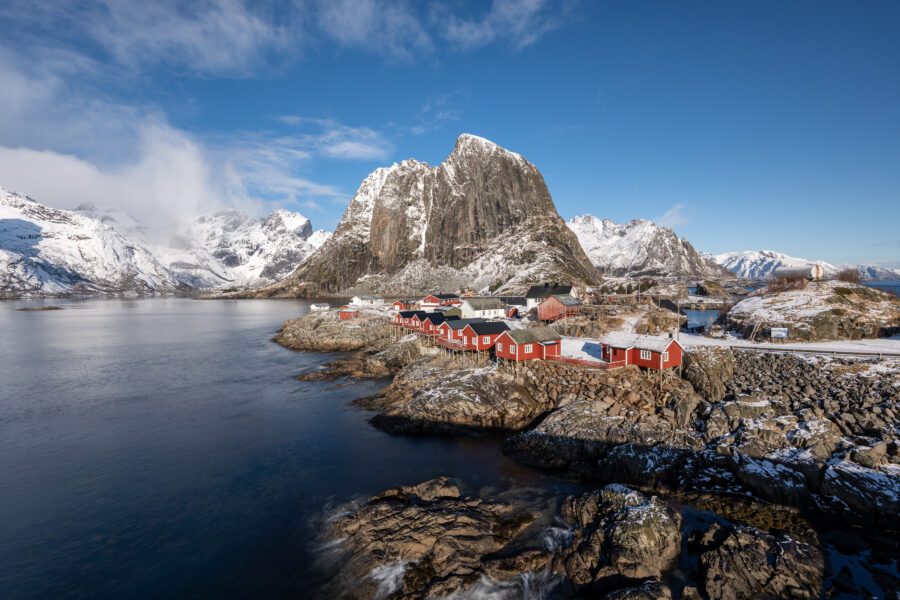
Your base in Lofoten really depends on how you want to get around, what you want to see first thing in the morning, and the kind of experiences you’re chasing. Some towns are handy, others are jaw-dropping but out of the way. Picking right saves you hours behind the wheel and keeps things smooth.
Factors to Consider: Location, Activities & Ambiance

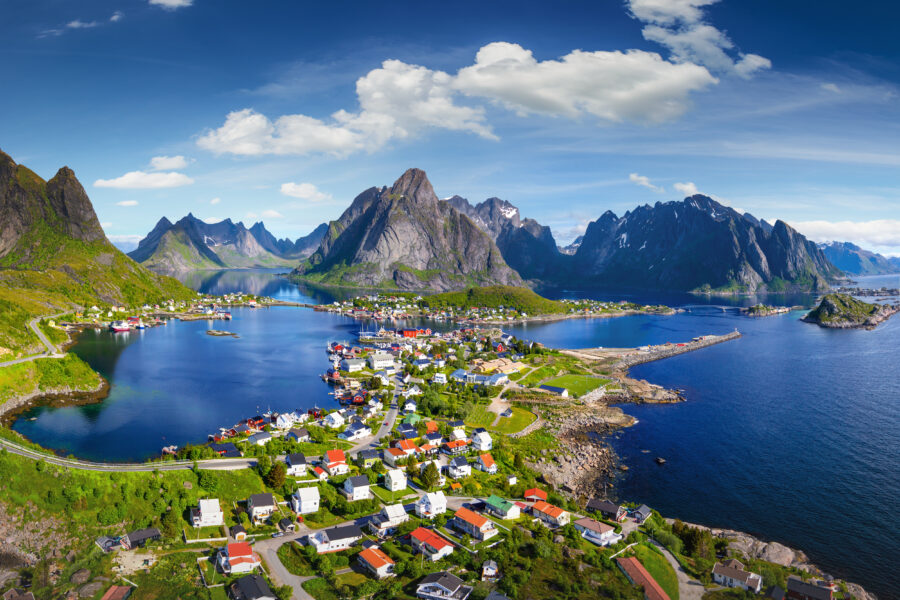
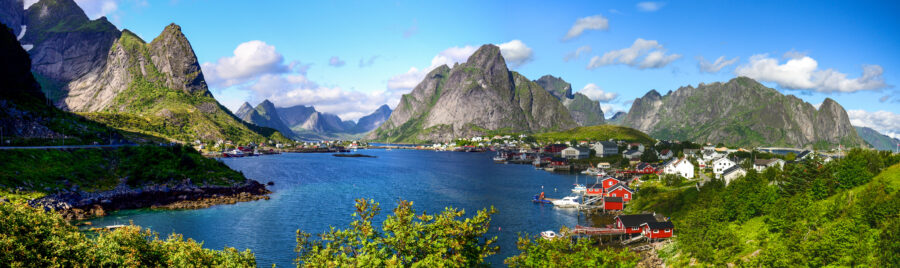
The main road runs from Svolvær in the north to Å in the south, with each town having its own personality. Svolvær is practical—easy tours, restaurants, and those famous Trollfjord boat trips. Reine and Hamnøy? They’re straight out of a dream—mountains, fjords, and rorbuer cabins on stilts over the water.
If hiking or fishing is your thing, Ballstad or Nusfjord are both central and easy to reach. I once picked Leknes just to cut down on those endless mountain roads—suddenly, everything was about an hour away, which felt like a win.
Here’s a quick look:
| Area | Best For | Vibe | Access |
|---|---|---|---|
| Svolvær | Tours, winter visits | Urban, handy | Airport + ferry |
| Reine/Hamnøy | Photos, scenery | Quiet, scenic | Car only |
| Leknes/Ballstad | Exploring all Lofoten | Central, local | Great road links |
Honestly, you won’t totally mess it up, but it does help to picture your daily plans.
Staying in One Base vs. Multiple Locations

Driving the length of Lofoten takes about 2.5 hours, but the road twists through tunnels and over passes, so it feels longer. If you’ve only got a few days, base yourself in Leknes—do day trips north or south and skip packing up constantly.
With a week or more, splitting your stay lets you sample Lofoten’s variety. Start in Svolvær for the logistics and tours, then move south to Reine for the views.
For photographers or hikers chasing the right weather, switching bases can help you catch those fleeting moments. Still, moving too often will eat into your exploring time.
Best Time to Book and Seasonal Considerations
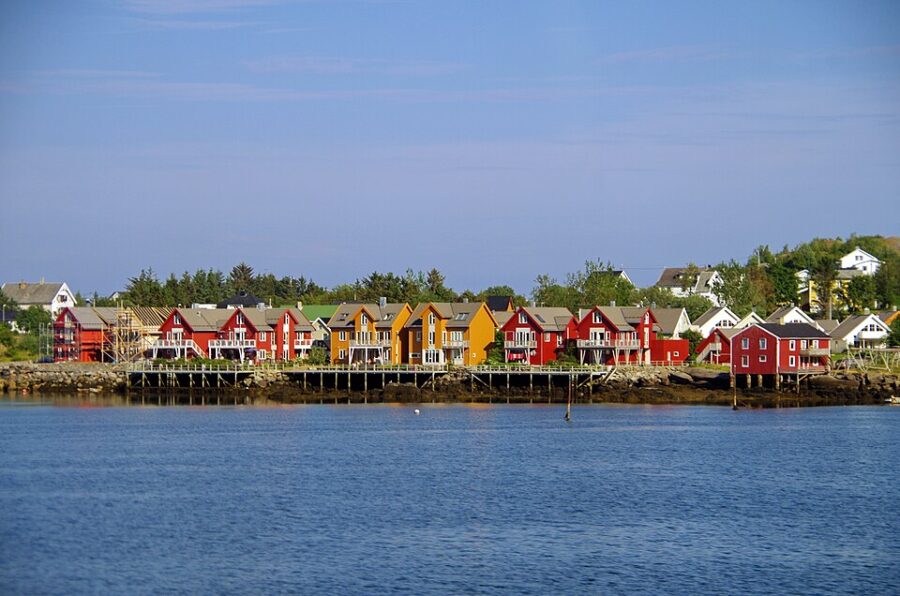
Timing’s a big deal up here. Summer (June–August) brings 24-hour daylight, dry roads, and all the hiking routes open—but places book up fast, sometimes months in advance. If you’re eyeing July, book early, especially for rorbuer cabins with a view.
Spring and autumn are quieter and cheaper, though some restaurants close up. Winter’s a different world: icy roads, barely any daylight, and most hikes off-limits. But it’s prime time for the northern lights, and cabin stays in Svolvær or Henningsvær.
Match your trip to your goals. Want to hike and kayak? August is your month. Prefer watching auroras with hot chocolate? February is better, and stick close to towns with services.
Overview of Accommodation Types in Lofoten

Lofoten has everything from classic fishermen’s cabins on the water to simple hostels and wild beach camps. What you pick depends on whether you want comfort, tradition, or to be right in nature.
Rorbuer: Traditional Fishermen’s Cabins
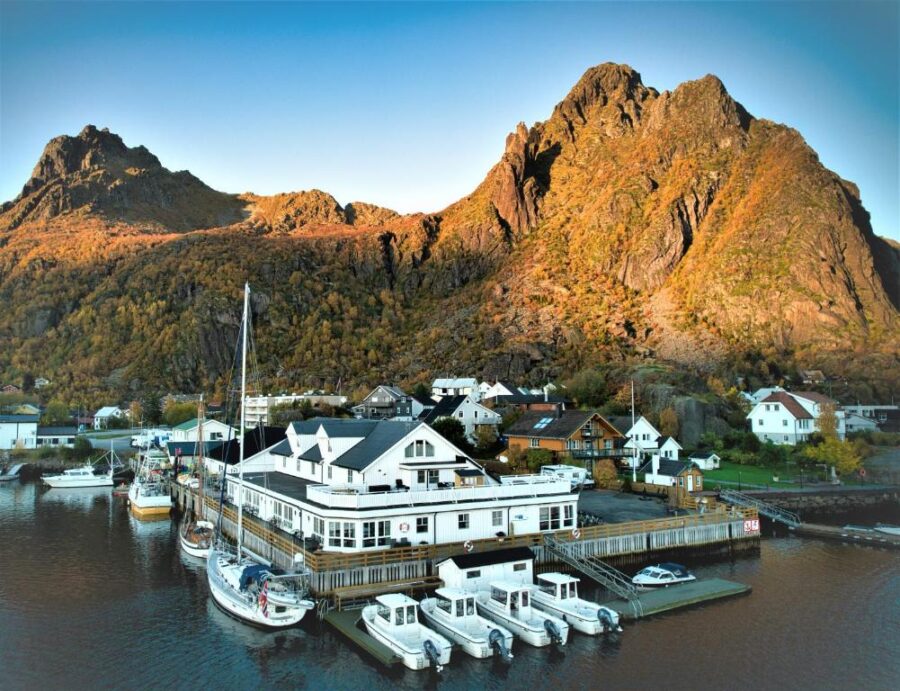
Rorbuer (those classic red cabins) are Lofoten’s signature. Once, they housed fishermen during cod season; now, most have been updated with modern touches but still have rough timber, sea views, and floors that creak.
The best Lofoten rorbuer are in Reine, Hamnøy, and Å, perched over the water. Prices swing a lot based on how fancy the renovation is.
Some are basic with shared kitchens, others have full suites and even saunas. I once stayed in a tiny Ballstad rorbu—the morning fog over the boats was unreal.
Boutique Hotels and Guesthouses
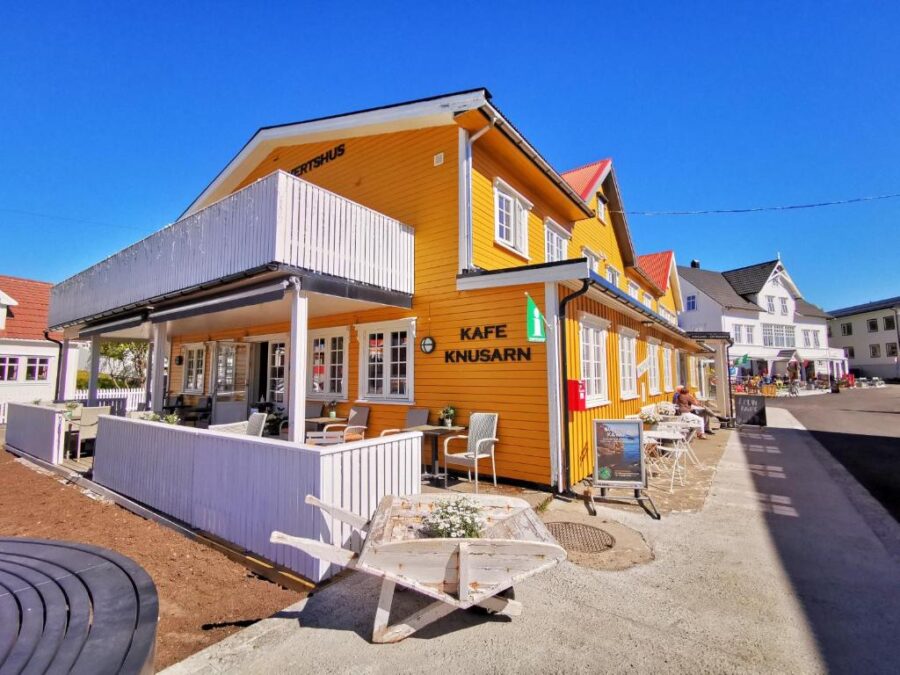
Boutique hotels here mix Scandinavian style with a local twist—lots of reclaimed wood, wool throws, and big windows framing the mountains. Svolvær and Henningsvær have a few good ones with on-site restaurants and easy access to tours.
Guesthouses and Lofoten cottages feel more personal. Owners often live nearby and can point you to hidden hikes or bakeries you’d never find on your own. Rooms are sometimes small, but the atmosphere makes up for it.
If you’ve got the budget, mid-range hotels in Reine or Henningsvær are a solid choice. They balance comfort and easy access to ferries or trails. For summer, check cheap flights and book early—places fill up fast.
Hostels and Budget Options
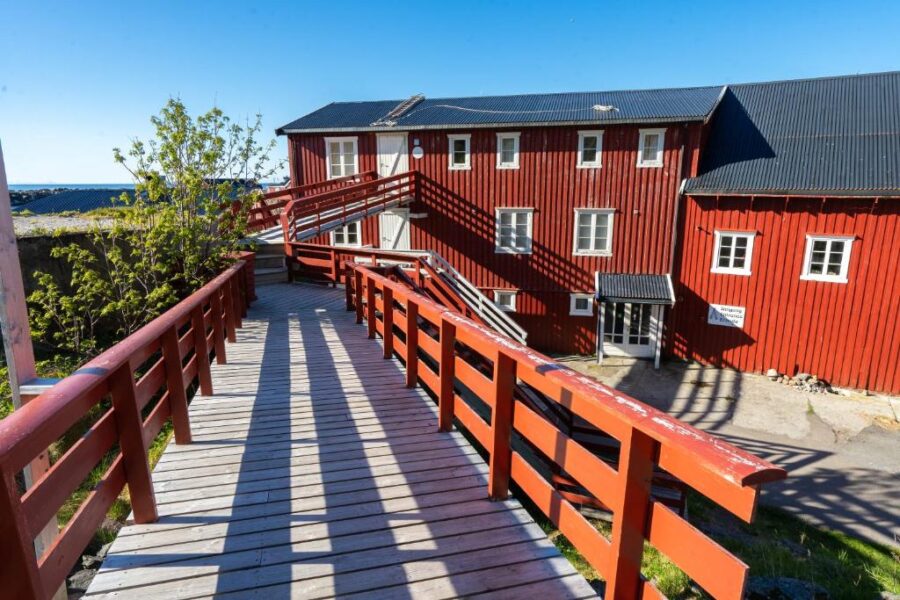
Hostels in Lofoten work well if you care more about flexibility than frills. The Lofoten Å HI Hostel sits at the far western tip and used to be a fishermen’s dorm, so you get a bit of history with your bunk.
There are also small guesthouses and shared apartments in Leknes or Kabelvåg, often with kitchens to help you dodge Norway’s high restaurant prices. Some budget spots even lend out bikes or kayaks.
Plenty of solo travelers swear by the social vibe in these hostels. After a long hike or drive, cooking in a shared kitchen can be a highlight.
Camping and Unique Stays
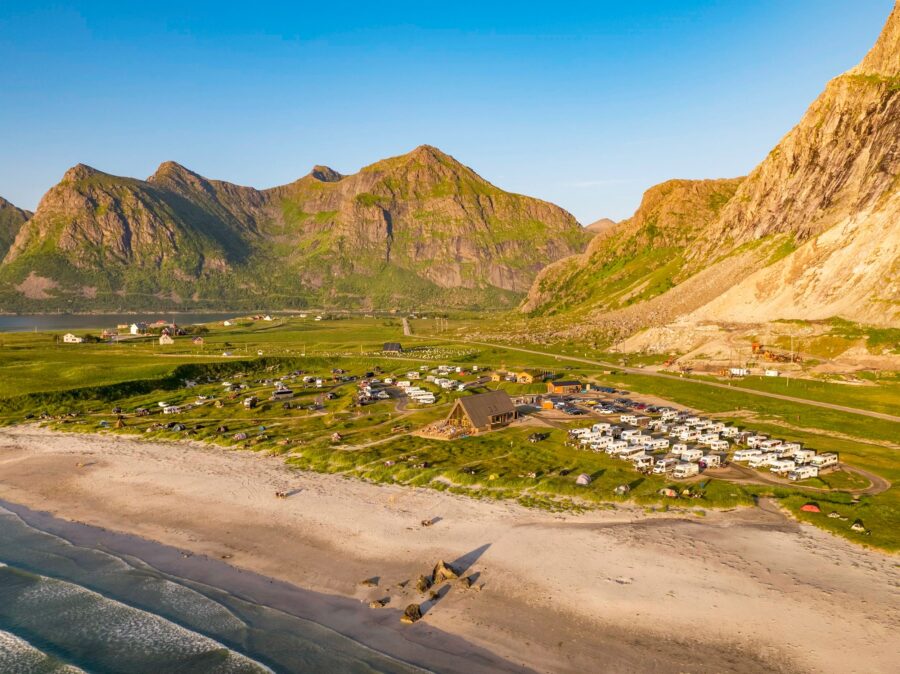
Camping is huge here, and honestly, it’s one of the best ways to connect with the landscape. You can pitch a tent on the beach or stay at Lofoten Beach Camp—they’ve got showers and small cabins if you want a break from the wind. The midnight sun makes summer camping feel surreal, but bring a sleep mask.
Some folks park campervans at rest stops or try unique stays like glamping domes or eco-huts. These give you some comfort but keep you close to nature.
Wild camping is allowed, but you need to stay 150 meters from houses and respect private land. Trust me—bring bug spray and waterproofs. Lofoten’s beauty is wild, and that’s half the point.
See Related: Breathtaking Best Beaches in Europe (With Hidden Gems!) 🏖️
Best Areas to Stay in the Lofoten Islands

Where you stay in Lofoten shapes your whole trip. Some spots have classic fishing-village views and quiet, others put you close to stores, ferries, and airports. It really comes down to how much driving you want and what kind of mood you’re after.
Reine & Hamnøy: Iconic Scenery and Rorbu Experience
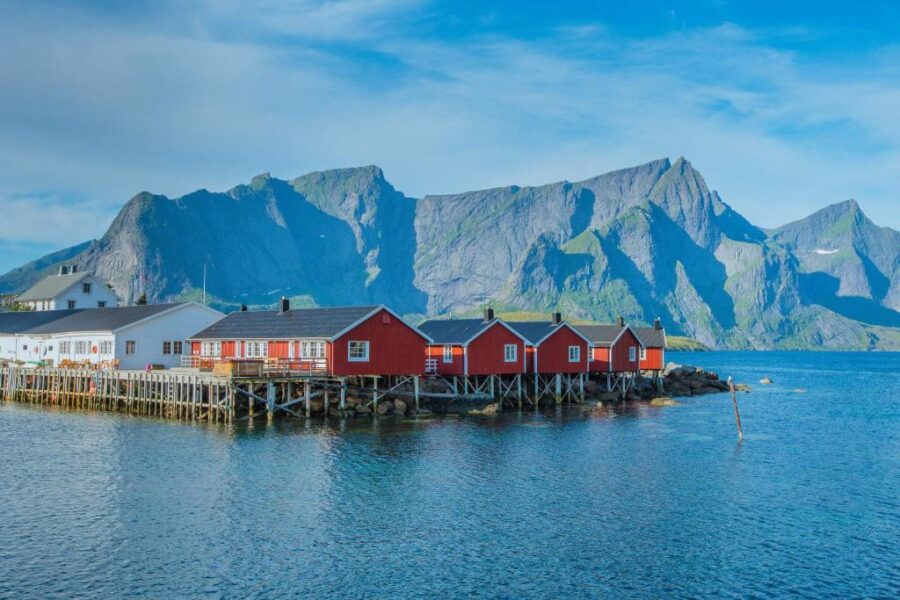
You’ve seen Reine and Hamnøy in photos, even if you didn’t realize it. These tiny villages are all sharp peaks, glassy water, and rows of red rorbuer. If you want that “postcard Lofoten” feel, this is it.
Stays to check out:
- Eliassen Rorbuer – classic cabins right on the fjord
- Reinefjorden Sjøhus – modern, with big decks for the views
- Sakrisøy Rorbuer and Sakrisøy Gjestegård – both on the bridge between Reine and Hamnøy
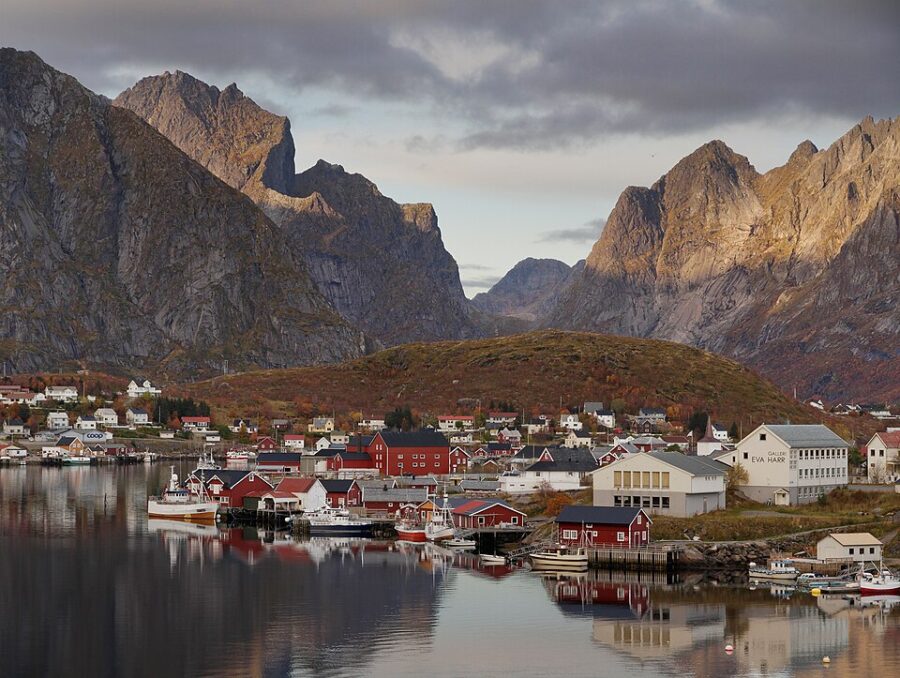
Reine is great for hiking, Reinebringen, or quick drives to beaches like Bunes and Kvalvika. Early mornings on the docks are special—the sound of gulls, fishing boats heading out, and sunlight breaking over the water.
Svolvær: Lofoten’s Capital with Urban Conveniences
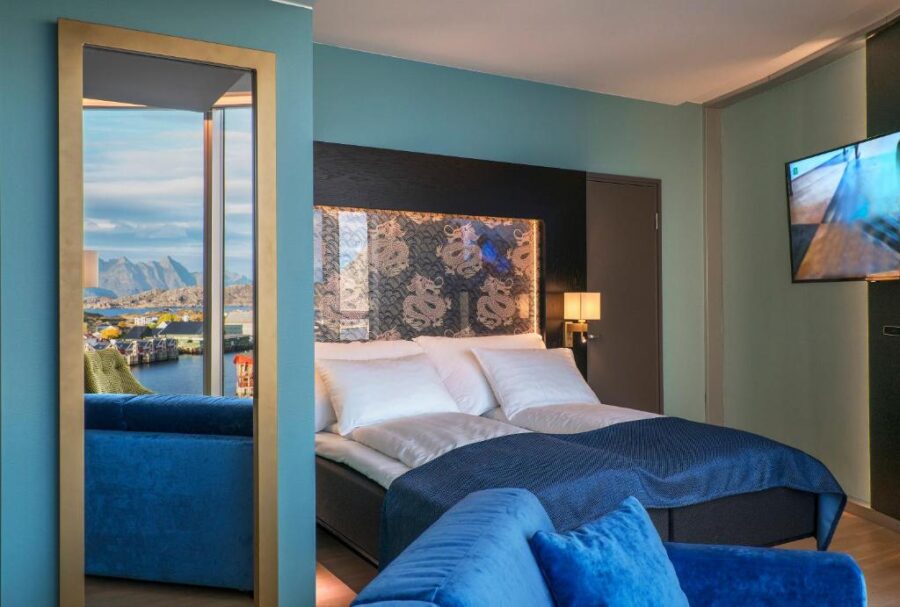
Svolvær is the biggest town here, the main hub, with an airport, ferry, and more restaurants than you’d expect. If you want easy logistics and modern comforts, this is your place. It’s also a handy start or end point for a road trip.
Try Thon Hotel Lofoten or Thon Hotel Svolvær for modern comfort, or Svinøya Rorbuer for a traditional cabin vibe with new touches. Anker Brygge is right on the water and close to dining.
I once watched the Northern Lights from the harbor—industrial cranes in the frame, but somehow still magical. Svolvær feels more lived-in, which is a nice change after quieter spots.
Henningsvær: Artsy Village Atmosphere
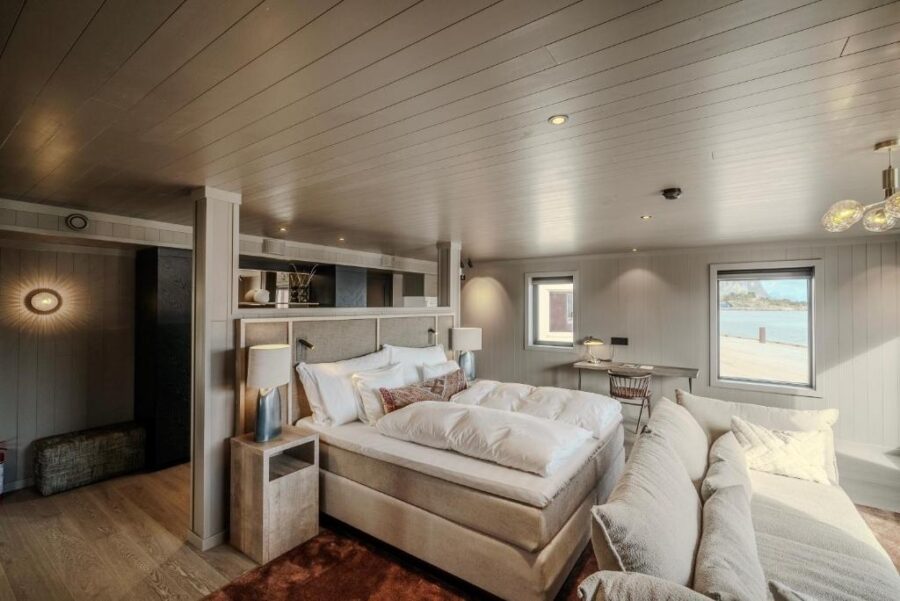
Henningsvær is small, lively, and sits on islands linked by bridges. It draws artists, climbers, and photographers for its creative energy and slower pace. Staying here, you sense people living real lives amid all the beauty.
Stay at Henningsvær Bryggehotell for harbor views, Henningsvær Rorbuer for restored cabins, or Henningsvær Guesthouse for a spot right in town. Everything’s walkable—galleries, bakeries, the sea.
You can grab coffee at Kafe Lysstøperi, browse art mid-morning, then walk five minutes to watch surfers in icy water. It’s that mix of everyday life and wild scenery that makes Henningsvær memorable.
Leknes & Ballstad: Central Base for Exploring
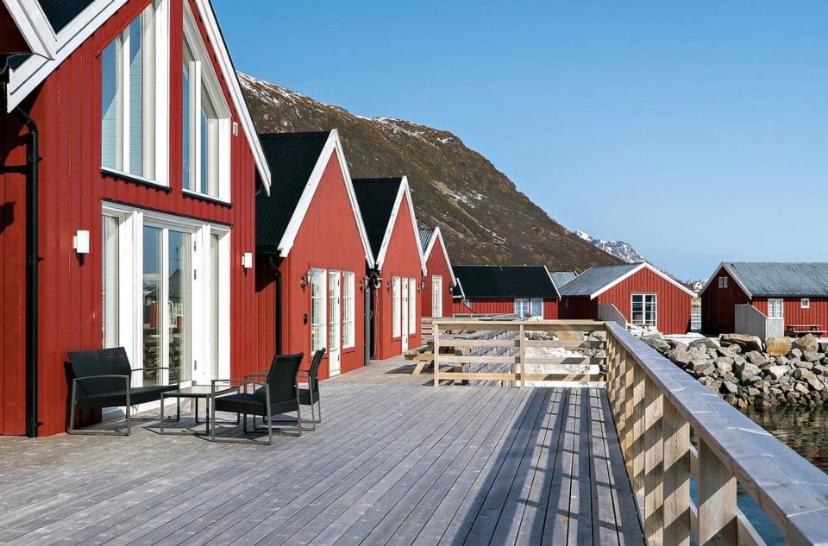
Leknes is practical—right in the middle, so you avoid endless drives. It’s not the prettiest town, but you’re close to beaches like Haukland and Uttakleiv.
For stays, look at Lofoten Basecamp (villas with sea views), Rorbu i Lofoten (your own house by the water), or Scandic Leknes if you want a straightforward hotel.
Ballstad nearby feels more local, and Hattvika Lodge is a standout—modern lodges in an old fishing harbor. I remember a June night there, watching the midnight sun bounce off the boats, sitting outside long past midnight.
Nusfjord: Heritage Fishing Village Retreat
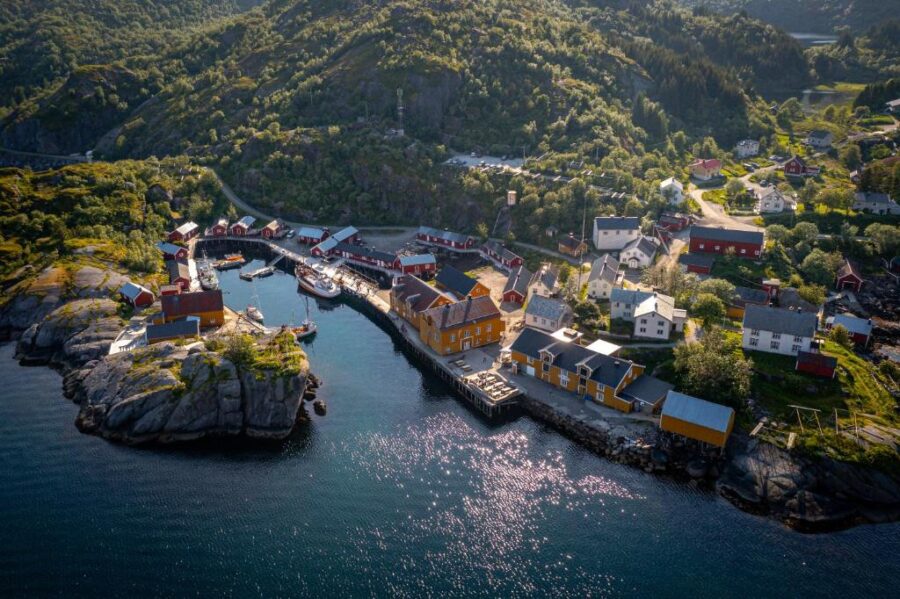
Nusfjord feels frozen in time. This tiny village, a UNESCO-protected site, stands as one of Norway’s oldest fishing settlements. The road dead-ends at a quiet fjord walled by cliffs—it’s scenic, yes, but there’s a hush that makes it feel like an open-air museum.
The top spot to stay is Nusfjord Arctic Resort (sometimes listed as Nusfjord Village & Resort). Restored fisherman’s cabins line the harbor, with a small restaurant, pub, and spa overlooking the water.
It’s remote, no way around that. Daytime can bring tour groups, but evenings are peaceful and mostly yours. If you’re coming, stock up on groceries or plan meals—after the café closes, options vanish.
Å & Sørvågen: End of the Road Charm
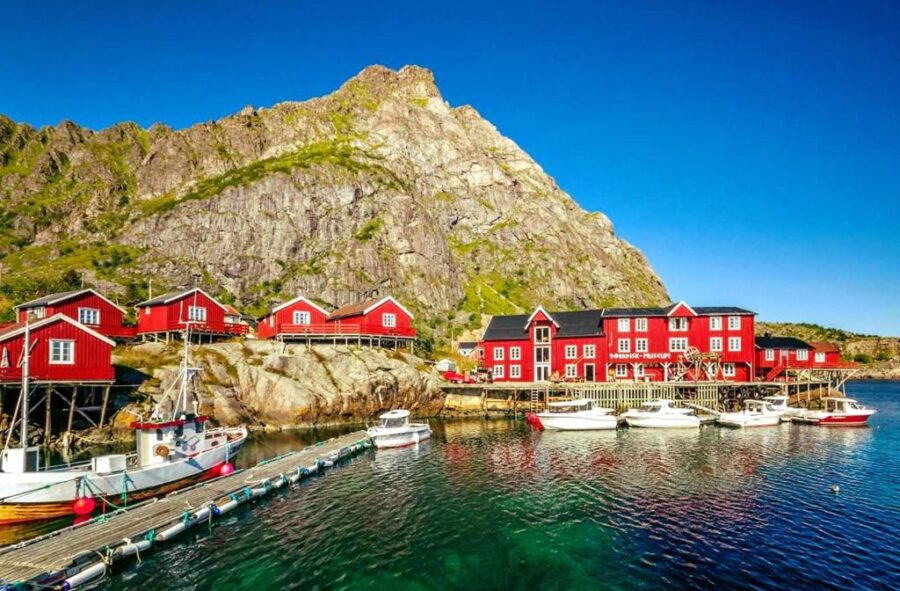
Å marks the literal end of Lofoten—the E10 stops here, and so does the traffic. The village is tiny, with fishing cabins, a museum, and the unmistakable scent of salt and cod. If you want quiet evenings and no cars rolling by, this is your place.
For stays, Å-Hamna Rorbuer and the Lofoten Å HI Hostel are reliable and affordable. Sørvågen nearby offers more dining and trailheads, like the Munkebu hut hike with wide-open views when the weather cooperates.
If you crave solitude and dark skies, you’ll feel at home here.
Kabelvåg: History and Accessibility
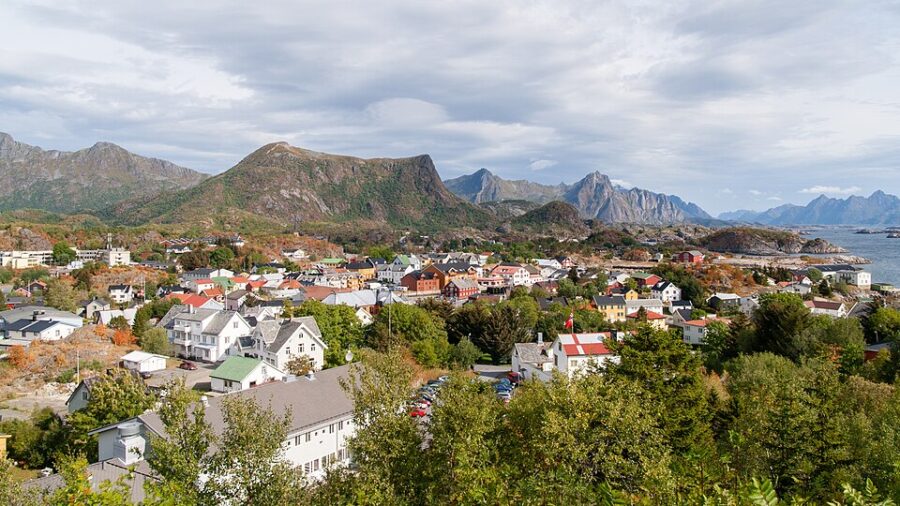
Kabelvåg sits just west of Svolvær, balancing convenience with a strong sense of history. Established in the 12th century, it once anchored Lofoten’s fishing trade. The old wooden buildings and harbor still echo that era.
Nyvågar Rorbuhotell stands out—comfortable, family-friendly cabins with kitchens and breakfast. You get quiet evenings by the water, but Svolvær is just a 10-minute drive.
Kabelvåg tends to fly under the radar, so it’s usually low-key. It’s a smart pick if you want rural character plus easy airport access, without Svolvær’s higher prices.
Top Recommended Accommodations by Town
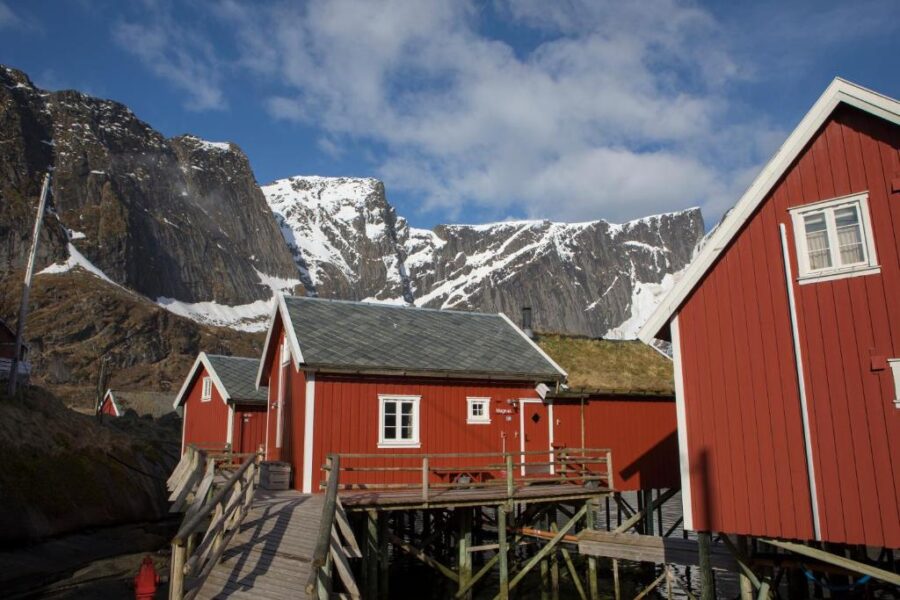
Each Lofoten town offers its own pace, from peaceful fishing villages to harbor towns with a bit more buzz. You’ll spot classic cabins next to modern hotels, and even budget spots right by the water. Your choice really comes down to how close you want to be to nature—or a bakery.
Signature Rorbuer and Fishermen’s Cabins
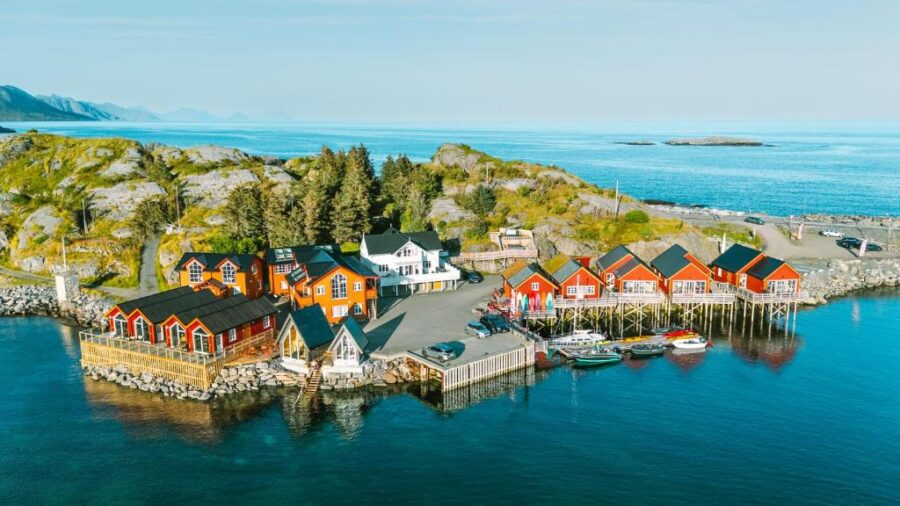
Those iconic red cabins on stilts over the water? They’re called rorbuer. Once, they housed fishermen; now, they’re some of Lofoten’s most atmospheric stays.
In Reine, Eliassen Rorbuer, Reine Rorbuer, and Sakrisøy Rorbuer have decks facing both mountains and sea. Reinefjorden Sjøhus offers a more contemporary take, with larger lounges but the same rustic charm.
Down by Å, Å Rorbuer feels remote and unplugged. In Svolvær, Svinøya Rorbuer gives you classic style with walking access to the harbor and restaurants. For something with heritage, Nusfjord Arctic Resort is a standout—a preserved fishing village turned warm, wood-paneled retreat.
Best Hotels and Guesthouses
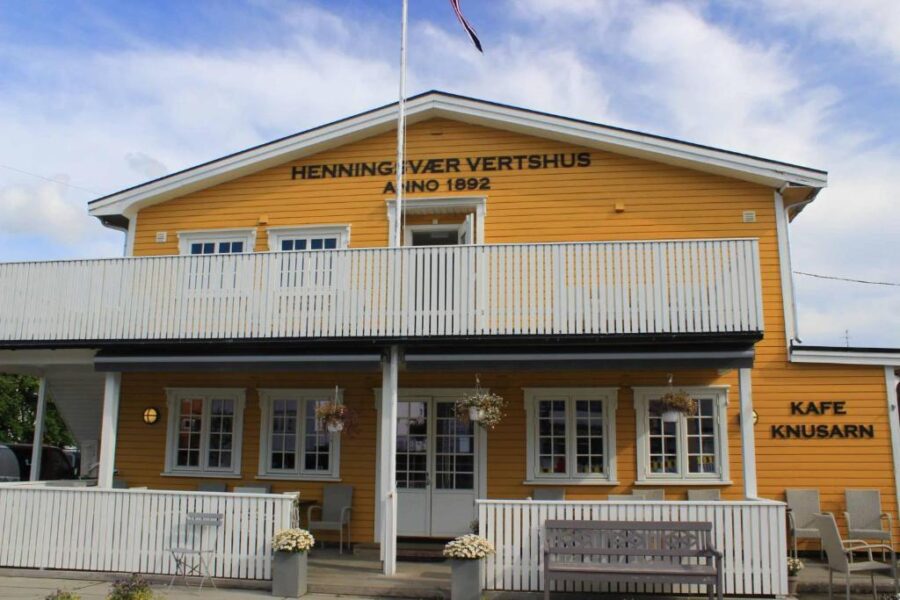
Main towns host most of the hotels, right where roads and ferries converge. In Svolvær, Thon Hotel Lofoten, Thon Hotel Svolvær, and Scandic Svolvær combine central locations with top harbor views.
Breakfasts here are serious business—think smoked fish, fresh bread, and plenty of coffee. Anker Brygge is also a solid pick, with a good restaurant and a quick bridge walk to town.
Near Leknes, Lofoten Basecamp and Scandic Leknes work well for exploring by car. Personally, I lean toward Hattvika Lodge near Ballstad—modern design, a great sauna, and peaceful nights. In Henningsvær, Henningsvær Bryggehotell and Henningsvær Guesthouse offer small-town charm and easy access to art galleries and cafés like Brygga Restaurant and Rooms, where you can watch boats drift by under the midnight sun.
Camping and Budget-friendly Options
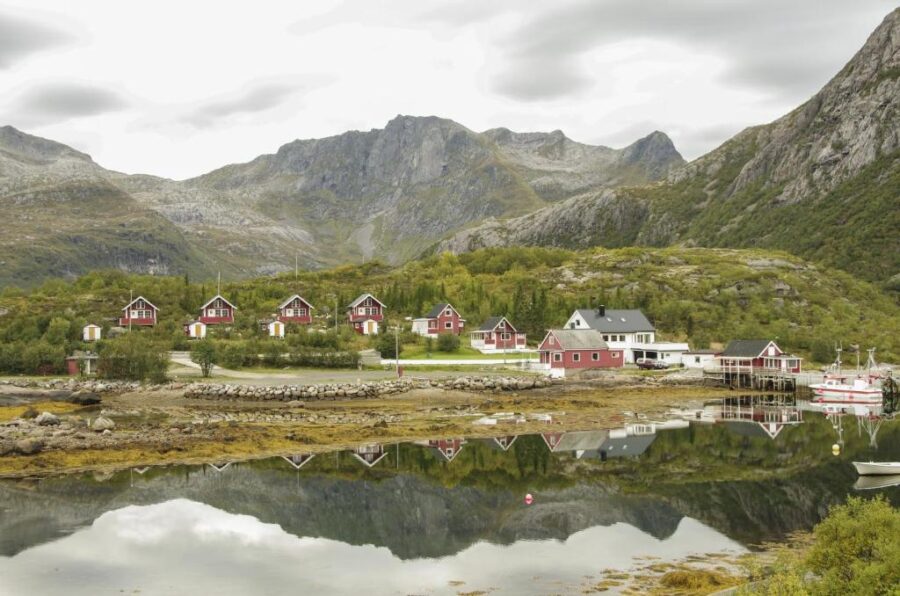
Camping in Lofoten isn’t just for hardcore hikers—it’s for anyone who wants to fall asleep to the ocean’s rhythm. Hammerstad Camping near Svolvær has cabins and tent spots right on the shore, plus fishing kayaks to rent. Lofoten Beach Camp near Flakstad is ideal for surfers or anyone chasing the northern lights on a budget.
You’ll spot smaller hostels and guest cabins scattered across the islands, usually family-run and spotless. Some travelers mix camping with short stays at Solsiden Brygge in Ballstad, which offers apartments with kitchenettes and shared saunas. For activities like kayaking, photo tours, or fishing trips, check Viator to line things up in advance.
See Related: The Top Vacation Spot in the World: Discover the Ultimate Destination
Unique Places to Stay and Local Experiences
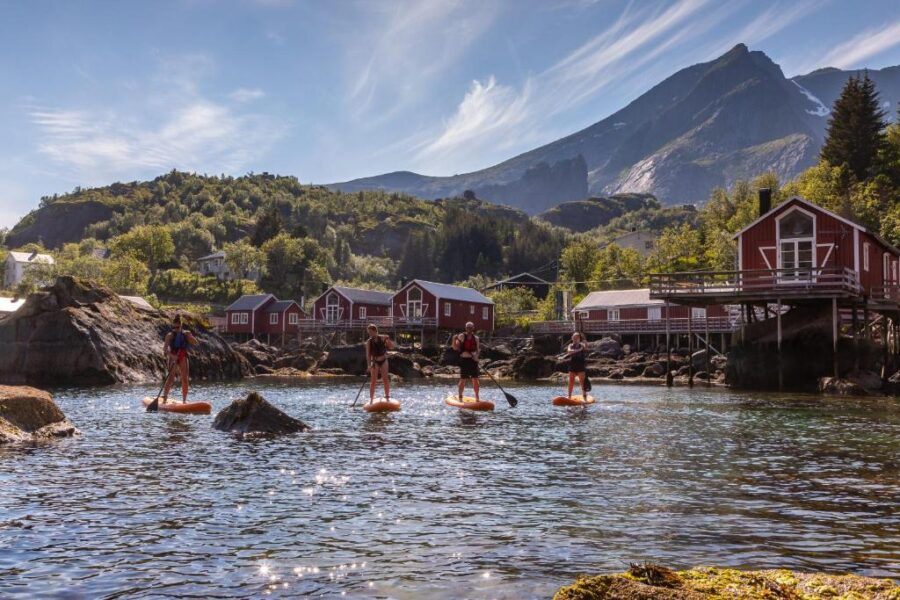
Some Lofoten stays feel more like stories than simple accommodations. Between restored cabins, bold design projects, and places that blend into the wild, you’ll find options that mix comfort, culture, and raw nature.
Private Islands and Historic Properties
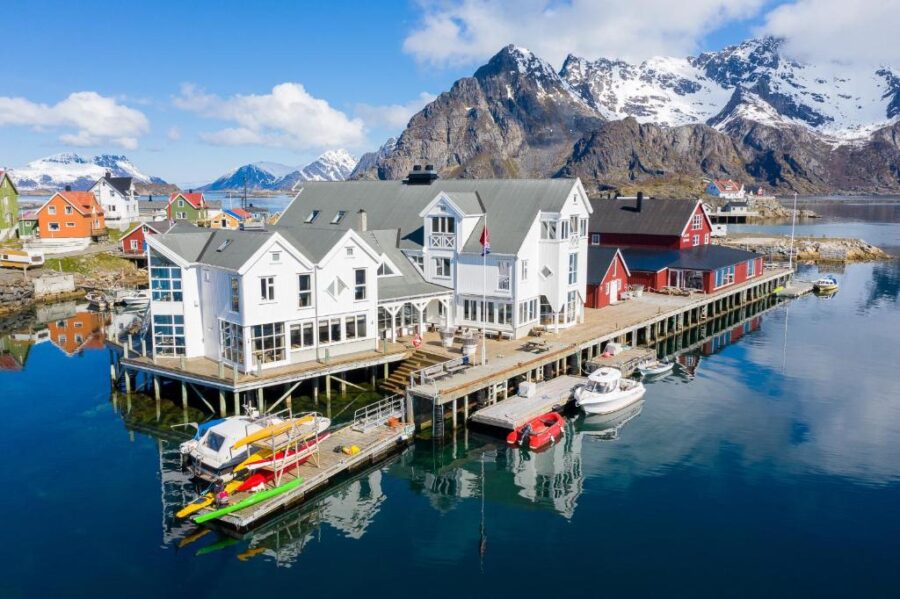
Imagine waking to the sound of waves instead of traffic. It’s calm and sometimes foggy, which only adds to the feeling of escape.
Historic villages like Nusfjord Arctic Resort offer a different kind of retreat. Here, centuries-old rorbuer come with heated floors and excellent dining.
Staying here feels like living in a museum, but with plenty of comfort. At night, the harbor glows, and the sounds carry—fish racks creak, water laps, and everything slows down.
Another standout, Villa Bryggekanten in Ballstad, was once a fisherman’s house. Now it blends old beams with modern Nordic style. You can sip coffee at sunrise as boats glide past your window.
| Historic Stay | Location | Key Feature |
|---|---|---|
| Nusfjord Arctic Resort | Flakstadøya | 19th-century fishing village turned elegant retreat |
| Villa Bryggekanten | Ballstad | Harbor views, local craftsmanship |
| Private Island Cabins | Various | Complete privacy and sea access |
Eco-Friendly and Offbeat Lodges
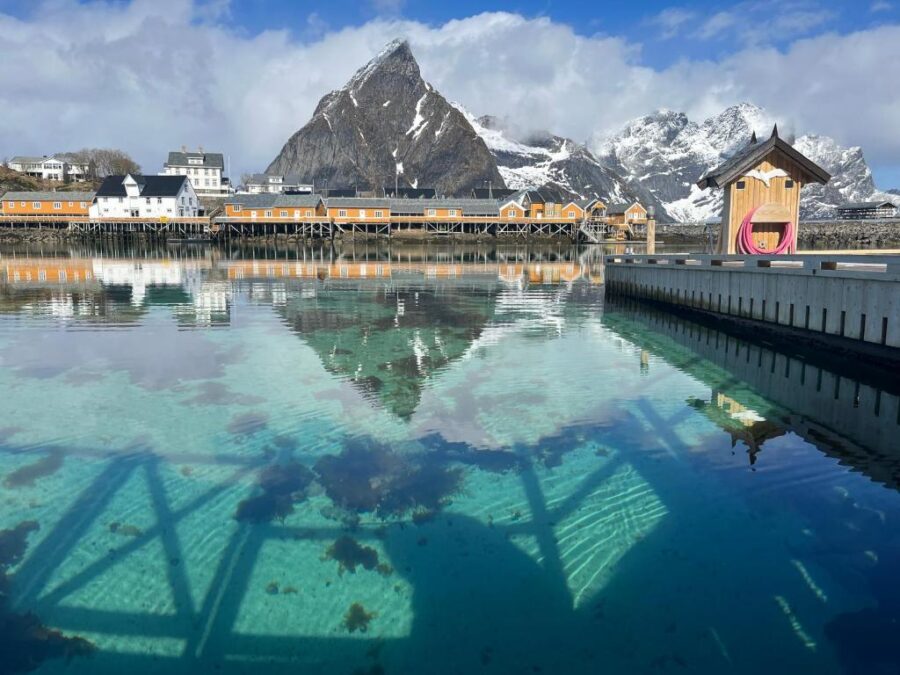
Lofoten’s eco stays put the landscape first, but don’t skimp on comfort. Lofoten Basecamp near Leknes uses recycled wood, solar power, and low-impact design.
Step out of your cabin and you’re on a trail or at a kayak launch. Everything feels intentional and well thought out.
Some smaller places, like Rostad Retro Rorbuer, lean into nostalgia. Their cabins keep the spirit of 1970s Lofoten, right down to enamel kitchenware and oil lamps. It’s sustainable almost by accident—reuse over replace.
These offbeat lodges often host communal dinners or spontaneous bonfires. You might meet hikers, painters, or someone fixing a boat. It’s not polished luxury, but it’s genuine warmth—the kind you remember long after the trip.
Architectural Gems and Design Stays
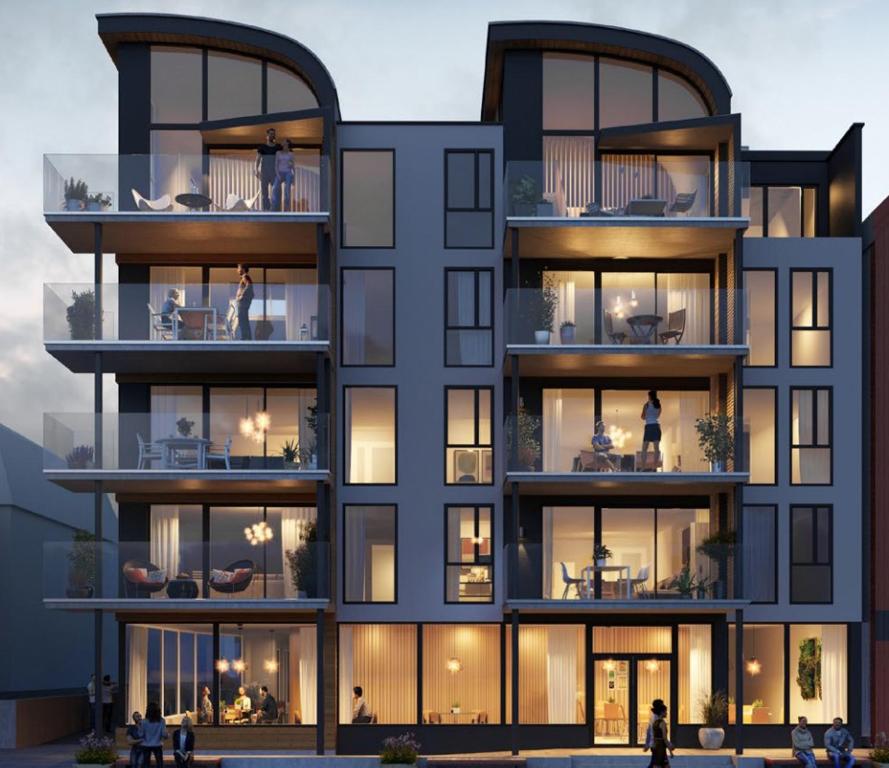
Lofoten’s new lodgings care as much about architecture as scenery. Trevarefabrikken in Henningsvær, once a fish-processing factory, now houses rooms, a café, and an artist space. Its concrete shell gives it grit, while giant windows frame the sea like a live painting.
Further south, Lofoten SuitesApartments in Ballstad blends hotel efficiency with big, Scandinavian interiors. Expect floor-to-ceiling views and clever layouts that use the light and landscape as part of the décor.
These design-forward places attract creative travelers. Conversations drift from photography to architecture to fishing tips.
The buildings, the people, and even the weather all feel linked. That sense of connection is what makes a stay here more than just a bed for the night.
Travel Tips for Lofoten Accommodations
Picking a place in Lofoten isn’t just about price or comfort—it really shapes your whole trip. The distances, the weather, and your transport all matter more than you might guess.
Getting Around: Transport & Proximity to Attractions
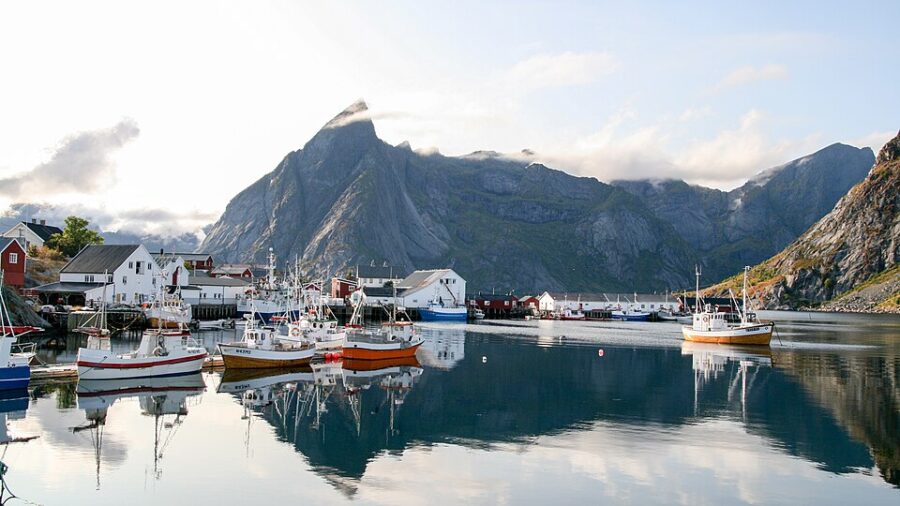
Driving is by far the easiest way to get around. The E10 links most villages, from Svolvær in the north to Å in the south.
If you’re chasing hikes like Reinebringen or planning a Trollfjord boat trip, staying nearby saves a lot of time. Svolvær is handy for sea safaris, while Reine or Hamnøy put you close to the iconic Hamnøy Bridge and the peaks.
Public transport exists but isn’t frequent, especially outside of summer. The Moskenes ferry runs to Bodø and helps if you’re arriving or leaving by car, but book early in high season. Walking distances can be deceiving—villages look close, but wind and rain slow you down fast.
Booking Strategies and High Season Advice

Summer fills up fast. Book three to six months ahead if you’re coming June through August. Booking.com covers everything from cabins to boutique hotels.
During holidays or special events, prices jump. Winter is cheaper, but some places close or limit service. If you can, aim for shoulder months like May or September—fewer people, plenty of daylight.
In a pinch, you might find a local guesthouse not listed online in smaller villages, but don’t count on it. Watch cancellation policies, too. Lofoten weather changes fast, and delays happen. Flexible bookings can save you hassle if storms roll in off the Norwegian Sea.
Packing and Preparing for Your Stay
Lofoten accommodations run the gamut. Some cabins have full kitchens; others, just a kettle.
Double-check before you pack. If you plan to cook in a rorbu, shop for groceries in bigger towns like Leknes—small shops close early.
Bring clothes that dry quickly, waterproof layers, and sturdy shoes—even in July. The weather flips in minutes. I always pack a few snacks; cafes can be far apart when you’re out exploring.
Prepare for both comfort and surprises. Travel insurance through Visitors Coverage adds peace of mind if plans change.
And seriously—charge your camera every night. There’s no shortage of things to do in Lofoten, and you’ll want those photos when the midnight sun lights up the sea.
See Related: Norway Trip Cost: Affordable Fjord Adventure Under $1500
Frequently Asked Questions
Picking a place to stay in the Lofoten Islands really depends on what you want out of your trip. Some spots keep you cozy through the long winter, others put you right next to hiking trails, fishing villages, or maybe even those rare, perfect nights for the aurora. And honestly, some quirky, local places just make your whole visit stick in your memory.
What are the top-rated hotels in the Lofoten Islands for winter stays?
Winter here can be rough, so you’ll want a warm base. u003cstrongu003eThon Hotel Lofotenu003c/strongu003e in Svolvær is a solid pick—central, right by the harbor, and you won’t have to trek far in the cold. The breakfast buffet? Travelers rave about it, and for good reason.u003cbru003eIf you prefer peace, Henningsvær Bryggehotell gives you that classic fishing-village vibe but still has good heating and food. It’s on the small side, but honestly, that’s part of the appeal when the days are short, and you want somewhere snug.
Can you recommend accommodation in Lofoten that offers stunning views of the Northern lights?
Catching the Northern lights is always a bit of a gamble, but you can boost your chances by staying where the skies are dark. u003cstrongu003eReineu003c/strongu003e and u003cstrongu003eNusfjordu003c/strongu003e are both fantastic for this—you could step right outside your cabin and get lucky.u003cbru003eThe u003cstrongu003eNusfjord Arctic Resortu003c/strongu003e puts you in rorbuer perched over the water, so if the aurora shows up, you’ll have front-row seats. Over in Reine, u003cstrongu003eEliassen Rorbueru003c/strongu003e has cabins facing north and not much around to block your view, which is exactly what you want for late-night sky watching.
Which areas in Lofoten are most convenient for summer activities and sightseeing?
If you’re coming for summer hikes, kayaking, or just want to road trip the islands, staying central saves you a lot of hassle. u003cstrongu003eLeknesu003c/strongu003e is practical—maybe not as photogenic as Reine, but you can reach both ends of Lofoten in about an hour.u003cbru003eu003cstrongu003eHenningsværu003c/strongu003e is great too if you like a bit more going on—plenty of restaurants, art galleries, and easy day trips. I tend to pick Henningsvær when I want to keep my options open for last-minute plans.
Could you suggest the best places to stay in Lofoten for avid hikers?
For hiking, being near the trailheads makes life easier. u003cstrongu003eReineu003c/strongu003e is tough to beat. You can pretty much start the u003cstrongu003eReinebringenu003c/strongu003e hike from town, then grab coffee and waffles at the harbor when you’re back.u003cbru003eu003cstrongu003eBallstadu003c/strongu003e and the area around u003cstrongu003eOffersøykammenu003c/strongu003e are also reliable bases for hikers. There are simple cabins and guesthouses nearby, so you can stash muddy boots and gear without worrying about space.
Where do seasoned travelers recommend staying in Reine for a local experience?
If you want something that feels genuinely local in Reine, skip the bigger hotels. Go for u003cstrongu003eSakrisøy Gjestegårdu003c/strongu003e or one of the classic red rorbuer right on the water. The old fishermen’s cabins have been restored, but they still hold onto that wood-and-sea-salt scent.u003cbru003eI remember hearing stories from a rorbu owner about growing up fishing cod in storms that would send most of us running for cover. That kind of personal touch? It sticks with you long after you leave.
What unique lodging options are available in the Lofoten Islands beyond traditional hotels?
You’ll spot treehouses built right into the cliffs, lighthouses that now host overnight guests, and old fish factories transformed into creative guesthouses. Trevarefabrikken in Henningsvær stands out—it’s part art space, part restaurant, part music venue. You might walk in for dinner and end up losing track of time.u003cbru003eEco-lodges powered by solar or water energy pop up here, too, great if you want to minimize your impact. Going off-grid for a couple of nights lets you see Lofoten’s wild side up close—there’s just something about waking up with nothing but sea and sky outside your window.


