Last modified November 20, 2025
Are you seeking better prices on your next hotel stay? In 2023, an increasing number of travelers are comparing Trip.com and Booking.com to find the lowest prices, well-rounded customer service, and an overall smooth booking experience. If you booked your flight and are now considering Trip.com vs Booking.com for flights or searching for a place to stay in Asia, this article will guide you. Read on to discover hidden strategies for scoring deals and promotions and making your reservation go smoothly.
Hotel Booking Trends in 2024: Why Online Travel Agencies Matter
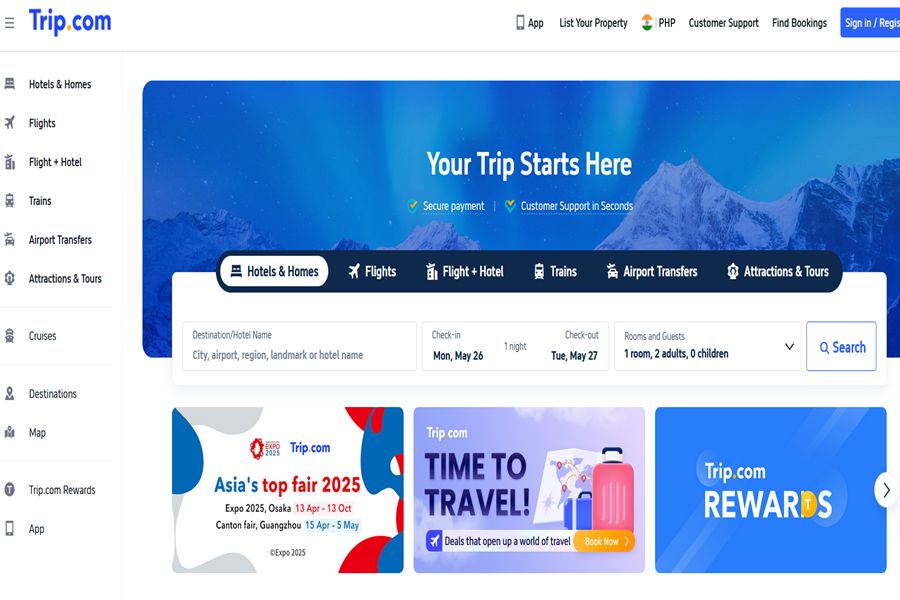
Online travel agencies (OTAs) are increasingly popular because they offer a wide variety of accommodation choices, from budget lodging to luxury resorts. Many travel sites display guest reviews and ratings, allowing you to verify details before committing to a transaction. With countless OTAs competing for your attention, you might find discount codes or last-minute deals as you plan your travel.
The travel industry has evolved rapidly, especially after 2023. Brands like Trip.com and Booking.com are prime examples of online travel agencies focusing on an easy search function, promotion bundles, and even loyalty reward programs. If you are pondering which is better, booking.com or Expedia, or looking into trip.com vs booking.com vs agoda, it helps to consider which site meets your specific needs in terms of flight ticket purchase, hotel booking, or both.
See Related: Ticket Prices and Booking Insights
Evaluating Deals, Search Tools, and Partnerships
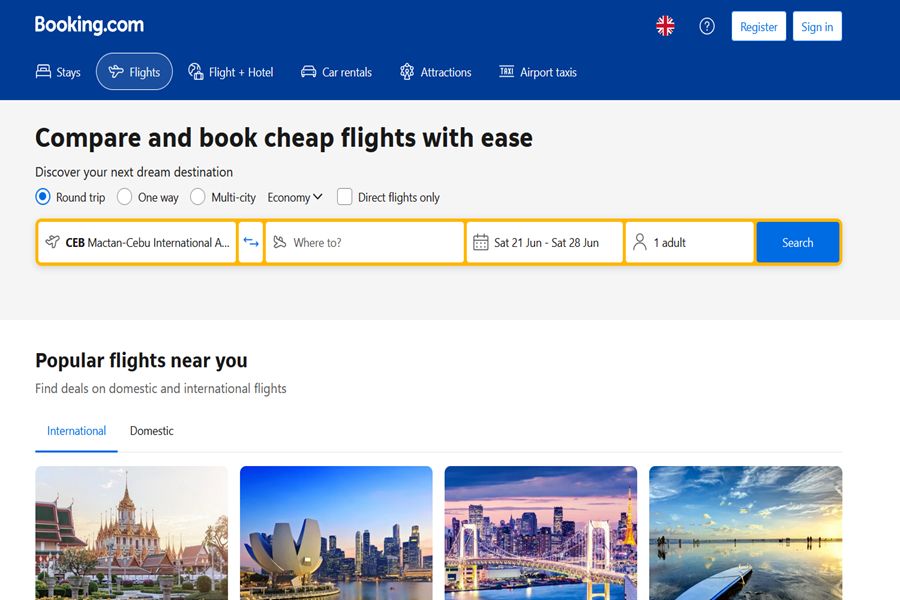
Trip.com and Booking.com both rely on user-friendly search tools to help you filter by rating, destination, and price. In many cases, Trip.com partners with global airline companies to deliver ticket combos that combine your flight and hotel for a perfect trip. Meanwhile, booking.com can integrate car rentals or attraction offers, allowing you to craft a complete itinerary in one go.
When assessing each booking site, always check how they partner with local providers. Partnerships with credit card issuers like Capital One might provide cardholder-exclusive deals or extra promotional perks. These collaborations can lead to a direct discount or waived charge for certain transaction fees, which is essential if you want to always get the best possible savings. By comparing Trip.com vs Booking.com vs Expedia, you may see that Trip.com occasionally teams up with major car rental provider brands for a more seamless travel experience.
Customer Support, Refunds, and Hidden Caveats

One key difference lies in customer support and refund processes. Is Trip.com safe to book through? Many claim they have never had an issue, while others warn that you should double-check the privacy policy if you are worried about cancellations or extra fees. Meanwhile, Booking.com often fosters close relationships with customer service teams at the numerous hotel options they feature, which helps expedite reservation changes.
That said, if an OTA (online travel agency) imposes a delay or complicated refund claim, you might end up paying out of pocket while waiting for your refund. In certain cases, you may need to contact the hotel directly to settle the matter. Alternatively, third-party resources like tripadvisor.com or trivago.com let you compare rankings and read about others’ experiences. Ultimately, both trip.com and booking.com have policies in place to assist with cancellations, but it’s wise to verify any fine print when finalizing your hotel stay.
See Related: Effortless Flight Booking: Tech and Travel Integration
Exploring Car Rentals, Tickets, and More Add-On Services

If you love bundling your trip, you can quickly search for tickets to theme parks or shows through trip.com or booking.com. Many of these travel website booking.com pages aim to be a one-stop hub for flights, hotel reservations, car rentals, and local events. By combining car rentals with your hotel booking, you may reduce the final cost and skip the hassle of juggling multiple third-party booking sites.
Meanwhile, if you prefer cross-checking data, trip.com vs booking.com vs agoda or trip.com vs booking.com vs expedia is a route many travelers take. Some sites also highlight the booking.com integration with Priceline or Kayak, providing alternative flight ticket prices. In Thailand, Singapore, or Indonesia, you can frequently snag better prices on last-minute hotel deals. If you want to ensure everything runs smoothly, double-check how each site calculates total taxes and fees so you don’t feel blindsided by a surprise charge.
Tips for a Perfect Trip: Destination, Verification, and Booking Experience

Regardless of whether you head to the u.s, Asia, or Singapore, focusing on your destination is crucial. Each region may have unique tax rates, so waive any confusion by confirming your final cost. That’s especially important if you plan your next trip to a city you’ve never visited. Trip.com excels at offering global airline partners, while booking.com leverages brand recognition for attraction tickets and accommodation add-ons.
Since both are recognized OTAs, is Trip.com trustworthy? Many users have tested trip.com since it began in Thailand and expanded across Asia. Others prefer booking.com because of their easy-to-use app and solid loyalty perks. If you’re exploring, is Trip.com reliable for hotels? Read some guest reviews to see how quickly Trip.com or Booking.com responds to customer service requests. This ensures you have the details you need to plan a perfect trip.
See Related: Trip.com vs Agoda: Powerful Insights For Your Next Hotel Booking
Comparing Additional OTAs: Expedia, Agoda, and More

Whether you want to find Trip.com vs Booking.com vs Expedia or test smaller online travel agencies like Expedia, you’ll notice an abundance of third-party site options. There’s also Agoda, Hotels.com, VRBO, and more. Each OTA tries to excel in unique ways—some emphasize deals for families, while others highlight flexible cancellation to give you peace of mind. You’ll want to read the disclaimer on each privacy policy to avoid last-minute surprises.
Metasearch platforms such as trivago or tripadvisor.com let you quickly compare your chosen booking site and see if you can secure the lowest price. One key tip is to compare the final transaction total, so you do not end up paying a minus or incremental fee at checkout. Many travelers also hunt for discount codes or deals and promotions to snag freebies like free breakfast or a cheaper hotel upgrade. This type of multi-layer search engine approach can help you find the perfect destination and ranking option for your situation.
Ultimately, which is better: booking.com or Expedia? Booking.com might focus on accommodation variety, while Expedia may revolve around bundled flights and ticket add-ons. Trip.com stands out as a hub if you’re traveling across Asia and looking for direct synergy with major airlines. Meanwhile, Agoda is often popular for travelers in Singapore searching for a specialized approach to smaller boutique lodging. Checking each booking site in real time ensures you pick the right provider for your needs.
- Double-Check Fees: Always verify your final total to avoid hidden charges.
- Deals and Promotions: Look for credit card promotion tie-ins with Capital One or other issuers.
- Customer Support & Refund Policies: Read up on trip.com and booking.com to see how quickly they respond to issues.
- Destination Focus: Some OTAs excel in certain regions, so plan carefully for Indonesia or anywhere else.
- Third-Party Booking: If you use a third-party site, note that you may face a more complex transaction if something goes wrong.
- Never Had an Issue? Plenty have never had an issue, but it’s wise to read multiple reviews to warn yourself of potential pitfalls.