
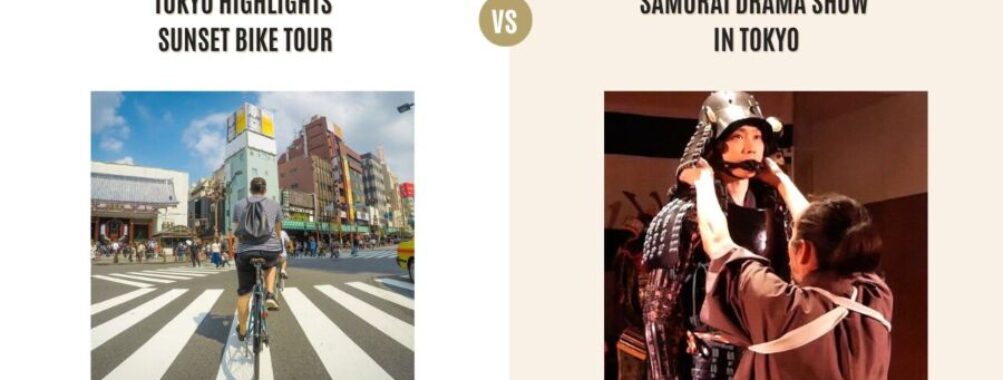
Tokyo Highlights Sunset Bike Tour vs Samurai Drama Show in Tokyo: Which Tour is Better?
Updated May 12, 2026
You have limited time in Tokyo and want an evening experience that captures the city’s energy. Two popular options compete for your attention: a guided bicycle tour during the golden hour or an immersive cultural performance.
Both operate in the evening hours, both offer unique perspectives on Tokyo, and both require advance planning. This comparison breaks down the Tokyo sunset bike tour and the Samurai drama show to help you decide which experience matches your travel style.
Table of Contents
- Tokyo Sunset Bike Tour Experience
- Samurai Drama Show Experience
- Physical Demands and Accessibility
- Cultural Content and Educational Value
- Group Dynamics and Social Interaction
- Timing and Scheduling Considerations
- Cost Comparison and Value Assessment
- Decision Factors for Different Travelers
- Book Your Dream Experience
- More Travel Guides
- Explore These Destinations
Tokyo Sunset Bike Tour Experience

The Tokyo sunset bike tour typically begins around 4:30 PM and lasts approximately 3 hours. You meet your guide at a central location, often in the Shinjuku or Shibuya areas.
The tour covers 10-12 kilometers of relatively flat terrain, making it accessible for most fitness levels. You ride through neighborhoods like Harajuku, Omotesando, and along the Sumida River. The pace is leisurely, with frequent stops for photos and historical explanations.
You see Tokyo transform from day to night. The evening light casts long shadows across modern architecture and traditional temples.
As darkness falls, the city’s illumination creates a different atmosphere. The tour includes a stop at a local convenience store or street food vendor where you can purchase snacks.
Most operators provide comfortable city bikes with lights and helmets. The group size usually caps at 10-12 people.
Practical considerations matter for this experience. You need basic cycling confidence to navigate Tokyo’s sidewalks and bike paths.
The tour operates rain or shine, so check the weather forecast and dress appropriately. Reservations are essential through platforms like Viator or the operator’s website. The cost ranges from ¥8,000 to ¥12,000 per person depending on the operator and inclusions.
Samurai Drama Show Experience
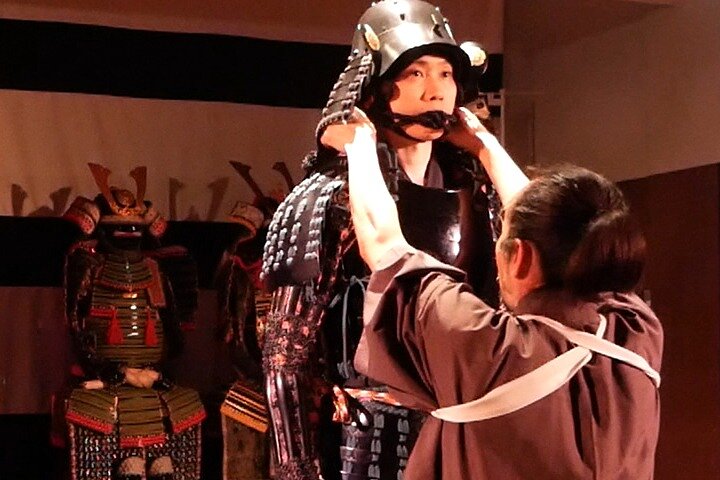
The Samurai drama show takes place in a dedicated theater space, typically in the Shinjuku or Ginza districts. Performances usually run for 70-90 minutes with evening shows at 6:00 PM and 8:00 PM.
The production combines traditional Japanese performing arts with modern theatrical techniques. Actors demonstrate authentic kenjutsu (swordsmanship) techniques and perform choreographed battles using real katana swords.
You experience Japanese history through dramatic storytelling. The narratives often focus on the Edo period and famous historical figures. The show incorporates elements of kabuki theater with elaborate costumes and makeup.
Some performances include audience participation opportunities. The theater provides English subtitles or audio guides for international visitors. The venue is indoor and climate-controlled, making it a reliable option regardless of weather conditions.
Planning for the Samurai show requires advance ticket purchase. You can buy tickets online through the official website or third-party vendors.
Prices range from ¥4,500 to ¥9,000 depending on seating category. The theater typically opens 30 minutes before showtime.
The experience is suitable for all ages, though very young children might find some battle scenes intense. The location is easily accessible via Tokyo’s subway system.
Physical Demands and Accessibility
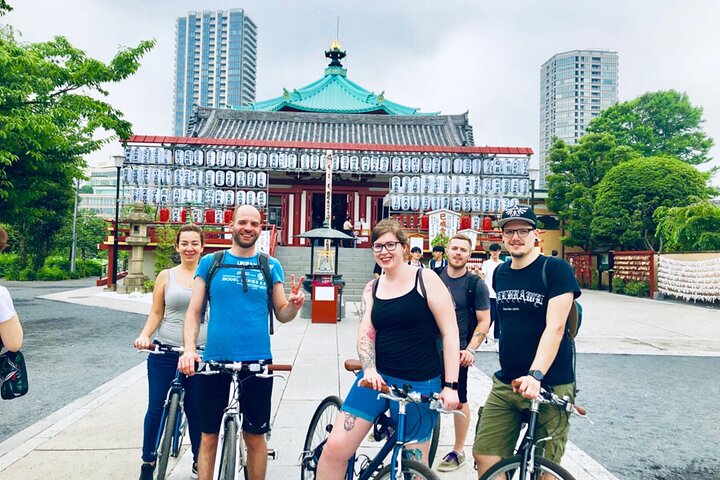
The bike tour requires moderate physical activity. You need to be comfortable riding a bicycle for three hours with breaks.
The route avoids major highways but includes some inclines and pedestrian-dense areas. Operators provide step-through frames and adjustable seats to accommodate different heights.
The tour may not be suitable for travelers with certain mobility issues or balance concerns. You spend the entire experience outdoors exposed to the elements.
The Samurai show involves no physical exertion beyond walking to your seat. The theater provides wheelchair accessibility and accommodations for mobility devices.
The performance is entirely seated in a climate-controlled environment. The show contains sudden loud noises and flashing lights during battle sequences.
Those with sensitivity to these stimuli should contact the theater in advance. The experience is appropriate for most physical ability levels.
See Related: Best Vacation Destinations for Singles Over 40
Cultural Content and Educational Value

The bike tour provides contextual cultural education through Tokyo’s urban landscape. Guides explain the significance of temples, shrines, and modern architecture you pass. You learn about daily life in different neighborhoods and see how traditional elements coexist with ultra-modern development.
The experience offers photographic opportunities of both historic sites and contemporary cityscapes. The educational content is delivered casually throughout the ride.
The Samurai show offers concentrated cultural immersion through performing arts. The performance teaches about bushido (the samurai code), historical battles, and traditional theater forms.
The production values aim for authenticity in costumes, weapons, and fighting techniques. You gain understanding of Japanese storytelling conventions and historical narratives. The educational content is structured within the dramatic performance format.
Group Dynamics and Social Interaction
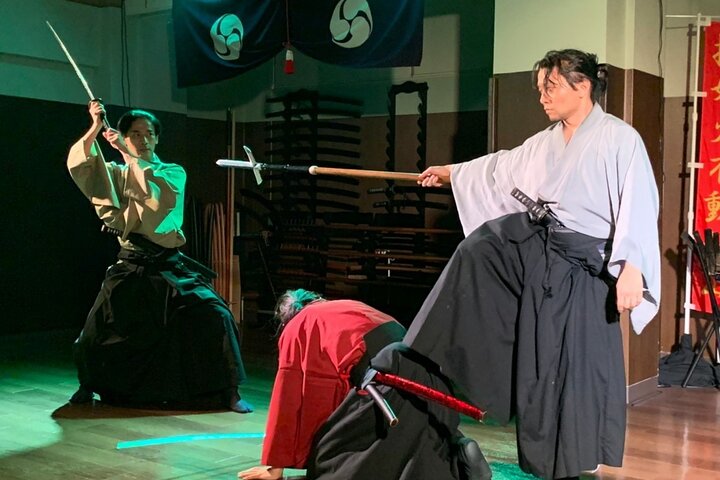
The bike tour is inherently social with small group sizes. You interact with your guide and other participants throughout the experience.
The pace allows for conversation during stops and while riding. Solo travelers often find this format conducive to meeting other visitors.
The guide can answer questions about Tokyo beyond the tour route. The group nature means the experience pace accommodates the slowest rider.
The Samurai show is primarily an observational experience. You watch the performance with limited interaction with other audience members.
The theater setting discourages conversation during the show. Any social aspect occurs before the performance or during intermission if offered.
The experience is equally suitable for solo travelers, couples, or groups. The content delivery is consistent regardless of audience composition.
See Related: Is Tokyo Safe? 5 Surprising Facts About Japan’s Capital City
Timing and Scheduling Considerations

The sunset bike tour operates on a fixed schedule tied to daylight hours. Summer tours start later than winter tours due to sunset times. The experience consumes your entire evening from late afternoon through early night.
You cannot easily combine it with other planned activities or dinner reservations. The tour concludes around 7:30-8:00 PM, after which you can continue exploring the areas you visited.
The Samurai show offers multiple time slots with fixed durations. The 6:00 PM show concludes around 7:30 PM, leaving your late evening free for dinner or other activities.
The 8:00 PM show ends around 9:30 PM, still allowing for late dining options. The predictable timing makes it easier to schedule other elements of your evening. The experience fits neatly into an existing itinerary without dominating your schedule.
Cost Comparison and Value Assessment

The bike tour represents higher upfront cost at ¥8,000-12,000. This price includes bicycle rental, helmet, guide services, and sometimes a light snack. You receive personalized attention and can ask questions throughout the experience.
The tour covers multiple neighborhoods and provides transportation between them. The value comes from both the activity and the sightseeing coverage.
The Samurai show costs less at ¥4,500-9,000 depending on seat selection. The price covers admission only without additional amenities.
The production value is professional with trained performers and quality costumes. The experience provides cultural entertainment in a comfortable setting. The value derives from the specialized performance quality and cultural authenticity.
See Related: Travel Like a Local in Tokyo: Insider Tips You Need to Know
Decision Factors for Different Travelers
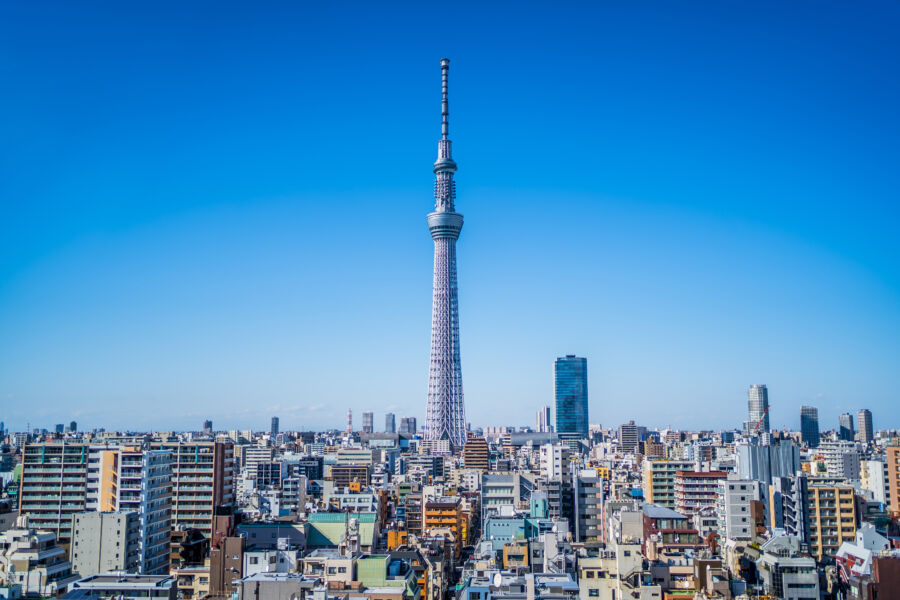
Choose the bike tour if you prefer active experiences and want to cover ground efficiently. It suits photography enthusiasts seeking golden hour cityscapes.
The tour works well for those comfortable with physical activity and outdoor conditions. It appeals to travelers who enjoy small group dynamics and guide interaction. The experience provides both recreation and transportation between sights.
Select the Samurai show if you prefer seated entertainment without physical exertion. It suits travelers interested in Japanese history and performing arts.
The show works well during inclement weather or if you need a break from walking. It appeals to those with limited mobility or who prefer climate-controlled environments. The experience provides concentrated cultural content in a predictable timeframe.
Your decision ultimately depends on whether you want to experience Tokyo through movement and exploration or through focused cultural performance. Both options provide memorable evening experiences that showcase different aspects of Japanese culture.
Consider your energy level, interests, and schedule when making your choice. Many visitors find both experiences worthwhile if time permits.
Book Your Dream Experience
More Travel Guides
Explore These Destinations
Related Posts

