Tokyo Highlights Sunset Bike Tour vs Grand Sumo Tournament Tour in Tokyo: Which Tour is Better?
Updated May 13, 2026
You’re planning your Tokyo trip and want to experience something beyond the standard tourist path. Two distinct activities often stand out: a sunset bike tour through the city’s iconic neighborhoods and a guided tour to witness a Grand Sumo tournament.
Both offer deep cultural immersion, but they deliver completely different experiences. This comparison breaks down what each tour actually involves, from timing and physical demands to cultural access and overall value, giving you the concrete details needed to choose the right one for your itinerary.
Table of Contents
- What to Expect on a Tokyo Sunset Bike Tour
- Practical Details and Logistics
- What to Expect at a Grand Sumo Tournament Tour
- Practical Details and Logistics
- Comparing the Experiences: Activity and Pace
- Comparing Cultural Access and Learning
- Cost and Value Analysis
- Who Each Tour Is Best For
- Book Your Dream Experience
- More Travel Guides
- Explore These Destinations
What to Expect on a Tokyo Sunset Bike Tour

A Tokyo sunset bike tour typically starts in the late afternoon and lasts 3 to 4 hours. You’ll meet your guide in a central location like the Imperial Palace or a shop in Shinjuku.
The route is designed to showcase the city’s transformation from day to night, often covering 10 to 15 kilometers at a relaxed, manageable pace suitable for most fitness levels. You ride on a provided city bike, and helmets are usually included.
The tour focuses on visual and atmospheric immersion. You’ll pedal through diverse districts, witnessing the shift in energy as salary workers head home and neon signs flicker on.
Common stops include the outer gardens of the Imperial Palace, the financial district of Marunouchi, the traditional alleys of Yanaka, and the trendy waterfront area of Odaiba, with strategic pauses at viewpoints for the setting sun behind the skyline. The guide provides context on the architecture and daily life you’re moving through.
Practical Details and Logistics

You need to book these tours in advance online, with prices ranging from ¥8,000 to ¥12,000 per person. The fee covers the bike, helmet, guide, and sometimes a drink stop.
Tours operate rain or shine, so you should check the weather and dress appropriately. They are offered in English and other languages. You don’t need special cycling skill, but you should be comfortable riding a bike in a group on city streets and sidewalks.
See Related: Tokyo vs Kyoto: Which Japanese City Offers the Best Cultural Experience in 2026
What to Expect at a Grand Sumo Tournament Tour
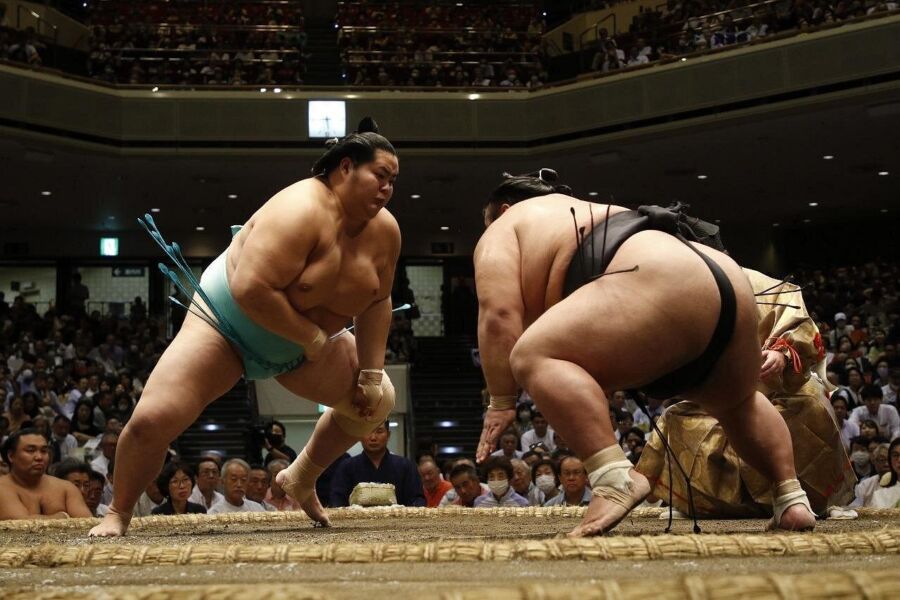
A Grand Sumo tournament tour provides structured access to Japan’s national sport. These tournaments, or basho, happen only six times a year in specific cities, with three held in Tokyo at the Ryogoku Kokugikan sumo hall in January, May, and September. A guided tour typically includes a reserved seat ticket and a pre-tour explanation from a guide who explains the rituals, rankings, and rules you’re about to see.
The experience is about observing a formal, centuries-old ceremony. You’ll be seated in the arena for several hours, watching matches that last only seconds, surrounded by a highly knowledgeable Japanese audience. The atmosphere is electric but respectful.
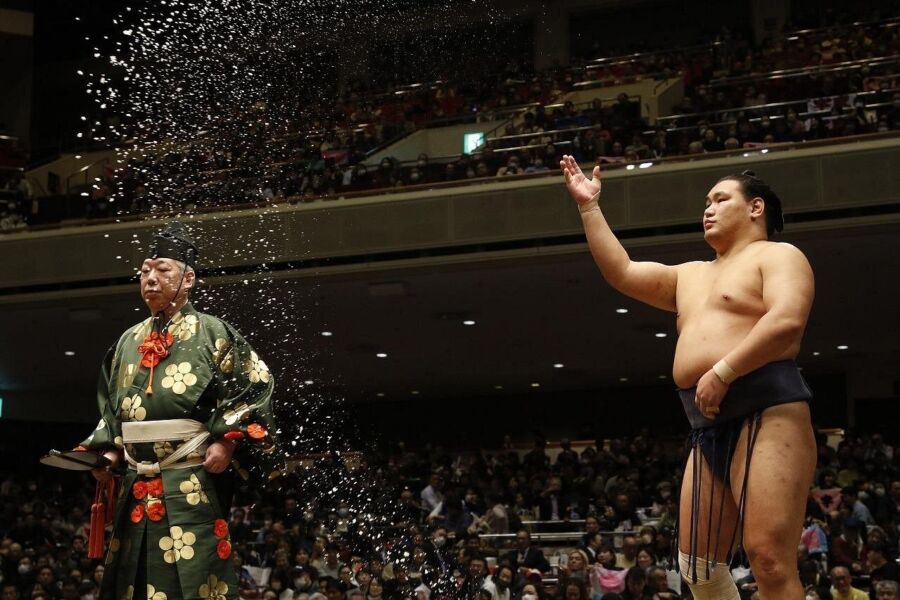
The guide points out the top-ranked wrestlers, the meaning behind the ring-entering ceremonies, and the subtle techniques used during bouts. It is a deep dive into a closed world with very specific etiquette.
Practical Details and Logistics

This is a ticketed event with extremely high demand. Tour packages that include a guaranteed seat and guidance are the most reliable way for visitors to attend. Prices are significantly higher, often starting around ¥15,000 for upper-tier seats and exceeding ¥20,000 for ringside or box seats on the main floor.
You must book months in advance, especially for the popular Tokyo tournaments. The tour is primarily observational, with strict rules against calling out or disrupting the matches.
Comparing the Experiences: Activity and Pace
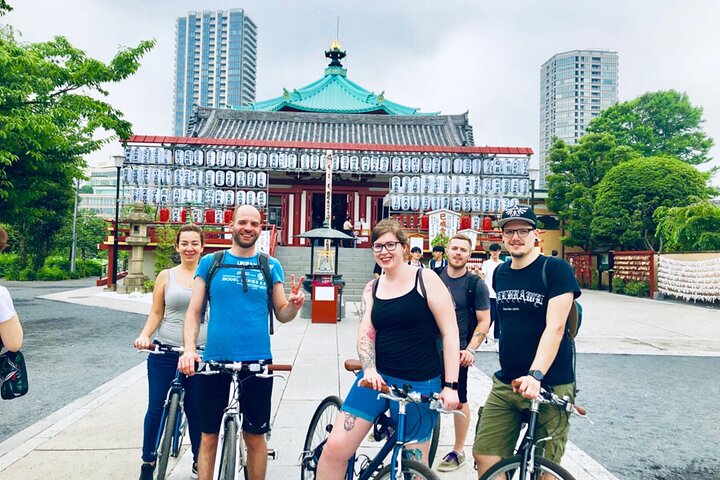
The core difference is active participation versus passive observation. The bike tour is physical. You are propelling yourself through the city, feeling the evening air, and directly engaging with the urban environment.
The pace is set by the group, but you are an active participant in the journey. It’s a kinetic way to understand Tokyo’s scale and neighborhoods.
The sumo tour is stationary and cerebral. Your physical activity is limited to walking to your seat and perhaps getting food from a concession stand. The engagement is almost entirely visual and intellectual, focused on understanding the complex sport and its traditions.
You need patience to appreciate the long pauses and ceremonial build-up between the short, explosive matches. It’s an exercise in focused attention.
See Related: Tokyo Neighborhoods Guide: Where to Stay for Every Type of Traveler
Comparing Cultural Access and Learning

Both tours offer cultural value, but in different ways. The bike tour gives you a broad-strokes understanding of modern Tokyo life.
You see where people work, live, and relax. The learning is about the city’s present-day rhythm, its blend of ultra-modern and traditional spaces, and how its residents use those spaces. It’s a geographic and social lesson.
The sumo tour is a focused lesson in traditional Japanese culture. It provides access to a highly insular institution with roots stretching back over 1,500 years.
You learn about hierarchy, ritual purity, Shinto influences, and the intense discipline of the athletes. It’s a window into a aspect of Japan that remains largely unchanged by modernity, offering a depth of cultural specificity that the bike tour does not.
Cost and Value Analysis

You must weigh the cost against what you receive. The sunset bike tour generally offers strong value for its price. You get several hours of guided activity, transportation (the bike), and a unique perspective on the city.
It’s an efficient way to cover a lot of ground without using the subway. The cost is in line with other guided urban tours globally.
The sumo tournament tour is a premium experience due to the scarcity and prestige of the event. You are paying for exclusive access to something that is logistically difficult to arrange independently and has a very limited schedule.
The value is in the rarity and the deep cultural immersion, not the duration of entertainment. For enthusiasts of Japanese culture or sports, the high cost is often justified.
See Related: Is Tokyo Safe? Surprising Facts About Japan’s Capital City
Who Each Tour Is Best For
Choose the sunset bike tour if you prefer active exploration, enjoy being outdoors, want to cover a lot of iconic sights in a short time, and have a moderate level of fitness. It’s excellent for first-time visitors wanting an overview of Tokyo’s layout and energy. It’s also more flexible, with tours available on many days throughout the year.
Choose the Grand Sumo tournament tour if you have a specific interest in Japanese tradition, don’t mind sitting for extended periods, and your travel dates align with a tournament schedule. It’s ideal for travelers seeking a deep, singular cultural experience rather than a broad overview. It requires more planning and a larger budget but delivers a truly unique memory.