
Last modified August 17, 2026
Planning a wine trip to Hungary can feel a bit daunting, especially when Tokaj comes into play. The region’s steeped in history, vineyards are scattered all over, and the options sometimes seem endless. The easiest way to enjoy Tokaj without stress? Follow a straightforward wine itinerary that balances tastings, food, and travel time.
There’s a lot more here than just the famous sweet Aszú. You’ll find dry Furmint, tiny family cellars, and even organic estates ready to welcome you. And honestly, wandering into those centuries-old cellars feels a bit like time travel. Add in hearty local dishes and you’ve got a trip that’s as much about culture as it is about wine.
Key Takeaways
- A clear plan makes visiting Tokaj wineries simple and stress-free
- Mixing tastings with local food creates a fuller experience
- Small wineries and historic cellars offer the most memorable moments
Planning Your Tokaj Wine Itinerary
When you start planning a trip to the Tokaj wine region, think about when to go, how you’ll get there, and how long you want to stay. Each of these choices shapes your experience in this UNESCO World Heritage Site and helps you get the most out of your tastings and time in the countryside.
Best Time to Visit the Tokaj Wine Region
Tokaj has four seasons, each with its own vibe. Spring brings mild weather and fewer crowds, so it’s easier to book tastings. Summer gets warmer—think lively festivals and long evenings for vineyard walks.
Winter’s quiet, with fewer open cellars, but it’s peaceful if you like a slower pace. For a mix of sightseeing and tastings, late spring and early autumn hit the sweet spot—comfortable, practical, and just busy enough.
How to Get to Tokaj and Around
Tokaj sits about 230 km northeast of Budapest. Driving is fastest—about 2.5 hours on the M3 motorway. Renting a car gives you the freedom to visit small wineries and spots like Boldogkő Castle. It’s easy to compare car rentals and hotels on Booking.com.
Prefer public transport? Trains run from Budapest-Keleti to Tokaj in just over three hours. Once you arrive, you’ll need to walk or grab taxis, since wineries are spread out in villages like Tarcal and Mád.
Many travelers hire a local driver for the day—a smart move, since Hungary enforces zero-tolerance drinking laws. With a driver, you can relax and enjoy tastings, and you won’t have to rush between wineries.
Recommended Length of Stay
If you only have one day, you’ll squeeze in three or four wineries, but honestly, it’ll feel tight. Two days is a better bet. You’ll get to see both big estates and tiny family cellars, plus have time to try local food and wander the town.
With three days, you can branch out. Maybe walk through hillside vineyards, pop into the Tokaj Museum, or hop on a boat along the Bodrog or Tisza rivers. You could even check out nearby towns or castles.
Most hotels and guesthouses in Tokaj are affordable—many under €50 a night. If you want more comfort, boutique spa hotels in Tarcal offer a higher-end stay. Book ahead, especially during harvest, because rooms go fast.
Must-Experience Tokaj Wine Tastings
Tokaj’s not just about sweet wines. You’ll find family-owned cellars, old estates, and vineyard tours that really connect you to the land. Tastings usually include both dry and sweet styles, so you get a real sense of what makes Tokaj special.
Top Tokaj Wineries to Visit
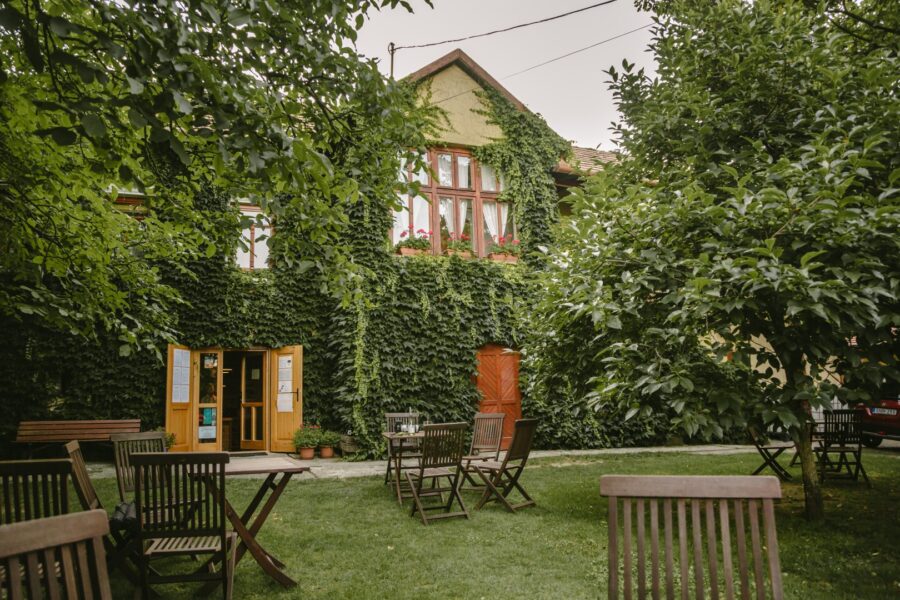
You can’t visit Tokaj without checking out its standout wineries. Hímesudvar Winery, set in a 16th-century hunting lodge, is a small, family-run spot where you can try intimate tastings of dry furmint and hárslevelű, plus their lovely dessert wines. Tastings here are relaxed, often in the garden, and you’ll want to linger.
At Dereszla Pince, you head underground—literally. Their cellar system stretches for more than a kilometer. They’re known for both dry blends and top-notch Tokaji Aszú. You can pick and choose what to taste, depending on your mood for sweet or dry.
If you like a boutique vibe, Szedmak Winery in Tarcal is warm and personal. A husband-and-wife team runs the place, focusing on traditional grapes and making you feel right at home. If chatting with winemakers is your thing, don’t skip it.
Unique Vineyard Tour Experiences
Vineyard tours let you see what makes Tokaj’s wines so distinctive. The volcanic soil and the meeting of the Tisza and Bodrog rivers create a unique microclimate for noble rot—key for Tokaji Aszú. Walking the vines, you really get a sense of the patience and skill involved.
Some estates offer guided walks paired with tastings. At Hímesudvar, you can stroll the vineyards and try a curated flight of wines, sometimes with cheese or olives. It’s a great way to connect the flavors in your glass to the land itself.
Historic Cellars and Estate Tastings
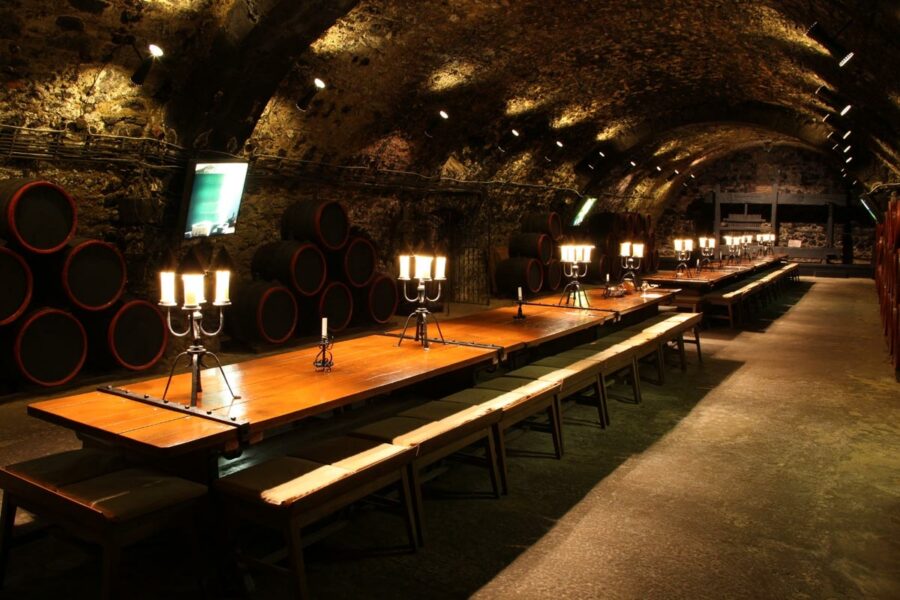
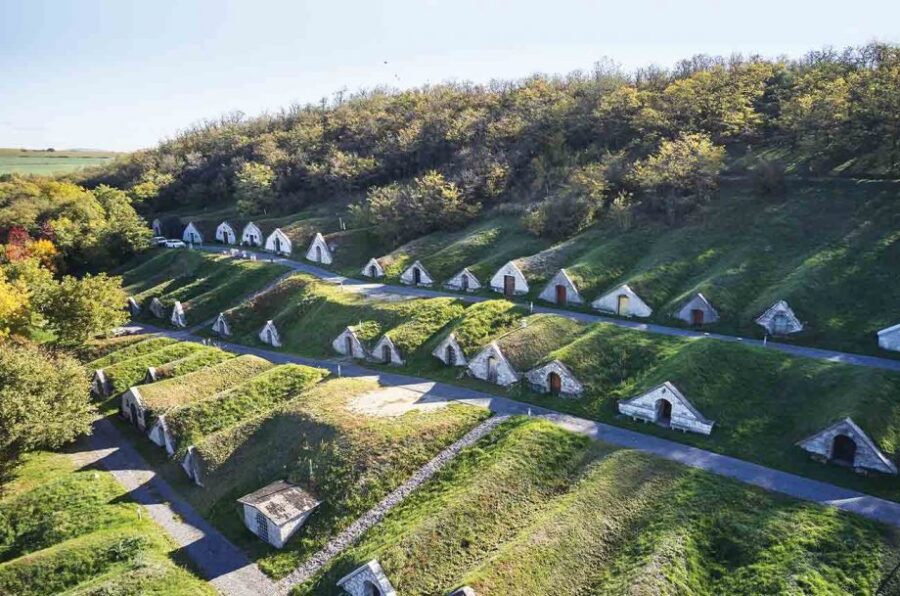
Tokaj’s cellars are a huge part of the story. Many were carved into volcanic rock centuries ago, with cool, damp air perfect for aging wine. The Rákóczi Cellar in Tokaj town, once used by nobles, is one of the largest and most impressive, with vast chambers where barrels of aszú still mature.
At Erzsébet Pince, you taste wines in a cellar from the 1600s. The Prácser family, who know winemaking inside out, guide you through both crisp dry furmints and rich sweet wines. The old setting gives every sip a bit more weight.
For a grander feel, Grof Degenfeld Winery mixes organic vineyards with a castle hotel. Their tastings often feature five to seven wines, including certified organic furmint and hárslevelű. If you stay overnight, you can take your time and really enjoy both the wines and the history.
Signature Wines of Tokaj
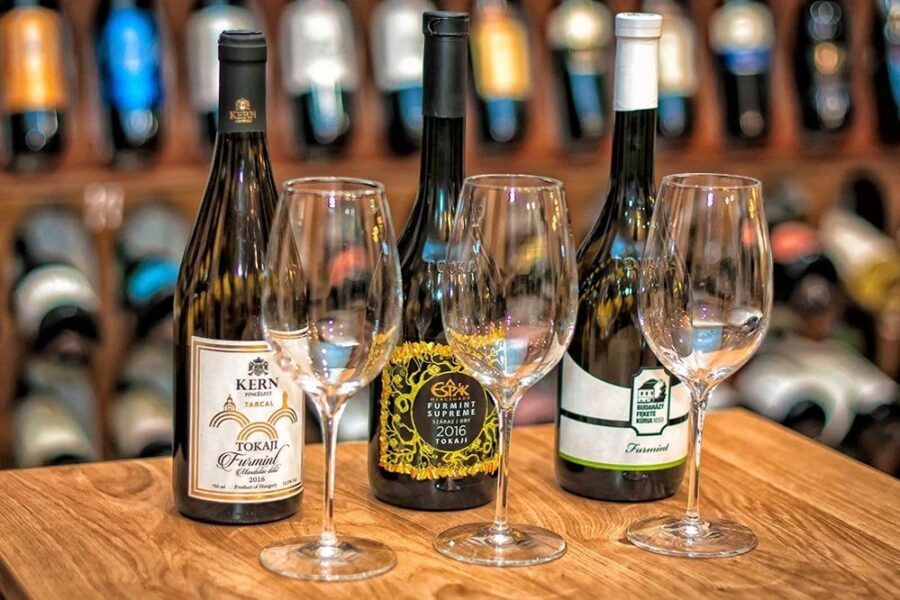
Tokaj’s reputation comes from a handful of wines you just can’t find anywhere else. Volcanic soil, river mist, and centuries of tradition all come together to create bottles that range from intensely sweet to bone dry—each with its own story.
Tokaji Aszú: Wine of Kings
If you only try one Hungarian wine, make it Tokaji Aszú. This sweet wine put Tokaj on the map centuries ago. It’s made from grapes affected by botrytis cinerea, or noble rot, which concentrates sugar and flavor.
The process takes a lot of work. Workers handpick grapes one by one, then blend them with base wine before aging in oak. The result is golden, honeyed, and packed with apricot, orange peel, and sometimes a bit of spice.
Labels mention Puttonyos, which used to measure sweetness. The old 3-6 system isn’t official anymore, but winemakers still use it as a guide—the higher the number, the richer and sweeter the wine.
I remember sipping a 5 Puttonyos in a cool cellar in Tarcal—like drinking liquid history. You don’t need a sweet tooth; the acidity keeps everything in balance.
Exploring Szamorodni and Eszencia
Not all Tokaj sweet wines are Aszú. Szamorodni comes from whole grape clusters, some with noble rot and some without. It can be dry or sweet, depending on the harvest. The dry style is a bit nutty and oxidative, almost like sherry, and goes really well with savory dishes.
Eszencia is something else entirely. It’s the free-run juice that seeps from botrytized grapes before pressing. With sugar so high, it ferments super slowly and often has just 3-5% alcohol.
Eszencia isn’t really a casual drink—it’s syrupy, intense, and usually served by the spoonful. If you see it on a tasting menu, don’t skip it. It’s rare, pricey, and unforgettable.
Dry Furmint and Hárslevelű Highlights
Sweet wines made Tokaj famous, but dry whites are what you’ll probably drink most on your trip. Furmint is the main grape. As a dry wine, it’s crisp, high in acidity, with green apple, pear, and a mineral kick from the volcanic soils.
Hárslevelű is softer and more aromatic, with floral notes—sometimes linden blossom or honey. It adds roundness when blended with Furmint. Many winemakers mix the two for balance.
When I visited Dereszla Winery, their dry Furmint was one of the most refreshing wines of the trip. It’s perfect with grilled fish or just a plate of local cheese.
If you lean toward dry wines, these styles prove Tokaj isn’t just about dessert bottles. They’re versatile, food-friendly, and a great way to see another side of Hungarian wine.
Local Cuisine and Wine Pairing Experiences
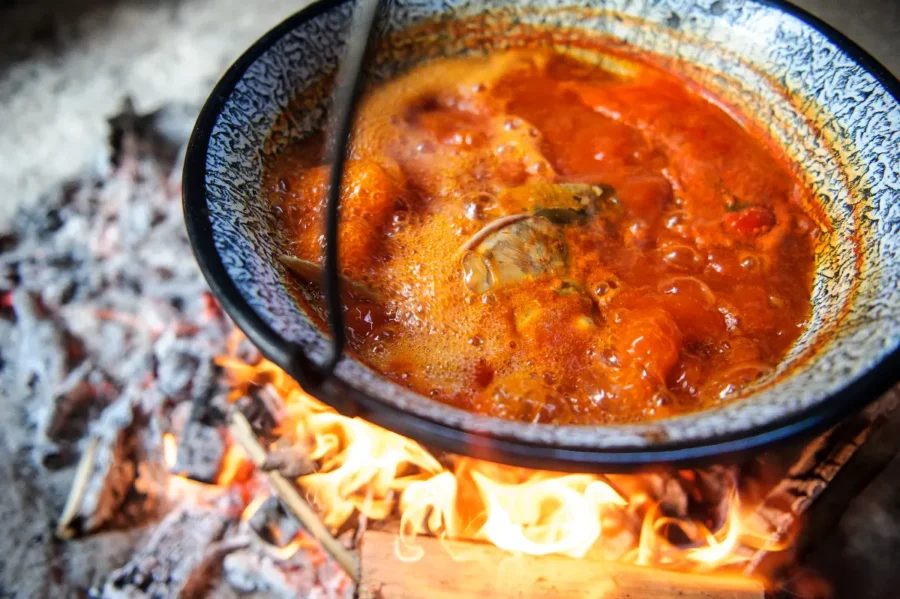
Tokaj isn’t just about wine—it’s about how the food and wine work together. From hearty Hungarian classics to small bites at wineries, you’ll find plenty of ways to taste the region’s flavors.
Traditional Dishes to Try in Tokaj
Hungarian food in Tokaj leans toward rich, comforting flavors. You’ll spot goulash, a paprika-heavy beef stew, and pörkölt, which is thicker and usually lands on your plate with noodles or dumplings. Both taste even better with a dry Furmint, which slices right through the richness.
Fish is a big deal here, thanks to the Bodrog and Tisza rivers. Locals love fisherman’s soup (halászlé): it’s a spicy, paprika-loaded broth with freshwater fish. It’s bold and stands up to the region’s aromatic whites.
Craving something lighter? Try stuffed cabbage rolls or lángos, the deep-fried flatbread slathered with sour cream and cheese. You’ll find these in smaller eateries and at festivals. Some restaurants—like LaBor Bistro—put a modern or Italian twist on Hungarian classics, which keeps things interesting.
Perfect Pairings: Food with Tokaj Wines
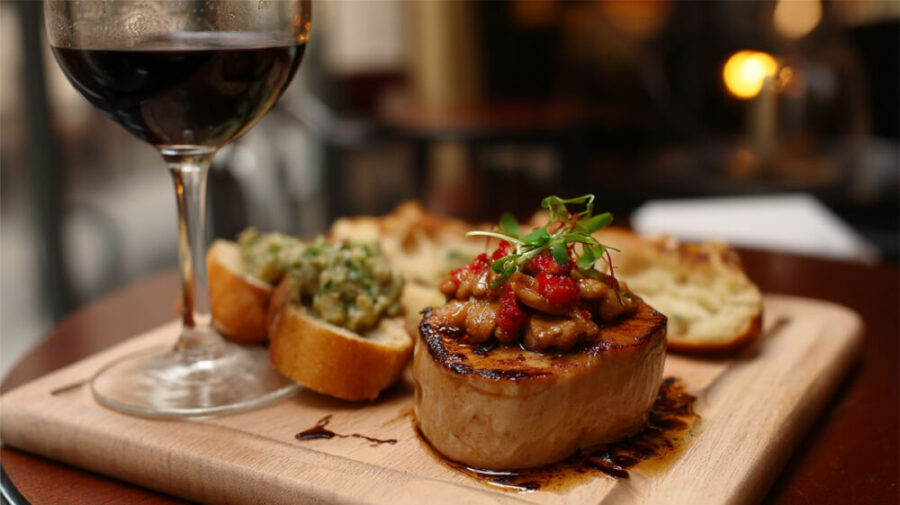
Tokaj wines surprise you with their versatility. The famous Tokaji Aszú (that sweet dessert wine) pairs beautifully with foie gras, blue cheese, or even a slice of apple tart. The wine’s sweetness tames salt and fat, making everything feel a little more special.
For dry wines like Furmint, go savory. Grilled chicken, roasted pork, or mushroom risotto all play nicely with its crisp acidity. I once tried a dry Furmint with roasted duck—honestly, I didn’t want the meal to end.
If you’re into sparkling wines, which a few local producers now make, try them with fried foods or salty snacks. The bubbles keep your palate fresh. Here’s a tip: ask the winery staff for pairing ideas—they usually know what works best with their bottles.
Snacks and Light Bites at Wineries
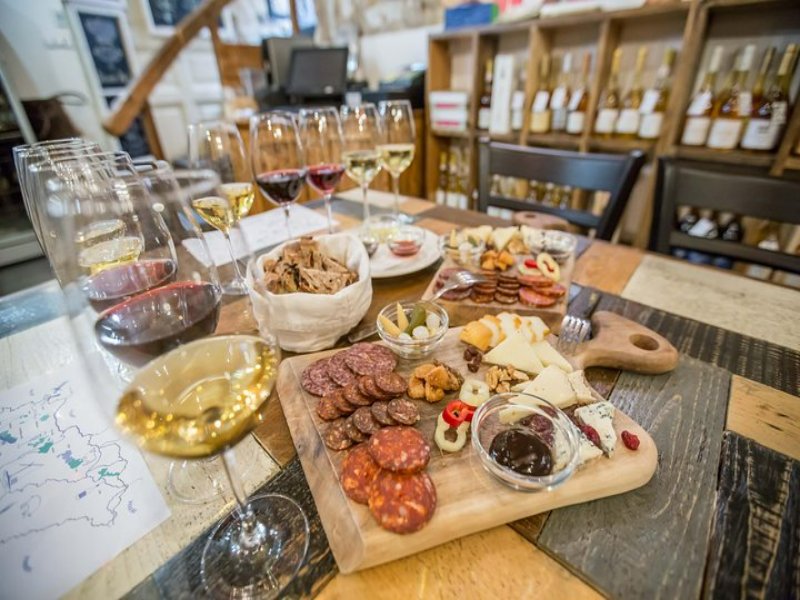
You don’t always need a full meal to enjoy Tokaj food. Many wineries set out tasting platters—cheese, cured meats, olives, maybe some fresh bread. These snacks show off the wine without hogging the spotlight.
Some tours, like those on Taste Hungary’s private wine tour, bring out a platter of local cheese or charcuterie, then follow it up with a slow lunch at a winery restaurant. You get to sample both food and wine without rushing.
Even simple things like scones with jam or a plate of seasonal fruit can make a tasting more enjoyable. I remember sitting in a small cellar, nibbling homemade cheese and sipping late harvest wine—not fancy, but it felt real.
These little touches make wine tasting in Tokaj feel personal. Instead of racing through glasses, you slow down, snack, sip, and soak up the region’s food culture. Honestly, that’s half the fun.
Exploring the Tokaj Wine Region Beyond the Glass
The Tokaj area isn’t just about sweet wines or cellar tastings. You’ll stumble on centuries-old landmarks, quiet villages with cobbled streets, and traditions that still shape daily life. It’s the kind of place where you might sip a glass one minute and wander into a medieval church the next.
UNESCO World Heritage Sites and Landmarks
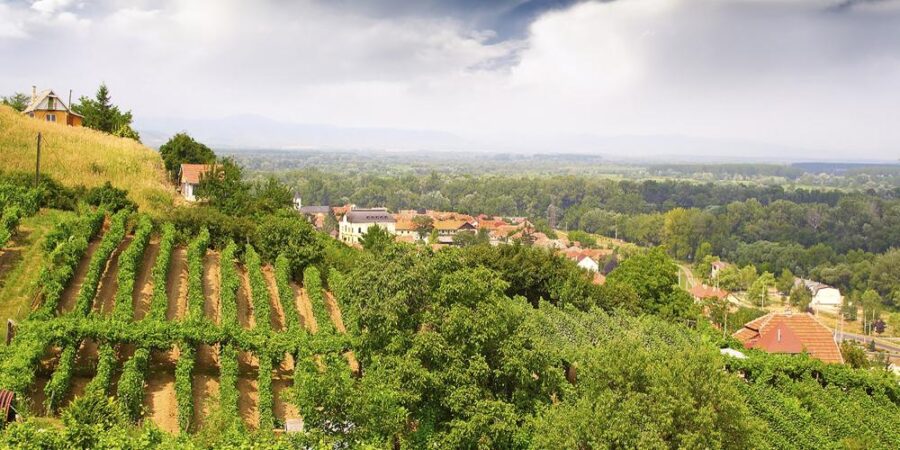
The Tokaj wine region grabbed UNESCO World Heritage Site status in 2002. Volcanic soil and centuries of winemaking play a part, but so do the cultural treasures scattered through the hills.
You can wander through historic wine cellars carved deep into volcanic rock. Some date back hundreds of years and still smell like oak casks. I ducked into one on a hot day—it felt like a natural fridge.
Beyond the cellars, you’ll find castles and churches that tell the region’s layered story. Tokaj town has a statue of Bacchus balancing on a wine barrel—a quirky nod to just how long wine’s been part of local culture.
If you’re planning a trip, it’s smart to check for cheap flights early, since Tokaj doesn’t see the crowds Budapest does. That frees up your budget for tastings and tours.
Charming Villages: Tarcal and More
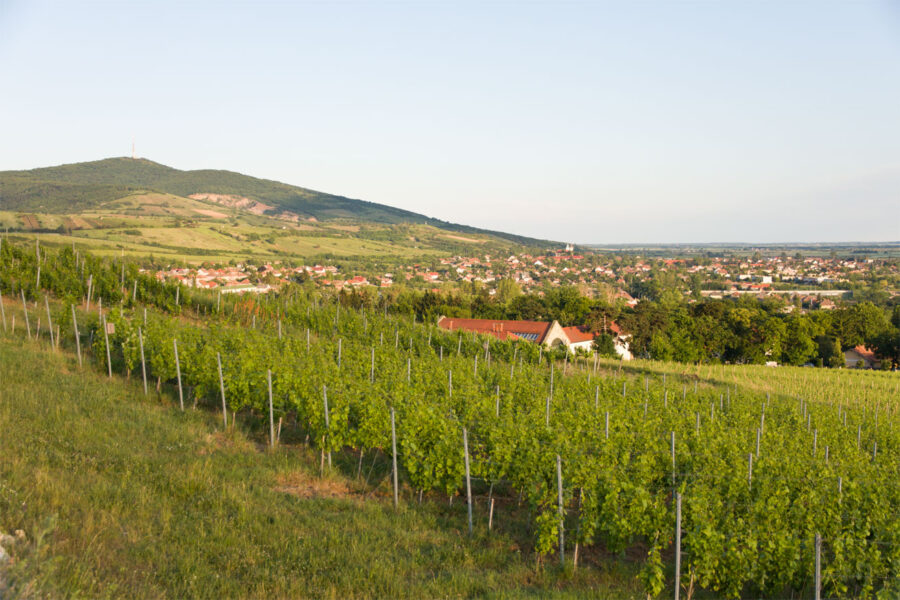
Tarcal feels like it never bothered to catch up with the modern world. Pastel houses, small chapels, and vineyards right up to the town’s edge—it’s quiet, and that’s the point. You can actually hear the crunch of gravel under your shoes.
The Blessed Virgin Mary statue sits on a hillside, looking out over the valley. It’s a short hike, but the view is worth it. I’ve sat up there with a picnic of local cheese and bread, watching the sunset spill across the vines.
Other villages like Bodrogkeresztúr and Mád are just as inviting. Each has its own small wineries, family-run guesthouses, and traditions that make you feel like a welcome guest, not just another tourist.
Cultural Events and Festivals
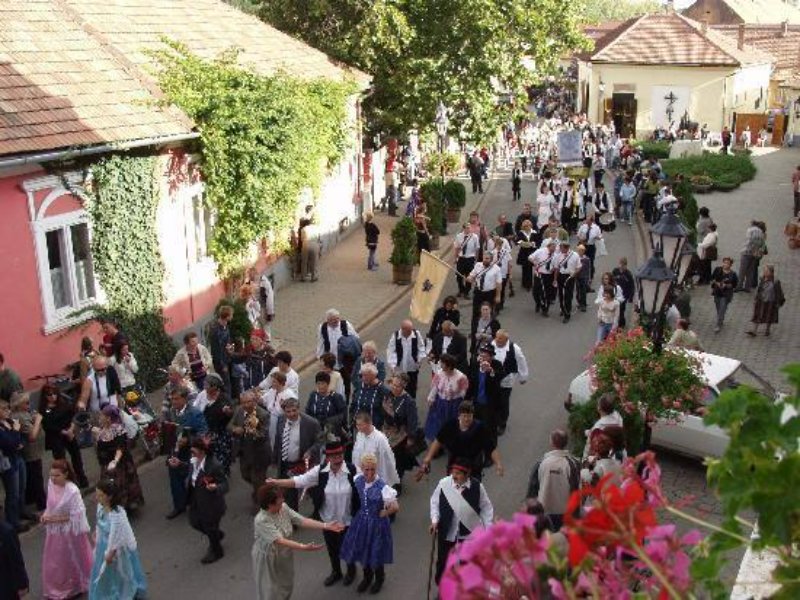
Wine sits at the center of most festivals in Tokaj, but the events go way beyond tastings. The Tokaj Harvest Festival in September is the big one—parades, folk music, and stalls selling goulash and handmade crafts fill the streets. Locals dress up in traditional clothes, which makes the whole thing feel genuinely authentic.
Spring brings smaller celebrations tied to Easter and local saints. These often include church processions and open-cellar days. I once wandered into a courtyard concert during one of these weekends—it wasn’t on any itinerary, but it ended up being the highlight of my trip.
If you love music, the Tokaj Summer Festival mixes concerts with wine tastings outdoors. Picture a string quartet, a glass of Furmint, and the stars overhead. It’s these cultural touches that make Tokaj feel like more than just a place to drink—it’s a place to belong, even if only for a few days.
Insider Tips for an Unforgettable Tokaj Wine Trip
A wine trip through Tokaj gets better when you plan the details. From booking tastings to knowing what to pack, small choices can make your visit smoother and more memorable.
Booking Tours and Tastings Like a Pro
Most Tokaj wineries want you to book in advance, sometimes two days out. Many family-run cellars don’t offer walk-in tastings all year. A quick email usually does the trick, but don’t expect instant replies—patience helps.
Be realistic. Four or five wineries in a day sounds tempting, but it’s a rush. Split your visits over two days and you’ll actually enjoy the wines and conversations, instead of watching the clock.
Hungary enforces a zero-tolerance drinking law, so driving after tasting is a no-go. Hiring a driver or joining a wine tour in Tokaj is safer and way more relaxing. Plus, you can focus on the wines, not the roads.
What to Pack for Your Wine Adventure
Tokaj’s vibe is relaxed. You don’t need anything fancy. Bring comfortable shoes—you’ll walk through vineyards and cobbled streets. A light sweater or jacket helps too, since cellars stay cool, even in summer.
Pack a reusable water bottle and road snacks. Tastings sometimes run long, and it’s nice to have something between pours. I’d also toss in a small notebook for tasting notes—after a few Furmints, everything starts to blur together.
On the practical side, a bit of trusty travel gear like a compact umbrella or portable charger makes life easier. If you’re stopping in Budapest first, consider short-term luggage storage so you’re not dragging heavy bags along.
Unique Souvenirs to Bring Home
Wine is the obvious souvenir, but think beyond the bottle. Smaller wineries sometimes sell limited releases you won’t find outside Hungary, so grab those if you can. Dry Furmint travels well and makes a good intro for friends who don’t usually drink sweet wines.
Many wineries also offer handmade items—etched glasses, corkscrews, or local honey. I once picked up a jar of wildflower honey in Tokaj, and it still reminds me of wandering vineyards on a sunny afternoon.
For something special, look for Tokaji Aszú in smaller bottles. A 375ml size is easier to pack and still gives you a taste of the region’s best. Just check customs rules before you fly home, so your treasures make it back safely.
Frequently Asked Questions
Traveling through Tokaj isn’t only about sipping wine—it’s about finding the small details that make the area special. From tucked-away vineyards to centuries-old cellars and cultural landmarks, you’ll find plenty of ways to enrich your itinerary beyond the glass.
One of my favorite surprises in Tokaj is Tarcal. It’s quieter than Tokaj town, but it’s full of family-run wineries and has a giant statue of Christ overlooking the vineyards. The view alone is worth the detour.u003cbru003eu003cbru003eCheck out the Tokaj Museum, too. It’s small, but you get a real sense of how wine shaped the region’s history. I still remember standing in front of old winemaking tools and realizing how long people have been working these hills.
Are there any lesser-known vineyards in Tokaj that offer a unique tasting experience?
Most people head for the big names, but Hímesudvar is worth a visit. It’s a smaller estate, but the cellar tours feel intimate, and the wines are excellent. They even offer a u003ca href=u0022https://theabroadguide.com/tokaj-classic-wine-tasting/u0022 target=u0022_blanku0022 rel=u0022noreferrer noopeneru0022u003eclassic wine tastingu003c/au003e in centuries-old cellars.u003cbru003eu003cbru003eI also liked Erzsébet Pince. It’s family-owned, and tastings are often led by someone deeply involved in making the wine. You feel like you’re drinking with friends, not just sitting in a formal tasting room.
What are the must-visit historical sites to complement a Tokaj wine itinerary?
After a couple of tastings, it’s nice to change gears. The Rákóczi Cellar in Tokaj is a must. It’s not just a wine cellar but a piece of Hungarian history—royalty once stored their wines here.u003cbru003eu003cbru003eIf you’ve got time, head to Sárospatak Castle. It’s about 30 minutes from Tokaj and stands as one of Hungary’s most important Renaissance castles. Walking those halls after a morning of vineyard visits is a surprisingly good combo.
You don’t have to just sit and sip. Walking through a vineyard is a refreshing way to stretch your legs and really get a feel for the land that shapes Tokaj wines. Some tours, like the u003ca href=u0022https://theabroadguide.com/tokaj-vineyard-tour-tasting/u0022 target=u0022_blanku0022 rel=u0022noreferrer noopeneru0022u003evineyard tour and tastingu003c/au003e, even let you wander among the vines before you settle in to taste.u003cbru003eu003cbru003eCooking classes are a blast, too. Pairing local dishes with Tokaji wines? That’s how locals actually enjoy them, and it’s a tasty way to learn. If you’re more into relaxation, a few hotels in the region offer spa treatments using wine-based products—kind of a unique twist you don’t see every day.