The Cats of Greece: A Cultural and Ecological TapestryGreece’s Abundance of Cats
Updated February 10, 2026
Table of Contents
- Introduction: An Emblem of Place and Paradox
- 1. Ancient Roots, Contested Roles
- The Cat’s Arrival: An Imported Predator
- A Muted Presence in Myth and Literature
- The Aegean Landrace: A Feline National Treasure
- 2. The Modern Greek Habitat – A Haven for Feline Life
- The Biophysical Foundation: An Ideal Niche
- The Human-Animal Symbiosis: The “Community Cat” Paradigm
- Mirrors of Culture: The Cat and “Siga-Siga”
- 3. The Burdens of Abundance – Crisis and Consequence
- Public Health and Zoonotic Risks
- Ecological Pressures: The Predator in Paradise
- The Welfare Paradox: Between Affection and Abandonment
- 4. A Nation’s Response – Navigating Compassion and Control
- The Legislative Framework: “Project Argos” and Its Ambitions
- The Enforcement Gap: A Chasm Between Law and Reality
- Civil Society on the Front Lines: The Power of TNR
- Conclusion: Weaving a Path to Sustainable Coexistence
- Book Your Dream Experience
- More Travel Guides
Introduction: An Emblem of Place and Paradox

Imagine a cat lounging lazily on the sun-drenched marble of an ancient ruin or weaving its way through the narrow, whitewashed alleys of a Cycladic island. These feline inhabitants are not mere background figures; they are woven into the very fabric of Greek culture and daily life. For many, they symbolize Greece just as much as its azure seas and rich classical history.
But why are there so many cats in Greece? This seemingly simple question opens a door to a complex reality shaped by ancient history, modern cultural norms, ecological factors, and evolving animal welfare policies. The Greek cat embodies both affection and neglect, integration and invasion, making it a fascinating subject for exploration.
In this article, we’ll delve into the cultural significance, historical roots, and ecological challenges posed by Greece’s beloved felines, revealing a rich tapestry that reflects the nation’s identity.
1. Ancient Roots, Contested Roles
The Cat’s Arrival: An Imported Predator

Domestic cats (Felis catus) are not native to Greece. They were likely introduced around the 5th century BC by Phoenician traders who brought them from Egypt, where they were revered.
Initially, cats were seen as exotic companions for the wealthy elite, rather than as pest controllers. It took time for them to prove their utility and become fixtures in Greek households.
A Muted Presence in Myth and Literature

In Greek mythology, cats had a peripheral role compared to their revered status in Egypt. While the goddess Artemis was associated with cats, their portrayal in literature was often pragmatic. Thinkers like Aristotle and Plutarch described them without the awe found in Egyptian texts, showcasing a more observational stance.
The Aegean Landrace: A Feline National Treasure

Greece is home to the Aegean cat, a unique breed that developed naturally in the Cycladic Islands. This breed reflects the deep history of human-cat relationships in the region, making it a national treasure that connects modern Greeks to their ancient past.
See Related: Hidden Boutique Hotels in Europe That Redefine Luxury
2. The Modern Greek Habitat – A Haven for Feline Life
The Biophysical Foundation: An Ideal Niche
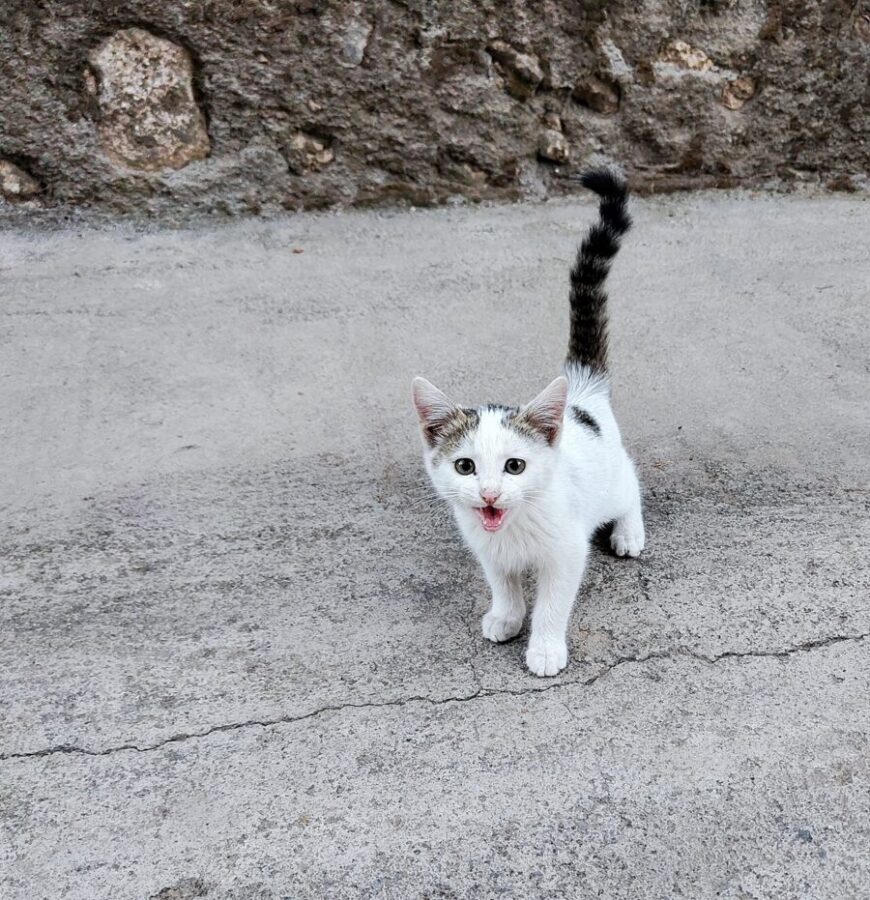
Greece’s warm Mediterranean climate offers an ideal habitat for cats. Unlike colder regions, female cats can produce multiple litters each year, leading to rapid population growth. Urban areas provide countless hiding spots, while rural and coastal regions offer abundant food sources, particularly from the fishing industry.
The Human-Animal Symbiosis: The “Community Cat” Paradigm

Cats in Greece are often seen as “community cats,” collectively cared for by neighborhoods rather than owned by individuals. This reflects the Greek cultural value of philoxenia, or hospitality, extended even to animals. Local feeding stations and the affection of tourists contribute to a unique symbiosis that sustains cat populations.
Mirrors of Culture: The Cat and “Siga-Siga”

The leisurely demeanor of cats resonates with the Greek philosophy of “siga-siga,” or taking life slowly. This cultural bond allows cats to roam freely, becoming symbols of the relaxed Greek lifestyle. Their presence enhances the charm of Greece, making them integral to the cultural landscape.
3. The Burdens of Abundance – Crisis and Consequence
Public Health and Zoonotic Risks

The high density of free-roaming cats poses significant public health risks. Many carry zoonotic diseases, such as Toxoplasma gondii and Bartonella henselae, which can be transmitted to humans. This creates a concerning public health scenario that needs addressing.
Ecological Pressures: The Predator in Paradise

Cats, while beloved, are also introduced predators that threaten native wildlife. Studies show that high cat populations negatively impact species like the Aegean wall lizard and various birds. This ecological imbalance raises questions about the sustainability of the current cat population.
The Welfare Paradox: Between Affection and Abandonment
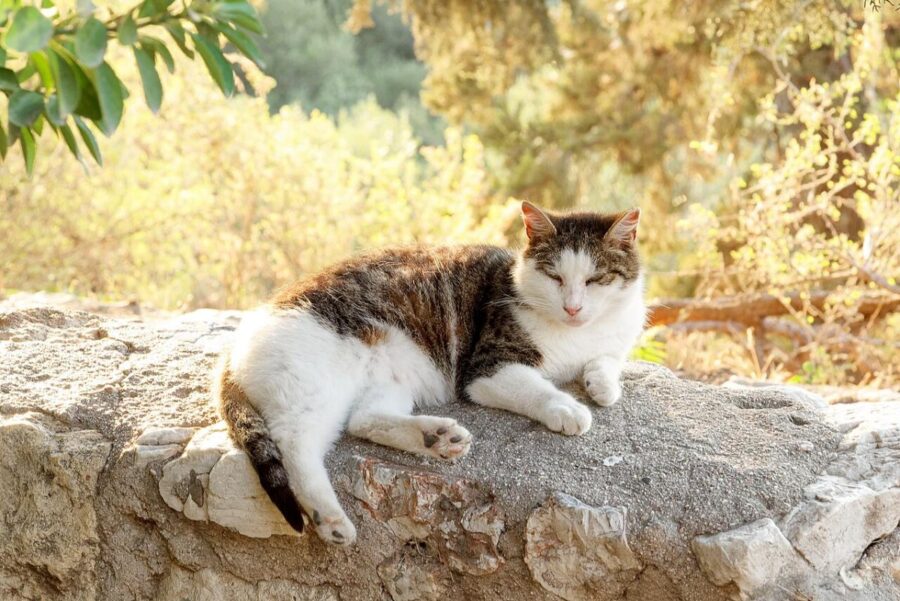
Despite their charm, many stray cats suffer from malnutrition, untreated injuries, and diseases. The seasonal influx of tourists creates a dependency that leads to hardship when they leave. Acts of cruelty, such as poisoning, further complicate the welfare landscape, revealing a paradox where affection coexists with neglect.
See Related: Affordable Places to Retire in Europe (You’ve Never Thought About!)
The Legislative Framework: “Project Argos” and Its Ambitions

Greece has established progressive animal welfare laws, including “Project Argos,” which aims to manage stray populations through sterilization and community responsibility. However, the gap between legislation and enforcement remains a significant challenge.
The Enforcement Gap: A Chasm Between Law and Reality

Municipalities often fail to fulfill their obligations due to resource constraints and lack of political will. This creates a reliance on civil society organizations to fill the void, leading to a patchwork of care that is neither consistent nor comprehensive.
Civil Society on the Front Lines: The Power of TNR

Non-profit organizations play a crucial role in managing stray populations through Trap-Neuter-Return (TNR) programs. These initiatives help stabilize cat populations but also highlight the state’s failure to implement effective animal welfare policies.
See Related: Most Famous Villas in Greece for Exclusive Aegean Hideaways
Conclusion: Weaving a Path to Sustainable Coexistence

The cats of Greece are a living testament to the nation’s complex socio-ecological system. While they enrich the cultural landscape, their presence also raises critical questions about animal welfare, public health, and ecological balance.
To ensure a sustainable future for these beloved felines, Greece must bridge the enforcement gap, scale TNR programs as public policy, and foster a culture of responsible pet ownership. By addressing these systemic issues, Greece can transform its iconic cats from symbols of crisis into embodiments of compassion and commitment.
The story of Greece’s cats is one of beauty and contradiction, reflecting the intricate relationship between humans and animals. As we explore this cultural and ecological tapestry, we are reminded that the responsibility for their well-being lies not just with the state, but with each of us who cherishes these remarkable creatures.
Book Your Dream Experience
More Travel Guides
Related Posts