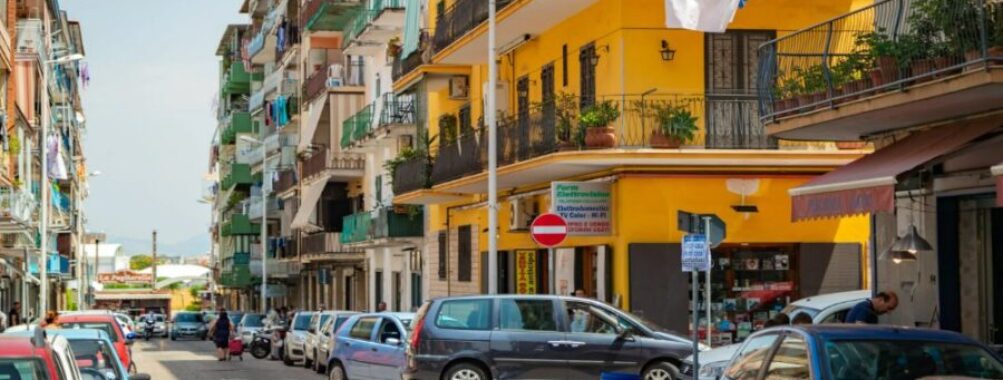
Safest Areas to Stay in Naples for Tourists: Top Picks & Insider Tips
Updated October 9, 2025
Naples is chaos and charm tangled together. The city buzzes with scooters, street markets, and history that seeps from every stone. But let’s be real—when you’re picking a place to stay, safety matters just as much as the views. The safest areas to stay in Naples are Centro Storico, Chiaia, Vomero, Posillipo, Mergellina, Piazza del Plebiscito, and the Port of Naples. These neighborhoods offer a sweet spot: secure, convenient, and packed with local flavor, so you can actually relax and soak up the city.
I’ve wandered Naples’ labyrinthine alleys at dusk and sipped espresso watching the sun dip behind the bay—each neighborhood beats to its own rhythm. Some are lively all night, others are so peaceful you’ll wonder if you’re still in the city. Picking the right base? It changes everything.
Table of Contents
- Key Takeaways
- Why Safety Matters When Choosing Where to Stay in Naples
- Understanding Naples’ Reputation
- Common Tourist Scams and How to Avoid Them
- How Neighborhoods Differ in Safety
- Centro Storico: Heart of History and Safety
- Main Attractions and Landmarks
- Best Accommodation Options
- Walkability and Nightlife
- Chiaia: Upscale Comfort and Seaside Strolls
- Shopping and Dining in Chiaia
- Luxury Hotels and Boutique Stays
- Waterfront Promenade and Parks
- Vomero: Hilltop Serenity and Local Vibe
- Family-Friendly Atmosphere
- Cultural Highlights and Panoramic Views
- Posillipo & Mergellina: Coastal Elegance and Relaxation
- Best Beaches and Scenic Walks
- Historic Villas and Parks
- Piazza del Plebiscito & Port of Naples: Central, Convenient, and Safe
- Key Sights and Monuments
- Transport Links and Island Connections
- Areas to Avoid and Essential Safety Tips for Tourists
- Neighborhoods with Higher Crime Rates
- How to Stay Safe at Night
- Emergency Contacts and Useful Resources
- Frequently Asked Questions
- What are the top recommended neighborhoods for tourists seeking a safe stay in Naples?
- Can you highlight the areas in Naples that travelers should be cautious about or avoid?
- What safety considerations should tourists keep in mind when choosing accommodation in Naples?
- How does the proximity to the train station in Naples affect tourist safety?
- During what times of the day is it considered safe for tourists to explore Naples on foot?
- Is it more advisable for visitors to stay in the center of Naples or in the outskirts for safety reasons?
- Book Your Dream Experience
- More Travel Guides
Key Takeaways
- Naples has safe, lively, and scenic neighborhoods for all kinds of travelers
- Where you stay shapes your trip—comfort and confidence go hand in hand
- A few smart habits can make your stay smooth and hassle-free
Why Safety Matters When Choosing Where to Stay in Naples
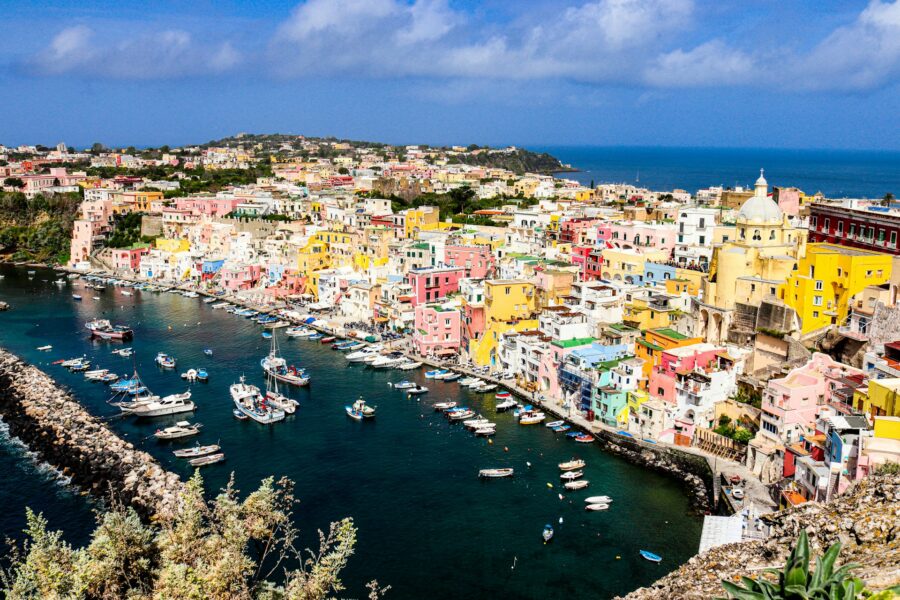
Where you lay your head at night in Naples shapes your whole experience. The city’s magic—its food, wild energy, and deep history—hits differently depending on your neighborhood. Choose wisely and you’ll explore with ease, not anxiety.
Understanding Naples’ Reputation
Naples gets a bit of a bad rap. People picture pickpockets and scooters barreling through alleys, but that’s not the full picture. Naples is vibrant and real, and most tourists never face serious trouble.
The city’s reputation stems from its past—organized crime, economic ups and downs—but these days, such issues rarely touch visitors. You’ll spot police in touristy spots like Piazza del Plebiscito and Chiaia. Locals are used to travelers and often lend a hand if you look lost. Still, like anywhere, keep your wits about you in crowded places like train stations or markets.
Common Tourist Scams and How to Avoid Them
If you hang around the old town long enough, you’ll probably run into a scam or two. Pickpockets love crowded buses and metros, fake taxi drivers sometimes lurk at the airport, and the occasional restaurant will try a sneaky “menu swap” to bump up prices.
To avoid hassle, keep your valuables tucked away, use a crossbody bag, and be wary of strangers offering random help. If someone distracts you—say, spills something on you—check your pockets right away.
I’ve learned to always agree on a taxi fare before getting in, and I pay close attention when buying ferry tickets at the Port of Naples. Sometimes scammers pose as ticket agents and overcharge. A little caution is all it takes, and honestly, most Neapolitans hate these scams as much as you do.
How Neighborhoods Differ in Safety
Safety in Naples can shift from street to street. Upscale areas like Chiaia, Posillipo, and Vomero are calm, clean, and well-lit even late. They’re among the best areas to stay in Naples if you want peace and a view of the sea.
Near Garibaldi Station or Quartieri Spagnoli, things can feel a little rougher after dark. These spots buzz during the day but aren’t the best pick for nervous or first-time visitors.
Here’s a quick rundown:
| Area | Safety Level | Vibe | Best For |
|---|---|---|---|
| Chiaia | Very Safe | Elegant, coastal | Shopping, dining |
| Centro Storico | Moderate | Historic, busy | Sightseeing |
| Vomero | Safe | Residential, hilly | Families |
| Posillipo | Very Safe | Scenic, quiet | Relaxation |
| Garibaldi | Less Safe | Transit hub | Short stays only |
You don’t have to skip Naples’ energy to stay safe—you just get to enjoy it with less worry.
Centro Storico: Heart of History and Safety
Centro Storico is where Naples’ ancient roots meet a lively, modern pulse. You’ll wander past centuries-old churches, bustling piazzas, and trattorias tucked into alleys that haven’t changed much in generations. It’s a safe, central spot to explore on foot, with easy access to trains and main sights.
Main Attractions and Landmarks

In the Decumani neighborhood, you’ll walk streets laid out by the ancient Greeks. The famous Spaccanapoli slices right through the old town, splitting it in two. Along this route, you’ll spot the Duomo di San Gennaro, the Basilica di Santa Restituta, and the Battistero di San Giovanni in Fonte—all with roots reaching back to early Christianity.
A few blocks away, the Museo Cappella Sansevero hides the Veiled Christ sculpture, which is one of those rare things that actually lives up to the hype. Not far, Pio Monte della Misericordia shows off Caravaggio’s “Seven Works of Mercy.”
If you’re into people-watching, grab a seat at Piazza Bellini or Piazza del Mercato. Street performers and students crowd the area most evenings. I once spent an entire afternoon sketching the Teatro Bellini di Napoli from the steps—couldn’t bring myself to leave that view.
Best Accommodation Options

Centro Storico has a good mix of boutique hotels, B&Bs, and restored palazzos. Albergo Palazzo Decumani stands out for its elegant rooms and quiet courtyard. If you want something smaller, La Casa Sul Nilo feels homey and is close to the action. Apartment fans should check out Palazzo d’Auria Aparthotel or Il Tesoro Smart Suite & Spa for comfort and a prime location.
Most places are within walking distance of Napoli Centrale (the Naples Central Train Station), so day trips to Pompeii or Sorrento are easy. Prices swing a bit, but you can compare and book on trusted travel sites.
I love that many hotels here have vaulted ceilings and old tile floors—it feels genuine, not overdone. Waking up to church bells instead of traffic? That’s Naples for you.
Walkability and Nightlife
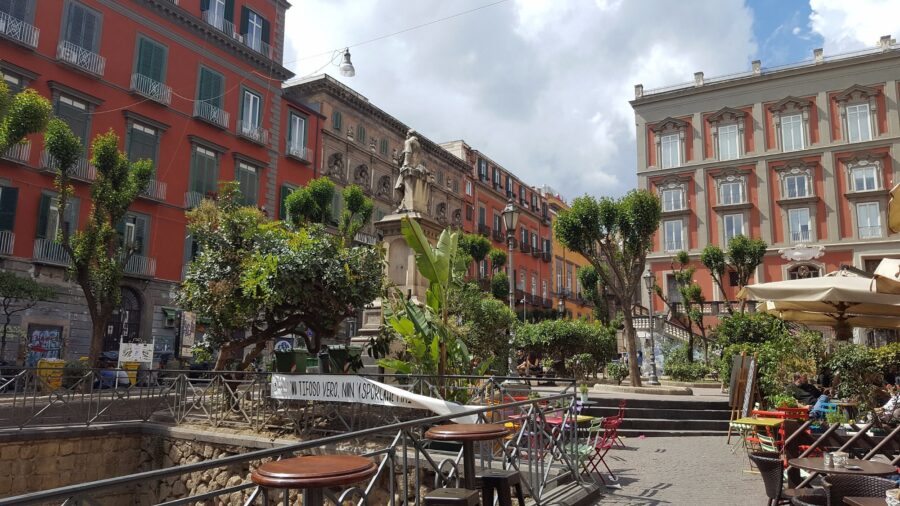
Centro Storico is compact and best seen on foot. The lanes twist and turn, but that’s the charm. You’ll stumble on artisan shops, tiny bakeries, and old bookstores without even looking for them. Wear comfy shoes; those cobbles get tough after a day out.
At night, it’s lively but doesn’t feel risky. Locals crowd the wine bars around Piazza Bellini, and live music drifts out into the street. I’ve walked home past midnight plenty of times and felt fine—just keep your usual city smarts.
If you want a slower evening, head toward Piazza San Francesco a Capuana. The blend of history, community, and easy wandering makes Centro Storico a top pick for a Naples stay.
Chiaia: Upscale Comfort and Seaside Strolls
Chiaia brings out Naples’ calm, sophisticated side. You’ll find elegant streets, boutiques, historic villas, and a long seaside promenade where locals stroll at sunset. It’s stylish but not stiff, mixing luxury with a real, lived-in vibe.
Shopping and Dining in Chiaia

If you’re into shopping, Chiaia is your playground. Via dei Mille and Via Calabritto are lined with Italian designer shops and quirky artisan boutiques. You can lose hours wandering between leather stores, antique shops, and cafés spilling onto the sidewalks.
Dining here is a treat—upscale restaurants, cozy trattorias, and gelato stands sit side by side. I still remember a plate of spaghetti alle vongole near Piazza dei Martiri—simple, fresh, and honestly unforgettable. You can move from afternoon coffee to a late-night aperitivo without leaving the neighborhood.
Dinner near Piazza del Plebiscito is a local favorite, perfect for people-watching with seafood that probably came off the boat that morning. The area stays safe and lively even after dark, making it ideal for evening strolls.
Luxury Hotels and Boutique Stays

Chiaia’s hotels lean toward elegance and comfort. The Grand Hotel Vesuvio overlooks the bay, with Mount Vesuvius in the background. A few streets away, the Chiaja Hotel de Charme sits in an 18th-century building with antique touches and staff who remember your coffee order by day two.
If you want something modern, Britannique Hotel Naples has sleek design and balconies over the Gulf. Prices range, but you’ll find something for most budgets if you check hotel listings ahead of time.
What I love most about staying in Chiaia isn’t just the décor—it’s the quiet. For a city as wild as Naples, waking up to birds instead of scooters feels like a luxury.
Waterfront Promenade and Parks
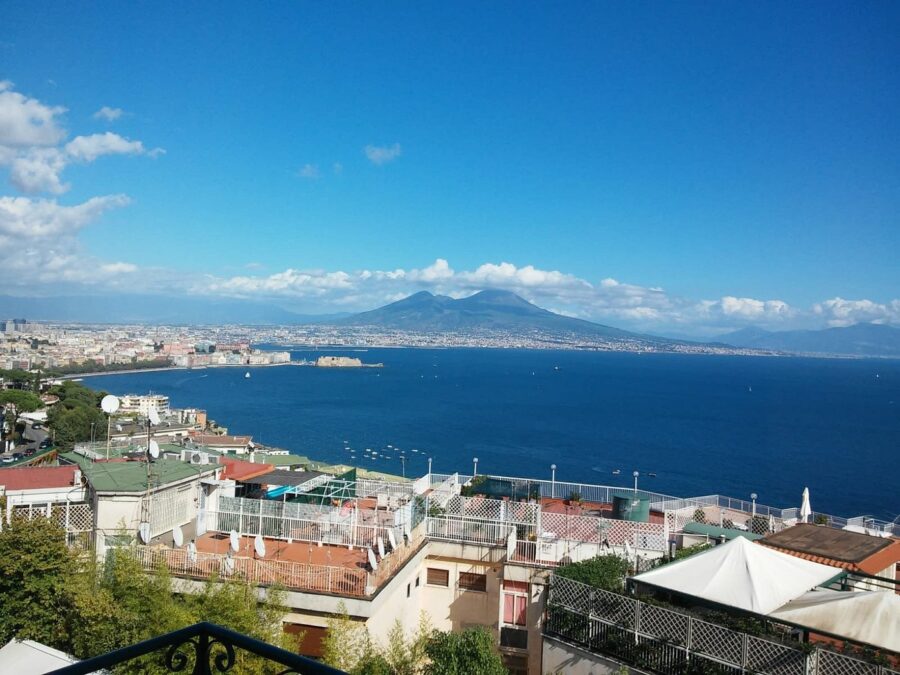
The Lungomare Caracciolo is one of Naples’ best walks. You’ll stroll by the sea, passing joggers, musicians, and families with gelato. The view across the Gulf is stunning, especially at sunset when Vesuvius turns pink.
Along the way, you’ll find Villa Pignatelli, a neoclassical mansion with peaceful gardens. A few blocks inland, small parks and shady benches offer a break from sightseeing.
I like to grab a coffee and just watch the ferries head to Capri. It’s peaceful but full of life—the kind of spot where you feel like you’ve tapped into the real Naples.
Vomero: Hilltop Serenity and Local Vibe
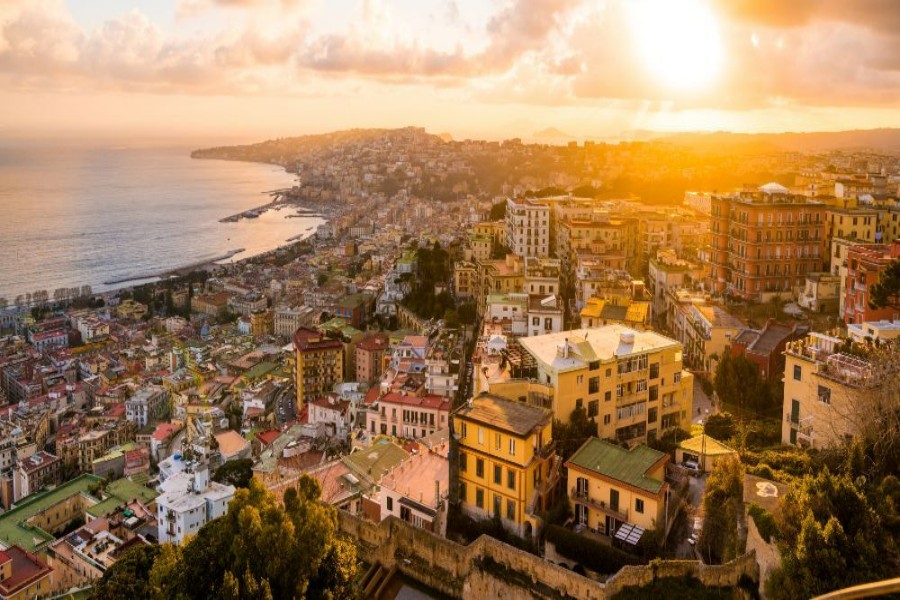
Vomero sits high above the city, mixing calm residential streets with a lively, local buzz. Elegant avenues, leafy parks, and historic sites sit next to cafés and boutiques that stay open late.
Family-Friendly Atmosphere

If you want a peaceful base that still feels connected to Naples, Vomero’s a solid bet. The neighborhood is known for safe streets, clean sidewalks, and friendly locals. Lots of families live here, so the pace is relaxed—kind of rare for Naples.
Kids play near Piazza Vanvitelli, parents chat outside bakeries, and couples stroll home after dinner. Public transport (the funicular or Line 1 metro) gets you to the historic center quickly, but you’ll come back to quiet nights and leafy views.
There’s no shortage of small hotels and B&Bs for families. Hotel Cimarosa is right by Vanvitelli station—comfortable, but without downtown’s noise. For longer visits, apartments near Stadio Arturo Collana are handy, with markets, gyms, and cafés just steps away.
Locals say Vomero lets you live like a Neapolitan, but without the chaos. It’s a good place to slow down, sip an espresso at the corner bar, and still feel the pulse of the city.
Cultural Highlights and Panoramic Views

Vomero sits high above Naples, and honestly, you get some of the best views in the city here. From Castel Sant’Elmo, you’ll spot the Bay of Naples, Mount Vesuvius, and the city stretching out below. The nearby Certosa e Museo di San Martino keeps centuries of Neapolitan art and history tucked away behind cool, quiet monastery walls—if you’re looking to escape the city’s chaos for a bit, this is the place.
Need a breather? Head to Villa Floridiana. Locals love it for a reason: shady walking paths, a quirky little museum, and a pond full of turtles. On a sunny weekend, you’ll see families picnicking and kids chasing each other through the grass.
Art, architecture, daily life—it all blends together in Vomero. When the sun drops, Naples glitters below, and honestly, it feels like you’re in a completely different world up there.
Want more details? Check out What’s Down That Street or see why Vomero’s often ranked among the safest areas to stay in Naples.
Posillipo & Mergellina: Coastal Elegance and Relaxation
These seaside neighborhoods give you a calmer, more refined side of Naples. Picture peaceful walks, tiny beaches, and old villas with killer views—far from the city’s usual bustle.
Best Beaches and Scenic Walks
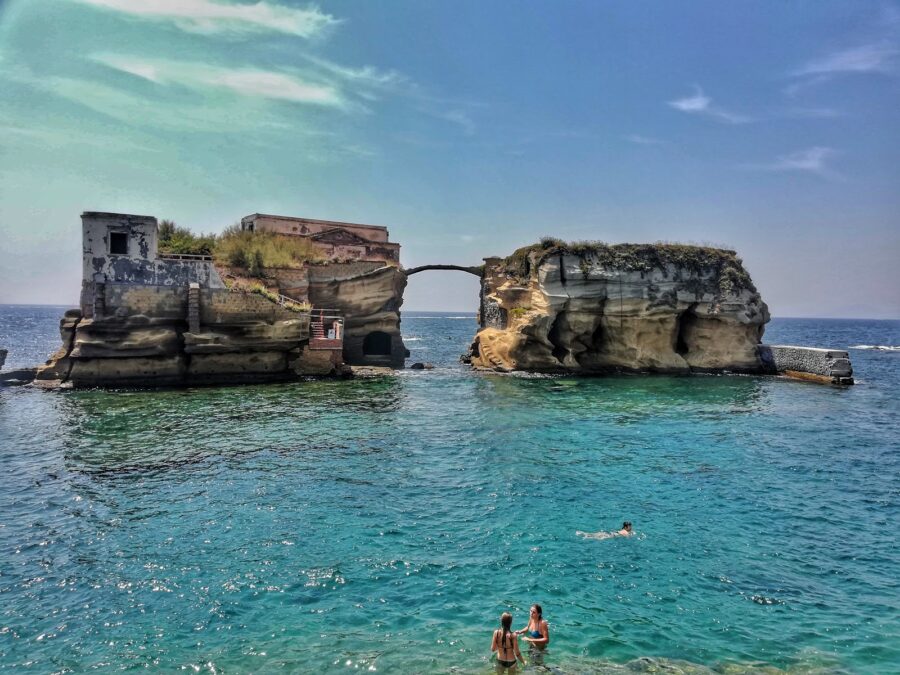
If you’re after a quiet swim or a slow walk by the sea, Posillipo and Mergellina are your best bet. The little Gaiola Beach sits inside a protected marine park, with clear water and rocky coves. It’s tucked away, never crowded, and feels like your own secret spot.
Take the Lungomare promenade from Mergellina toward Chiaia. You get wide open views of Vesuvius and the bay, passing cafés, gelato stands, and the Port of Mergellina (where you can catch ferries to the islands).
I always pause for coffee at a marina kiosk—locals chat, fishermen fix their nets, and the air’s a mix of salt and espresso. That’s Naples for you.
Thinking of staying nearby? Hotel search has you covered. BW Signature Collection Hotel Paradiso and PrimoPianoPosillipo both put you close to the sea and those evening strolls.
Historic Villas and Parks

Up the hill, Parco Virgiliano might have the best views in Naples. On clear days, you’ll see Capri, Ischia, and the Sorrento Peninsula. It’s a go-to for locals at sunset or when they just need some space.
Nearby, you’ll spot Palazzo Donn’Anna—a partly ruined 17th-century villa rising straight out of the sea. It’s dramatic, weathered, and pops up all over Instagram for good reason.
You can wander the Pausilypon Archaeological Park too. Ancient Roman ruins overlook the water, with tunnels carved right through the rock. It’s a little wild and usually quiet—a dream if you’re into history with your sea breeze.
And if you’re around on the weekend, check out the Posillipo Market for antiques and local crafts. It’s not huge, but it gives you a taste of local life.
Piazza del Plebiscito & Port of Naples: Central, Convenient, and Safe
If you stay near Piazza del Plebiscito or the Port, you’re right in the mix—close to major sights, the seafront, and ferries out to the islands. Hotels are elegant, squares are lively, and you can walk pretty much everywhere.
Key Sights and Monuments

Piazza del Plebiscito is the heart of Naples. The grand Basilica di San Francesco di Paola faces the Royal Palace. I remember standing there one evening, the square glowing and musicians playing under the colonnades—it felt straight out of a movie.
Just around the corner, you’ll find San Giacomo Palace (city hall) and Castel Nuovo, the fortress guarding the waterfront. The area mixes elegance with a bit of chaos, especially during festivals or concerts.
If you want to stay nearby, Grand Hotel Oriente and La Ciliegina Lifestyle Hotel are solid picks. Looking for something deeper? Book a city walk or day trip with GetYourGuide—they’ll show you corners most tourists miss.
Transport Links and Island Connections

The Port of Naples, especially the Molo Beverello terminal, connects you to Capri, Ischia, Sorrento, and the Amalfi Coast. Ferries leave all the time, and the ride gives you some of the best bay views.
You can walk from Piazza del Plebiscito to the port in under ten minutes. If you’re catching an early ferry or planning a full-day trip, it couldn’t be easier. I’ve done that walk a dozen times—grabbing a quick espresso before boarding is basically tradition.
If you’re into tours or island hopping, Viator lists plenty of options. Events like the Naples Bike Festival keep the waterfront lively. Whether you’re heading out by boat or just exploring on foot, everything’s right there.
Areas to Avoid and Essential Safety Tips for Tourists
Naples buzzes with life, but some neighborhoods feel a bit rough. If you know where to go—and where not to—you’ll feel much more relaxed.
Neighborhoods with Higher Crime Rates
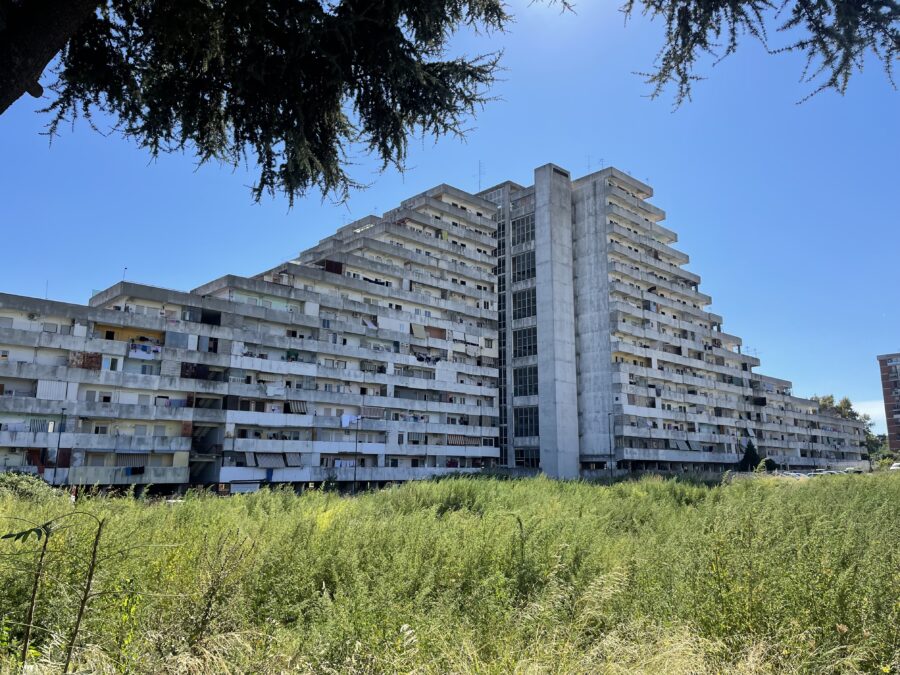
Locals and regulars usually agree on a few areas to skip, especially after dark. Scampia and Secondigliano (up north) have struggled with organized crime and unemployment for years. There’s nothing for tourists there, so just don’t bother.
The Quartieri Spagnoli (Spanish Quarter) is colorful and central, but at night it can feel sketchy. Petty theft happens more here—daytime visits for food or shopping are fine if you stay alert.
San Giovanni a Teduccio and Internapoli are mostly residential and industrial. They’re not dangerous in a dramatic way, just not great for sightseeing or late-night strolls. Stick to tourist-friendly districts like Chiaia or Vomero and you’ll dodge most issues. For a deeper dive, see this guide on areas of Naples to avoid.
How to Stay Safe at Night
Naples’ nightlife is fantastic, but you’ll want to plan ahead. Don’t walk alone through empty alleys after midnight. I usually stick to main roads or grab a taxi back to my hotel—cabs are cheap compared to other European cities and save a lot of hassle.
Keep your bag zipped and close on public transport. Pickpockets love crowded metro stations like Garibaldi or Museo. I’ve had someone try to unzip my backpack while I was distracted by a street performer—lesson learned.
You’ll feel safer if you stay in busy, well-lit areas. Locals are usually happy to help if you need directions or feel uneasy. For more tips, check out these Naples safety tips for tourists.
Emergency Contacts and Useful Resources
If you need help, these numbers might save you some stress:
| Service | Number | Notes |
|---|---|---|
| Emergency (Police, Fire, Ambulance) | 112 | Works across Italy |
| Tourist Police (Polizia Turistica) | 081 283 111 | English-speaking officers available |
| Medical Emergency (First Aid) | 118 | For urgent health issues |
| Taxi Naples (Radio Taxi) | 081 8888 | Reliable 24-hour service |
There’s a Tourist Information Office near Piazza del Plebiscito if you need maps or advice. Most hotels have a 24-hour front desk, so don’t hesitate to ask for help with taxis or lost items.
Lost your passport? Contact your embassy or consulate in Rome—they’ll sort you out with emergency travel documents. It’s rare, but better to have the info just in case.
Frequently Asked Questions
Naples is a mix of lively, historic neighborhoods and quieter spots that feel more relaxed. Safety really comes down to where you stay, how you move around, and just staying aware—like in any big city.
What are the top recommended neighborhoods for tourists seeking a safe stay in Naples?
You’ll probably feel most at ease in Chiaia, Vomero, or the Historic Center (Centro Storico). These spots balance safety with easy access to sights, food, and the waterfront.
Posillipo is also a favorite for its calm vibe and sea views. Easy Travel 4U lists these among the safest, and you’ll notice a strong police presence.
Can you highlight the areas in Naples that travelers should be cautious about or avoid?
Some neighborhoods feel rougher, especially after dark. The Quartieri Spagnoli (Spanish Quarters) and areas near Scampia or Sanità see more petty crime. Approach with care.
Naples Unfiltered points out that tourists should watch out for pickpocketing or street scams in these areas. Stick to main roads and avoid wandering into unknown alleys late at night.
What safety considerations should tourists keep in mind when choosing accommodation in Naples?
Choose a place with secure entry and solid reviews. Make sure it’s close to public transport and on a well-lit street.
I always look for spots where locals hang out—cafés, bakeries, or small shops nearby usually mean the area’s safe. And trust your gut; if something feels off, move on.
How does the proximity to the train station in Naples affect tourist safety?
Napoli Centrale train station is convenient but draws pickpockets. If you stay nearby, keep an eye on your bags and don’t flash valuables.
I’ve stayed near the station—it’s fine during the day, but I wouldn’t hang around outside at night. For peace of mind, pick a place a few blocks away or try Chiaia instead.
During what times of the day is it considered safe for tourists to explore Naples on foot?
Walking around during the day is generally safe, especially in busy areas like Via Toledo, Piazza del Plebiscito, and the Lungomare. Shops are open, people are out, and the city feels alive.
After 10 p.m., things quiet down. If you’re out late, stick to main streets and skip shortcuts through empty alleys.
Is it more advisable for visitors to stay in the center of Naples or in the outskirts for safety reasons?
Honestly, sticking to the city center just makes things easier, especially if it’s your first time in Naples. You’re right in the thick of the action, close to the main sights, and there’s a stronger police presence—not to mention better lighting at night.
Sure, the outskirts might offer a quieter vibe, but they’re not exactly ideal for exploring or heading out after dark. If you care about safety and want to get around without hassle, I’d pick somewhere central—think Chiaia or Vomero.