
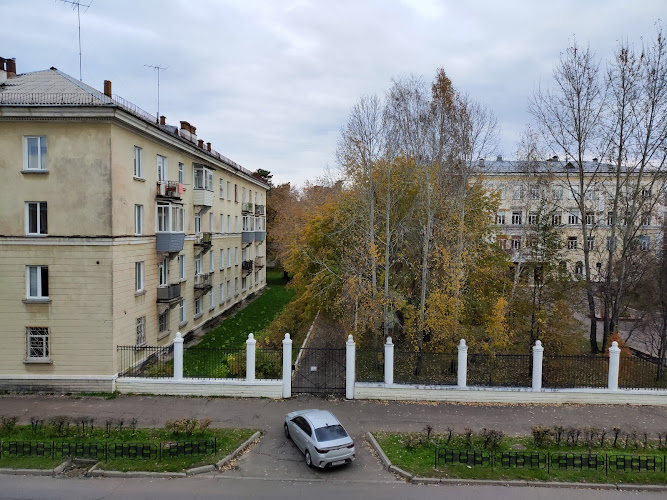
Zheleznogorsk
About Zheleznogorsk
Description
Zheleznogorsk stands as one of Russia’s most enigmatic destinations – a place that technically didn’t exist on any map for decades. This closed city in Krasnoyarsk Krai carries the weight of Soviet secrecy and nuclear history, making it unlike anywhere else you’ll ever visit. With a population hovering around 84,000 people, it’s not exactly a bustling metropolis, but that’s precisely what makes it so fascinating.
The city sits roughly 35 kilometers north of Krasnoyarsk, tucked away in the foothills of the Atamanovsky Ridge where the Sayan Mountains begin their dramatic rise. And honestly? The setting is absolutely stunning. Dense Siberian forests stretch as far as the eye can see, providing the same natural camouflage that once made this location perfect for the Soviet Union’s most classified operations.
What really sets Zheleznogorsk apart from your typical travel destination is its history as Krasnoyarsk-26 – a secret plutonium production facility that operated in complete anonymity. No road signs pointed to it, no postal addresses acknowledged its existence, and certainly no tourists were wandering its streets. The Soviet government needed a secure location for nuclear material production, and they found it here among the endless taiga.
Today, visiting Zheleznogorsk requires jumping through bureaucratic hoops that would make most government agencies blush. You can’t simply book a hotel room and show up with your camera. This remains a closed city where access is strictly controlled, requiring official invitations and government-approved reasons for your visit. But for those determined travelers who manage to navigate the paperwork maze, the experience offers something genuinely unique in our increasingly connected world.
Key Features
The features that make Zheleznogorsk worth the extraordinary effort to visit include:
- Former secret nuclear facility status with fascinating Cold War history
- Stunning natural setting within the Sayan Mountain foothills
- Dense Siberian forest landscapes that provided perfect Soviet-era concealment
- Closed city restrictions that preserve an authentic atmosphere untouched by mass tourism
- Continental climate similar to Krasnoyarsk with distinct seasonal variations
- Unique urban planning designed around secrecy and security rather than commerce
- Local population with stories and perspectives unavailable anywhere else
- Architecture reflecting Soviet-era industrial priorities and closed community design
- Proximity to Krasnoyarsk for combining urban exploration with closed city access
- Rare opportunity to experience a genuinely restricted destination
Best Time to Visit
Planning your visit to Zheleznogorsk requires considering both the challenging climate and the complex access requirements. The continental climate here follows Köppen classification Dfb, which basically means you’re looking at long, harsh winters and relatively short but pleasant summers.
Summer months from June through August offer the most comfortable conditions for visitors. Temperatures become genuinely pleasant, the endless forests come alive with greenery, and daylight stretches magnificently long across the Siberian landscape. July typically provides the warmest weather, though don’t expect Mediterranean conditions – this is still Siberia, after all.
Spring arrives late but brings its own magic. May can be particularly rewarding as the landscape awakens from winter’s grip and the contrast between snow patches and emerging vegetation creates dramatic scenery. However, mud season can make some areas less accessible, so factor that into your planning.
Winter visits appeal to those seeking authentic Siberian experiences, but temperatures plummet severely and daylight becomes precious. January temperatures regularly drop well below freezing, and the cold here isn’t just cold – it’s the kind that makes your breath freeze instantly. But if you’re prepared for extreme conditions, winter offers unparalleled opportunities to experience the landscape that helped hide this city for decades.
Autumn provides another interesting window, particularly September when temperatures remain moderate but tourist numbers drop even lower than usual. The forest colors can be spectacular, though weather becomes increasingly unpredictable as winter approaches.
Remember that your timing also depends heavily on bureaucratic processes. Government approvals don’t follow seasonal schedules, so build flexibility into your travel dates from the beginning.
How to Get There
Getting to Zheleznogorsk presents challenges that go far beyond typical travel planning. This isn’t a destination where you can simply book flights and figure out transportation later – the access restrictions require careful coordination well before your departure date.
The bureaucratic process begins months before travel. You’ll need an official invitation from an authorized agency within the city, along with government-approved documentation explaining your visit’s purpose. Tourism alone typically isn’t sufficient justification, so many visitors arrange their trips through academic institutions, cultural exchanges, or business connections with legitimate reasons for accessing the closed city.
Once you’ve secured proper authorization, the physical journey typically starts in Krasnoyarsk. This regional hub offers the most practical access point, with regular flights from Moscow and other major Russian cities. From Krasnoyarsk, the distance to Zheleznogorsk covers approximately 35 kilometers northward, though the exact route and transportation method will likely be coordinated through your sponsoring organization.
Independent travelers shouldn’t expect to rent cars and drive themselves to Zheleznogorsk. The closed city status means access points are monitored and controlled. Your invitation paperwork will typically include transportation arrangements or specific instructions for reaching the city legally.
International visitors face additional complexity with Russian visa requirements layered on top of closed city restrictions. Plan for extended processing times and potential complications that could delay or cancel your trip entirely. Having backup dates and flexible travel arrangements becomes essential when dealing with these multiple layers of government approval.
Some travelers coordinate their Zheleznogorsk visits with broader Siberian itineraries, using Krasnoyarsk as a base for exploring the region. This approach helps justify the considerable effort required while providing fallback options if closed city access encounters unexpected problems.
Tips for Visiting
Visiting Zheleznogorsk successfully requires preparation that goes way beyond packing appropriate clothing. The closed city restrictions create unique challenges that most travelers never encounter elsewhere.
Documentation becomes absolutely critical. Keep multiple copies of all authorization paperwork, invitation letters, and identification documents. Russian bureaucracy doesn’t forgive forgotten forms, and you won’t find tourist information centers or helpful travel agents once you arrive. Your sponsoring organization should provide detailed guidance about required documents, but verify everything independently before departure.
Photography restrictions deserve serious attention. Many areas within closed cities prohibit cameras entirely, while others allow limited personal photography but forbid sharing images publicly. Understand these rules completely before your visit and respect them absolutely – violations can result in serious legal consequences that extend far beyond typical tourist infractions.
Language barriers become more significant in closed cities where English speakers are uncommon and tourism infrastructure doesn’t exist. Learning basic Russian phrases or arranging translator assistance through your host organization can make enormous differences in your experience quality.
Weather preparation requires planning for extremes regardless of your visit timing. Siberian conditions change rapidly and dramatically, so pack layers appropriate for temperature swings that might surprise visitors from more temperate climates. Quality cold weather gear isn’t optional if you’re visiting during winter months.
Accommodation arrangements will likely be handled through your sponsoring organization rather than commercial hotels. Prepare for basic facilities and don’t expect amenities common in tourist destinations. The experience focuses on historical significance and unique access rather than luxury comfort.
Respect local sensitivity about the city’s history and current operations. Residents have lived through decades of secrecy and may not welcome intrusive questions about nuclear facilities or Cold War activities. Approach conversations with genuine interest but appropriate discretion.
Financial preparation should include cash reserves since international banking services and credit card acceptance remain limited in closed cities. Your host organization can provide guidance about local payment methods and currency exchange options.
Finally, maintain realistic expectations about your visit. Zheleznogorsk offers extraordinary historical significance and unique access to a genuinely restricted location, but it’s not a conventional tourist destination with polished attractions and convenient services. The value lies in experiencing a place that most people will never see and understanding a chapter of history that remains largely hidden from the outside world.
Key Features
- Soviet-era planned city layout and architecture
- History tied to the closed-city/nuclear production program
- Local museums and memorials documenting wartime and Cold War heritage
- Scenic parks and views near the Yenisei basin and surrounding taiga
- Proximity to major iron-ore mining areas (industrial landscapes)
More Details
Updated September 14, 2025
Table of Contents
Description
Zheleznogorsk stands as one of Russia’s most enigmatic destinations – a place that technically didn’t exist on any map for decades. This closed city in Krasnoyarsk Krai carries the weight of Soviet secrecy and nuclear history, making it unlike anywhere else you’ll ever visit. With a population hovering around 84,000 people, it’s not exactly a bustling metropolis, but that’s precisely what makes it so fascinating.
The city sits roughly 35 kilometers north of Krasnoyarsk, tucked away in the foothills of the Atamanovsky Ridge where the Sayan Mountains begin their dramatic rise. And honestly? The setting is absolutely stunning. Dense Siberian forests stretch as far as the eye can see, providing the same natural camouflage that once made this location perfect for the Soviet Union’s most classified operations.
What really sets Zheleznogorsk apart from your typical travel destination is its history as Krasnoyarsk-26 – a secret plutonium production facility that operated in complete anonymity. No road signs pointed to it, no postal addresses acknowledged its existence, and certainly no tourists were wandering its streets. The Soviet government needed a secure location for nuclear material production, and they found it here among the endless taiga.
Today, visiting Zheleznogorsk requires jumping through bureaucratic hoops that would make most government agencies blush. You can’t simply book a hotel room and show up with your camera. This remains a closed city where access is strictly controlled, requiring official invitations and government-approved reasons for your visit. But for those determined travelers who manage to navigate the paperwork maze, the experience offers something genuinely unique in our increasingly connected world.
Key Features
The features that make Zheleznogorsk worth the extraordinary effort to visit include:
- Former secret nuclear facility status with fascinating Cold War history
- Stunning natural setting within the Sayan Mountain foothills
- Dense Siberian forest landscapes that provided perfect Soviet-era concealment
- Closed city restrictions that preserve an authentic atmosphere untouched by mass tourism
- Continental climate similar to Krasnoyarsk with distinct seasonal variations
- Unique urban planning designed around secrecy and security rather than commerce
- Local population with stories and perspectives unavailable anywhere else
- Architecture reflecting Soviet-era industrial priorities and closed community design
- Proximity to Krasnoyarsk for combining urban exploration with closed city access
- Rare opportunity to experience a genuinely restricted destination
Best Time to Visit
Planning your visit to Zheleznogorsk requires considering both the challenging climate and the complex access requirements. The continental climate here follows Köppen classification Dfb, which basically means you’re looking at long, harsh winters and relatively short but pleasant summers.
Summer months from June through August offer the most comfortable conditions for visitors. Temperatures become genuinely pleasant, the endless forests come alive with greenery, and daylight stretches magnificently long across the Siberian landscape. July typically provides the warmest weather, though don’t expect Mediterranean conditions – this is still Siberia, after all.
Spring arrives late but brings its own magic. May can be particularly rewarding as the landscape awakens from winter’s grip and the contrast between snow patches and emerging vegetation creates dramatic scenery. However, mud season can make some areas less accessible, so factor that into your planning.
Winter visits appeal to those seeking authentic Siberian experiences, but temperatures plummet severely and daylight becomes precious. January temperatures regularly drop well below freezing, and the cold here isn’t just cold – it’s the kind that makes your breath freeze instantly. But if you’re prepared for extreme conditions, winter offers unparalleled opportunities to experience the landscape that helped hide this city for decades.
Autumn provides another interesting window, particularly September when temperatures remain moderate but tourist numbers drop even lower than usual. The forest colors can be spectacular, though weather becomes increasingly unpredictable as winter approaches.
Remember that your timing also depends heavily on bureaucratic processes. Government approvals don’t follow seasonal schedules, so build flexibility into your travel dates from the beginning.
How to Get There
Getting to Zheleznogorsk presents challenges that go far beyond typical travel planning. This isn’t a destination where you can simply book flights and figure out transportation later – the access restrictions require careful coordination well before your departure date.
The bureaucratic process begins months before travel. You’ll need an official invitation from an authorized agency within the city, along with government-approved documentation explaining your visit’s purpose. Tourism alone typically isn’t sufficient justification, so many visitors arrange their trips through academic institutions, cultural exchanges, or business connections with legitimate reasons for accessing the closed city.
Once you’ve secured proper authorization, the physical journey typically starts in Krasnoyarsk. This regional hub offers the most practical access point, with regular flights from Moscow and other major Russian cities. From Krasnoyarsk, the distance to Zheleznogorsk covers approximately 35 kilometers northward, though the exact route and transportation method will likely be coordinated through your sponsoring organization.
Independent travelers shouldn’t expect to rent cars and drive themselves to Zheleznogorsk. The closed city status means access points are monitored and controlled. Your invitation paperwork will typically include transportation arrangements or specific instructions for reaching the city legally.
International visitors face additional complexity with Russian visa requirements layered on top of closed city restrictions. Plan for extended processing times and potential complications that could delay or cancel your trip entirely. Having backup dates and flexible travel arrangements becomes essential when dealing with these multiple layers of government approval.
Some travelers coordinate their Zheleznogorsk visits with broader Siberian itineraries, using Krasnoyarsk as a base for exploring the region. This approach helps justify the considerable effort required while providing fallback options if closed city access encounters unexpected problems.
Tips for Visiting
Visiting Zheleznogorsk successfully requires preparation that goes way beyond packing appropriate clothing. The closed city restrictions create unique challenges that most travelers never encounter elsewhere.
Documentation becomes absolutely critical. Keep multiple copies of all authorization paperwork, invitation letters, and identification documents. Russian bureaucracy doesn’t forgive forgotten forms, and you won’t find tourist information centers or helpful travel agents once you arrive. Your sponsoring organization should provide detailed guidance about required documents, but verify everything independently before departure.
Photography restrictions deserve serious attention. Many areas within closed cities prohibit cameras entirely, while others allow limited personal photography but forbid sharing images publicly. Understand these rules completely before your visit and respect them absolutely – violations can result in serious legal consequences that extend far beyond typical tourist infractions.
Language barriers become more significant in closed cities where English speakers are uncommon and tourism infrastructure doesn’t exist. Learning basic Russian phrases or arranging translator assistance through your host organization can make enormous differences in your experience quality.
Weather preparation requires planning for extremes regardless of your visit timing. Siberian conditions change rapidly and dramatically, so pack layers appropriate for temperature swings that might surprise visitors from more temperate climates. Quality cold weather gear isn’t optional if you’re visiting during winter months.
Accommodation arrangements will likely be handled through your sponsoring organization rather than commercial hotels. Prepare for basic facilities and don’t expect amenities common in tourist destinations. The experience focuses on historical significance and unique access rather than luxury comfort.
Respect local sensitivity about the city’s history and current operations. Residents have lived through decades of secrecy and may not welcome intrusive questions about nuclear facilities or Cold War activities. Approach conversations with genuine interest but appropriate discretion.
Financial preparation should include cash reserves since international banking services and credit card acceptance remain limited in closed cities. Your host organization can provide guidance about local payment methods and currency exchange options.
Finally, maintain realistic expectations about your visit. Zheleznogorsk offers extraordinary historical significance and unique access to a genuinely restricted location, but it’s not a conventional tourist destination with polished attractions and convenient services. The value lies in experiencing a place that most people will never see and understanding a chapter of history that remains largely hidden from the outside world.
Key Highlights
- Soviet-era planned city layout and architecture
- History tied to the closed-city/nuclear production program
- Local museums and memorials documenting wartime and Cold War heritage
- Scenic parks and views near the Yenisei basin and surrounding taiga
- Proximity to major iron-ore mining areas (industrial landscapes)
Location
Places to Stay Near Zheleznogorsk
Find and Book a Tour
Explore More Travel Guides
No reviews found! Be the first to review!
Traveler Reviews for Zheleznogorsk
There are no reviews yet. Be the first one to write one.
Have you visited Zheleznogorsk? Help other travelers by sharing your review.
Nearby Attractions
You Might Also Like
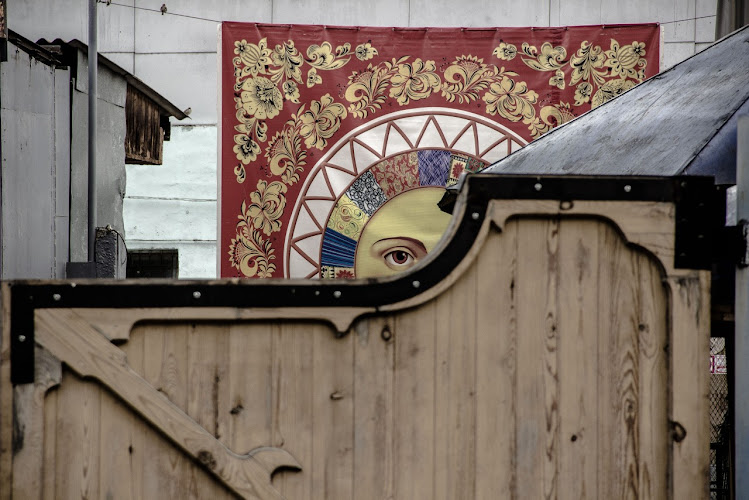
Zoosad
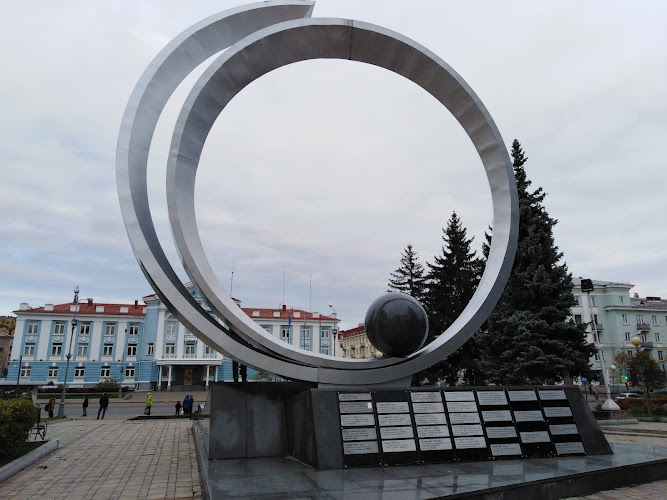
area Reshetnev
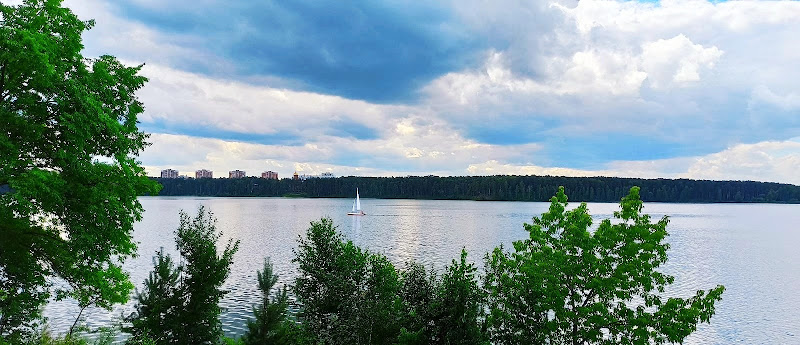
Mys Khvorostovskogo
Find Accommodations Nearby
Recommended Tours & Activities
Visitor Reviews
There are no reviews yet. Be the first one to write one.
Share Your Experience
Have you visited Zheleznogorsk? Help other travelers by leaving a review.