
Zamca Monastery
About Zamca Monastery
Description
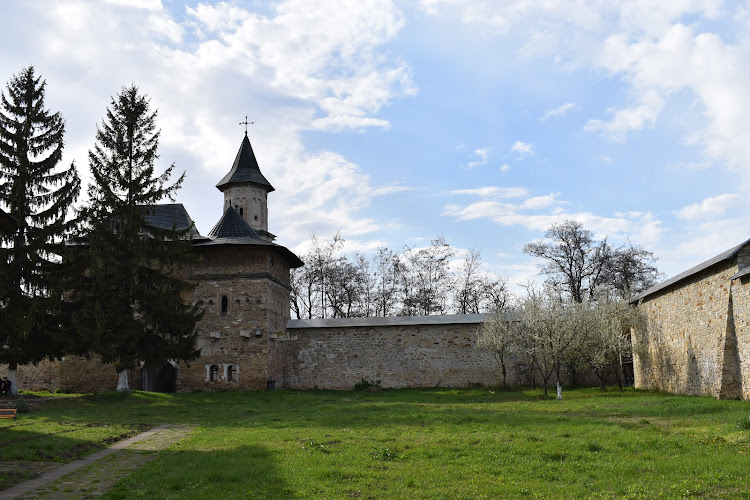
The Zamca Monastery stands as a quietly powerful testament to history and faith, perched just outside the hustle of nearby towns. It’s one of those places that sneaks up on you—not in a flashy way, but with a calm dignity that makes you pause and take a breath. The architecture is a mix of old-world charm and rugged endurance, telling stories of centuries gone by through its weathered stone walls and modest yet striking design. You won’t find gaudy decorations here; instead, there’s a sincere simplicity that invites reflection.
What really struck me during my visit was how accessible the site is, especially compared to other historic spots that sometimes feel like they’ve been forgotten by modern times. There’s a wheelchair accessible parking lot and well-maintained restrooms, which might sound like small details, but they make a huge difference when you’re planning a day trip. It’s clear the caretakers want everyone to experience the place comfortably, which is a breath of fresh air.
Inside, the atmosphere is peaceful but not sterile. You can almost hear the whispers of monks who once walked these halls, their prayers lingering in the air. The grounds are spacious enough to wander without feeling crowded, yet intimate enough to feel connected to the heritage. If you’re someone who loves history mixed with a touch of spiritual calm, Zamca Monastery offers a genuine experience without the tourist traps or overwhelming crowds.
Sure, it’s not perfect. Some parts show wear from time and weather, and the signage could be a bit clearer for first-timers. But that sort of adds to the charm, in my opinion. It feels like a hidden gem that’s still finding its way on the tourist map, which means you get to enjoy it before the masses descend. Plus, the mix of reviews from visitors suggests that while most find it captivating and well cared for, a few have had different expectations or minor hiccups. That’s life, right? No place is flawless, but Zamca Monastery’s strengths far outweigh its quirks.
Key Features
- Historic stone architecture reflecting centuries of religious and cultural significance
- Wheelchair accessible parking lot for easy arrival
- On-site restrooms maintained for visitor convenience
- Spacious grounds offering peaceful walking paths and quiet spots for reflection
- Relatively uncrowded, allowing for a more personal and immersive experience
- Close proximity to local towns, making it easy to combine with other regional explorations
- Authentic atmosphere with minimal commercialization—no flashy souvenir shops or gimmicks
- Opportunities to soak in panoramic views of the surrounding landscape from certain vantage points
Best Time to Visit
Picking the right time to visit Zamca Monastery can really shape your experience. Spring and early autumn are probably the sweet spots. The weather is mild, the skies are usually clear, and the crowds are thinner compared to peak summer months. I’ve been there in late April, and the soft sunlight hitting the old stone gave everything a golden glow that’s hard to forget.
Summer can get warm, sometimes a bit sticky, especially if you’re not used to the climate. But hey, if you love a lively atmosphere with a few more visitors around, that might suit your style. Just pack a hat and water because shade is limited in some areas.
Winter visits are for the brave or the truly curious. The monastery takes on a stark beauty under a dusting of snow, but access can be trickier, and some amenities might be limited. If you’re into quiet solitude and don’t mind bundling up, it’s a unique experience that few travelers get to enjoy.
How to Get There
Getting to Zamca Monastery isn’t a headache, but it does take a bit of planning if you’re coming from afar. The closest major city offers public transport options, but they can be infrequent and a little slow. Renting a car is hands down the easiest way to go—gives you freedom to explore on your own schedule and maybe stop at some local spots along the way.
Once you’re near, the monastery is well signposted, and the parking lot is easy to find. I remember driving up and feeling that little thrill when the monastery finally came into view after winding through the countryside. It’s one of those moments where you’re glad you made the trip.
If you’re not driving, taxis or local shuttle services can fill in the gap, but it’s best to arrange those ahead of time. Also, some guided tours include Zamca Monastery as part of a day trip itinerary, which can be a good option if you want context and company without worrying about logistics.
Tips for Visiting
Here’s the real talk—visiting Zamca Monastery is rewarding, but a little prep goes a long way. First off, wear comfortable shoes. The grounds are uneven in places, and you’ll want to explore without hobbling around by the end of the day.
Bring some water and maybe a snack, especially if you plan to linger. There aren’t many food options right at the site, and it’s nice to have your own little picnic spot to soak it all in.
Don’t rush. Take your time wandering the grounds, reading any plaques you find, and just letting the place sink in. If you’re a photography buff, early morning or late afternoon light is your best friend here. The shadows and textures really pop.
Respect the quietude. This is a place of worship and reflection for many, so keep noise down and phones on silent. It’s kind of refreshing to unplug and just be present.
Lastly, if you happen to catch any local festivals or special events, jump on it. They add a layer of cultural richness that’s hard to get otherwise. I once stumbled upon a small ceremony happening near the monastery, and it was one of those unexpected travel moments that sticks with you.
All in all, Zamca Monastery isn’t just a stop on the map—it’s a chance to connect with history, spirituality, and a quieter side of travel that sometimes gets overlooked. Give it a shot, and you might just find yourself planning a return trip before you know it.
Key Features
- Historic stone architecture reflecting centuries of religious and cultural significance
- Wheelchair accessible parking lot for easy arrival
- On-site restrooms maintained for visitor convenience
- Spacious grounds offering peaceful walking paths and quiet spots for reflection
- Relatively uncrowded, allowing for a more personal and immersive experience
- Close proximity to local towns, making it easy to combine with other regional explorations
- Authentic atmosphere with minimal commercialization—no flashy souvenir shops or gimmicks
- Opportunities to soak in panoramic views of the surrounding landscape from certain vantage points
More Details
Updated July 16, 2025
Table of Contents
Description
The Zamca Monastery stands as a quietly powerful testament to history and faith, perched just outside the hustle of nearby towns. It’s one of those places that sneaks up on you—not in a flashy way, but with a calm dignity that makes you pause and take a breath. The architecture is a mix of old-world charm and rugged endurance, telling stories of centuries gone by through its weathered stone walls and modest yet striking design. You won’t find gaudy decorations here; instead, there’s a sincere simplicity that invites reflection.
What really struck me during my visit was how accessible the site is, especially compared to other historic spots that sometimes feel like they’ve been forgotten by modern times. There’s a wheelchair accessible parking lot and well-maintained restrooms, which might sound like small details, but they make a huge difference when you’re planning a day trip. It’s clear the caretakers want everyone to experience the place comfortably, which is a breath of fresh air.
Inside, the atmosphere is peaceful but not sterile. You can almost hear the whispers of monks who once walked these halls, their prayers lingering in the air. The grounds are spacious enough to wander without feeling crowded, yet intimate enough to feel connected to the heritage. If you’re someone who loves history mixed with a touch of spiritual calm, Zamca Monastery offers a genuine experience without the tourist traps or overwhelming crowds.
Sure, it’s not perfect. Some parts show wear from time and weather, and the signage could be a bit clearer for first-timers. But that sort of adds to the charm, in my opinion. It feels like a hidden gem that’s still finding its way on the tourist map, which means you get to enjoy it before the masses descend. Plus, the mix of reviews from visitors suggests that while most find it captivating and well cared for, a few have had different expectations or minor hiccups. That’s life, right? No place is flawless, but Zamca Monastery’s strengths far outweigh its quirks.
Key Features
- Historic stone architecture reflecting centuries of religious and cultural significance
- Wheelchair accessible parking lot for easy arrival
- On-site restrooms maintained for visitor convenience
- Spacious grounds offering peaceful walking paths and quiet spots for reflection
- Relatively uncrowded, allowing for a more personal and immersive experience
- Close proximity to local towns, making it easy to combine with other regional explorations
- Authentic atmosphere with minimal commercialization—no flashy souvenir shops or gimmicks
- Opportunities to soak in panoramic views of the surrounding landscape from certain vantage points
Best Time to Visit
Picking the right time to visit Zamca Monastery can really shape your experience. Spring and early autumn are probably the sweet spots. The weather is mild, the skies are usually clear, and the crowds are thinner compared to peak summer months. I’ve been there in late April, and the soft sunlight hitting the old stone gave everything a golden glow that’s hard to forget.
Summer can get warm, sometimes a bit sticky, especially if you’re not used to the climate. But hey, if you love a lively atmosphere with a few more visitors around, that might suit your style. Just pack a hat and water because shade is limited in some areas.
Winter visits are for the brave or the truly curious. The monastery takes on a stark beauty under a dusting of snow, but access can be trickier, and some amenities might be limited. If you’re into quiet solitude and don’t mind bundling up, it’s a unique experience that few travelers get to enjoy.
How to Get There
Getting to Zamca Monastery isn’t a headache, but it does take a bit of planning if you’re coming from afar. The closest major city offers public transport options, but they can be infrequent and a little slow. Renting a car is hands down the easiest way to go—gives you freedom to explore on your own schedule and maybe stop at some local spots along the way.
Once you’re near, the monastery is well signposted, and the parking lot is easy to find. I remember driving up and feeling that little thrill when the monastery finally came into view after winding through the countryside. It’s one of those moments where you’re glad you made the trip.
If you’re not driving, taxis or local shuttle services can fill in the gap, but it’s best to arrange those ahead of time. Also, some guided tours include Zamca Monastery as part of a day trip itinerary, which can be a good option if you want context and company without worrying about logistics.
Tips for Visiting
Here’s the real talk—visiting Zamca Monastery is rewarding, but a little prep goes a long way. First off, wear comfortable shoes. The grounds are uneven in places, and you’ll want to explore without hobbling around by the end of the day.
Bring some water and maybe a snack, especially if you plan to linger. There aren’t many food options right at the site, and it’s nice to have your own little picnic spot to soak it all in.
Don’t rush. Take your time wandering the grounds, reading any plaques you find, and just letting the place sink in. If you’re a photography buff, early morning or late afternoon light is your best friend here. The shadows and textures really pop.
Respect the quietude. This is a place of worship and reflection for many, so keep noise down and phones on silent. It’s kind of refreshing to unplug and just be present.
Lastly, if you happen to catch any local festivals or special events, jump on it. They add a layer of cultural richness that’s hard to get otherwise. I once stumbled upon a small ceremony happening near the monastery, and it was one of those unexpected travel moments that sticks with you.
All in all, Zamca Monastery isn’t just a stop on the map—it’s a chance to connect with history, spirituality, and a quieter side of travel that sometimes gets overlooked. Give it a shot, and you might just find yourself planning a return trip before you know it.
Key Highlights
- Historic stone architecture reflecting centuries of religious and cultural significance
- Wheelchair accessible parking lot for easy arrival
- On-site restrooms maintained for visitor convenience
- Spacious grounds offering peaceful walking paths and quiet spots for reflection
- Relatively uncrowded, allowing for a more personal and immersive experience
- Close proximity to local towns, making it easy to combine with other regional explorations
- Authentic atmosphere with minimal commercialization—no flashy souvenir shops or gimmicks
- Opportunities to soak in panoramic views of the surrounding landscape from certain vantage points
Location
Places to Stay Near Zamca Monastery
Find and Book a Tour
Explore More Travel Guides
No reviews found! Be the first to review!
Traveler Reviews for Zamca Monastery
There are no reviews yet. Be the first one to write one.
Have you visited Zamca Monastery? Help other travelers by sharing your review.
You Might Also Like
Parcul de Agrement „Tătărași”
Padurea Zamca
St. George Church
Find Accommodations Nearby
Recommended Tours & Activities
Visitor Reviews
There are no reviews yet. Be the first one to write one.
Share Your Experience
Have you visited Zamca Monastery? Help other travelers by leaving a review.