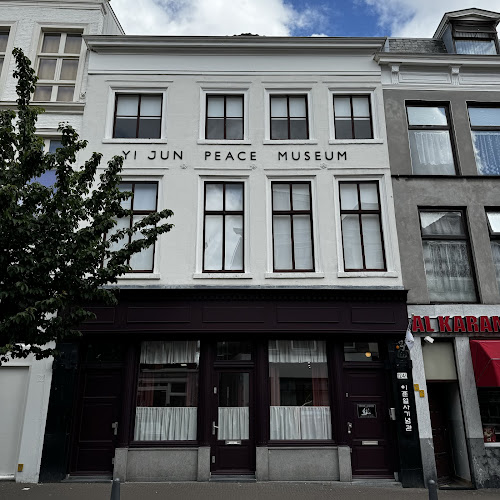
About Yi Jun Peace Museum

Description

There’s something quietly powerful about walking through the Yi Jun Peace Museum in The Hague. It’s not a grand building or a tourist trap with flashing signs — it’s a modest house with a story that shakes you to the core once you know it. This is the very spot where Yi Jun, a Korean diplomat and patriot, died in 1907 while on a mission to defend his country’s sovereignty. He had come to The Hague during the Second Hague Peace Conference, alongside two fellow envoys, to protest Japan’s annexation of Korea and to appeal to the world for justice. But the world, as history tells us, wasn’t ready to listen. And that silence cost him his life.

Today, the Yi Jun Peace Museum stands as both a memorial and an education center — a small corner of Europe that carries the weight of Korea’s independence struggle. The museum was officially opened in 1995, and since then, it’s become a meaningful stop for travelers interested in history, peace, and the human stories behind international diplomacy. Walking inside feels a bit like stepping into a preserved moment in time. The creaking wooden floors, the old photographs, the handwritten letters — they all whisper fragments of a story that still feels painfully relevant.

What I love most about this place is how personal it feels. It’s not about grand narratives or political slogans; it’s about one man’s courage and conviction. Yi Jun’s mission might have failed in the eyes of his contemporaries, but standing there, you can’t help but feel that he succeeded in leaving behind something far more enduring — a symbol of moral strength. The museum doesn’t overwhelm you with fancy displays or digital screens. Instead, it invites quiet reflection. You can almost imagine Yi Jun sitting by the window, exhausted but determined, penning his final words to the world.

For history buffs, this museum offers a unique intersection of Asian and European history. For travelers, it’s a reminder that even small places can hold immense meaning. And for Koreans visiting The Hague, it’s a place of pride and remembrance — a piece of home halfway across the world.

Key Features

  • Historical authenticity: The museum is located in the original building where Yi Jun stayed and died in 1907, formerly known as the De Jong Hotel.
  • Personal artifacts: Visitors can see Yi Jun’s belongings, letters, and documents that highlight his mission and the Korean struggle for independence.
  • Peace education: The museum promotes values of justice, peace, and international understanding, aligning with Yi Jun’s vision of a fairer world.
  • Compact yet impactful: Though small, the museum packs an emotional punch through well-curated exhibits and storytelling.
  • Collaborative restoration: The building has been restored with support from the Korean government, the embassy, and the city of The Hague.
  • Global visitors: It attracts people from Korea, Japan, China, and beyond — all drawn by its historical and moral significance.
  • Quiet reflection space: The museum’s atmosphere encourages contemplation rather than crowds — perfect for those who value meaningful travel experiences.

Best Time to Visit

The Yi Jun Peace Museum can be visited year-round, but personally, I’d say spring and early autumn are the best seasons to go. The Hague tends to have mild weather then, and wandering around the city’s charming streets before or after your visit adds to the experience. In summer, the area can get busier with tourists heading to the nearby beaches, while winter brings a quieter, more introspective mood — which actually suits the tone of the museum quite well.

If you’re someone who enjoys taking your time to read every exhibit label and soak in the atmosphere, try visiting on a weekday morning. You’ll likely have the place almost to yourself. And if you happen to be in The Hague during one of Korea’s national remembrance days, you might even witness a small ceremony or group visit — it’s moving to see how far Yi Jun’s legacy still reaches.

How to Get There

The museum sits right in the heart of The Hague’s Chinatown district, making it surprisingly easy to find. You can walk there from The Hague Central Station in about 15 minutes, or hop on a tram if you prefer a quicker route. The area is well-connected by public transport, and the walk itself is pleasant — you’ll pass by local shops, cafés, and a mix of Dutch and Asian restaurants that reflect the city’s multicultural charm.

If you’re driving, parking can be a bit tricky in this part of town, so public transport or walking is definitely the way to go. And here’s a small tip: grab a coffee or snack from one of the nearby Korean or Chinese bakeries before heading in. It’s a nice way to set the mood — a little taste of Asia before diving into a story that bridges continents.

Tips for Visiting

First and foremost, don’t rush through it. This isn’t the kind of museum you breeze through in ten minutes. Take time to read the panels, look closely at the photographs, and let the story sink in. It’s short, yes, but it’s powerful.

Also, note that the museum doesn’t have wheelchair access or a large parking area, so plan accordingly if accessibility is a concern. There are restrooms available inside, but no café or restaurant — though honestly, that’s part of the charm. The simplicity keeps the focus on the story.

If you’re traveling with kids, it might help to give them a bit of background beforehand. The story of Yi Jun can be heavy, but it’s also deeply inspiring. It opens up conversations about courage, justice, and what it means to stand up for what’s right — lessons that resonate far beyond history books.

For photographers, the museum’s interior is quaint but dimly lit, so bring a camera that handles low light well. And be respectful — this is, after all, a site of remembrance. I once saw a visitor quietly bow before one of the displays, and it reminded me that this isn’t just a museum. It’s a memorial.

Lastly, if you’re the kind of traveler who likes to connect the dots, consider pairing your visit with a trip to the Peace Palace nearby. It’s fascinating to think that while Yi Jun was fighting for Korea’s voice to be heard, the very ideals of global peace were being debated just a few streets away. It really puts things in perspective.

In the end, the Yi Jun Peace Museum isn’t about flashy exhibits or big crowds. It’s about quiet courage, about one man’s stand against injustice, and about how even the smallest places can echo through history. Whether you’re Korean, Dutch, or just someone who loves stories of resilience, this museum leaves a mark. And honestly, that’s what great travel is all about — finding meaning in unexpected corners of the world.

Key Features

  • Key Features
  • Best Time to Visit
  • How to Get There
  • Tips for Visiting

More Details

Updated October 8, 2025

Description

There’s something quietly powerful about walking through the Yi Jun Peace Museum in The Hague. It’s not a grand building or a tourist trap with flashing signs — it’s a modest house with a story that shakes you to the core once you know it. This is the very spot where Yi Jun, a Korean diplomat and patriot, died in 1907 while on a mission to defend his country’s sovereignty. He had come to The Hague during the Second Hague Peace Conference, alongside two fellow envoys, to protest Japan’s annexation of Korea and to appeal to the world for justice. But the world, as history tells us, wasn’t ready to listen. And that silence cost him his life.

Today, the Yi Jun Peace Museum stands as both a memorial and an education center — a small corner of Europe that carries the weight of Korea’s independence struggle. The museum was officially opened in 1995, and since then, it’s become a meaningful stop for travelers interested in history, peace, and the human stories behind international diplomacy. Walking inside feels a bit like stepping into a preserved moment in time. The creaking wooden floors, the old photographs, the handwritten letters — they all whisper fragments of a story that still feels painfully relevant.

What I love most about this place is how personal it feels. It’s not about grand narratives or political slogans; it’s about one man’s courage and conviction. Yi Jun’s mission might have failed in the eyes of his contemporaries, but standing there, you can’t help but feel that he succeeded in leaving behind something far more enduring — a symbol of moral strength. The museum doesn’t overwhelm you with fancy displays or digital screens. Instead, it invites quiet reflection. You can almost imagine Yi Jun sitting by the window, exhausted but determined, penning his final words to the world.

For history buffs, this museum offers a unique intersection of Asian and European history. For travelers, it’s a reminder that even small places can hold immense meaning. And for Koreans visiting The Hague, it’s a place of pride and remembrance — a piece of home halfway across the world.

Key Features

  • Historical authenticity: The museum is located in the original building where Yi Jun stayed and died in 1907, formerly known as the De Jong Hotel.
  • Personal artifacts: Visitors can see Yi Jun’s belongings, letters, and documents that highlight his mission and the Korean struggle for independence.
  • Peace education: The museum promotes values of justice, peace, and international understanding, aligning with Yi Jun’s vision of a fairer world.
  • Compact yet impactful: Though small, the museum packs an emotional punch through well-curated exhibits and storytelling.
  • Collaborative restoration: The building has been restored with support from the Korean government, the embassy, and the city of The Hague.
  • Global visitors: It attracts people from Korea, Japan, China, and beyond — all drawn by its historical and moral significance.
  • Quiet reflection space: The museum’s atmosphere encourages contemplation rather than crowds — perfect for those who value meaningful travel experiences.

Best Time to Visit

The Yi Jun Peace Museum can be visited year-round, but personally, I’d say spring and early autumn are the best seasons to go. The Hague tends to have mild weather then, and wandering around the city’s charming streets before or after your visit adds to the experience. In summer, the area can get busier with tourists heading to the nearby beaches, while winter brings a quieter, more introspective mood — which actually suits the tone of the museum quite well.

If you’re someone who enjoys taking your time to read every exhibit label and soak in the atmosphere, try visiting on a weekday morning. You’ll likely have the place almost to yourself. And if you happen to be in The Hague during one of Korea’s national remembrance days, you might even witness a small ceremony or group visit — it’s moving to see how far Yi Jun’s legacy still reaches.

How to Get There

The museum sits right in the heart of The Hague’s Chinatown district, making it surprisingly easy to find. You can walk there from The Hague Central Station in about 15 minutes, or hop on a tram if you prefer a quicker route. The area is well-connected by public transport, and the walk itself is pleasant — you’ll pass by local shops, cafés, and a mix of Dutch and Asian restaurants that reflect the city’s multicultural charm.

If you’re driving, parking can be a bit tricky in this part of town, so public transport or walking is definitely the way to go. And here’s a small tip: grab a coffee or snack from one of the nearby Korean or Chinese bakeries before heading in. It’s a nice way to set the mood — a little taste of Asia before diving into a story that bridges continents.

Tips for Visiting

First and foremost, don’t rush through it. This isn’t the kind of museum you breeze through in ten minutes. Take time to read the panels, look closely at the photographs, and let the story sink in. It’s short, yes, but it’s powerful.

Also, note that the museum doesn’t have wheelchair access or a large parking area, so plan accordingly if accessibility is a concern. There are restrooms available inside, but no café or restaurant — though honestly, that’s part of the charm. The simplicity keeps the focus on the story.

If you’re traveling with kids, it might help to give them a bit of background beforehand. The story of Yi Jun can be heavy, but it’s also deeply inspiring. It opens up conversations about courage, justice, and what it means to stand up for what’s right — lessons that resonate far beyond history books.

For photographers, the museum’s interior is quaint but dimly lit, so bring a camera that handles low light well. And be respectful — this is, after all, a site of remembrance. I once saw a visitor quietly bow before one of the displays, and it reminded me that this isn’t just a museum. It’s a memorial.

Lastly, if you’re the kind of traveler who likes to connect the dots, consider pairing your visit with a trip to the Peace Palace nearby. It’s fascinating to think that while Yi Jun was fighting for Korea’s voice to be heard, the very ideals of global peace were being debated just a few streets away. It really puts things in perspective.

In the end, the Yi Jun Peace Museum isn’t about flashy exhibits or big crowds. It’s about quiet courage, about one man’s stand against injustice, and about how even the smallest places can echo through history. Whether you’re Korean, Dutch, or just someone who loves stories of resilience, this museum leaves a mark. And honestly, that’s what great travel is all about — finding meaning in unexpected corners of the world.

Key Highlights

  • Key Features
  • Best Time to Visit
  • How to Get There
  • Tips for Visiting

Location

Places to Stay Near Yi Jun Peace Museum

Find and Book a Tour

Explore More Travel Guides

No reviews found! Be the first to review!

Traveler Reviews for Yi Jun Peace Museum

There are no reviews yet. Be the first one to write one.

Share Your Experience

Have you visited Yi Jun Peace Museum? Help other travelers by sharing your review.

Find Accommodations Nearby

Recommended Tours & Activities

Visitor Reviews

There are no reviews yet. Be the first one to write one.

Share Your Experience

Have you visited Yi Jun Peace Museum? Help other travelers by leaving a review.