
Wonju-si
About Wonju-si
Description
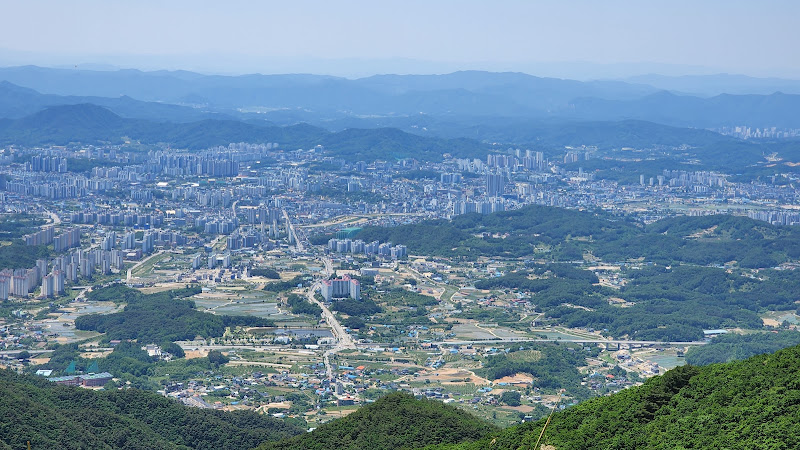
Wonju-si, tucked into the rolling foothills of Gangwon-do, is one of those places that quietly surprises you. It’s not as loud or flashy as Seoul, but that’s part of its charm. The city has this grounded, earthy feel—like it knows who it is and doesn’t need to prove anything. With a population of around 365,000, Wonju manages to feel both lively and laid-back, offering a refreshing blend of nature, culture, and modern comfort. It’s about 140 kilometers east of Seoul, making it an easy escape for anyone craving a slower pace without losing the conveniences of city life.
What makes Wonju stand out is its connection to both heritage and innovation. You’ll find centuries-old traditions like Hanji paper-making still alive and well, yet just a few blocks away, sleek art museums and creative spaces buzz with modern energy. The city’s landscape is breathtaking—mountains, rivers, and forests all wrapped around urban neighborhoods that somehow feel cozy. I remember walking across the Sogeumsan Suspension Bridge one chilly autumn morning; the mist hung low over the valley, and the view was so wide it made me forget about my phone for a while. That’s the kind of effect Wonju has—it slows you down in the best way.
Locals are proud of their city’s balance between tradition and progress. There’s a sense of community here that’s hard to miss. Whether you’re sipping locally roasted coffee in Musil-dong or browsing the traditional markets downtown, people greet you with genuine warmth. The city might not top every tourist list, but those who make the trip often leave saying it felt more authentic than anywhere else they visited in Korea. And honestly, I agree. Wonju doesn’t just show you Korea—it lets you feel it.
Key Features
- Sogeumsan Suspension Bridge: One of Korea’s longest pedestrian bridges, offering panoramic mountain views and a thrilling walk above the valley floor.
- Museum SAN: A stunning fusion of art, architecture, and nature designed by Tadao Ando—perfect for quiet reflection or creative inspiration.
- Hanji Theme Park: A hands-on cultural experience where visitors can learn the ancient craft of traditional Korean paper-making.
- Chiaksan National Park: A haven for hikers and nature lovers, filled with pine forests, waterfalls, and temples tucked into the hills.
- Wonju Rail Bike: A fun and scenic ride along a disused railway line, offering countryside views that change beautifully with each season.
- Traditional Markets: Local markets like Jungang Market brim with authentic Korean street food, handmade goods, and friendly chatter.
- Dynamic Light Shows: Seasonal multimedia art displays that transform ordinary spaces into glowing nightscapes, blending music, light, and storytelling.
Each of these highlights tells a different story about Wonju. The city’s not just about sightseeing; it’s about experiencing. You might start the day hiking through Chiaksan’s crisp mountain air, then end it sipping makgeolli (Korean rice wine) with locals at a cozy restaurant. That’s the rhythm of Wonju—steady, soulful, and quietly unforgettable.
Best Time to Visit
Timing your visit to Wonju can make a world of difference. Personally, I think autumn is unbeatable here. The mountains explode into fiery shades of red and gold, and the air turns crisp but not too cold—perfect hiking weather. It’s also when the city hosts cultural events and local festivals that bring the streets to life. Spring, on the other hand, paints the town in soft pinks and whites as cherry blossoms bloom along the riverbanks and parks. It’s a photographer’s dream, really.
Summer can be humid, but it’s also when the forests are lush and the waterfalls at their strongest. If you don’t mind a little heat, it’s a great time for outdoor adventures and late-night strolls through open-air markets. Winter transforms Wonju into a quiet wonderland, especially around Chiaksan, where snow-dusted trails and frozen streams create postcard-worthy scenes. Just pack warm layers—it gets chilly fast once the sun dips. So, depending on your vibe, Wonju’s got a season for you. Personally, I’d say go in late October; you’ll thank me later.
How to Get There
Getting to Wonju is easier than most people think. From Seoul, you can hop on a KTX train at Cheongnyangni Station, and in about 1 hour and 20 minutes, you’ll be stepping off at Wonju Station. It’s a smooth ride—grab a coffee, watch the countryside roll by, and before you know it, you’re there. Buses are another solid option; they run frequently from Seoul’s Express Bus Terminal and take roughly two hours depending on traffic. If you’re driving, the Yeongdong Expressway connects the two cities, and the route is scenic enough to make the trip feel like part of the adventure.
Once you’re in Wonju, local transportation is straightforward. The city’s bus system covers most attractions, and taxis are affordable and easy to find. For those who like exploring at their own pace, renting a car can be a good idea, especially if you plan to visit Chiaksan or smaller villages nearby. I once rented a car for a weekend trip—it gave me the freedom to chase sunsets and detour into tiny cafes that didn’t even show up on Google Maps. Totally worth it.
Tips for Visiting
Here’s the thing about Wonju—it’s not the kind of place you rush through. Take your time. Start your mornings early, when the air still smells of pine and the city hasn’t quite woken up yet. If you’re planning to hike, pack snacks and water; some trails, especially in Chiaksan, can get steep and remote. Comfortable shoes are a must—you’ll be walking a lot, from museum grounds to mountain paths.
English isn’t as widely spoken here as in Seoul, so learning a few basic Korean phrases goes a long way. Locals appreciate the effort, and it often leads to warm smiles and maybe even a free snack or two at a market stall. Also, don’t skip the local food. Wonju’s dakgalbi (spicy stir-fried chicken) and makguksu (buckwheat noodles) are legendary, especially after a long day outdoors. And if you’re into coffee culture, you’ll find some seriously good cafes—many tucked away in unexpected corners with mountain views that make you linger longer than planned.
One more tip: bring a light jacket, even in summer. The evenings can get surprisingly cool, especially near the rivers or higher elevations. Oh, and if you happen to visit during one of the city’s light festivals, stay out late. Watching the city glow against the dark mountains is pure magic—one of those moments you don’t forget easily.
Wonju-si might not scream “tourist hotspot,” but that’s exactly why it’s worth your time. It’s a place that rewards curiosity and patience, a city that feels both familiar and new at once. Whether you’re chasing art, nature, or just a little peace away from the usual chaos, Wonju welcomes you with open arms—and maybe a bowl of steaming noodles to warm your soul.
Key Features
- Key Features
- Best Time to Visit
- How to Get There
- Tips for Visiting
More Details
Updated December 1, 2025
Table of Contents
Description
Wonju-si, tucked into the rolling foothills of Gangwon-do, is one of those places that quietly surprises you. It’s not as loud or flashy as Seoul, but that’s part of its charm. The city has this grounded, earthy feel—like it knows who it is and doesn’t need to prove anything. With a population of around 365,000, Wonju manages to feel both lively and laid-back, offering a refreshing blend of nature, culture, and modern comfort. It’s about 140 kilometers east of Seoul, making it an easy escape for anyone craving a slower pace without losing the conveniences of city life.
What makes Wonju stand out is its connection to both heritage and innovation. You’ll find centuries-old traditions like Hanji paper-making still alive and well, yet just a few blocks away, sleek art museums and creative spaces buzz with modern energy. The city’s landscape is breathtaking—mountains, rivers, and forests all wrapped around urban neighborhoods that somehow feel cozy. I remember walking across the Sogeumsan Suspension Bridge one chilly autumn morning; the mist hung low over the valley, and the view was so wide it made me forget about my phone for a while. That’s the kind of effect Wonju has—it slows you down in the best way.
Locals are proud of their city’s balance between tradition and progress. There’s a sense of community here that’s hard to miss. Whether you’re sipping locally roasted coffee in Musil-dong or browsing the traditional markets downtown, people greet you with genuine warmth. The city might not top every tourist list, but those who make the trip often leave saying it felt more authentic than anywhere else they visited in Korea. And honestly, I agree. Wonju doesn’t just show you Korea—it lets you feel it.
Key Features
- Sogeumsan Suspension Bridge: One of Korea’s longest pedestrian bridges, offering panoramic mountain views and a thrilling walk above the valley floor.
- Museum SAN: A stunning fusion of art, architecture, and nature designed by Tadao Ando—perfect for quiet reflection or creative inspiration.
- Hanji Theme Park: A hands-on cultural experience where visitors can learn the ancient craft of traditional Korean paper-making.
- Chiaksan National Park: A haven for hikers and nature lovers, filled with pine forests, waterfalls, and temples tucked into the hills.
- Wonju Rail Bike: A fun and scenic ride along a disused railway line, offering countryside views that change beautifully with each season.
- Traditional Markets: Local markets like Jungang Market brim with authentic Korean street food, handmade goods, and friendly chatter.
- Dynamic Light Shows: Seasonal multimedia art displays that transform ordinary spaces into glowing nightscapes, blending music, light, and storytelling.
Each of these highlights tells a different story about Wonju. The city’s not just about sightseeing; it’s about experiencing. You might start the day hiking through Chiaksan’s crisp mountain air, then end it sipping makgeolli (Korean rice wine) with locals at a cozy restaurant. That’s the rhythm of Wonju—steady, soulful, and quietly unforgettable.
Best Time to Visit
Timing your visit to Wonju can make a world of difference. Personally, I think autumn is unbeatable here. The mountains explode into fiery shades of red and gold, and the air turns crisp but not too cold—perfect hiking weather. It’s also when the city hosts cultural events and local festivals that bring the streets to life. Spring, on the other hand, paints the town in soft pinks and whites as cherry blossoms bloom along the riverbanks and parks. It’s a photographer’s dream, really.
Summer can be humid, but it’s also when the forests are lush and the waterfalls at their strongest. If you don’t mind a little heat, it’s a great time for outdoor adventures and late-night strolls through open-air markets. Winter transforms Wonju into a quiet wonderland, especially around Chiaksan, where snow-dusted trails and frozen streams create postcard-worthy scenes. Just pack warm layers—it gets chilly fast once the sun dips. So, depending on your vibe, Wonju’s got a season for you. Personally, I’d say go in late October; you’ll thank me later.
How to Get There
Getting to Wonju is easier than most people think. From Seoul, you can hop on a KTX train at Cheongnyangni Station, and in about 1 hour and 20 minutes, you’ll be stepping off at Wonju Station. It’s a smooth ride—grab a coffee, watch the countryside roll by, and before you know it, you’re there. Buses are another solid option; they run frequently from Seoul’s Express Bus Terminal and take roughly two hours depending on traffic. If you’re driving, the Yeongdong Expressway connects the two cities, and the route is scenic enough to make the trip feel like part of the adventure.
Once you’re in Wonju, local transportation is straightforward. The city’s bus system covers most attractions, and taxis are affordable and easy to find. For those who like exploring at their own pace, renting a car can be a good idea, especially if you plan to visit Chiaksan or smaller villages nearby. I once rented a car for a weekend trip—it gave me the freedom to chase sunsets and detour into tiny cafes that didn’t even show up on Google Maps. Totally worth it.
Tips for Visiting
Here’s the thing about Wonju—it’s not the kind of place you rush through. Take your time. Start your mornings early, when the air still smells of pine and the city hasn’t quite woken up yet. If you’re planning to hike, pack snacks and water; some trails, especially in Chiaksan, can get steep and remote. Comfortable shoes are a must—you’ll be walking a lot, from museum grounds to mountain paths.
English isn’t as widely spoken here as in Seoul, so learning a few basic Korean phrases goes a long way. Locals appreciate the effort, and it often leads to warm smiles and maybe even a free snack or two at a market stall. Also, don’t skip the local food. Wonju’s dakgalbi (spicy stir-fried chicken) and makguksu (buckwheat noodles) are legendary, especially after a long day outdoors. And if you’re into coffee culture, you’ll find some seriously good cafes—many tucked away in unexpected corners with mountain views that make you linger longer than planned.
One more tip: bring a light jacket, even in summer. The evenings can get surprisingly cool, especially near the rivers or higher elevations. Oh, and if you happen to visit during one of the city’s light festivals, stay out late. Watching the city glow against the dark mountains is pure magic—one of those moments you don’t forget easily.
Wonju-si might not scream “tourist hotspot,” but that’s exactly why it’s worth your time. It’s a place that rewards curiosity and patience, a city that feels both familiar and new at once. Whether you’re chasing art, nature, or just a little peace away from the usual chaos, Wonju welcomes you with open arms—and maybe a bowl of steaming noodles to warm your soul.
Key Highlights
- Key Features
- Best Time to Visit
- How to Get There
- Tips for Visiting
Location
Places to Stay Near Wonju-si
Find and Book a Tour
Explore More Travel Guides
No reviews found! Be the first to review!
Traveler Reviews for Wonju-si
There are no reviews yet. Be the first one to write one.
Have you visited Wonju-si? Help other travelers by sharing your review.
You Might Also Like
Songgye-ri

UR Culture Park
Sanhyeon-ri
Find Accommodations Nearby
Recommended Tours & Activities
Visitor Reviews
There are no reviews yet. Be the first one to write one.
Share Your Experience
Have you visited Wonju-si? Help other travelers by leaving a review.