Museum SAN
About Museum SAN
Description
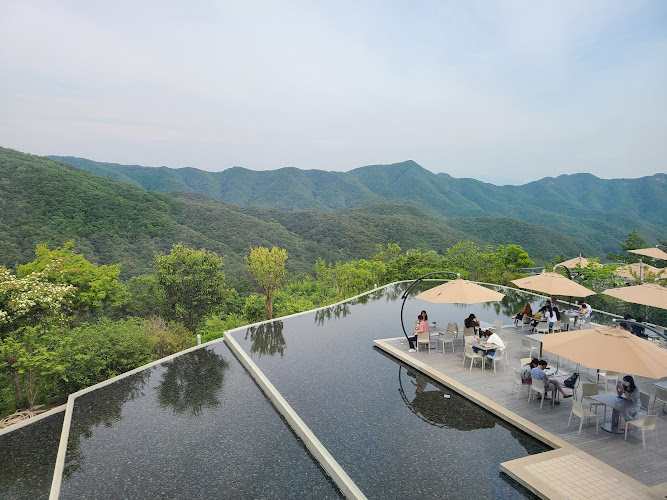
There’s something quietly magical about Museum SAN. It isn’t just another art museum—it’s more like a serene conversation between art, architecture, and nature. Designed by the legendary Japanese architect Tadao Ando, this museum feels less like a building and more like a living, breathing sculpture. Every wall, curve, and open space seems to whisper a story. The concrete structures, bathed in soft natural light, sit harmoniously against the rolling mountains of Wonju, creating a setting that feels both peaceful and deeply moving.
Visitors often describe the experience as meditative. And honestly, that’s the perfect word for it. The museum is literally named SAN—short for “Space, Art, Nature”—and it lives up to that name in every sense. The air feels cleaner up there, the pace slower. You can wander through outdoor gardens filled with sculptures, step into quiet galleries that feature modern art and paper-based works, and then suddenly find yourself in the famous James Turrell exhibition, where light itself becomes art. It’s not the kind of museum where you rush from one room to another; it’s the kind you linger in, where time stretches just a little.
What’s fascinating is how the museum changes with the seasons. In spring, cherry blossoms frame the concrete walls. In summer, the greens feel impossibly lush. Autumn turns the entire landscape into a painting of gold and crimson, and winter—well, winter is pure poetry here. The snow softens everything, and the silence becomes almost spiritual. It’s no wonder so many visitors call it one of the most beautiful museums in South Korea.
That said, not every visitor falls completely under its spell. Some find the layout confusing or the exhibitions smaller than expected. And yes, the James Turrell experience requires a separate ticket (and some patience). But even those small inconveniences fade once you step outside and take in the view. It’s the kind of place that makes you breathe a little deeper and think a little slower. And that, perhaps, is the real art of Museum SAN.
Key Features
- Architectural Masterpiece: Designed by Tadao Ando, known for his minimalist use of concrete, light, and shadow.
- James Turrell Exhibition: A permanent installation featuring immersive light and space artworks that challenge perception.
- Paper Gallery: Dedicated to the art and craft of paper, celebrating the tactile beauty of an ancient medium.
- Meditation Hall: A tranquil space for quiet reflection, surrounded by nature and designed to calm the mind.
- Sculpture Garden: Outdoor installations that blend seamlessly with the mountain landscape.
- Accessibility: Wheelchair-accessible entrances, restrooms, and parking areas ensure comfort for all visitors.
- Amenities: On-site restaurant and restrooms available for convenience.
- Family-Friendly: Suitable for children, offering open spaces and engaging visual experiences.
- Advance Ticketing: Booking ahead is recommended, especially for special exhibitions and the James Turrell experience.
Best Time to Visit
If you ask me, autumn is the sweet spot. The surrounding mountains explode with color, and the crisp air makes walking between galleries a joy. But each season has its charm. Spring brings delicate blossoms that soften the museum’s concrete lines. Summer is lush and green, though it can get warm—thankfully, the indoor galleries are cool and airy. Winter, though, is my personal favorite. There’s something hauntingly beautiful about the snow-covered grounds and the quiet that settles over everything. It feels almost sacred, like the museum and the mountains are holding their breath together.
Weekdays are generally less crowded, so if you prefer a more contemplative experience, plan your visit then. Early mornings or late afternoons also offer the best light for photography—the way the sun hits the concrete walls is pure art in itself.
How to Get There
Getting to Museum SAN from Seoul is easier than it looks, though it does take a bit of planning. The museum sits in the mountains of Wonju, about two hours from the capital. The most straightforward route is to take a train from Seoul Station to Wonju Station—trains run frequently, and the ride is scenic. From Wonju Station, you can grab a taxi or hop on a local bus heading toward Oak Valley Resort, which is near the museum. If you’re not a fan of public transport, renting a car gives you more freedom to explore the countryside along the way (and trust me, those winding roads are gorgeous).
For those who prefer convenience, some travel agencies offer day-trip packages that include transportation and entrance tickets. It’s a good option if you want to skip the logistics and just focus on soaking up the experience. Just make sure to check opening hours before you go—Museum SAN is closed on Mondays, and you don’t want to make that drive only to find the gates shut.
Tips for Visiting
First things first—wear comfortable shoes. The museum grounds are spread out, and you’ll be walking outdoors quite a bit. Also, bring a light jacket or sweater; the mountain air can be cooler than you expect, even in summer. If you’re planning to visit the James Turrell exhibition, book your slot in advance—it’s incredibly popular and often sells out early in the day.
Photography is allowed in most areas, but not inside certain exhibitions, so check the signs before snapping away. And here’s a small but important tip: take your time. This isn’t a place to rush through. Sit on one of the benches, listen to the wind, watch the light shift across the walls. It’s in those quiet moments that Museum SAN really reveals itself.
If you’re traveling with kids, they’ll enjoy exploring the outdoor sculptures and open spaces. The museum’s restaurant is a pleasant surprise too—simple but thoughtfully prepared dishes, often with a view that makes you linger over your coffee a little longer. And if you’re into architecture, don’t forget to look up and around as much as you look at the art. The interplay of light and shadow is part of the experience, almost like another artist at work.
One last thing—try to visit on a clear day. The views of the surrounding mountains are breathtaking, and they’re a huge part of what makes this place special. Even if you’re not a big art person, the combination of design, nature, and stillness will leave you feeling refreshed. Museum SAN isn’t just a museum—it’s a reminder to slow down, to look, and to feel. And that, in itself, is worth the trip.
Key Features
- Key Features
- Best Time to Visit
- How to Get There
- Tips for Visiting
More Details
Updated December 1, 2025
Table of Contents
Description
There’s something quietly magical about Museum SAN. It isn’t just another art museum—it’s more like a serene conversation between art, architecture, and nature. Designed by the legendary Japanese architect Tadao Ando, this museum feels less like a building and more like a living, breathing sculpture. Every wall, curve, and open space seems to whisper a story. The concrete structures, bathed in soft natural light, sit harmoniously against the rolling mountains of Wonju, creating a setting that feels both peaceful and deeply moving.
Visitors often describe the experience as meditative. And honestly, that’s the perfect word for it. The museum is literally named SAN—short for “Space, Art, Nature”—and it lives up to that name in every sense. The air feels cleaner up there, the pace slower. You can wander through outdoor gardens filled with sculptures, step into quiet galleries that feature modern art and paper-based works, and then suddenly find yourself in the famous James Turrell exhibition, where light itself becomes art. It’s not the kind of museum where you rush from one room to another; it’s the kind you linger in, where time stretches just a little.
What’s fascinating is how the museum changes with the seasons. In spring, cherry blossoms frame the concrete walls. In summer, the greens feel impossibly lush. Autumn turns the entire landscape into a painting of gold and crimson, and winter—well, winter is pure poetry here. The snow softens everything, and the silence becomes almost spiritual. It’s no wonder so many visitors call it one of the most beautiful museums in South Korea.
That said, not every visitor falls completely under its spell. Some find the layout confusing or the exhibitions smaller than expected. And yes, the James Turrell experience requires a separate ticket (and some patience). But even those small inconveniences fade once you step outside and take in the view. It’s the kind of place that makes you breathe a little deeper and think a little slower. And that, perhaps, is the real art of Museum SAN.
Key Features
- Architectural Masterpiece: Designed by Tadao Ando, known for his minimalist use of concrete, light, and shadow.
- James Turrell Exhibition: A permanent installation featuring immersive light and space artworks that challenge perception.
- Paper Gallery: Dedicated to the art and craft of paper, celebrating the tactile beauty of an ancient medium.
- Meditation Hall: A tranquil space for quiet reflection, surrounded by nature and designed to calm the mind.
- Sculpture Garden: Outdoor installations that blend seamlessly with the mountain landscape.
- Accessibility: Wheelchair-accessible entrances, restrooms, and parking areas ensure comfort for all visitors.
- Amenities: On-site restaurant and restrooms available for convenience.
- Family-Friendly: Suitable for children, offering open spaces and engaging visual experiences.
- Advance Ticketing: Booking ahead is recommended, especially for special exhibitions and the James Turrell experience.
Best Time to Visit
If you ask me, autumn is the sweet spot. The surrounding mountains explode with color, and the crisp air makes walking between galleries a joy. But each season has its charm. Spring brings delicate blossoms that soften the museum’s concrete lines. Summer is lush and green, though it can get warm—thankfully, the indoor galleries are cool and airy. Winter, though, is my personal favorite. There’s something hauntingly beautiful about the snow-covered grounds and the quiet that settles over everything. It feels almost sacred, like the museum and the mountains are holding their breath together.
Weekdays are generally less crowded, so if you prefer a more contemplative experience, plan your visit then. Early mornings or late afternoons also offer the best light for photography—the way the sun hits the concrete walls is pure art in itself.
How to Get There
Getting to Museum SAN from Seoul is easier than it looks, though it does take a bit of planning. The museum sits in the mountains of Wonju, about two hours from the capital. The most straightforward route is to take a train from Seoul Station to Wonju Station—trains run frequently, and the ride is scenic. From Wonju Station, you can grab a taxi or hop on a local bus heading toward Oak Valley Resort, which is near the museum. If you’re not a fan of public transport, renting a car gives you more freedom to explore the countryside along the way (and trust me, those winding roads are gorgeous).
For those who prefer convenience, some travel agencies offer day-trip packages that include transportation and entrance tickets. It’s a good option if you want to skip the logistics and just focus on soaking up the experience. Just make sure to check opening hours before you go—Museum SAN is closed on Mondays, and you don’t want to make that drive only to find the gates shut.
Tips for Visiting
First things first—wear comfortable shoes. The museum grounds are spread out, and you’ll be walking outdoors quite a bit. Also, bring a light jacket or sweater; the mountain air can be cooler than you expect, even in summer. If you’re planning to visit the James Turrell exhibition, book your slot in advance—it’s incredibly popular and often sells out early in the day.
Photography is allowed in most areas, but not inside certain exhibitions, so check the signs before snapping away. And here’s a small but important tip: take your time. This isn’t a place to rush through. Sit on one of the benches, listen to the wind, watch the light shift across the walls. It’s in those quiet moments that Museum SAN really reveals itself.
If you’re traveling with kids, they’ll enjoy exploring the outdoor sculptures and open spaces. The museum’s restaurant is a pleasant surprise too—simple but thoughtfully prepared dishes, often with a view that makes you linger over your coffee a little longer. And if you’re into architecture, don’t forget to look up and around as much as you look at the art. The interplay of light and shadow is part of the experience, almost like another artist at work.
One last thing—try to visit on a clear day. The views of the surrounding mountains are breathtaking, and they’re a huge part of what makes this place special. Even if you’re not a big art person, the combination of design, nature, and stillness will leave you feeling refreshed. Museum SAN isn’t just a museum—it’s a reminder to slow down, to look, and to feel. And that, in itself, is worth the trip.

Key Highlights
- Key Features
- Best Time to Visit
- How to Get There
- Tips for Visiting
Location
Places to Stay Near Museum SAN
Find and Book a Tour
Explore More Travel Guides
No reviews found! Be the first to review!
Traveler Reviews for Museum SAN
There are no reviews yet. Be the first one to write one.
Have you visited Museum SAN? Help other travelers by sharing your review.
Find Accommodations Nearby
Recommended Tours & Activities
Visitor Reviews
There are no reviews yet. Be the first one to write one.
Share Your Experience
Have you visited Museum SAN? Help other travelers by leaving a review.