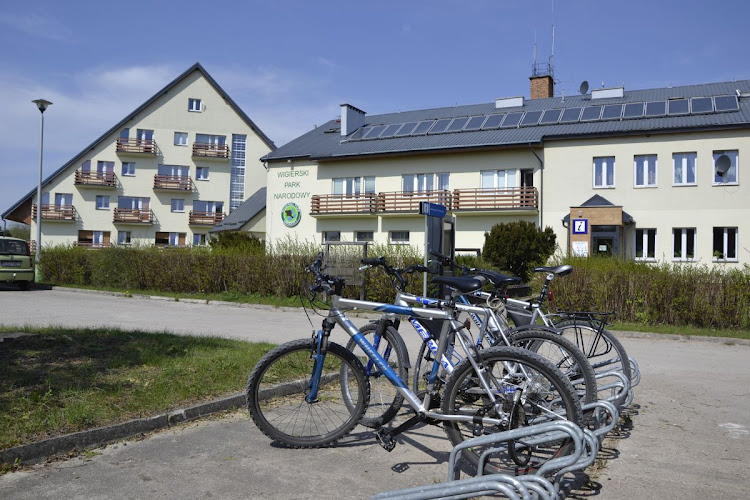
Wigierski Park Narodowy is a highly acclaimed 國家公園 located in Krzywe, Poland. With a rating of 4.7 out of 5, it stands out as one of the top-rated 國家公園s in the area.
Visitor Guide & Information
Wigierski Park Narodowy is a highly acclaimed 國家公園 located in Krzywe, Poland. With a rating of 4.7 out of 5, it stands out as one of the top-rated 國家公園s in the area.
Location
You can find Wigierski Park Narodowy at Krzywe 82, 16-402, Poland.
Visiting Wigierski Park Narodowy
Located in Krzywe, Poland, Wigierski Park Narodowy is a 國家公園 that visitors to the area may find worth exploring.
Planning Your Visit
The 國家公園 is located at Krzywe 82, 16-402, Poland. GPS coordinates: 54.084282, 23.009834. Check locally for current opening hours and any admission fees before visiting.
Community & Insider Notes
Last modified August 17, 2026
Wigierski Park Narodowy is a highly acclaimed 國家公園 located in Krzywe, Poland. With a rating of 4.7 out of 5, it stands out as one of the top-rated 國家公園s in the area.
You can find Wigierski Park Narodowy at Krzywe 82, 16-402, Poland.
Visiting Wigierski Park Narodowy
Located in Krzywe, Poland, Wigierski Park Narodowy is a 國家公園 that visitors to the area may find worth exploring.
Planning Your Visit
The 國家公園 is located at Krzywe 82, 16-402, Poland. GPS coordinates: 54.084282, 23.009834. Check locally for current opening hours and any admission fees before visiting.
Wigierski Park Narodowy sits tucked into northeastern Poland’s Podlaskie Voivodeship, mostly famous for Lake Wigry and a patchwork of over 40 lakes within the Augustów Primeval Forest. The park covers 150.85 square kilometers, which is a solid amount of space for anyone craving wilderness, water, and quiet.
It’s a mosaic: about 61% forest, 19% lakes and rivers, and the rest meadows and farmland. Established in 1989, the park is just a few kilometers east of Suwałki and is anchored by Lake Wigry, the biggest lake in the area.
Most of the park is within the Czarna Hańcza River basin, a favorite among kayakers. The river snakes through pine and spruce forests, making for a pretty wild paddle.
Wigierski is dotted with peat bogs, marshy lakes, and tangled colonies of aquatic and meadow plants. The land itself feels like a blend—East Suwałki Lakeland up north, Augustów Plain down south—so you get a nice mix of terrain whether you’re hiking, biking, or paddling.
Key Takeaways
Wigierski Park Narodowy covers over 150 square kilometers with more than 40 lakes in northeastern Poland
The park offers kayaking on the Czarna Hańcza River and trails through pine forests and peat bogs
You can visit the park year-round with its main office in Krzywe, open weekdays from 7:00 to 15:00
Key Details and Quick Facts
Wigierski Park Narodowy spans 15,085 hectares (150.85 square kilometers) in northeastern Poland. It was established on January 1, 1989, making it Poland’s 15th national park.
The park is just outside Suwałki and protects parts of the Masurian Lake District and Augustów Primeval Forest. You’ll find 61% forest (mostly pine and spruce), 19% water, and 20% farmland or villages.
There are 42 lakes inside the park, with Lake Wigry as the showstopper at 2,202 hectares. It’s Poland’s tenth largest lake and goes down to 74 meters deep, which is pretty impressive.
Wildlife & Plants
Over 1,000 vascular plant species
More than 1,100 fungi and 370 lichens
At least 52 mammals, including wolves, lynx, and moose
Over 200 bird species (with 160 breeding or likely breeding)
Water Features
The Czarna Hańcza River is the park’s main artery. You’ll also come across Suchary—those small, marshy forest lakes—and a good number of peat bogs.
Some zones are strictly protected, while others still have traditional village life going on. Three slime mold species found here were totally new for Poland, so it’s a bit of a scientific hotspot too.
What to Expect During Your Adventure
A visit here means wandering through 15,085 hectares of forest, lakes, and meadows near Suwałki. The park’s centerpiece, Lake Wigry, sprawls across 2,202 hectares and is famous for its S-shape and deep, cold water.
Most people come for the water and the woods. The Czarna Hańcza River is a classic kayaking spot, winding through lakes and wetlands that feel untouched.
What you’ll encounter:
Weather – June averages 17°C, but rain is common, so bring waterproofs
Wildlife – Wolves, lynx, moose, and over 200 birds
Terrain – Hilly glacial land, flat wetlands, thick pine and spruce forests
Water – Suchary lakes (tiny forest ponds) and peat bogs all over
The water season starts May 1st. There are marked hiking trails and water routes, but sometimes sections close for maintenance.
Tourist infrastructure is low-key but useful—think educational paths, viewpoints, and the post-Camaldolese monastery complex on Lake Wigry. Cell service drops out in the woods, so bring a real map and sort your route before heading into the wilder bits.
Plan Your Visit
The park’s open year-round, but the main season is May through September. Some areas and facilities close or change hours outside those months.
Getting here isn’t exactly a walk in the park. Suwałki, about 10 kilometers west, is your main jumping-off point.
Best Times to Explore
May through September is prime time—warm weather, everything open, and water at a swimmable 20°C. Kayaking season kicks off May 1st.
Spring (April-May) brings migrating birds—over 160 breeding species show up. Fall (September-October) is quieter, with rutting deer and golden leaves around the lakes.
Winter? It’s all about cross-country skiing and, if you’re into it, ice fishing on Lake Wigry. The glass-bottom boat and some trails close until spring.
Getting There Efficiently
First, get to Suwałki. It’s on national road 16, with buses from Warsaw (4 hours) and Białystok (2 hours). From there, local buses go to Krzywe and other park villages, but they only run 2-3 times a day.
Driving is easiest, honestly. The park’s big—150.86 square kilometers—and things are spread out. The main visitor center is in Krzywe, where you’ll also find the ethnographic exhibit.
Park in designated lots near trailheads. Bryzgiel and Krusznik have camera-monitored parking.
No trains come this way. Taxis from Suwałki to the park entrance run 40-60 PLN.
Insider Tips for Visitors
Download trail maps before you go—cell coverage is patchy, especially near the Suchary ponds. Some educational trails like “Las” and “Suchary” close for renovations now and then, so check the park website for updates.
The glass-bottom boat tour from the monastery area on Lake Wigry is a summer highlight, but it sells out fast on weekends, so book early. The Wigry Museum has limited hours outside peak season.
Bring binoculars for wildlife, especially along the quieter eastern lakeshores. Beavers are most active at dawn and dusk.
Kayak rentals need to be booked in advance during peak months (July and August). The full Czarna Hańcza route takes 3-4 days to paddle, with designated camping spots that fill up quickly.
Nearby Attractions and Exploring More in Poland
There’s more to see beyond the park. The Masuria region is north, with over 2,000 lakes and some cool historic sites within a two-hour drive.
Suwałki, just west of the park, is handy for supplies and a bite to eat before you head in.
The Czarna Hańcza River flows through the park and keeps going, making for one of Poland’s best multi-day kayaking routes. It eventually connects to the Augustów Canal, a 19th-century waterway that links Poland and Belarus.
Masuria (Mazury) is to the north and packed with castles, sailing, and the Wolf’s Lair—Hitler’s old Eastern Front HQ near Kętrzyn. The region covers about 1,700 square miles of lakes and rivers.
A few spots to consider:
Augustów – About 50 kilometers south, gateway to the Augustów Canal and more kayaking
Białowieża Forest – Europe’s last primeval forest, 150 kilometers southwest, home to wild bison
Sejny – 30 kilometers northeast, known for its historic synagogue and cultural center
East Suwałki Lakeland – The park’s northern section stretches into this quieter, lake-filled area
Podlaskie Voivodeship borders Lithuania and Belarus. If you’ve got the right documents, you can cross into Lithuania at nearby border points.
Frequently Asked Questions
People usually want to know about trails, scenic spots, transport, guided experiences, camping rules, and where to spot wildlife in Wigierski Park Narodowy.
What are the best hiking and cycling routes in the park for first-time visitors, and where do they start?
The “Las” (Forest) educational trail is great for first-timers—just 1.5 kilometers, starting by the main visitor center in Krzywe. The “Suchary” trail takes you through peat bogs and tiny forest lakes in about two hours.
For cyclists, there’s a 70-kilometer loop around Lake Wigry that links up several villages. Good entry points are Stary Folwark and Bryzgiel, both with parking.
If you want to mix cycling and kayaking, the Czarna Hańcza River trail is a solid pick. You can hop on from Suwałki, just a few kilometers west.
Which viewpoints and lakeside spots are most scenic at sunrise or sunset, especially around Lake Wigry?
The observation tower at Bryzgiel on Lake Wigry’s north shore is perfect for sunrise. You’ll see the old Camaldolese monastery on the peninsula.
For sunset, the dock near Stary Folwark on the west shore is the spot—watch the light play across the lake’s bays and islands. Krusznik viewpoint gives you a higher vantage over the forest, and if you want solitude, try the shoreline near the village of Wigry itself.
How can travelers visit the park without a car—are there reliable public transport links and bike rentals nearby?
Regional buses go from Suwałki to park villages like Krzywe and Stary Folwark, but only 2-3 times daily and less on weekends. Bike rentals are at the visitor center in Krzywe and some guesthouses around Lake Wigry, usually 40-60 PLN per day.
Distances between sights can be 10-20 kilometers, so cycling is more practical than waiting for a bus. Staying in Stary Folwark or Bryzgiel puts you close to trails and the lake.
Are there guided tours or ranger-led walks available, and what do they typically include beyond the main highlights?
Park rangers lead guided walks from May through September, covering everything from beaver dams to peat bogs and forest succession. These tours often wander through the Suchary lakes area, where you’ll see glacial landforms and carnivorous plants.
You can book ranger programs at the Krzywe park office. Some tours focus on birds during migration, and the glass-bottom boat tours on Lake Wigry offer a peek at underwater life when the weather’s good.
Where is camping permitted, and what are the practical rules (fires, quiet hours, and waste disposal) that visitors often miss?
There are official campsites at Krzywe and near Bryzgiel with basic facilities. Wild camping is possible, but you need written permission from park staff, specifying your spot and dates.
Fires are only allowed in fire rings at official sites, never on beaches or in the woods. Quiet hours are from 10 PM to 6 AM.
You have to pack out all waste—trash bins are rare outside campgrounds. Washing dishes or bathing in the lakes isn’t allowed. If you get a backcountry permit, stay at least 100 meters from water sources. A lot of people miss that detail.
What unique wildlife should you look for, and what’s the best way to spot it respectfully (including where bison can be seen nearby)?
Beavers are busy shaping the landscape all over the park. You’ll spot their dams and lodges along the Czarna Hańcza River, plus in those little streams feeding Lake Wigry.
Honestly, dawn and dusk are when you want to be out looking for them. It’s quiet, and they’re more likely to be active.
Over 200 bird species call the park home. White-tailed eagles and black storks nest deep in the old-growth forests.
You can catch glimpses of these birds from observation points—just don’t wander close to nests. No one wants to be that person who scares off a rare bird.
Wolves and lynx? They’re here too, but you’d need a lot of patience (and luck) to spot them. Most people never do.
If you’re hoping to see European bison, your best bet is the Augustów Primeval Forest, about 40 kilometers south. There are controlled viewing areas there, so you can watch from a safe distance.
Bring your binoculars. Skip the flash and don’t play animal sounds—no one wants to freak out the wildlife, right?
{“@context”: “https://schema.org”, “@type”: “FAQPage”, “mainEntity”: [{“@type”: “Question”, “name”: “What are the best hiking and cycling routes in the park for first-time visitors, and where do they start?”, “acceptedAnswer”: {“@type”: “Answer”, “text”: “The “Las” (Forest) educational trail is great for first-timers—just 1.5 kilometers, starting by the main visitor center in Krzywe. The “Suchary” trail takes you through peat bogs and tiny forest lakes in about two hours. For cyclists, there’s a 70-kilometer loop around Lake Wigry that links up several villages. Good entry points are Stary Folwark and Bryzgiel, both with parking. If you want to mix cycling and kayaking, the Czarna Hańcza River trail is a solid pick. You can hop on from Suwałki, just a few kilometers west.”}}, {“@type”: “Question”, “name”: “Which viewpoints and lakeside spots are most scenic at sunrise or sunset, especially around Lake Wigry?”, “acceptedAnswer”: {“@type”: “Answer”, “text”: “The observation tower at Bryzgiel on Lake Wigry’s north shore is perfect for sunrise. You’ll see the old Camaldolese monastery on the peninsula. For sunset, the dock near Stary Folwark on the west shore is the spot—watch the light play across the lake’s bays and islands. Krusznik viewpoint gives you a higher vantage over the forest, and if you want solitude, try the shoreline near the village of Wigry itself.”}}, {“@type”: “Question”, “name”: “How can travelers visit the park without a car—are there reliable public transport links and bike rentals nearby?”, “acceptedAnswer”: {“@type”: “Answer”, “text”: “Regional buses go from Suwałki to park villages like Krzywe and Stary Folwark, but only 2-3 times daily and less on weekends. Bike rentals are at the visitor center in Krzywe and some guesthouses around Lake Wigry, usually 40-60 PLN per day. Distances between sights can be 10-20 kilometers, so cycling is more practical than waiting for a bus. Staying in Stary Folwark or Bryzgiel puts you close to trails and the lake.”}}, {“@type”: “Question”, “name”: “Are there guided tours or ranger-led walks available, and what do they typically include beyond the main highlights?”, “acceptedAnswer”: {“@type”: “Answer”, “text”: “Park rangers lead guided walks from May through September, covering everything from beaver dams to peat bogs and forest succession. These tours often wander through the Suchary lakes area, where you’ll see glacial landforms and carnivorous plants. You can book ranger programs at the Krzywe park office. Some tours focus on birds during migration, and the glass-bottom boat tours on Lake Wigry offer a peek at underwater life when the weather’s good.”}}, {“@type”: “Question”, “name”: “Where is camping permitted, and what are the practical rules (fires, quiet hours, and waste disposal) that visitors often miss?”, “acceptedAnswer”: {“@type”: “Answer”, “text”: “There are official campsites at Krzywe and near Bryzgiel with basic facilities. Wild camping is possible, but you need written permission from park staff, specifying your spot and dates. Fires are only allowed in fire rings at official sites, never on beaches or in the woods. Quiet hours are from 10 PM to 6 AM. You have to pack out all waste—trash bins are rare outside campgrounds. Washing dishes or bathing in the lakes isn’t allowed. If you get a backcountry permit, stay at least 100 meters from water sources. A lot of people miss that detail.”}}, {“@type”: “Question”, “name”: “What unique wildlife should you look for, and what’s the best way to spot it respectfully (including where bison can be seen nearby)?”, “acceptedAnswer”: {“@type”: “Answer”, “text”: “Beavers are busy shaping the landscape all over the park. You’ll spot their dams and lodges along the Czarna Hańcza River, plus in those little streams feeding Lake Wigry. Honestly, dawn and dusk are when you want to be out looking for them. It’s quiet, and they’re more likely to be active. Over 200 bird species call the park home. White-tailed eagles and black storks nest deep in the old-growth forests. You can catch glimpses of these birds from observation points—just don’t wander close to nests. No one wants to be that person who scares off a rare bird. Wolves and lynx? They’re here too, but you’d need a lot of patience (and luck) to spot them. Most people never do. If you’re hoping to see European bison, your best bet is the Augustów Primeval Forest, about 40 kilometers south. There are controlled viewing areas there, so you can watch from a safe distance. Bring your binoculars. Skip”}}]}
Explore verified points of interest within walking or short transit distance.
No neighboring places mapped within 5 km yet.
Find Places to Stay Nearby
Stay22 provides this accommodation search. We may earn a commission if you book through it; verify current prices and terms with the provider.
🗺️
Interactive accommodation map requires marketing cookies to display live rates.
Recommended Experiences & Activities
GetYourGuide provides this tour inventory. We may earn a commission if you book through it; verify current availability, prices, and terms with the provider.
Top Viator Experiences & Guided Tours in Krzywe
We may earn a commission if you book through links on this page at no extra cost to you. All tours feature verified customer reviews and flexible cancellation options.