

White Tower
About White Tower
Description
The White Tower in Ramla, Israel, is one of those places that keeps growing on you the more you know. To the untrained eye, it might just seem like a tall, almost stark minaret rising above this odd mash-up of the old city and modern sprawl. But stand at its base, and there's a sense of being in the middle of central Israel's real, complicated history—a reminder that things here rarely follow a neat timeline. This tower has been standing watch since 1318, its 30-meter height and pale stone an exclamation mark over Ramla, built at the command of the Mamluk Sultan an-Nasir Muhammad. It's seen every empire, quake, caravan, soldier, and tourist pass its shadow.
Now, climbing the 111 steps to the top isn't just a workout (believe me, your thighs will remind you all the way), but a kind of pilgrimage up through centuries of this city. As a structure, it was likely built for military watch over the area: from the top, the view stretches from the old city and Great Mosque of Ramla down to the Judean foothills in the east and, if the day is a clear one, all the way to the Mediterranean gleam to the west. If you’re a fan of standing where history has happened—feeling the wind the same way an ancient guard might have—there’s real magic in those stones.
What I find compelling is that the White Tower was never just decorative. It's strategic, robust, and—like most things in this patchwork of Israel—layered with meaning. Islamic tradition runs deep in these walls, and there’s just as much spiritual history as military function. Over the years, it's accumulated archaeological scars and stories: from Mamluk to Ottoman to 20th-century events. Some folks say the original minaret was even higher, constructed atop the remains of earlier centuries. But, honestly, it’s the lived-in feel—graffiti, dings, uneven stairs—that pulls you in.
You might run into families letting kids scamper on the sunlit grounds (it’s kid-friendly!), or locals trading anecdotes about the area. There are occasional school groups huddled at the base, puzzling over the architecture and mongooses darting in the grass. Some visitors absolutely rave about the panorama. Others might tell you they expected more, but that's part of the deal: you need a pinch of imagination, a taste for the old world colliding with the everyday.
For accessibility, there’s a good-sized parking lot (wheelchair accessible), though the climb itself is narrow and not for the faint-hearted. It’s the kind of destination for travelers who like their history a little rough around the edges, not curated behind velvet ropes.
Key Features
- Height: 30 meters — dominates the Ramla city area skyline, making it a distinct and easy landmark to spot.
- 111 Stone Steps: Climb to the top for a panoramic view that sweeps from the Judean Mountains all the way west to the sea.
- Built in 1318: An authoritative example of early 14th-century Mamluk architecture, complete with stout square minaret style.
- Strategic Location: Positioned for maximum surveillance over the old city, offering insight into how Ramla was once a vital Islamic and trade hub.
- Great Mosque Connection: The White Tower originally served as a minaret for the adjacent White Mosque—one of central Israel’s most revered Islamic sites.
- Religious and Cultural Significance: Still a focal point of Muslim and historical identity in this area, anchored by tradition but visited by travelers of all backgrounds.
- Kid Friendly: With open, walkable grounds, it’s a gentle introduction for children to real, tangible layers of history (and a way to burn off some vacation energy).
- Wheelchair Accessible Parking: While the climb isn’t accessible, the site gets points for decent parking and entryways.
- Rich Photo Opportunities: The interplay of sunlight and weathered stone—plus the possible distant view of Tel Aviv’s skyscrapers—makes for unforgettable snaps.
- Open Air Experience: Unlike stuffy museums, this one puts you smack in the central Israeli sunshine, breathing in city air while surrounded by centuries-old walls.
Best Time to Visit
You want to dodge the midday summer sun, trust me on this one. That staircase feels about twice as long under the July heat. Spring (March through May) and autumn (September to November) are ideal: the light’s just right for photos, and you won’t roast on the climb. Winter’s fine too, with a misty, slightly haunted look drifting over the whole city. Sunset is my favorite—watching day fade out over the coastal plain is unforgettable.
On Fridays and during local holidays, traffic may back up, and the site might get crowded with school groups or local families. Mornings or late afternoons during the week are usually calm! Ramla’s not a huge tourist magnet, so even the “busy” days feel relaxed compared to sites in Jerusalem or Tel Aviv.
And if you’re a fan of city-wide events, check the calendar: occasionally, local festivals bring life, music, and color to the area around the White Tower, which adds energy (and perhaps a snack vendor or two).
How to Get There
Getting to the White Tower Ramla Israel isn't rocket science, but there are a few twists. By car, you’ll want to aim for the central city of Ramla – parking is straightforward, and there’s usually space. The main roads from Tel Aviv or Jerusalem zip you here in about half an hour if the gods of traffic are with you (I once made it from the Tel Aviv center in under 25 minutes, but that was a Wednesday at 10 am, with barely a soul on the highway).
Public transport is a breeze too. Ramla’s train station is a brisk 15-minute walk away, and the city is well-connected by frequent buses from both Jerusalem and Tel Aviv. If you’re feeling adventurous, grab a sherut (shared taxi) from any major city—sometimes slow, but always colorful. Taxi drivers know the “Migdál HaLavan” by heart, so if your Google Maps glitches, just drop the keyword, and they’ll get you sorted.
Once in Ramla, signage is decent, and the tower really does dominate the city area profile, so even if you get a bit off course, just look for the tall, white minaret rising above the mosques and bustling market streets and you’re golden.
Tips for Visiting
- Wear sturdy shoes. Those 111 steps are not designed for dainty sandals or slick soles. There are no elevators or handrails, and I’ve seen more than one tourist do the cautious side-step on the way down.
- Hydrate. Bring water, especially in the warmer months. The climb can sneak up on you, and there’s not always a convenient kiosk nearby.
- Light travel, please. The steps get narrow, so leave bulky bags behind—it’s easier for everyone, and you won’t risk whacking your neighbor as you pass.
- Photography. Don’t rush the top. Give yourself time to soak up the view and snap a proper panorama. Cloudy days add drama, while early morning sun casts everything in gold.
- Consider local culture. This is a working city, not just an ancient tourist stop. Be mindful of worshippers around the White Mosque, and dress conservatively—shoulders and knees covered helps you blend in respectfully.
- Bring the kids. It’s a great spot for families, though little ones might find the climb tricky—hold tight to hands on the stairways.
- Check site hours in advance. They can shift due to city events, religious observances, or restoration work. Trust me, there’s nothing more anticlimactic than arriving to locked gates (I speak from experience!).
- Pair your visit with the Ramla market. The city’s shuk is buzzing, full of flavors, and only a short walk away—it’s a local favorite for a reason. A post-tower falafel hits the spot.
- Accessibility notes. Parking is accessible, but the climb itself is not. For visitors with limited mobility, the base area and surroundings are still interesting and atmospheric.
- Let history sink in. Don’t just snap and dash. Pause and read up (or imagine) the lives connected to each stone. The White Tower is for travelers who like their journey with a side of imagination.
The White Tower Ramla Israel isn’t exactly on every top 10 list, but maybe that’s what makes it unforgettable. You get the sense of standing right where history happened—in the middle of a city that still surprises. It's authentic, a little gritty, and alive with stories most guidebooks miss. And isn’t that the whole point of travel?
Key Features
- Key Features
- Best Time to Visit
- How to Get There
- Tips for Visiting
More Details
Updated July 12, 2025
Table of Contents
Description
The White Tower in Ramla, Israel, is one of those places that keeps growing on you the more you know. To the untrained eye, it might just seem like a tall, almost stark minaret rising above this odd mash-up of the old city and modern sprawl. But stand at its base, and there’s a sense of being in the middle of central Israel’s real, complicated history—a reminder that things here rarely follow a neat timeline. This tower has been standing watch since 1318, its 30-meter height and pale stone an exclamation mark over Ramla, built at the command of the Mamluk Sultan an-Nasir Muhammad. It’s seen every empire, quake, caravan, soldier, and tourist pass its shadow.
Now, climbing the 111 steps to the top isn’t just a workout (believe me, your thighs will remind you all the way), but a kind of pilgrimage up through centuries of this city. As a structure, it was likely built for military watch over the area: from the top, the view stretches from the old city and Great Mosque of Ramla down to the Judean foothills in the east and, if the day is a clear one, all the way to the Mediterranean gleam to the west. If you’re a fan of standing where history has happened—feeling the wind the same way an ancient guard might have—there’s real magic in those stones.
What I find compelling is that the White Tower was never just decorative. It’s strategic, robust, and—like most things in this patchwork of Israel—layered with meaning. Islamic tradition runs deep in these walls, and there’s just as much spiritual history as military function. Over the years, it’s accumulated archaeological scars and stories: from Mamluk to Ottoman to 20th-century events. Some folks say the original minaret was even higher, constructed atop the remains of earlier centuries. But, honestly, it’s the lived-in feel—graffiti, dings, uneven stairs—that pulls you in.
You might run into families letting kids scamper on the sunlit grounds (it’s kid-friendly!), or locals trading anecdotes about the area. There are occasional school groups huddled at the base, puzzling over the architecture and mongooses darting in the grass. Some visitors absolutely rave about the panorama. Others might tell you they expected more, but that’s part of the deal: you need a pinch of imagination, a taste for the old world colliding with the everyday.
For accessibility, there’s a good-sized parking lot (wheelchair accessible), though the climb itself is narrow and not for the faint-hearted. It’s the kind of destination for travelers who like their history a little rough around the edges, not curated behind velvet ropes.
Key Features
- Height: 30 meters — dominates the Ramla city area skyline, making it a distinct and easy landmark to spot.
- 111 Stone Steps: Climb to the top for a panoramic view that sweeps from the Judean Mountains all the way west to the sea.
- Built in 1318: An authoritative example of early 14th-century Mamluk architecture, complete with stout square minaret style.
- Strategic Location: Positioned for maximum surveillance over the old city, offering insight into how Ramla was once a vital Islamic and trade hub.
- Great Mosque Connection: The White Tower originally served as a minaret for the adjacent White Mosque—one of central Israel’s most revered Islamic sites.
- Religious and Cultural Significance: Still a focal point of Muslim and historical identity in this area, anchored by tradition but visited by travelers of all backgrounds.
- Kid Friendly: With open, walkable grounds, it’s a gentle introduction for children to real, tangible layers of history (and a way to burn off some vacation energy).
- Wheelchair Accessible Parking: While the climb isn’t accessible, the site gets points for decent parking and entryways.
- Rich Photo Opportunities: The interplay of sunlight and weathered stone—plus the possible distant view of Tel Aviv’s skyscrapers—makes for unforgettable snaps.
- Open Air Experience: Unlike stuffy museums, this one puts you smack in the central Israeli sunshine, breathing in city air while surrounded by centuries-old walls.
Best Time to Visit
You want to dodge the midday summer sun, trust me on this one. That staircase feels about twice as long under the July heat. Spring (March through May) and autumn (September to November) are ideal: the light’s just right for photos, and you won’t roast on the climb. Winter’s fine too, with a misty, slightly haunted look drifting over the whole city. Sunset is my favorite—watching day fade out over the coastal plain is unforgettable.
On Fridays and during local holidays, traffic may back up, and the site might get crowded with school groups or local families. Mornings or late afternoons during the week are usually calm! Ramla’s not a huge tourist magnet, so even the “busy” days feel relaxed compared to sites in Jerusalem or Tel Aviv.
And if you’re a fan of city-wide events, check the calendar: occasionally, local festivals bring life, music, and color to the area around the White Tower, which adds energy (and perhaps a snack vendor or two).
How to Get There
Getting to the White Tower Ramla Israel isn’t rocket science, but there are a few twists. By car, you’ll want to aim for the central city of Ramla – parking is straightforward, and there’s usually space. The main roads from Tel Aviv or Jerusalem zip you here in about half an hour if the gods of traffic are with you (I once made it from the Tel Aviv center in under 25 minutes, but that was a Wednesday at 10 am, with barely a soul on the highway).
Public transport is a breeze too. Ramla’s train station is a brisk 15-minute walk away, and the city is well-connected by frequent buses from both Jerusalem and Tel Aviv. If you’re feeling adventurous, grab a sherut (shared taxi) from any major city—sometimes slow, but always colorful. Taxi drivers know the “Migdál HaLavan” by heart, so if your Google Maps glitches, just drop the keyword, and they’ll get you sorted.
Once in Ramla, signage is decent, and the tower really does dominate the city area profile, so even if you get a bit off course, just look for the tall, white minaret rising above the mosques and bustling market streets and you’re golden.
Tips for Visiting
- Wear sturdy shoes. Those 111 steps are not designed for dainty sandals or slick soles. There are no elevators or handrails, and I’ve seen more than one tourist do the cautious side-step on the way down.
- Hydrate. Bring water, especially in the warmer months. The climb can sneak up on you, and there’s not always a convenient kiosk nearby.
- Light travel, please. The steps get narrow, so leave bulky bags behind—it’s easier for everyone, and you won’t risk whacking your neighbor as you pass.
- Photography. Don’t rush the top. Give yourself time to soak up the view and snap a proper panorama. Cloudy days add drama, while early morning sun casts everything in gold.
- Consider local culture. This is a working city, not just an ancient tourist stop. Be mindful of worshippers around the White Mosque, and dress conservatively—shoulders and knees covered helps you blend in respectfully.
- Bring the kids. It’s a great spot for families, though little ones might find the climb tricky—hold tight to hands on the stairways.
- Check site hours in advance. They can shift due to city events, religious observances, or restoration work. Trust me, there’s nothing more anticlimactic than arriving to locked gates (I speak from experience!).
- Pair your visit with the Ramla market. The city’s shuk is buzzing, full of flavors, and only a short walk away—it’s a local favorite for a reason. A post-tower falafel hits the spot.
- Accessibility notes. Parking is accessible, but the climb itself is not. For visitors with limited mobility, the base area and surroundings are still interesting and atmospheric.
- Let history sink in. Don’t just snap and dash. Pause and read up (or imagine) the lives connected to each stone. The White Tower is for travelers who like their journey with a side of imagination.
The White Tower Ramla Israel isn’t exactly on every top 10 list, but maybe that’s what makes it unforgettable. You get the sense of standing right where history happened—in the middle of a city that still surprises. It’s authentic, a little gritty, and alive with stories most guidebooks miss. And isn’t that the whole point of travel?
Key Highlights
- Key Features
- Best Time to Visit
- How to Get There
- Tips for Visiting
Location
Places to Stay Near White Tower
Find and Book a Tour
Explore More Travel Guides
No reviews found! Be the first to review!
Traveler Reviews for White Tower
There are no reviews yet. Be the first one to write one.
Have you visited White Tower? Help other travelers by sharing your review.
You Might Also Like
Biofilter in Ramla
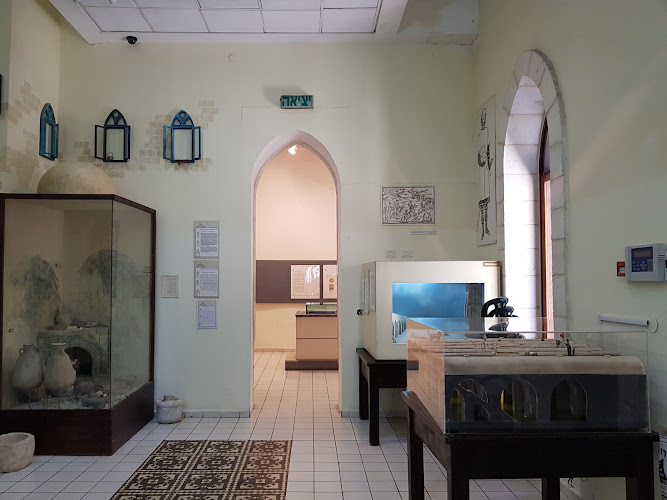
Ramla Museum

Ramla Market
Find Accommodations Nearby
Recommended Tours & Activities
Visitor Reviews
There are no reviews yet. Be the first one to write one.
Share Your Experience
Have you visited White Tower? Help other travelers by leaving a review.