
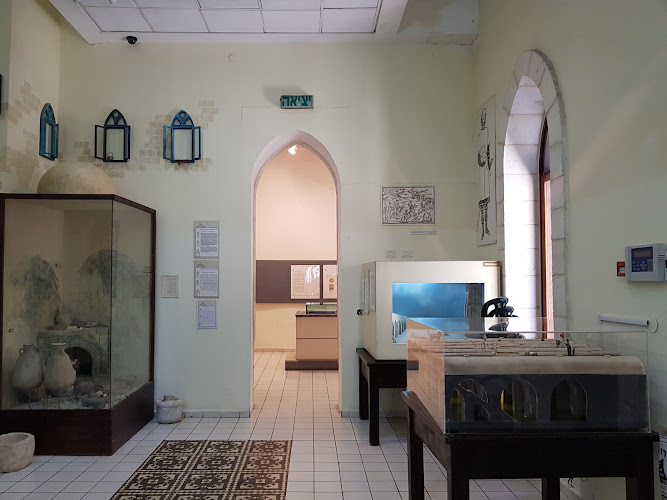
Ramla Museum
About Ramla Museum
Description
Wandering into the Ramla Museum, I felt that understated buzz you get at places that aren’t shouting for attention but really have stories to tell. It isn’t flashy. Nope, you won’t find grand marble columns or velvet ropes. Instead, you’ll find a place that is deeply rooted—in history, in community, in showing the real pulse of Ramla, past and present. It’s that kind of spot where you catch yourself reaching out to touch things (hands off though, for real), and if you’re even the tiniest bit curious about the quirks of small-town Israel, well, you’re going to eat this up.
The exhibits aren’t behind intimidating glass cases—well, except for the tiny precious bits, those are supervised, don’t get clever. The museum mixes the gritty, surprising heritage of the city with everyday stories. You sense the blend of cultures that’s so unique to Ramla. There’s real pride here, but it’s not showy. If you’re into old-school photos, handwritten diary pages, pottery still thick with earth, and relics rescued from the dust, you’re in luck.
Now, my own trip was spontaneous. I ducked in to escape the heat, and what struck me was how everyone was just naturally chatting—staff, school kids, an elderly couple who probably had more stories than the exhibits. It feels alive, which is rare, honestly, for museums like this. And hey, if you’ve got kids (or just a short attention span like me), the hands-on activities can save the day.
Don’t expect perfection—some corners are charmingly rough around the edges, and a few dusty spots will have you smiling. The staff though? Genuinely helpful. Accessibility is top-notch—something a lot of places claim, but here it actually means you can roll right in without anyone doing the awkward fuss. If you’re chasing wild nightlife or selfie moments, look elsewhere. But for the kind of atmosphere where you can actually slow down and soak up stories, it sticks with you.
Key Features
- Strong focus on Ramla’s multicultural history—Arabs, Jews, Christians, and others represented in exhibits
- Displays of archaeological finds dating back centuries (some seriously old pottery and coins!)
- Interactive areas: practical for kids, but honestly fun for adults too if you sneak a go
- Localized artifacts—personal belongings and rare objects from Ramla citizens
- Rotating special exhibits—so there’s a decent chance of catching something different each visit
- Accessible facilities—entrance, parking, and restrooms are all wheelchair friendly
- Central location with easy nearby amenities (but if you’re hungry, you’ll have to eat elsewhere—no in-house restaurant, and your packed lunch will look mighty appealing)
- Spotless, modern restrooms—a big deal after hustling around town, trust me
- Friendly, English-speaking staff (and plenty of patience for your questions!)
- Compact layout—easy to see the highlights in about an hour, but you’ll want to stay longer if history is your jam
Best Time to Visit
All right, I’ll be honest—Ramla isn’t on most so-called “bucket lists,” and the museum isn’t usually mobbed, except maybe for local school trips (which are kind of adorable to watch, unless you’re sensitive to loud giggles). If you want to wander in peace, swing by on weekday mornings just as the museum opens—most locals are at work, and you’ll have whole rooms to yourself.
Spring’s good if you like mild weather; the air is fresh, and the walk from the bustling street is actually pleasant. Avoid super-hot midsummer afternoons unless you thrive on the whole “melting tourist” experience (I don’t recommend it). Fridays are half-days, and Saturday (Shabbat) is usually closed, like many places in Israel, so plan your visit accordingly.
Special exhibits often pop up around local holidays, so check ahead if you want to catch an annual highlight. I once showed up just as a pottery workshop was happening and, embarrassingly, left with my hands caked in clay, feeling like a slightly awkward artist—but hey, it was fun.
How to Get There
Finding the museum isn’t exactly a scavenger hunt, but I’d say bring a map (or, realistically, your phone). Ramla is well connected, and the museum sits on a main road, not hidden away. If you’re coming by train, the central Ramla rail station is a quick 10-15 minute walk—easy and safe, even if you’re hauling bags or kids or both.
Buses are reliable, popping in from major hubs like Tel Aviv and Jerusalem. If you drive, there’s accessible parking right outside—no circling for hours or parallel parking panic attacks necessary. I drove in from Jerusalem once, and the trip was pretty smooth—just follow the main highway, and signs will nudge you in the right direction. Traffic can get thick around noon, but honestly that's true almost everywhere.
Taxi rides from the train station are short and rarely expensive. If you’re an avid walker, strolling in lets you get a real noseful of Ramla life along the way. I always recommend exploring a bit, because the old market, just a few blocks away, is a riot of colors, spices, and random cats eyeing your falafel.
Tips for Visiting
First off, don’t rush—this isn’t some flash-in-the-pan stopover. Take your time and chat with the staff. They know their stuff and sometimes share tiny bits of info you won’t find on the display cards. I once got a whole tale about a local ceramic artist that had me grinning the rest of the day.
Wear comfy shoes. You’ll be on your feet longer than you expect, especially if you decide to roam the nearby streets afterwards. And bring a bottle of water—no café inside, so you might want to hydrate before and after (my rookie mistake was showing up post-jog totally parched).
Families, rejoice: Kids are genuinely welcome and not just tolerated. There’s space to wiggle, and interactive exhibits that actually function—no “do not touch” signs everywhere. Bonus: If your little ones like scavenger hunts, ask at the desk for activity sheets.
Visitors with mobility needs won’t have any trouble—the museum layout is smooth, no tricky stairs or narrow halls to battle. Restrooms are sparkly clean and accessible. Honestly, compared to so many old world museums, this place feels refreshingly easy-going.
Photography is usually allowed but do be kind and skip the flash around sensitive artifacts—and, I beg you, don’t climb on stuff. You’d think that goes without saying, but, well, people get excited. And, if you’re collecting museum stamps for your travel book, bring it along—they’ve got a pretty cool one at the entrance.
One last thing—take a moment outside before you head in. Ramla’s sounds and sights kind of set the mood, and when you step in you’ll appreciate the cool and quiet even more. If you find yourself wanting more, plan a walk through the city’s old markets or peek into some nearby historical sites.
Overall, the Ramla Museum is what I call a “sleeper hit”—not famous, not flashy, but filled with those honest stories and slices of real history that stick with you long after you leave. If you’re traveling through Israel and craving a little soul and substance in your itinerary, you’ll walk out richer for the experience. And hey, who knows? You might just end up with a new favorite hidden gem.
Key Features
- Strong focus on Ramla’s multicultural history—Arabs, Jews, Christians, and others represented in exhibits
- Displays of archaeological finds dating back centuries (some seriously old pottery and coins!)
- Interactive areas: practical for kids, but honestly fun for adults too if you sneak a go
- Localized artifacts—personal belongings and rare objects from Ramla citizens
- Rotating special exhibits—so there’s a decent chance of catching something different each visit
- Accessible facilities—entrance, parking, and restrooms are all wheelchair friendly
- Central location with easy nearby amenities (but if you’re hungry, you’ll have to eat elsewhere—no in-house restaurant, and your packed lunch will look mighty appealing)
- Spotless, modern restrooms—a big deal after hustling around town, trust me
More Details
Updated June 23, 2025
Table of Contents
Description
Wandering into the Ramla Museum, I felt that understated buzz you get at places that aren’t shouting for attention but really have stories to tell. It isn’t flashy. Nope, you won’t find grand marble columns or velvet ropes. Instead, you’ll find a place that is deeply rooted—in history, in community, in showing the real pulse of Ramla, past and present. It’s that kind of spot where you catch yourself reaching out to touch things (hands off though, for real), and if you’re even the tiniest bit curious about the quirks of small-town Israel, well, you’re going to eat this up.
The exhibits aren’t behind intimidating glass cases—well, except for the tiny precious bits, those are supervised, don’t get clever. The museum mixes the gritty, surprising heritage of the city with everyday stories. You sense the blend of cultures that’s so unique to Ramla. There’s real pride here, but it’s not showy. If you’re into old-school photos, handwritten diary pages, pottery still thick with earth, and relics rescued from the dust, you’re in luck.
Now, my own trip was spontaneous. I ducked in to escape the heat, and what struck me was how everyone was just naturally chatting—staff, school kids, an elderly couple who probably had more stories than the exhibits. It feels alive, which is rare, honestly, for museums like this. And hey, if you’ve got kids (or just a short attention span like me), the hands-on activities can save the day.
Don’t expect perfection—some corners are charmingly rough around the edges, and a few dusty spots will have you smiling. The staff though? Genuinely helpful. Accessibility is top-notch—something a lot of places claim, but here it actually means you can roll right in without anyone doing the awkward fuss. If you’re chasing wild nightlife or selfie moments, look elsewhere. But for the kind of atmosphere where you can actually slow down and soak up stories, it sticks with you.
Key Features
- Strong focus on Ramla’s multicultural history—Arabs, Jews, Christians, and others represented in exhibits
- Displays of archaeological finds dating back centuries (some seriously old pottery and coins!)
- Interactive areas: practical for kids, but honestly fun for adults too if you sneak a go
- Localized artifacts—personal belongings and rare objects from Ramla citizens
- Rotating special exhibits—so there’s a decent chance of catching something different each visit
- Accessible facilities—entrance, parking, and restrooms are all wheelchair friendly
- Central location with easy nearby amenities (but if you’re hungry, you’ll have to eat elsewhere—no in-house restaurant, and your packed lunch will look mighty appealing)
- Spotless, modern restrooms—a big deal after hustling around town, trust me
- Friendly, English-speaking staff (and plenty of patience for your questions!)
- Compact layout—easy to see the highlights in about an hour, but you’ll want to stay longer if history is your jam
Best Time to Visit
All right, I’ll be honest—Ramla isn’t on most so-called “bucket lists,” and the museum isn’t usually mobbed, except maybe for local school trips (which are kind of adorable to watch, unless you’re sensitive to loud giggles). If you want to wander in peace, swing by on weekday mornings just as the museum opens—most locals are at work, and you’ll have whole rooms to yourself.
Spring’s good if you like mild weather; the air is fresh, and the walk from the bustling street is actually pleasant. Avoid super-hot midsummer afternoons unless you thrive on the whole “melting tourist” experience (I don’t recommend it). Fridays are half-days, and Saturday (Shabbat) is usually closed, like many places in Israel, so plan your visit accordingly.
Special exhibits often pop up around local holidays, so check ahead if you want to catch an annual highlight. I once showed up just as a pottery workshop was happening and, embarrassingly, left with my hands caked in clay, feeling like a slightly awkward artist—but hey, it was fun.
How to Get There
Finding the museum isn’t exactly a scavenger hunt, but I’d say bring a map (or, realistically, your phone). Ramla is well connected, and the museum sits on a main road, not hidden away. If you’re coming by train, the central Ramla rail station is a quick 10-15 minute walk—easy and safe, even if you’re hauling bags or kids or both.
Buses are reliable, popping in from major hubs like Tel Aviv and Jerusalem. If you drive, there’s accessible parking right outside—no circling for hours or parallel parking panic attacks necessary. I drove in from Jerusalem once, and the trip was pretty smooth—just follow the main highway, and signs will nudge you in the right direction. Traffic can get thick around noon, but honestly that’s true almost everywhere.
Taxi rides from the train station are short and rarely expensive. If you’re an avid walker, strolling in lets you get a real noseful of Ramla life along the way. I always recommend exploring a bit, because the old market, just a few blocks away, is a riot of colors, spices, and random cats eyeing your falafel.
Tips for Visiting
First off, don’t rush—this isn’t some flash-in-the-pan stopover. Take your time and chat with the staff. They know their stuff and sometimes share tiny bits of info you won’t find on the display cards. I once got a whole tale about a local ceramic artist that had me grinning the rest of the day.
Wear comfy shoes. You’ll be on your feet longer than you expect, especially if you decide to roam the nearby streets afterwards. And bring a bottle of water—no café inside, so you might want to hydrate before and after (my rookie mistake was showing up post-jog totally parched).
Families, rejoice: Kids are genuinely welcome and not just tolerated. There’s space to wiggle, and interactive exhibits that actually function—no “do not touch” signs everywhere. Bonus: If your little ones like scavenger hunts, ask at the desk for activity sheets.
Visitors with mobility needs won’t have any trouble—the museum layout is smooth, no tricky stairs or narrow halls to battle. Restrooms are sparkly clean and accessible. Honestly, compared to so many old world museums, this place feels refreshingly easy-going.
Photography is usually allowed but do be kind and skip the flash around sensitive artifacts—and, I beg you, don’t climb on stuff. You’d think that goes without saying, but, well, people get excited. And, if you’re collecting museum stamps for your travel book, bring it along—they’ve got a pretty cool one at the entrance.
One last thing—take a moment outside before you head in. Ramla’s sounds and sights kind of set the mood, and when you step in you’ll appreciate the cool and quiet even more. If you find yourself wanting more, plan a walk through the city’s old markets or peek into some nearby historical sites.
Overall, the Ramla Museum is what I call a “sleeper hit”—not famous, not flashy, but filled with those honest stories and slices of real history that stick with you long after you leave. If you’re traveling through Israel and craving a little soul and substance in your itinerary, you’ll walk out richer for the experience. And hey, who knows? You might just end up with a new favorite hidden gem.
Key Highlights
- Strong focus on Ramla’s multicultural history—Arabs, Jews, Christians, and others represented in exhibits
- Displays of archaeological finds dating back centuries (some seriously old pottery and coins!)
- Interactive areas: practical for kids, but honestly fun for adults too if you sneak a go
- Localized artifacts—personal belongings and rare objects from Ramla citizens
- Rotating special exhibits—so there’s a decent chance of catching something different each visit
- Accessible facilities—entrance, parking, and restrooms are all wheelchair friendly
- Central location with easy nearby amenities (but if you’re hungry, you’ll have to eat elsewhere—no in-house restaurant, and your packed lunch will look mighty appealing)
- Spotless, modern restrooms—a big deal after hustling around town, trust me
Location
Places to Stay Near Ramla Museum
Find and Book a Tour
Explore More Travel Guides
No reviews found! Be the first to review!
Traveler Reviews for Ramla Museum
There are no reviews yet. Be the first one to write one.
Have you visited Ramla Museum? Help other travelers by sharing your review.
You Might Also Like

Ramla Market

White Tower
Biofilter in Ramla
Find Accommodations Nearby
Recommended Tours & Activities
Visitor Reviews
There are no reviews yet. Be the first one to write one.
Share Your Experience
Have you visited Ramla Museum? Help other travelers by leaving a review.