
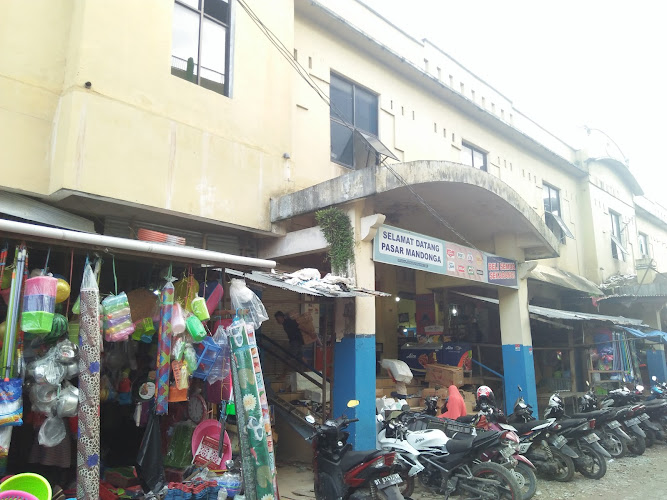
Wet market Mandonga
About Wet market Mandonga
Description
Wet Market Mandonga, tucked in the heart of Kendari, is one of those places that wakes up before dawn and never really sleeps. The air hums with chatter, bargaining, and the rhythmic clatter of wooden crates being opened. It’s not a polished or fancy kind of market—far from it—but that’s exactly what makes it worth exploring. It’s raw, real, and alive. You can smell the sea before you even see the fishmongers, and the scent of freshly ground spices lingers in the air long after you’ve left.
This market isn’t for the faint-hearted, but if you’re the kind of traveler who loves peeling back the layers of a city to see how people actually live, you’ll find it fascinating. The stalls are packed close together, selling everything from slippery eels to piles of fragrant herbs, bright chilies, and local vegetables you probably won’t recognize at first glance. There’s a certain rhythm to it all—chaotic, yes, but somehow beautifully orchestrated.
Some visitors might find it overwhelming, especially if you’re not used to wet markets, but that’s part of the charm. It’s loud, a bit messy, and unapologetically local. You’ll see locals chatting over baskets of produce, kids darting between stalls, and vendors calling out prices in a friendly but firm tone. And while it might not have the spotless floors or modern facilities you’d expect in a supermarket, it’s got something far more valuable: authenticity.
Personally, I remember standing near the fish section, trying to decide if I should buy a handful of prawns just for the experience. The vendor, an older man with a wide grin, noticed my hesitation and gave me a quick cooking tip—“Just fry them with chili and garlic,” he said, laughing. That’s the kind of interaction you can expect here—genuine, spontaneous, and full of warmth.
Key Features
- Traditional wet market atmosphere offering a true taste of Kendari’s daily life.
- Fresh seafood, meats, tropical fruits, and locally grown vegetables available year-round.
- Friendly vendors who often share stories, recipes, and a laugh or two.
- Basic amenities like restrooms are available, though facilities are modest.
- Accessibility is limited—wheelchair access and dedicated parking are not currently provided.
- Affordable prices compared to supermarkets, with plenty of room for bargaining.
- Local delicacies and spices that reflect the rich culinary identity of Southeast Sulawesi.
Best Time to Visit
If you want to experience Wet Market Mandonga at its liveliest, go early in the morning—around 6 or 7 a.m. That’s when the freshest catches arrive, and the produce looks its best. The air is cooler, and the crowd is mostly locals doing their daily shopping. By mid-morning, the market gets busier, and the narrow aisles can feel a bit congested.
Visiting later in the afternoon isn’t as rewarding since many stalls start closing up, and the best items are usually gone. If you’re into photography, the morning light filtering through the tin roofs adds a golden glow that makes for stunning shots—just be respectful and ask before pointing your camera at people. Rainy days can make the ground slippery, so wear shoes you don’t mind getting a little dirty.
How to Get There
Reaching Wet Market Mandonga is fairly straightforward. Most travelers prefer taking a local taxi or ojek (motorbike taxi), which can weave through Kendari’s busy streets faster than a car. If you’re staying nearby, you might even enjoy walking, as it gives you a chance to see the city’s rhythm up close. Public minibuses also pass through the area, though they can get crowded during rush hours.
It’s not a place you’ll find marked with big signs or tourist banners, but that’s part of the fun. Just ask a local, and they’ll point you in the right direction—everyone knows where the market is. And honestly, getting a little lost along the way isn’t the worst thing that could happen; it’s how you stumble upon the small warungs (street food stalls) that serve some of the best snacks in the city.
Tips for Visiting
First things first—bring cash and small bills. Most vendors don’t accept cards, and it’s easier to bargain when you’ve got exact change. Speaking of bargaining, don’t be shy! Haggling is expected, but keep it friendly and lighthearted. A smile goes a long way here.
Wear comfortable shoes, preferably ones that can handle a bit of water or mud. The floor can get slippery, especially near the seafood section. If you’re sensitive to strong smells, maybe bring a small handkerchief or mask—it’s a wet market after all, and the scents can be intense.
Photography-wise, be polite. Some vendors love being photographed, while others prefer not to be. A quick gesture or friendly “Boleh foto?” (May I take a photo?) usually does the trick. And don’t forget to try some local snacks while you’re there—fried bananas, sticky rice cakes, or freshly made sambal. They’re small pleasures that add layers to your experience.
Lastly, go with an open mind. Wet Market Mandonga isn’t about luxury or comfort—it’s about connection. You’ll see the city’s heartbeat here, in the laughter of sellers, the clinking of scales, and the constant motion of trade. It’s a place that reminds you travel isn’t always about sightseeing; sometimes, it’s about standing in the middle of a bustling market, taking it all in, and realizing you’re part of the story, even if just for a moment.
Key Features
- Traditional wet market atmosphere offering a true taste of Kendari’s daily life.
- Fresh seafood, meats, tropical fruits, and locally grown vegetables available year-round.
- Friendly vendors who often share stories, recipes, and a laugh or two.
- Basic amenities like restrooms are available, though facilities are modest.
- Accessibility is limited—wheelchair access and dedicated parking are not currently provided.
- Affordable prices compared to supermarkets, with plenty of room for bargaining.
- Local delicacies and spices that reflect the rich culinary identity of Southeast Sulawesi.
More Details
Updated December 1, 2025
Table of Contents
Description
Wet Market Mandonga, tucked in the heart of Kendari, is one of those places that wakes up before dawn and never really sleeps. The air hums with chatter, bargaining, and the rhythmic clatter of wooden crates being opened. It’s not a polished or fancy kind of market—far from it—but that’s exactly what makes it worth exploring. It’s raw, real, and alive. You can smell the sea before you even see the fishmongers, and the scent of freshly ground spices lingers in the air long after you’ve left.
This market isn’t for the faint-hearted, but if you’re the kind of traveler who loves peeling back the layers of a city to see how people actually live, you’ll find it fascinating. The stalls are packed close together, selling everything from slippery eels to piles of fragrant herbs, bright chilies, and local vegetables you probably won’t recognize at first glance. There’s a certain rhythm to it all—chaotic, yes, but somehow beautifully orchestrated.
Some visitors might find it overwhelming, especially if you’re not used to wet markets, but that’s part of the charm. It’s loud, a bit messy, and unapologetically local. You’ll see locals chatting over baskets of produce, kids darting between stalls, and vendors calling out prices in a friendly but firm tone. And while it might not have the spotless floors or modern facilities you’d expect in a supermarket, it’s got something far more valuable: authenticity.
Personally, I remember standing near the fish section, trying to decide if I should buy a handful of prawns just for the experience. The vendor, an older man with a wide grin, noticed my hesitation and gave me a quick cooking tip—“Just fry them with chili and garlic,” he said, laughing. That’s the kind of interaction you can expect here—genuine, spontaneous, and full of warmth.
Key Features
- Traditional wet market atmosphere offering a true taste of Kendari’s daily life.
- Fresh seafood, meats, tropical fruits, and locally grown vegetables available year-round.
- Friendly vendors who often share stories, recipes, and a laugh or two.
- Basic amenities like restrooms are available, though facilities are modest.
- Accessibility is limited—wheelchair access and dedicated parking are not currently provided.
- Affordable prices compared to supermarkets, with plenty of room for bargaining.
- Local delicacies and spices that reflect the rich culinary identity of Southeast Sulawesi.
Best Time to Visit
If you want to experience Wet Market Mandonga at its liveliest, go early in the morning—around 6 or 7 a.m. That’s when the freshest catches arrive, and the produce looks its best. The air is cooler, and the crowd is mostly locals doing their daily shopping. By mid-morning, the market gets busier, and the narrow aisles can feel a bit congested.
Visiting later in the afternoon isn’t as rewarding since many stalls start closing up, and the best items are usually gone. If you’re into photography, the morning light filtering through the tin roofs adds a golden glow that makes for stunning shots—just be respectful and ask before pointing your camera at people. Rainy days can make the ground slippery, so wear shoes you don’t mind getting a little dirty.
How to Get There
Reaching Wet Market Mandonga is fairly straightforward. Most travelers prefer taking a local taxi or ojek (motorbike taxi), which can weave through Kendari’s busy streets faster than a car. If you’re staying nearby, you might even enjoy walking, as it gives you a chance to see the city’s rhythm up close. Public minibuses also pass through the area, though they can get crowded during rush hours.
It’s not a place you’ll find marked with big signs or tourist banners, but that’s part of the fun. Just ask a local, and they’ll point you in the right direction—everyone knows where the market is. And honestly, getting a little lost along the way isn’t the worst thing that could happen; it’s how you stumble upon the small warungs (street food stalls) that serve some of the best snacks in the city.
Tips for Visiting
First things first—bring cash and small bills. Most vendors don’t accept cards, and it’s easier to bargain when you’ve got exact change. Speaking of bargaining, don’t be shy! Haggling is expected, but keep it friendly and lighthearted. A smile goes a long way here.
Wear comfortable shoes, preferably ones that can handle a bit of water or mud. The floor can get slippery, especially near the seafood section. If you’re sensitive to strong smells, maybe bring a small handkerchief or mask—it’s a wet market after all, and the scents can be intense.
Photography-wise, be polite. Some vendors love being photographed, while others prefer not to be. A quick gesture or friendly “Boleh foto?” (May I take a photo?) usually does the trick. And don’t forget to try some local snacks while you’re there—fried bananas, sticky rice cakes, or freshly made sambal. They’re small pleasures that add layers to your experience.
Lastly, go with an open mind. Wet Market Mandonga isn’t about luxury or comfort—it’s about connection. You’ll see the city’s heartbeat here, in the laughter of sellers, the clinking of scales, and the constant motion of trade. It’s a place that reminds you travel isn’t always about sightseeing; sometimes, it’s about standing in the middle of a bustling market, taking it all in, and realizing you’re part of the story, even if just for a moment.
Key Highlights
- Traditional wet market atmosphere offering a true taste of Kendari’s daily life.
- Fresh seafood, meats, tropical fruits, and locally grown vegetables available year-round.
- Friendly vendors who often share stories, recipes, and a laugh or two.
- Basic amenities like restrooms are available, though facilities are modest.
- Accessibility is limited—wheelchair access and dedicated parking are not currently provided.
- Affordable prices compared to supermarkets, with plenty of room for bargaining.
- Local delicacies and spices that reflect the rich culinary identity of Southeast Sulawesi.
Location
Places to Stay Near Wet market Mandonga
Find and Book a Tour
Explore More Travel Guides
No reviews found! Be the first to review!
Traveler Reviews for Wet market Mandonga
There are no reviews yet. Be the first one to write one.
Have you visited Wet market Mandonga? Help other travelers by sharing your review.
You Might Also Like

NEST Family Reflexology, Kendari

Spot Kendari Water Front

Sari Laut Doa Ibu 2
Find Accommodations Nearby
Recommended Tours & Activities
Visitor Reviews
There are no reviews yet. Be the first one to write one.
Share Your Experience
Have you visited Wet market Mandonga? Help other travelers by leaving a review.