
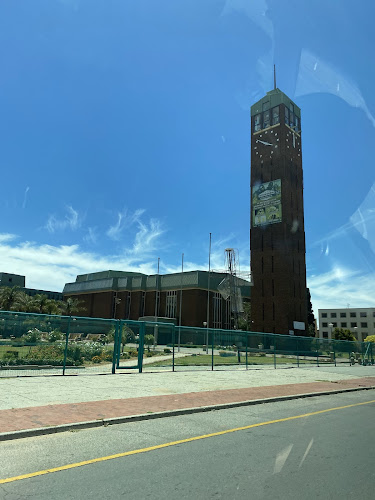
Welkom Museum
About Welkom Museum
Description
The Welkom Museum stands as a testament to the rich history of the Free State goldfields, offering travelers a genuine glimpse into the past of this mining town. Located in one of South Africa's important gold-producing regions, the museum chronicles the development of Welkom from its origins as a farming area to its transformation into a bustling mining hub in the 1940s. Walking through the museum's halls, visitors encounter exhibits that showcase the geological wonders that made this region so valuable, along with artifacts from the early days of settlement. The collection includes mining equipment, historical photographs, and displays that tell the stories of the diverse communities who built their lives around the goldfields. And while some museums can feel sterile or disconnected from the real human experience, there's something quite tangible about seeing the actual tools and personal items that miners used decades ago. I've always believed that smaller regional museums have this unique quality where they're not trying to be everything to everyone – they just tell their own story, honestly and straightforwardly. The Welkom Museum does exactly that. It doesn't pretend to be a massive metropolitan institution, but what it offers is authentic and rooted in the genuine experience of the people who lived through Welkom's golden era. The museum's collection also touches on the broader social history of the area, including the various cultural groups who contributed to the town's development. This includes exhibits on the local San people who originally inhabited the region, as well as the waves of migrants who arrived seeking their fortunes in the goldfields. It's worth noting that the museum has wheelchair accessible parking, making it reasonably accessible for visitors with mobility needs, and there are restroom facilities on site – practical considerations that matter when you're planning a day of exploration.Key Features
The Welkom Museum presents several distinctive elements that make it worth including in your travel itinerary:- Extensive mining heritage exhibits showcasing the evolution of gold extraction techniques used in the Free State goldfields over multiple decades
- Historical photograph collections documenting the rapid transformation of Welkom from farmland to industrial mining town in the mid-20th century
- Geological displays featuring actual gold-bearing rock samples and minerals from the surrounding region that help visitors understand what lies beneath the surface
- Artifacts from daily life in early Welkom including household items, clothing, and personal belongings that paint a picture of what ordinary life looked like
- Equipment and tools used by miners throughout different eras, providing tangible connections to the dangerous and demanding work that built the town
- Cultural exhibits representing the diverse communities who settled in the area, including indigenous peoples and immigrant populations
- Family-friendly displays that make the museum suitable for visitors traveling with children who might be learning about South African history
- Wheelchair accessible facilities including designated parking areas for visitors with mobility challenges
- Documentation of the architectural development of Welkom itself, which was one of South Africa's first planned cities
Best Time to Visit
Timing your visit to the Welkom Museum requires considering both the weather patterns of the Free State and the practical aspects of museum-going. The Free State experiences hot summers and cold winters, so the shoulder seasons of spring (September through November) and autumn (March through May) offer the most comfortable temperatures for exploring both the museum and the surrounding town. But here's the thing – since this is an indoor museum, weather shouldn't be your primary concern. Actually, the hot summer months of December through February can be perfect for visiting because you'll be escaping the intense heat inside the climate-controlled museum environment. I've found that visiting museums during the hottest part of the day and saving outdoor activities for mornings and evenings works really well in regions with extreme temperatures. Weekday visits typically mean fewer crowds, which allows you to take your time with exhibits without feeling rushed or competing for viewing space. The museum is particularly suitable for children, so if you're traveling during school holidays, you might encounter more families. This can be either a positive or negative depending on your preferences – some people enjoy the energy that kids bring to educational spaces, while others prefer quieter contemplation. The winter months from June through August see temperatures that can drop quite low, particularly in the mornings and evenings. If you're visiting during this period, the museum makes an excellent midday activity when temperatures are slightly warmer. And honestly, there's something cozy about spending time in a museum on a crisp winter afternoon. Consider checking if the museum hosts any special exhibitions or events during your planned visit. Regional museums sometimes organize temporary displays or cultural programs that can add extra value to your experience, though these are typically announced locally rather than far in advance.How to Get There
Reaching the Welkom Museum requires first getting to Welkom itself, which sits in the heart of South Africa's Free State province. The town is positioned roughly equidistant between Johannesburg and Bloemfontein, making it accessible from either direction. If you're driving from Johannesburg, which is about 160 kilometers northeast of Welkom, you'll take the N1 highway south before connecting to other routes that lead into town. The journey typically takes around two hours under normal traffic conditions. From Bloemfontein, the provincial capital located approximately 120 kilometers to the southeast, the drive is slightly shorter at about 90 minutes. Self-driving remains the most practical option for reaching Welkom and accessing the museum. The town isn't served by passenger rail, and while bus services do operate between major centers, having your own vehicle gives you the flexibility to explore at your own pace. Rental cars are available in both Johannesburg and Bloemfontein if you're flying into either city. For international travelers, the nearest major airport is OR Tambo International Airport in Johannesburg. From there, you can rent a vehicle or potentially arrange private transportation to Welkom. Some travelers also fly into Bram Fischer International Airport in Bloemfontein, which is smaller but might offer a slightly shorter drive depending on your specific accommodation location. Once you've arrived in Welkom, navigating to the museum is straightforward with GPS or a mapping application on your phone. The wheelchair accessible parking lot makes arrival convenient for all visitors. And I'd recommend familiarizing yourself with the general layout of Welkom if you're planning to combine your museum visit with other activities in town – it's always less stressful when you have a basic sense of where things are.Tips for Visiting
Making the most of your Welkom Museum experience requires some practical planning and realistic expectations. First and foremost, understand that this is a regional museum rather than a major metropolitan institution. Your visit will likely last between one to two hours depending on your interest level in mining history and local heritage. Don't expect the scale of larger museums – instead, appreciate the focused, specialized collection that tells a specific regional story. Bring comfortable walking shoes even though this is an indoor venue. Museum floors can be hard on feet, and you'll want to be able to take your time without discomfort rushing you through. The museum is suitable for children, which makes it a decent option for families, though you know your own kids best – if they're not particularly interested in history, you might want to plan a shorter visit or combine it with other activities that appeal to younger travelers. Since there's no restaurant on site, plan accordingly. You might want to eat before arriving or bring snacks, particularly if you're traveling with children who get cranky when hungry. There are restroom facilities available, which is always good to know ahead of time. And speaking of practical matters, it's worth calling ahead to confirm opening hours, as smaller museums sometimes have irregular schedules or close for maintenance without much advance notice. Photography policies vary between museums, so if you're keen on capturing images of specific exhibits, ask about what's permitted when you arrive. Some displays might have restrictions due to preservation concerns or copyright issues with historical photographs. Consider your visit as part of a broader exploration of Free State gold mining history. The museum provides context that can enhance your understanding of the entire region. If you're particularly interested in mining heritage, you might research whether any mine tours or related sites are accessible to visitors in the area. Be patient with any limitations you might encounter. Based on visitor feedback, the museum has room for improvement in certain areas, and managing your expectations helps ensure you focus on what's valuable rather than what might be lacking. Approach it with curiosity about the specific story it tells rather than comparing it to larger, better-funded institutions. Finally, engage with any staff or volunteers you encounter. People who work at regional museums often have deep knowledge and personal connections to the area's history. They might share stories or point out details you'd otherwise miss. And honestly, those human interactions often become the most memorable parts of visiting smaller cultural institutions.Key Features
- Local gold-mining history exhibits (tools, photos, records)
- Archival materials and library resources for researchers
- Displays on Welkom’s urban and social development
- Intimate, community-focused interpretation with local artifacts
- Centrally located inside the Civic Centre/Public Library complex
More Details
Updated January 16, 2026
Table of Contents
Description
The Welkom Museum stands as a testament to the rich history of the Free State goldfields, offering travelers a genuine glimpse into the past of this mining town. Located in one of South Africa’s important gold-producing regions, the museum chronicles the development of Welkom from its origins as a farming area to its transformation into a bustling mining hub in the 1940s.
Walking through the museum’s halls, visitors encounter exhibits that showcase the geological wonders that made this region so valuable, along with artifacts from the early days of settlement. The collection includes mining equipment, historical photographs, and displays that tell the stories of the diverse communities who built their lives around the goldfields. And while some museums can feel sterile or disconnected from the real human experience, there’s something quite tangible about seeing the actual tools and personal items that miners used decades ago.
I’ve always believed that smaller regional museums have this unique quality where they’re not trying to be everything to everyone – they just tell their own story, honestly and straightforwardly. The Welkom Museum does exactly that. It doesn’t pretend to be a massive metropolitan institution, but what it offers is authentic and rooted in the genuine experience of the people who lived through Welkom’s golden era.
The museum’s collection also touches on the broader social history of the area, including the various cultural groups who contributed to the town’s development. This includes exhibits on the local San people who originally inhabited the region, as well as the waves of migrants who arrived seeking their fortunes in the goldfields. It’s worth noting that the museum has wheelchair accessible parking, making it reasonably accessible for visitors with mobility needs, and there are restroom facilities on site – practical considerations that matter when you’re planning a day of exploration.
Key Features
The Welkom Museum presents several distinctive elements that make it worth including in your travel itinerary:
- Extensive mining heritage exhibits showcasing the evolution of gold extraction techniques used in the Free State goldfields over multiple decades
- Historical photograph collections documenting the rapid transformation of Welkom from farmland to industrial mining town in the mid-20th century
- Geological displays featuring actual gold-bearing rock samples and minerals from the surrounding region that help visitors understand what lies beneath the surface
- Artifacts from daily life in early Welkom including household items, clothing, and personal belongings that paint a picture of what ordinary life looked like
- Equipment and tools used by miners throughout different eras, providing tangible connections to the dangerous and demanding work that built the town
- Cultural exhibits representing the diverse communities who settled in the area, including indigenous peoples and immigrant populations
- Family-friendly displays that make the museum suitable for visitors traveling with children who might be learning about South African history
- Wheelchair accessible facilities including designated parking areas for visitors with mobility challenges
- Documentation of the architectural development of Welkom itself, which was one of South Africa’s first planned cities
Best Time to Visit
Timing your visit to the Welkom Museum requires considering both the weather patterns of the Free State and the practical aspects of museum-going. The Free State experiences hot summers and cold winters, so the shoulder seasons of spring (September through November) and autumn (March through May) offer the most comfortable temperatures for exploring both the museum and the surrounding town.
But here’s the thing – since this is an indoor museum, weather shouldn’t be your primary concern. Actually, the hot summer months of December through February can be perfect for visiting because you’ll be escaping the intense heat inside the climate-controlled museum environment. I’ve found that visiting museums during the hottest part of the day and saving outdoor activities for mornings and evenings works really well in regions with extreme temperatures.
Weekday visits typically mean fewer crowds, which allows you to take your time with exhibits without feeling rushed or competing for viewing space. The museum is particularly suitable for children, so if you’re traveling during school holidays, you might encounter more families. This can be either a positive or negative depending on your preferences – some people enjoy the energy that kids bring to educational spaces, while others prefer quieter contemplation.
The winter months from June through August see temperatures that can drop quite low, particularly in the mornings and evenings. If you’re visiting during this period, the museum makes an excellent midday activity when temperatures are slightly warmer. And honestly, there’s something cozy about spending time in a museum on a crisp winter afternoon.
Consider checking if the museum hosts any special exhibitions or events during your planned visit. Regional museums sometimes organize temporary displays or cultural programs that can add extra value to your experience, though these are typically announced locally rather than far in advance.
How to Get There
Reaching the Welkom Museum requires first getting to Welkom itself, which sits in the heart of South Africa’s Free State province. The town is positioned roughly equidistant between Johannesburg and Bloemfontein, making it accessible from either direction.
If you’re driving from Johannesburg, which is about 160 kilometers northeast of Welkom, you’ll take the N1 highway south before connecting to other routes that lead into town. The journey typically takes around two hours under normal traffic conditions. From Bloemfontein, the provincial capital located approximately 120 kilometers to the southeast, the drive is slightly shorter at about 90 minutes.
Self-driving remains the most practical option for reaching Welkom and accessing the museum. The town isn’t served by passenger rail, and while bus services do operate between major centers, having your own vehicle gives you the flexibility to explore at your own pace. Rental cars are available in both Johannesburg and Bloemfontein if you’re flying into either city.
For international travelers, the nearest major airport is OR Tambo International Airport in Johannesburg. From there, you can rent a vehicle or potentially arrange private transportation to Welkom. Some travelers also fly into Bram Fischer International Airport in Bloemfontein, which is smaller but might offer a slightly shorter drive depending on your specific accommodation location.
Once you’ve arrived in Welkom, navigating to the museum is straightforward with GPS or a mapping application on your phone. The wheelchair accessible parking lot makes arrival convenient for all visitors. And I’d recommend familiarizing yourself with the general layout of Welkom if you’re planning to combine your museum visit with other activities in town – it’s always less stressful when you have a basic sense of where things are.
Tips for Visiting
Making the most of your Welkom Museum experience requires some practical planning and realistic expectations. First and foremost, understand that this is a regional museum rather than a major metropolitan institution. Your visit will likely last between one to two hours depending on your interest level in mining history and local heritage. Don’t expect the scale of larger museums – instead, appreciate the focused, specialized collection that tells a specific regional story.
Bring comfortable walking shoes even though this is an indoor venue. Museum floors can be hard on feet, and you’ll want to be able to take your time without discomfort rushing you through. The museum is suitable for children, which makes it a decent option for families, though you know your own kids best – if they’re not particularly interested in history, you might want to plan a shorter visit or combine it with other activities that appeal to younger travelers.
Since there’s no restaurant on site, plan accordingly. You might want to eat before arriving or bring snacks, particularly if you’re traveling with children who get cranky when hungry. There are restroom facilities available, which is always good to know ahead of time. And speaking of practical matters, it’s worth calling ahead to confirm opening hours, as smaller museums sometimes have irregular schedules or close for maintenance without much advance notice.
Photography policies vary between museums, so if you’re keen on capturing images of specific exhibits, ask about what’s permitted when you arrive. Some displays might have restrictions due to preservation concerns or copyright issues with historical photographs.
Consider your visit as part of a broader exploration of Free State gold mining history. The museum provides context that can enhance your understanding of the entire region. If you’re particularly interested in mining heritage, you might research whether any mine tours or related sites are accessible to visitors in the area.
Be patient with any limitations you might encounter. Based on visitor feedback, the museum has room for improvement in certain areas, and managing your expectations helps ensure you focus on what’s valuable rather than what might be lacking. Approach it with curiosity about the specific story it tells rather than comparing it to larger, better-funded institutions.
Finally, engage with any staff or volunteers you encounter. People who work at regional museums often have deep knowledge and personal connections to the area’s history. They might share stories or point out details you’d otherwise miss. And honestly, those human interactions often become the most memorable parts of visiting smaller cultural institutions.
Key Highlights
- Local gold-mining history exhibits (tools, photos, records)
- Archival materials and library resources for researchers
- Displays on Welkom’s urban and social development
- Intimate, community-focused interpretation with local artifacts
- Centrally located inside the Civic Centre/Public Library complex
Location
Places to Stay Near Welkom Museum
Find and Book a Tour
Explore More Travel Guides
No reviews found! Be the first to review!
Traveler Reviews for Welkom Museum
There are no reviews yet. Be the first one to write one.
Have you visited Welkom Museum? Help other travelers by sharing your review.
Nearby Attractions
You Might Also Like

6 Serias St

Moboke Foundation
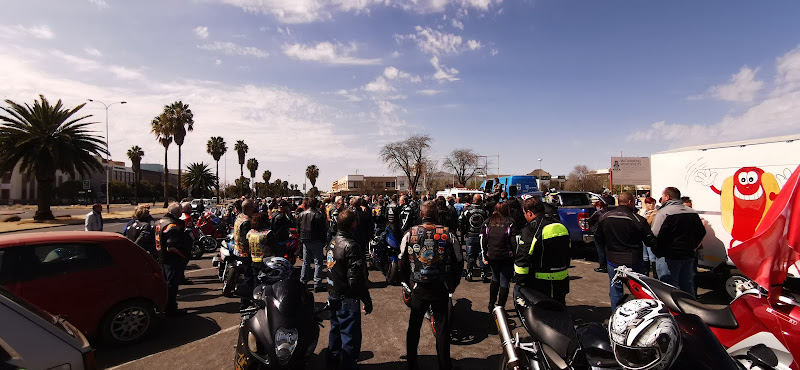
Welkom park
Find Accommodations Nearby
Recommended Tours & Activities
Visitor Reviews
There are no reviews yet. Be the first one to write one.
Share Your Experience
Have you visited Welkom Museum? Help other travelers by leaving a review.