
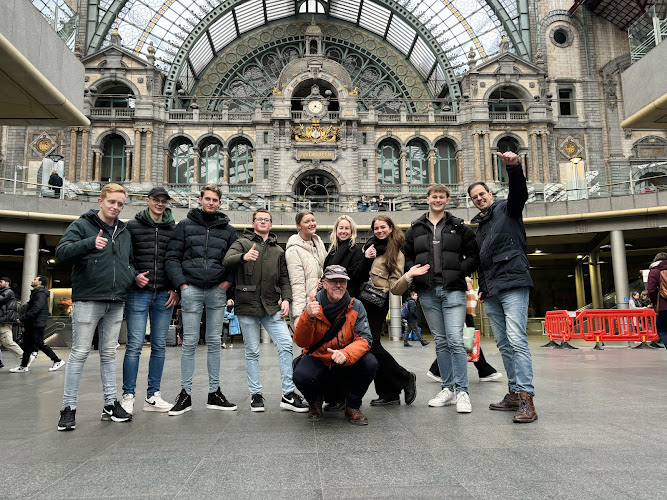
Walking in Antwerp
About Walking in Antwerp
Description
Walking through Antwerp offers travelers an intimate way to discover one of Belgium's most captivating cities, where centuries of history merge seamlessly with contemporary culture. This isn't just about putting one foot in front of the other - it's about truly experiencing a city that has shaped European commerce, art, and architecture for over 500 years. The organized walking experiences in Antwerp have earned an exceptional reputation among visitors, with the overwhelming majority finding their time exploring on foot to be genuinely memorable. I've always believed that you can't really know a city until you've walked its streets, and Antwerp proves this philosophy right every single time. The compact nature of the city center makes walking not just feasible but actually the best way to explore. You'll find yourself wandering through medieval alleyways one moment and stepping into cutting-edge fashion districts the next. The architectural diversity alone justifies lacing up your most comfortable shoes. What sets walking in Antwerp apart from other European city experiences is the unexpected discoveries around literally every corner. Sure, you've got your major landmarks like the Cathedral of Our Lady and the stunning Antwerp Central Station, but it's the hidden courtyards, the neighborhood bakeries, and the locals chatting on their stoops that really tell the city's story. And trust me, there's plenty of story to tell. The city covers about 80 square kilometers, but the historic center where most visitors spend their time is wonderfully walkable. You can traverse from the fashionable Zuid district to the historic Grote Markt in roughly twenty minutes at a leisurely pace. But why would you rush? The whole point is to slow down and actually see things.Key Features
The walking experience in Antwerp delivers several distinctive characteristics that make it stand out: • Access to medieval guild houses and Renaissance architecture that you'd completely miss from a car or tram • The chance to explore Antwerp's famous diamond district on foot, where roughly 84% of the world's rough diamonds pass through • Walking routes that connect major museums including the Royal Museum of Fine Arts and Rubens House within comfortable distances • Pedestrian-friendly streets in the Old Town where cars are restricted, making the experience safer and more pleasant • Opportunities to discover the city's thriving street art scene, particularly in the Eilandje neighborhood • Easy access to local markets like the weekend antique market along the Scheldt River • The ability to pause at any of hundreds of cafes, chocolate shops, or Belgian fry stands without worrying about parking • Self-paced exploration that lets you spend as much or as little time at each location as you prefer • Routes that showcase Antwerp's evolution from medieval trading post to modern fashion capital • Access to quieter residential neighborhoods where authentic local life unfolds away from tourist crowdsBest Time to Visit
Timing your walking adventures in Antwerp can make a significant difference in your experience, and I'll be straight with you - Belgium's weather doesn't always cooperate with outdoor plans. The sweet spot for walking falls between April and October when temperatures range from 15 to 23 degrees Celsius. These months offer the most comfortable conditions for spending hours on your feet. Late spring, particularly May and early June, presents ideal walking conditions. The weather tends to be mild, the city's parks and green spaces are blooming, and you're visiting before the peak summer tourist season really kicks in. I'd argue this is actually the best time if you want to experience the city without constantly navigating around tour groups. Summer months bring warmer weather but also larger crowds, especially in July and August when European vacation season is in full swing. The upside? Extended daylight hours mean you can start your walking day early and continue into the evening. The city takes on a different character as sunset approaches, with golden light hitting those Renaissance facades in ways that'll make your camera very happy. Early autumn, September through mid-October, offers another excellent window. The temperatures cool down to comfortable levels, the summer crowds thin out, and the city settles back into its regular rhythm. Plus, you'll catch some beautiful fall colors in the city's parks and along the Scheldt River promenade. Winter walking has its own appeal for those who don't mind bundling up. From late November through December, the city transforms with Christmas markets and festive decorations. But I won't sugarcoat it - Belgian winters are damp and cold, with temperatures often hovering around 5 degrees Celsius. You'll need proper waterproof gear and the acceptance that you might get rained on. Weekday mornings tend to be quieter than weekends, particularly in the central historic areas. If you're someone who prefers exploring without crowds, plan your walking routes for Tuesday through Thursday mornings when most other tourists are still finishing their hotel breakfasts.How to Get There
Getting yourself to Antwerp to begin your walking adventures is remarkably straightforward, which honestly surprised me the first time I visited. The city's connectivity makes it accessible from virtually anywhere in Europe. Antwerp-Berchem and Antwerp-Central are the city's two main railway stations, with Central being the primary hub and a destination in its own right. The station building itself is considered one of the most beautiful in the world, so arriving by train gives you an immediate architectural treat. High-speed Thalys trains connect Antwerp to Paris in about two hours, to Amsterdam in just over an hour, and to Brussels in a mere 35 minutes. International travelers often fly into Brussels Airport and take the direct train to Antwerp, which takes roughly 30-40 minutes. For those flying directly, Antwerp International Airport handles primarily regional flights and is located just 5 kilometers from the city center. A taxi or bus can get you downtown in about 15 minutes. However, most international travelers will arrive through Brussels Airport, which offers more flight options and competitive pricing. Once you're in Antwerp, getting to the main walking areas is simple. If you're staying outside the historic center, the city's tram and bus network can deliver you to major starting points. But here's the thing - you probably won't need much public transport once you're in the city center. Everything worth seeing on foot is genuinely within walking distance. The city center is roughly a ten-minute walk from Antwerp Central Station, heading toward the Grote Markt. Many organized walking tours begin either at the station itself or at the main square, making orientation easy even for first-time visitors. If you're driving to Antwerp, which I wouldn't particularly recommend for a walking-focused visit, there are several parking garages near the city center. But parking is expensive and honestly defeats the purpose of coming to walk around. Leave the car at your hotel or better yet, skip it entirely.Tips for Visiting
Having spent considerable time walking through Antwerp's streets, I've picked up some practical wisdom that'll make your experience smoother. First and absolute foremost - wear proper walking shoes. I cannot stress this enough. Those cute but impractical shoes you're eyeing? Leave them at the hotel. Antwerp's historic center features cobblestone streets that look charming in photos but can be brutal on feet and ankles. You'll be walking more than you think, easily covering 15,000-20,000 steps in a day of thorough exploration. Belgian weather is notoriously unpredictable, so pack layers and bring a compact umbrella or rain jacket regardless of what the forecast claims. I've experienced four seasons in a single afternoon there, and locals joke that if you don't like the weather, wait fifteen minutes. Checking the weather right before you head out each morning is smarter than trusting a week-long forecast. Download an offline map of Antwerp to your phone before you start walking. While the city center is fairly easy to navigate, having GPS capability without relying on data or WiFi gives you confidence to wander down interesting side streets without worrying about getting lost. The city offers free WiFi in many public areas, but coverage isn't universal. Start your walking day early, especially if you're visiting during peak season. The streets are quieter, the light is better for photography, and you'll have places like the Grote Markt almost to yourself. Many bakeries open around 7 or 8 AM, perfect for grabbing fresh pastries before beginning your exploration. Most museums and attractions in Antwerp close on Mondays, so plan your walking routes accordingly. Tuesdays through Sundays offer fuller access to indoor attractions you might want to include in your walking itinerary. Churches and religious sites sometimes close during services, so if visiting a particular cathedral is important to you, check their schedules in advance. The locals in Antwerp generally speak excellent English, but learning a few basic Dutch phrases shows respect and often results in warmer interactions. A simple "dank u wel" (thank you) goes a long way. That said, don't stress about the language barrier - it's rarely an issue in tourist areas. Budget for frequent stops at cafes and chocolate shops. Part of the Antwerp walking experience is pausing to refuel and rest your feet. Belgian cafe culture encourages lingering, and nobody will rush you if you order a coffee and sit for an hour watching the world go by. This isn't New York where they need to turn tables - take your time. Keep some cash on hand even though most places accept cards. Smaller establishments, public restrooms, and market vendors sometimes prefer or only accept cash. ATMs are plentiful in the city center, but you'll save time by having euros ready. Public restrooms aren't as common as in some cities, so take advantage of facilities at museums, cafes, and restaurants when you have the chance. Many public toilets charge a small fee, usually 50 cents to a euro. If you're interested in guided walking tours, book morning slots when you're fresh and energetic. The tours typically last two to three hours, and you'll absorb information better when you're not already exhausted from wandering around all day. That leaves your afternoons free for independent exploration of areas that particularly captured your interest during the tour. Pay attention to bike lanes, which are often painted red and run through many streets. Antwerp cyclists take their lanes seriously and won't appreciate pedestrians wandering into their path. The bike culture here is strong, and riders move quickly - stay alert. Finally, embrace getting a bit lost. Some of my best Antwerp discoveries happened when I took a wrong turn and ended up in a neighborhood I hadn't planned to visit. The city rewards wanderers who trust their curiosity over strict itineraries.Key Features
- Small-group and private walking tours led by local guides
- Focus on history, art (including Rubens), and Antwerp’s diamond and port heritage
- Visits to both major sights and hidden local neighborhoods
- Flexible tailor-made itineraries available on request
- Friendly, story-driven guiding with practical local tips
More Details
Updated March 30, 2026
Table of Contents
Description
Walking through Antwerp offers travelers an intimate way to discover one of Belgium’s most captivating cities, where centuries of history merge seamlessly with contemporary culture. This isn’t just about putting one foot in front of the other – it’s about truly experiencing a city that has shaped European commerce, art, and architecture for over 500 years. The organized walking experiences in Antwerp have earned an exceptional reputation among visitors, with the overwhelming majority finding their time exploring on foot to be genuinely memorable.
I’ve always believed that you can’t really know a city until you’ve walked its streets, and Antwerp proves this philosophy right every single time. The compact nature of the city center makes walking not just feasible but actually the best way to explore. You’ll find yourself wandering through medieval alleyways one moment and stepping into cutting-edge fashion districts the next. The architectural diversity alone justifies lacing up your most comfortable shoes.
What sets walking in Antwerp apart from other European city experiences is the unexpected discoveries around literally every corner. Sure, you’ve got your major landmarks like the Cathedral of Our Lady and the stunning Antwerp Central Station, but it’s the hidden courtyards, the neighborhood bakeries, and the locals chatting on their stoops that really tell the city’s story. And trust me, there’s plenty of story to tell.
The city covers about 80 square kilometers, but the historic center where most visitors spend their time is wonderfully walkable. You can traverse from the fashionable Zuid district to the historic Grote Markt in roughly twenty minutes at a leisurely pace. But why would you rush? The whole point is to slow down and actually see things.
Key Features
The walking experience in Antwerp delivers several distinctive characteristics that make it stand out:
• Access to medieval guild houses and Renaissance architecture that you’d completely miss from a car or tram
• The chance to explore Antwerp’s famous diamond district on foot, where roughly 84% of the world’s rough diamonds pass through
• Walking routes that connect major museums including the Royal Museum of Fine Arts and Rubens House within comfortable distances
• Pedestrian-friendly streets in the Old Town where cars are restricted, making the experience safer and more pleasant
• Opportunities to discover the city’s thriving street art scene, particularly in the Eilandje neighborhood
• Easy access to local markets like the weekend antique market along the Scheldt River
• The ability to pause at any of hundreds of cafes, chocolate shops, or Belgian fry stands without worrying about parking
• Self-paced exploration that lets you spend as much or as little time at each location as you prefer
• Routes that showcase Antwerp’s evolution from medieval trading post to modern fashion capital
• Access to quieter residential neighborhoods where authentic local life unfolds away from tourist crowds
Best Time to Visit
Timing your walking adventures in Antwerp can make a significant difference in your experience, and I’ll be straight with you – Belgium’s weather doesn’t always cooperate with outdoor plans. The sweet spot for walking falls between April and October when temperatures range from 15 to 23 degrees Celsius. These months offer the most comfortable conditions for spending hours on your feet.
Late spring, particularly May and early June, presents ideal walking conditions. The weather tends to be mild, the city’s parks and green spaces are blooming, and you’re visiting before the peak summer tourist season really kicks in. I’d argue this is actually the best time if you want to experience the city without constantly navigating around tour groups.
Summer months bring warmer weather but also larger crowds, especially in July and August when European vacation season is in full swing. The upside? Extended daylight hours mean you can start your walking day early and continue into the evening. The city takes on a different character as sunset approaches, with golden light hitting those Renaissance facades in ways that’ll make your camera very happy.
Early autumn, September through mid-October, offers another excellent window. The temperatures cool down to comfortable levels, the summer crowds thin out, and the city settles back into its regular rhythm. Plus, you’ll catch some beautiful fall colors in the city’s parks and along the Scheldt River promenade.
Winter walking has its own appeal for those who don’t mind bundling up. From late November through December, the city transforms with Christmas markets and festive decorations. But I won’t sugarcoat it – Belgian winters are damp and cold, with temperatures often hovering around 5 degrees Celsius. You’ll need proper waterproof gear and the acceptance that you might get rained on.
Weekday mornings tend to be quieter than weekends, particularly in the central historic areas. If you’re someone who prefers exploring without crowds, plan your walking routes for Tuesday through Thursday mornings when most other tourists are still finishing their hotel breakfasts.
How to Get There
Getting yourself to Antwerp to begin your walking adventures is remarkably straightforward, which honestly surprised me the first time I visited. The city’s connectivity makes it accessible from virtually anywhere in Europe.
Antwerp-Berchem and Antwerp-Central are the city’s two main railway stations, with Central being the primary hub and a destination in its own right. The station building itself is considered one of the most beautiful in the world, so arriving by train gives you an immediate architectural treat. High-speed Thalys trains connect Antwerp to Paris in about two hours, to Amsterdam in just over an hour, and to Brussels in a mere 35 minutes. International travelers often fly into Brussels Airport and take the direct train to Antwerp, which takes roughly 30-40 minutes.
For those flying directly, Antwerp International Airport handles primarily regional flights and is located just 5 kilometers from the city center. A taxi or bus can get you downtown in about 15 minutes. However, most international travelers will arrive through Brussels Airport, which offers more flight options and competitive pricing.
Once you’re in Antwerp, getting to the main walking areas is simple. If you’re staying outside the historic center, the city’s tram and bus network can deliver you to major starting points. But here’s the thing – you probably won’t need much public transport once you’re in the city center. Everything worth seeing on foot is genuinely within walking distance.
The city center is roughly a ten-minute walk from Antwerp Central Station, heading toward the Grote Markt. Many organized walking tours begin either at the station itself or at the main square, making orientation easy even for first-time visitors.
If you’re driving to Antwerp, which I wouldn’t particularly recommend for a walking-focused visit, there are several parking garages near the city center. But parking is expensive and honestly defeats the purpose of coming to walk around. Leave the car at your hotel or better yet, skip it entirely.
Tips for Visiting
Having spent considerable time walking through Antwerp’s streets, I’ve picked up some practical wisdom that’ll make your experience smoother. First and absolute foremost – wear proper walking shoes. I cannot stress this enough. Those cute but impractical shoes you’re eyeing? Leave them at the hotel. Antwerp’s historic center features cobblestone streets that look charming in photos but can be brutal on feet and ankles. You’ll be walking more than you think, easily covering 15,000-20,000 steps in a day of thorough exploration.
Belgian weather is notoriously unpredictable, so pack layers and bring a compact umbrella or rain jacket regardless of what the forecast claims. I’ve experienced four seasons in a single afternoon there, and locals joke that if you don’t like the weather, wait fifteen minutes. Checking the weather right before you head out each morning is smarter than trusting a week-long forecast.
Download an offline map of Antwerp to your phone before you start walking. While the city center is fairly easy to navigate, having GPS capability without relying on data or WiFi gives you confidence to wander down interesting side streets without worrying about getting lost. The city offers free WiFi in many public areas, but coverage isn’t universal.
Start your walking day early, especially if you’re visiting during peak season. The streets are quieter, the light is better for photography, and you’ll have places like the Grote Markt almost to yourself. Many bakeries open around 7 or 8 AM, perfect for grabbing fresh pastries before beginning your exploration.
Most museums and attractions in Antwerp close on Mondays, so plan your walking routes accordingly. Tuesdays through Sundays offer fuller access to indoor attractions you might want to include in your walking itinerary. Churches and religious sites sometimes close during services, so if visiting a particular cathedral is important to you, check their schedules in advance.
The locals in Antwerp generally speak excellent English, but learning a few basic Dutch phrases shows respect and often results in warmer interactions. A simple “dank u wel” (thank you) goes a long way. That said, don’t stress about the language barrier – it’s rarely an issue in tourist areas.
Budget for frequent stops at cafes and chocolate shops. Part of the Antwerp walking experience is pausing to refuel and rest your feet. Belgian cafe culture encourages lingering, and nobody will rush you if you order a coffee and sit for an hour watching the world go by. This isn’t New York where they need to turn tables – take your time.
Keep some cash on hand even though most places accept cards. Smaller establishments, public restrooms, and market vendors sometimes prefer or only accept cash. ATMs are plentiful in the city center, but you’ll save time by having euros ready.
Public restrooms aren’t as common as in some cities, so take advantage of facilities at museums, cafes, and restaurants when you have the chance. Many public toilets charge a small fee, usually 50 cents to a euro.
If you’re interested in guided walking tours, book morning slots when you’re fresh and energetic. The tours typically last two to three hours, and you’ll absorb information better when you’re not already exhausted from wandering around all day. That leaves your afternoons free for independent exploration of areas that particularly captured your interest during the tour.
Pay attention to bike lanes, which are often painted red and run through many streets. Antwerp cyclists take their lanes seriously and won’t appreciate pedestrians wandering into their path. The bike culture here is strong, and riders move quickly – stay alert.
Finally, embrace getting a bit lost. Some of my best Antwerp discoveries happened when I took a wrong turn and ended up in a neighborhood I hadn’t planned to visit. The city rewards wanderers who trust their curiosity over strict itineraries.
Key Highlights
- Small-group and private walking tours led by local guides
- Focus on history, art (including Rubens), and Antwerp’s diamond and port heritage
- Visits to both major sights and hidden local neighborhoods
- Flexible tailor-made itineraries available on request
- Friendly, story-driven guiding with practical local tips
Location
Places to Stay Near Walking in Antwerp
Find and Book a Tour
Explore More Travel Guides
No reviews found! Be the first to review!
Walking in Antwerp is a prominent attractions located in Antwerp.
Visit us at: Vleminckstraat 15A, 2000 Antwerpen, 벨기에.
Traveler Reviews for Walking in Antwerp
There are no reviews yet. Be the first one to write one.
Have you visited Walking in Antwerp? Help other travelers by sharing your review.
Nearby Attractions
You Might Also Like

Museum Vleeshuis
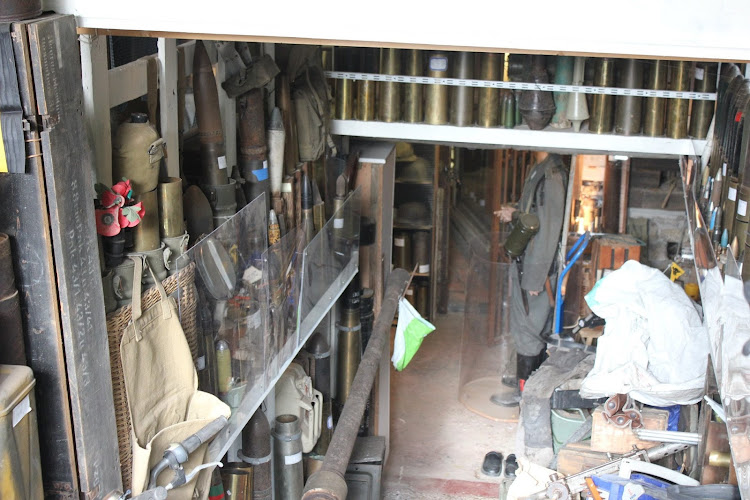
Fort en Bunker Museum M.I.
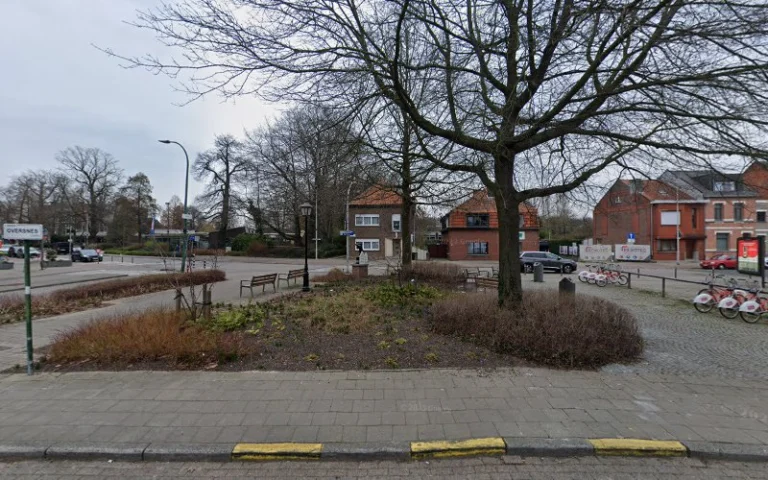
Mały Kazio in Wilrijk
Find Accommodations Nearby
Recommended Tours & Activities
Visitor Reviews
There are no reviews yet. Be the first one to write one.
Share Your Experience
Have you visited Walking in Antwerp? Help other travelers by leaving a review.