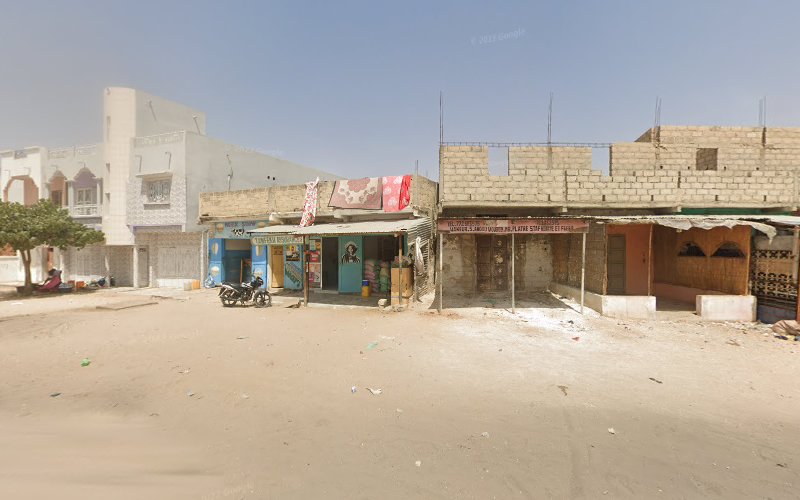
Wakeur S. Abdou Woudod Mb. Platre Staf Ndiaye Et Frere in Diourbel is a family-run plastering and decorative stone workshop known for preserving traditional Sahelian techniques while incorporating modern finishes.
Highlights & Key Features
Working plaster (plâtre staf) workshop right on the N3 in Diourbel, easy to spot and access.
Opportunity to observe mold casting, trimming, sanding, and assembly—great for craft and design lovers.
Range of designs: ceiling roses, cornices, wall medallions, corner pieces, and geometric borders.
Custom sizing possible if you bring measurements; staff can advise on installation.
Informal, friendly atmosphere where questions are welcome—French and Wolof are most useful.
Cash-based transactions in West African CFA francs; prices are typically posted per piece or negotiated on the spot.
Practical packing for transport; smaller items are easier to carry by hand or in a suitcase.
Good photography etiquette expected—ask before taking close-ups of people and molds.
Convenient location near other everyday stops on the N3, so you can combine it with the market or a tea break.
Plus Code MQ5M+C65 is handy to share with a taxi driver when you don’t have a street address.
Visitor Guide & Information
Wakeur S. Abdou Woudod Mb. Platre Staf Ndiaye Et Frere in Diourbel is a family-run plastering and decorative stone workshop known for preserving traditional Sahelian techniques while incorporating modern finishes. Visitors can observe artisans hand-mixing lime-based plasters, carving geometric motifs, and applying pigment washes that have been passed down through three generations. The site also offers a compact display of finished panels and structural samples that illustrate practical applications for homes, courtyards, and public facades.
Community & Insider Notes
Last modified September 18, 2025
Wakeur S. Abdou Woudod Mb. Platre Staf Ndiaye Et Frere in Diourbel is a family-run plastering and decorative stone workshop known for preserving traditional Sahelian techniques while incorporating modern finishes. Visitors can observe artisans hand-mixing lime-based plasters, carving geometric motifs, and applying pigment washes that have been passed down through three generations. The site also offers a compact display of finished panels and structural samples that illustrate practical applications for homes, courtyards, and public facades.
Working plaster (plâtre staf) workshop right on the N3 in Diourbel, easy to spot and access.
Opportunity to observe mold casting, trimming, sanding, and assembly—great for craft and design lovers.
Range of designs: ceiling roses, cornices, wall medallions, corner pieces, and geometric borders.
Custom sizing possible if you bring measurements; staff can advise on installation.
Informal, friendly atmosphere where questions are welcome—French and Wolof are most useful.
Cash-based transactions in West African CFA francs; prices are typically posted per piece or negotiated on the spot.
Practical packing for transport; smaller items are easier to carry by hand or in a suitcase.
Good photography etiquette expected—ask before taking close-ups of people and molds.
Convenient location near other everyday stops on the N3, so you can combine it with the market or a tea break.
Plus Code MQ5M+C65 is handy to share with a taxi driver when you don’t have a street address.
Location
Places to Stay Near Wakeur S. Abdou Woudod Mb. Platre Staf Ndiaye Et Frere
If you’re curious about everyday craftsmanship in Senegal and you enjoy meeting the people behind the work, set aside an hour for Wakeur S. Abdou Woudod Mb. Platre Staf Ndiaye Et Frere in Diourbel. Tucked along the N3 road at the Plus Code MQ5M+C65, this small, family-run workshop focuses on “plâtre staf”—cast plaster used for ceiling roses, cornices, wall medallions, and decorative friezes you’ll notice all over homes and prayer rooms in central Senegal. It’s the kind of stop that doesn’t show up on glossy itineraries, yet it adds real texture to a road trip through the Diourbel region.
The first thing I noticed stepping off the N3 was the white dust. A soft layer of gypsum settles on the floor and on the edges of wooden molds stacked like a library of shapes. There’s a distinct mineral smell—clean, slightly chalky—and the faint rhythm of scraping and sanding. At Wakeur S. Abdou Woudod Mb. Platre Staf Ndiaye Et Frere, work is done in view of the street: buckets, mixing paddles, forms laid out to dry in the sun, and artisans checking the crispness of a pattern with careful fingers.
Much of the appeal is simply watching the process. A mix of plaster and water is poured into silicone or wooden molds, sometimes reinforced with jute or mesh for strength. The artisan taps the mold to release bubbles, smooths the back, and leaves it to set. Larger ceiling pieces may be assembled from multiple sections, with hand-carved details added once the plaster is firm. If you’re lucky with timing, you might see a full ceiling rose come out—each leaf and bead suddenly visible as the mold peels away.
Unlike a formal showroom, the space is fluid—part workshop, part storage, part storefront. Pieces lean against walls or hang from rafters, and you can compare patterns side by side: classical rosettes, geometric borders that pair well with modern rooms, floral fluting, and occasionally Arabic calligraphic motifs popular in local interiors. The name “Platre Staf Ndiaye Et Frere” signals a sibling-run operation; it’s common in Diourbel for trade knowledge to pass between brothers or cousins, and that family rhythm shows in how they split tasks and chat with visitors.
What struck me most was how approachable everyone was. If you ask politely, they’ll explain which mixtures work best for humid seasons, how they measure for doorframes and ceilings, and how they pack pieces to survive the region’s bumpy roads. Don’t expect fancy packaging—think cardboard, plastic sheeting, and clever rope work—but things are practical and surprisingly robust. If you’re considering a custom commission, bring measurements; they can scale many designs.
For travelers, Wakeur S. Abdou Woudod Mb. Platre Staf Ndiaye Et Frere is also a snapshot of Diourbel’s economy beyond the peanut markets and the big buses. It’s the hands-on side of homebuilding in Senegal—a place where style is shaped with simple tools and repetition, where skill is measured in clean edges and symmetry. Even if you’re not shopping, the visit adds context to the decorative ceilings you’ll notice later in guesthouses and restaurants along the N3.
Key Features
Working plaster (plâtre staf) workshop right on the N3 in Diourbel, easy to spot and access.
Opportunity to observe mold casting, trimming, sanding, and assembly—great for craft and design lovers.
Range of designs: ceiling roses, cornices, wall medallions, corner pieces, and geometric borders.
Custom sizing possible if you bring measurements; staff can advise on installation.
Informal, friendly atmosphere where questions are welcome—French and Wolof are most useful.
Cash-based transactions in West African CFA francs; prices are typically posted per piece or negotiated on the spot.
Practical packing for transport; smaller items are easier to carry by hand or in a suitcase.
Good photography etiquette expected—ask before taking close-ups of people and molds.
Convenient location near other everyday stops on the N3, so you can combine it with the market or a tea break.
Plus Code MQ5M+C65 is handy to share with a taxi driver when you don’t have a street address.
Best Time to Visit
Diourbel is warm year-round, with a long dry season roughly from November to May and a rainy season from June to October. For a workshop visit, drier months are ideal. The plaster sets faster in the heat, meaning you’ll see more pieces coming out of molds—and there’s less chance of a sudden downpour interrupting the workflow.
Mornings are the sweet spot. Around 9:00–11:00 is when the day’s first batches are often being cast and trimmed. Midday heat can be strong, especially from March to May, and many workers pace themselves with breaks. Late afternoon (around 16:00–17:30) can also be lively as pieces are moved to storage or prepared for pickup.
Fridays are prayer-heavy days and the pace may slow around midday. During large regional events, especially when traffic to Touba surges, the N3 can feel congested and dusty; plan a morning visit to avoid the busiest hours. The rainy season changes the rhythm—work continues, but moisture in the air can lengthen drying times and push more effort indoors.
How to Get There
Wakeur S. Abdou Woudod Mb. Platre Staf Ndiaye Et Frere sits along the N3 in Diourbel, which makes it straightforward to reach whether you’re coming from Dakar, Thiès, or Touba. If you’re self-driving from Dakar, the quickest route typically uses the toll highways toward Thiès and then follows the N3 east to Diourbel. Depending on traffic and your route choice, expect roughly 3–4 hours. The benefit of driving is simple roadside parking close to the workshop; pull fully off the pavement and watch for sand shoulders.
From Thiès, it’s a direct hop on the N3. From Touba or Mbacké, Diourbel is usually under an hour by car. If you rely on public transport, look for sept-place shared taxis at the main “gare routière” in Dakar or Thiès and ask for Diourbel. Once in Diourbel, you can switch to a local taxi or a moto-taxi (often called “jakarta”). Show the driver the Plus Code “MQ5M+C65” or say you’re going to the plâtre/staff workshop of Ndiaye et Frère on the N3; locals often know these craft clusters by family name and trade.
Ride-hailing apps thin out outside greater Dakar, so it’s best to organize transport the conventional way: agree on the fare before you get in, carry small bills, and keep the journey simple. Some drivers may call the place by a shorter name (for instance, “Platre Ndiaye”), so having the description “atelier de plâtre sur la N3” ready helps.
If you’re combining the visit with errands, you’ll find snacks, corner shops, and small hardware stores along this stretch of the N3. This part of Diourbel is utilitarian—workshops, freight trucks, tire repairs—so it’s easy to weave the stop into a practical day around town.
Tips for Visiting
Go early: Arrive mid-morning to catch casting and finishing while temperatures are comfortable and activity is steady.
Ask first, shoot second: Always request permission before photographing people or detailed molds. A simple “Waaw, maa ngi laaj?” in Wolof or “Je peux prendre une photo?” in French goes a long way.
Bring measurements: If you’re considering a purchase, jot down ceiling diameters, cornice lengths, or frame widths. A small tape measure in your daypack is gold.
Plan for dust: Closed shoes help on the workshop floor, and a lightweight mask or scarf is useful if you’re sensitive to fine powder.
Carry cash: Transactions are usually cash-only in CFA. Bring small denominations for smoother bargaining and to avoid change issues.
Discuss packing: Ask how they’ll wrap your pieces and whether adding extra protection is possible. Smaller rosettes travel best in hand luggage with clothing as padding.
Set expectations on timing: Custom pieces may need curing time. Clarify pickup or delivery windows if you’re on a tight schedule.
Learn a few phrases: Basic Wolof greetings (like “Asalaam aleekum” and “Nanga def?”) and French trade terms (like “corniche,” “moulure,” “plafonnier”) make conversations smoother.
Mind the road: The N3 is busy; look both ways before stepping off the shoulder, and keep an eye on passing trucks when you’re admiring pieces outside.
Respect prayer breaks: If work pauses, be patient. Use the pause to examine finished pieces or enjoy a quick attaya tea nearby if offered.
As a travel experience, visiting Wakeur S. Abdou Woudod Mb. Platre Staf Ndiaye Et Frere is less about big-ticket sightseeing and more about noticing the details that shape daily life in Diourbel. The workshop adds depth to any Senegal road trip along the N3: you’ll see how homes get their decorative flair, meet craftspeople who take quiet pride in clean lines and precise curves, and leave with a better eye for the ceilings above your head at the next café. If you’re building or renovating back home, this stop might even spark a design idea you can carry with you—measured in centimeters and remembered in plaster dust.
Explore verified points of interest within walking or short transit distance.
No neighboring places mapped within 5 km yet.
Find Places to Stay Nearby
Stay22 provides this accommodation search. We may earn a commission if you book through it; verify current prices and terms with the provider.
🗺️
Interactive accommodation map requires marketing cookies to display live rates.
Recommended Experiences & Activities
GetYourGuide provides this tour inventory. We may earn a commission if you book through it; verify current availability, prices, and terms with the provider.
Top Viator Experiences & Guided Tours in Diourbel
We may earn a commission if you book through links on this page at no extra cost to you. All tours feature verified customer reviews and flexible cancellation options.