
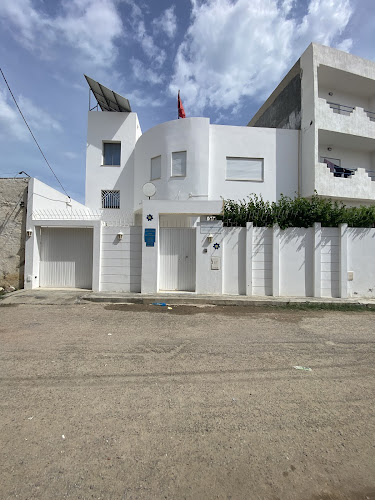
Voix De L’enfant Mahdia
About Voix De L’enfant Mahdia
Description
If you ever find yourself seeking a place that humbly tugs at your heartstrings while quietly shaping the future of its community, Voix De L’enfant Mahdia is, in my opinion, a hidden gem worth your time and genuine curiosity. This isn’t a typical tourist destination—there are no ticket booths or guided tours. Instead, it’s an operational orphanage: a living, breathing pillar of local hope for children who don’t have the privileges we sometimes take for granted. Now, before you get ideas of sad faces and somber silence, let me stop you right there. The children here are just like any kids—spirited, playful, a little mischievous even (I’ve visited similar places before, and there’s always that unmistakable sound of laughter echoing off the courtyards). Voix De L’enfant Mahdia’s walls don’t just house orphaned kids but nurture bright futures, with devoted staff doing everything from homework help to organizing small music recitals when someone secures a battered guitar.
There’s a quiet sense of purpose through these halls—one that’s not always loud or showy, but certainly powerful. While not a museum or glitzy landmark, Voix De L’enfant Mahdia offers a unique lens into Tunisia’s spirit of generosity and resilience. It’s humbling, honestly, how little things—like a shared meal or new school supplies—spark a sense of belonging and hope. And yes, you as a traveler can respectfully witness this, or even get involved a bit, if that’s your thing. It’s the sort of spot where your visit will linger in your thoughts long after you’ve moved on to Mahdia’s famous beaches or lively souks.
I’ve always believed in learning about cultures through their compassion, not just their monuments. Here, you don’t just peek at history—you get a snapshot of real, ongoing stories. I’d say, for those who crave meaningful travel, stopping by Voix De L’enfant Mahdia isn’t about sightseeing so much as heart-seeing. Just remember: be respectful, open, and ready to exchange not just smiles but maybe a few life lessons, too.
Key Features
- True Community Impact: Voix De L’enfant Mahdia is at the frontline of social responsibility in Mahdia, providing shelter, care, and educational support for orphaned children—many of whom have overcome more adversity than most adults I know.
- Welcoming Atmosphere: Despite the challenges, there’s a feeling of warmth and camaraderie here. The children aren’t kept hidden; they’re encouraged to interact, play, and even teach visitors a few words in Arabic or French (quite a humbling experience if you ever try!).
- Volunteer Opportunities: If you have a day or two to spare, the orphanage welcomes visitors willing to lend a hand—whether it’s helping with after-school activities, reading stories, or joining in on a spontaneous art session. No need to be a pro, just bring your enthusiasm (and maybe some patience… kids are wonderfully unpredictable).
- Cultural Insight: This place offers travelers a first-hand look into the realities and aspirations of local youth. I’ve found it’s the perfect antidote to the “touristy” experiences, grounding your trip in something authentic and meaningful.
- Donations Done Right: Should you wish, the staff will gladly guide you on what’s needed most—from simple stationery to essential hygiene products. There’s transparency here, too; you can see exactly how your contributions are used for the kids’ benefit.
- Sustainable Operation: The orphanage is locally managed, prioritizing long-term stability and ethical childcare practices rather than fleeting charity. It’s inspiring how dedicated the caretakers are—no clocking out at 5 PM when kids need you round the clock.
- Events & Celebrations: On certain holidays and milestones, the orphanage holds low-key but lively gatherings. If your timing’s right, you might witness a birthday celebration, Eid festivities, or even a community art show put together by the children.
- Peaceful Courtyard Garden: There’s a lovely outdoor area that serves as the main play and social space. It’s nothing fancy, but there’s genuine happiness in the way kids race around. On a warm day, it feels almost meditative.
- Local Partnerships: The orphanage regularly works with Mahdia’s schools, markets, and health professionals, making it a genuine part of the city’s fabric instead of a tucked-away institution.
Best Time to Visit
Let me just say, there isn’t really a “peak tourist season” for visiting Voix De L’enfant Mahdia—which is refreshing, right? Most folks hit Mahdia during those golden summer months, especially from May through September, when the weather is near perfect. That said, if you can handle a bit of heat, you’ll find the orphanage welcoming year-round, except during occasional local holidays when activities might be a little scaled back. Temperatures in spring (March to May) and autumn (late September through November) are ideal, generally mellow and pleasant, which means outdoor activities and playtime with the children are in full swing.
Avoid coming during Ramadan unless you’re aware of its quiet rhythms and respectful of staff being stretched a bit thinner. Personally, I found my own visit more fulfilling when I came on a weekday in early autumn; the kids had just gone back to school, energy was high, and the staff wasn’t overwhelmed by crowds. And if you really want to see the place come alive, coordinate your visit with a local festival or a special occasion like International Children’s Day (June 1st). You’d be amazed how much happiness one event can generate here—it’s contagious.
How to Get There
Mahdia itself is pretty accessible from most Tunisian cities—there’s a reliable mix of buses, louages (shared taxis), and trains, which are honestly something I’d recommend if you want to soak up those little local moments. If you’re coming from the capital Tunis, the train journey is scenic but can be a bit long—think slow travel, not the bullet train! From Sousse or Monastir, you’ve got quicker connections. Once you’re in Mahdia, taxis are plentiful and affordable. Just make sure to confirm the fare in advance—my one piece of hard-earned advice after an awkward haggling session last spring.
The orphanage sits quietly within the city, so you won’t need a 4x4 or hiking boots. Public transport will get you fairly close, and walking is always my favorite way to unravel a new neighborhood. And hey, if you get lost (which I do, almost without fail), just ask a local or a shopkeeper; most people are genuinely happy to point you in the right direction. There’s something disarming about asking for directions in a mix of English and French gestures, trust me.
Tips for Visiting
- Plan Ahead: Contact the orphanage in advance if you’re hoping to do more than just drop by for a quick hello. This isn’t a place for unplanned drop-ins—the kids’ routine comes first, always.
- Dress Appropriately: Tunisia is fairly relaxed, but the orphanage appreciates respectful attire. Think light, modest clothing; you’ll blend in better and show respect for the staff and kids.
- Be Culturally Sensitive: It can’t be overstated—your approach matters. Avoid flash photography, and don’t assume everyone welcomes being photographed. Ask, or better yet, let the children take a selfie of their own if they want (it turns into a fun icebreaker, honestly).
- Don’t Overpromise: If you want to bring gifts or donations, check first what’s genuinely needed—stuffed animals might sound great but sometimes medicine or school supplies are way more helpful.
- Language: While Arabic is the main language here, French is widely spoken, and you can usually get by with a smile, a few phrases, and a dose of patience. The staff is friendly and keen to bridge language gaps.
- Listen First, Act Second: When volunteering or interacting, let the staff guide you. They know the kids best. Sometimes help means joining a game; other times it’s just sitting and listening.
- Leave Expectations at the Door: Kids are kids everywhere—some are shy, some want to play, some just eye you with curiosity. Don’t expect Hollywood movie moments. The magic is in the little interactions.
- Safety First: Standard visitor safety and privacy guidelines apply—don’t share photos online without permission, and respect everyone’s boundaries, even if you mean well.
- Bring an Open Heart (and maybe a sense of humor): This isn’t luxury travel, it’s real life in all its unpredictability. I’ve come away from places like this with less cynicism and a lot more hope.
Voix De L’enfant Mahdia isn’t just another dot on the map; it’s a testament to kindness and determination. While it doesn’t shout for the world’s attention, it quietly demonstrates
Key Features
- Key Features
- Best Time to Visit
- How to Get There
- Tips for Visiting
More Details
Updated July 1, 2025
Table of Contents
Description
If you ever find yourself seeking a place that humbly tugs at your heartstrings while quietly shaping the future of its community, Voix De L’enfant Mahdia is, in my opinion, a hidden gem worth your time and genuine curiosity. This isn’t a typical tourist destination—there are no ticket booths or guided tours. Instead, it’s an operational orphanage: a living, breathing pillar of local hope for children who don’t have the privileges we sometimes take for granted. Now, before you get ideas of sad faces and somber silence, let me stop you right there. The children here are just like any kids—spirited, playful, a little mischievous even (I’ve visited similar places before, and there’s always that unmistakable sound of laughter echoing off the courtyards). Voix De L’enfant Mahdia’s walls don’t just house orphaned kids but nurture bright futures, with devoted staff doing everything from homework help to organizing small music recitals when someone secures a battered guitar.
There’s a quiet sense of purpose through these halls—one that’s not always loud or showy, but certainly powerful. While not a museum or glitzy landmark, Voix De L’enfant Mahdia offers a unique lens into Tunisia’s spirit of generosity and resilience. It’s humbling, honestly, how little things—like a shared meal or new school supplies—spark a sense of belonging and hope. And yes, you as a traveler can respectfully witness this, or even get involved a bit, if that’s your thing. It’s the sort of spot where your visit will linger in your thoughts long after you’ve moved on to Mahdia’s famous beaches or lively souks.
I’ve always believed in learning about cultures through their compassion, not just their monuments. Here, you don’t just peek at history—you get a snapshot of real, ongoing stories. I’d say, for those who crave meaningful travel, stopping by Voix De L’enfant Mahdia isn’t about sightseeing so much as heart-seeing. Just remember: be respectful, open, and ready to exchange not just smiles but maybe a few life lessons, too.
Key Features
- True Community Impact: Voix De L’enfant Mahdia is at the frontline of social responsibility in Mahdia, providing shelter, care, and educational support for orphaned children—many of whom have overcome more adversity than most adults I know.
- Welcoming Atmosphere: Despite the challenges, there’s a feeling of warmth and camaraderie here. The children aren’t kept hidden; they’re encouraged to interact, play, and even teach visitors a few words in Arabic or French (quite a humbling experience if you ever try!).
- Volunteer Opportunities: If you have a day or two to spare, the orphanage welcomes visitors willing to lend a hand—whether it’s helping with after-school activities, reading stories, or joining in on a spontaneous art session. No need to be a pro, just bring your enthusiasm (and maybe some patience… kids are wonderfully unpredictable).
- Cultural Insight: This place offers travelers a first-hand look into the realities and aspirations of local youth. I’ve found it’s the perfect antidote to the “touristy” experiences, grounding your trip in something authentic and meaningful.
- Donations Done Right: Should you wish, the staff will gladly guide you on what’s needed most—from simple stationery to essential hygiene products. There’s transparency here, too; you can see exactly how your contributions are used for the kids’ benefit.
- Sustainable Operation: The orphanage is locally managed, prioritizing long-term stability and ethical childcare practices rather than fleeting charity. It’s inspiring how dedicated the caretakers are—no clocking out at 5 PM when kids need you round the clock.
- Events & Celebrations: On certain holidays and milestones, the orphanage holds low-key but lively gatherings. If your timing’s right, you might witness a birthday celebration, Eid festivities, or even a community art show put together by the children.
- Peaceful Courtyard Garden: There’s a lovely outdoor area that serves as the main play and social space. It’s nothing fancy, but there’s genuine happiness in the way kids race around. On a warm day, it feels almost meditative.
- Local Partnerships: The orphanage regularly works with Mahdia’s schools, markets, and health professionals, making it a genuine part of the city’s fabric instead of a tucked-away institution.
Best Time to Visit
Let me just say, there isn’t really a “peak tourist season” for visiting Voix De L’enfant Mahdia—which is refreshing, right? Most folks hit Mahdia during those golden summer months, especially from May through September, when the weather is near perfect. That said, if you can handle a bit of heat, you’ll find the orphanage welcoming year-round, except during occasional local holidays when activities might be a little scaled back. Temperatures in spring (March to May) and autumn (late September through November) are ideal, generally mellow and pleasant, which means outdoor activities and playtime with the children are in full swing.
Avoid coming during Ramadan unless you’re aware of its quiet rhythms and respectful of staff being stretched a bit thinner. Personally, I found my own visit more fulfilling when I came on a weekday in early autumn; the kids had just gone back to school, energy was high, and the staff wasn’t overwhelmed by crowds. And if you really want to see the place come alive, coordinate your visit with a local festival or a special occasion like International Children’s Day (June 1st). You’d be amazed how much happiness one event can generate here—it’s contagious.
How to Get There
Mahdia itself is pretty accessible from most Tunisian cities—there’s a reliable mix of buses, louages (shared taxis), and trains, which are honestly something I’d recommend if you want to soak up those little local moments. If you’re coming from the capital Tunis, the train journey is scenic but can be a bit long—think slow travel, not the bullet train! From Sousse or Monastir, you’ve got quicker connections. Once you’re in Mahdia, taxis are plentiful and affordable. Just make sure to confirm the fare in advance—my one piece of hard-earned advice after an awkward haggling session last spring.
The orphanage sits quietly within the city, so you won’t need a 4×4 or hiking boots. Public transport will get you fairly close, and walking is always my favorite way to unravel a new neighborhood. And hey, if you get lost (which I do, almost without fail), just ask a local or a shopkeeper; most people are genuinely happy to point you in the right direction. There’s something disarming about asking for directions in a mix of English and French gestures, trust me.
Tips for Visiting
- Plan Ahead: Contact the orphanage in advance if you’re hoping to do more than just drop by for a quick hello. This isn’t a place for unplanned drop-ins—the kids’ routine comes first, always.
- Dress Appropriately: Tunisia is fairly relaxed, but the orphanage appreciates respectful attire. Think light, modest clothing; you’ll blend in better and show respect for the staff and kids.
- Be Culturally Sensitive: It can’t be overstated—your approach matters. Avoid flash photography, and don’t assume everyone welcomes being photographed. Ask, or better yet, let the children take a selfie of their own if they want (it turns into a fun icebreaker, honestly).
- Don’t Overpromise: If you want to bring gifts or donations, check first what’s genuinely needed—stuffed animals might sound great but sometimes medicine or school supplies are way more helpful.
- Language: While Arabic is the main language here, French is widely spoken, and you can usually get by with a smile, a few phrases, and a dose of patience. The staff is friendly and keen to bridge language gaps.
- Listen First, Act Second: When volunteering or interacting, let the staff guide you. They know the kids best. Sometimes help means joining a game; other times it’s just sitting and listening.
- Leave Expectations at the Door: Kids are kids everywhere—some are shy, some want to play, some just eye you with curiosity. Don’t expect Hollywood movie moments. The magic is in the little interactions.
- Safety First: Standard visitor safety and privacy guidelines apply—don’t share photos online without permission, and respect everyone’s boundaries, even if you mean well.
- Bring an Open Heart (and maybe a sense of humor): This isn’t luxury travel, it’s real life in all its unpredictability. I’ve come away from places like this with less cynicism and a lot more hope.
Voix De L’enfant Mahdia isn’t just another dot on the map; it’s a testament to kindness and determination. While it doesn’t shout for the world’s attention, it quietly demonstrates
Key Highlights
- Key Features
- Best Time to Visit
- How to Get There
- Tips for Visiting
Location
Places to Stay Near Voix De L’enfant Mahdia
Find and Book a Tour
Explore More Travel Guides
No reviews found! Be the first to review!
Traveler Reviews for Voix De L’enfant Mahdia
There are no reviews yet. Be the first one to write one.
Have you visited Voix De L’enfant Mahdia? Help other travelers by sharing your review.
You Might Also Like
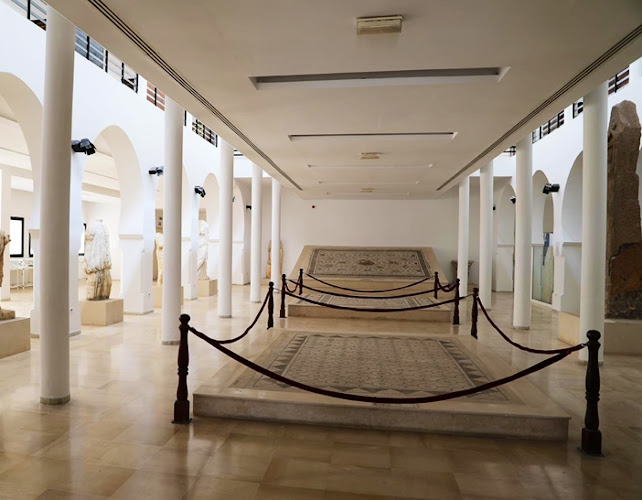
Mahdia Archaeological Museum

Mahdia shipwreck
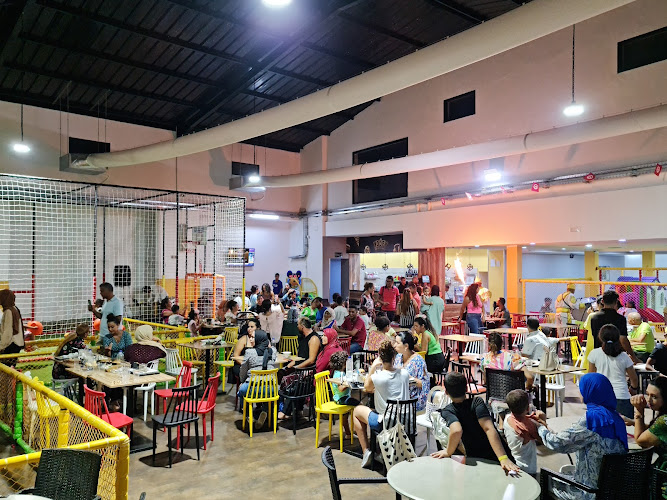
Yoopy Park Mahdia
Find Accommodations Nearby
Recommended Tours & Activities
Visitor Reviews
There are no reviews yet. Be the first one to write one.
Share Your Experience
Have you visited Voix De L’enfant Mahdia? Help other travelers by leaving a review.