
Mahdia Archaeological Museum
About Mahdia Archaeological Museum
Description
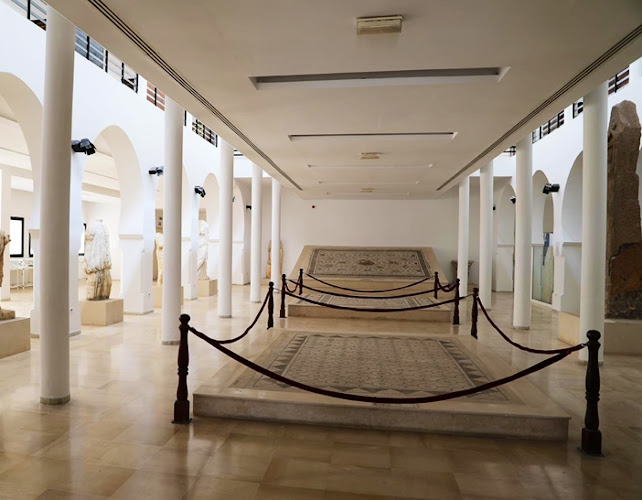
Now, look—I’m not usually the first one to sign up for a museum tour (ask my family, they’re still laughing about me getting lost in the British Museum for two hours), but the Mahdia Archaeological Museum is a spot I always tell travelers is worth wandering into. This isn’t just another hall of ancient pots and dusty relics shoved behind glass; there’s really a sense of story here. The museum feels more like a treasure hunt through Mahdia’s unruly, eccentric past, and I swear I left with more questions—and more ideas—than I arrived with.
The main draw, in my humble opinion, has to be the mosaics. I mean, these are no boring floor tiles. We’re talking about expansive, mind-boggling Roman and early-Christian works that seem to burst with color even after all these centuries. Every time I visit, I find myself poring over the little details in the scenes—like the fisherman struggling with a fat, wriggling fish, or the goddess stealing the show in a swirl of ancient blues and reds. And don’t even get me started on the Islamic artifacts; standing in front of one of those old wooden doors, battered and beautiful, I get this rush imagining the hands that built Mahdia from the ground up.
Not to get too poetic, but the building itself has that lived-in charm—a friendly sort of sturdiness, with cool stone walls and natural light that seems to make the golds and reds of the mosaics just sing. Staff are welcoming and genuinely happy to share stories, which is great if you’re like me and love an impromptu history lesson. Kids, by the way, don’t just survive here, they thrive. There’s room to wander, touchable displays, and just enough mystery to spark a little Indiana Jones inside (or maybe a future curator). Accessibility-wise, they really mean it; wheelchair users get proper restrooms and thoughtful layouts, which gives everyone a bit more breathing room.
One caveat: you won’t find a snazzy museum café here, so bring your own snacks and maybe fuel up before you go. To me, that’s part of the charm—it’s all about the history, not pricey cappuccinos.
Key Features
- Exquisite Roman and Byzantine mosaics, many uniquely preserved and vibrant
- Well-curated Islamic artifacts including intricate doors, pottery, and jewelry from medieval Mahdia
- Sarcophagi, tools, coins, and everyday objects from across the city’s tumultuous history
- Family-friendly, hands-on displays and open spaces for younger explorers
- Wheelchair accessible with suitable restrooms, making it hassle-free for everyone
- Passionate staff who are local history buffs, always up for storytelling or answering quirky trivia
- Intimate atmosphere—you never quite feel rushed or crowded, even in high season
- Exhibits connect the dots from ancient Punic traders to Islamic caliphs, with clear stories in English, French, and Arabic
- Quiet corners for reflection (and the occasional daydream about being an archaeologist… not that I do that, ahem)
- Reasonable entry fee, so it won’t eat up your dinar for the day
Best Time to Visit
If you ask five different locals when to visit, you’ll get six different answers (trust me, I’ve tried). But I always nudge folks toward late spring or early autumn. From April to June, and again in September or October, Mahdia glows with fewer tourist crowds but still enjoys mellow sunshine. The temperatures hover in the comfortable low to mid-20s Celsius—perfect for lingering indoors without breaking a sweat or freezing in the Mediterranean’s rare cold snaps.
I’ll admit: I once popped in at the tail end of a wild summer squall, and I basically had the museum to myself. If you’re into solitude for reflection or sketching, aim for weekday mornings or afternoons outside of Tunisian school holidays. Bonus: the light slanting through the windows at about 11 am makes those mosaics look straight-up magical. Skip Friday afternoons if possible, since a lot of local folks drop by then.
One more insider tip—during the annual Mediterranean Nights festival, the town buzzes with energy and the museum sometimes hosts special, limited-time exhibits or tours. If you time your visit for festival week, you just might stumble onto something you’d never see on a typical day.
How to Get There
Alright, let’s break this down. Mahdia is a coastal beauty, and the museum sits comfortably within walking distance of the medina (the old town, for you first-timers). If you’re coming from Tunis, hop on the Sahel Metro line—a train journey with slow-burning, scenic sea views and a gentle rattle that’ll throw you right into vacation mode. When you hop off at Mahdia’s main station, it’s a short, pleasant stroll (about 15–20 minutes); you’ll pass little bakeries sending out the smell of fresh brik and mango carts, irresistible stuff if some carbs call your name.
From Sousse or Monastir, a regional bus is your best bet—affordable and surprisingly efficient. Taxis in Mahdia are cheerful and inexpensive, plus drivers will usually drop you right at the entrance for a few extra dinars (always ask for the meter, though—I’ve earned that little lesson the hard way). Mahdia’s winding streets can be surprisingly easy to navigate by foot, and honestly, that’s my preferred way to explore the neighborhood’s hidden archways, wall graffiti, and elderly gentlemen playing chess under shady trees. There’s decent signage for the museum, but don’t hesitate to ask around—locals are famously friendly, and sometimes their directions come with personal stories to boot.
If you’re driving, public parking is available nearby—it’s not free, and it’s not fancy, but it works. Try not to park right at midday; the streets fill up during the lunch rush and you might find yourself looping the block.
Tips for Visiting
First things first: bring a bottle of water, especially in the summer. The museum itself is cool and inviting, but humidity creeps up indoors. And since there’s no restaurant on-site, slip a snack into your bag—just remember, no eating inside the exhibit halls unless you want a (gentle) word from a staff member.
If you want to get the most from your visit, budget at least 60–90 minutes. I’ve zipped through in under an hour, but every time I do, I regret not slowing down for one last look at the tiny mosaic details. Yes, there are English descriptions, but chatting with the staff brings those artifacts to life in a way no text panel ever could. Don’t be shy—they love a curious traveler and often share tidbits you won’t find anywhere else.
Photography’s usually permitted for personal use (no flash, though), but double-check at the front desk in case special exhibitions have stricter rules. If you’re into sketching or journaling, bring your supplies—the museum’s mix of art and history gives endless inspiration, and there are benches perfect for getting lost in the moment.
If you’re traveling with kids, prep them for the “do not touch” signs but let them take the lead when it comes to curiosity. There’s a timeless sort of fun in playing “ancient artifact detective”—even I secretly enjoy piecing together what daily life must’ve looked like here centuries ago. Wheelchair users and those needing extra mobility support will find the layout accommodating, but there can be occasional steps or uneven stones near certain outside areas, so give the front desk a heads-up if you have specific needs.
Lastly, bring an open mind. Unlike sprawling capital museums, the Mahdia Archaeological Museum offers intimacy over quantity—meaning you can linger, reflect, and make real memories with Mahdia’s captivating past. Don’t rush, and don’t be afraid to wander off the “official” path—you never know which artifact, or moment, will stick with you long after you leave.
Key Features
- Exquisite Roman and Byzantine mosaics, many uniquely preserved and vibrant
- Well-curated Islamic artifacts including intricate doors, pottery, and jewelry from medieval Mahdia
- Sarcophagi, tools, coins, and everyday objects from across the city’s tumultuous history
- Family-friendly, hands-on displays and open spaces for younger explorers
- Wheelchair accessible with suitable restrooms, making it hassle-free for everyone
- Passionate staff who are local history buffs, always up for storytelling or answering quirky trivia
- Intimate atmosphere—you never quite feel rushed or crowded, even in high season
- Exhibits connect the dots from ancient Punic traders to Islamic caliphs, with clear stories in English, French, and Arabic
More Details
Updated July 2, 2025
Table of Contents
Description
Now, look—I’m not usually the first one to sign up for a museum tour (ask my family, they’re still laughing about me getting lost in the British Museum for two hours), but the Mahdia Archaeological Museum is a spot I always tell travelers is worth wandering into. This isn’t just another hall of ancient pots and dusty relics shoved behind glass; there’s really a sense of story here. The museum feels more like a treasure hunt through Mahdia’s unruly, eccentric past, and I swear I left with more questions—and more ideas—than I arrived with.
The main draw, in my humble opinion, has to be the mosaics. I mean, these are no boring floor tiles. We’re talking about expansive, mind-boggling Roman and early-Christian works that seem to burst with color even after all these centuries. Every time I visit, I find myself poring over the little details in the scenes—like the fisherman struggling with a fat, wriggling fish, or the goddess stealing the show in a swirl of ancient blues and reds. And don’t even get me started on the Islamic artifacts; standing in front of one of those old wooden doors, battered and beautiful, I get this rush imagining the hands that built Mahdia from the ground up.
Not to get too poetic, but the building itself has that lived-in charm—a friendly sort of sturdiness, with cool stone walls and natural light that seems to make the golds and reds of the mosaics just sing. Staff are welcoming and genuinely happy to share stories, which is great if you’re like me and love an impromptu history lesson. Kids, by the way, don’t just survive here, they thrive. There’s room to wander, touchable displays, and just enough mystery to spark a little Indiana Jones inside (or maybe a future curator). Accessibility-wise, they really mean it; wheelchair users get proper restrooms and thoughtful layouts, which gives everyone a bit more breathing room.
One caveat: you won’t find a snazzy museum café here, so bring your own snacks and maybe fuel up before you go. To me, that’s part of the charm—it’s all about the history, not pricey cappuccinos.
Key Features
- Exquisite Roman and Byzantine mosaics, many uniquely preserved and vibrant
- Well-curated Islamic artifacts including intricate doors, pottery, and jewelry from medieval Mahdia
- Sarcophagi, tools, coins, and everyday objects from across the city’s tumultuous history
- Family-friendly, hands-on displays and open spaces for younger explorers
- Wheelchair accessible with suitable restrooms, making it hassle-free for everyone
- Passionate staff who are local history buffs, always up for storytelling or answering quirky trivia
- Intimate atmosphere—you never quite feel rushed or crowded, even in high season
- Exhibits connect the dots from ancient Punic traders to Islamic caliphs, with clear stories in English, French, and Arabic
- Quiet corners for reflection (and the occasional daydream about being an archaeologist… not that I do that, ahem)
- Reasonable entry fee, so it won’t eat up your dinar for the day
Best Time to Visit
If you ask five different locals when to visit, you’ll get six different answers (trust me, I’ve tried). But I always nudge folks toward late spring or early autumn. From April to June, and again in September or October, Mahdia glows with fewer tourist crowds but still enjoys mellow sunshine. The temperatures hover in the comfortable low to mid-20s Celsius—perfect for lingering indoors without breaking a sweat or freezing in the Mediterranean’s rare cold snaps.
I’ll admit: I once popped in at the tail end of a wild summer squall, and I basically had the museum to myself. If you’re into solitude for reflection or sketching, aim for weekday mornings or afternoons outside of Tunisian school holidays. Bonus: the light slanting through the windows at about 11 am makes those mosaics look straight-up magical. Skip Friday afternoons if possible, since a lot of local folks drop by then.
One more insider tip—during the annual Mediterranean Nights festival, the town buzzes with energy and the museum sometimes hosts special, limited-time exhibits or tours. If you time your visit for festival week, you just might stumble onto something you’d never see on a typical day.
How to Get There
Alright, let’s break this down. Mahdia is a coastal beauty, and the museum sits comfortably within walking distance of the medina (the old town, for you first-timers). If you’re coming from Tunis, hop on the Sahel Metro line—a train journey with slow-burning, scenic sea views and a gentle rattle that’ll throw you right into vacation mode. When you hop off at Mahdia’s main station, it’s a short, pleasant stroll (about 15–20 minutes); you’ll pass little bakeries sending out the smell of fresh brik and mango carts, irresistible stuff if some carbs call your name.
From Sousse or Monastir, a regional bus is your best bet—affordable and surprisingly efficient. Taxis in Mahdia are cheerful and inexpensive, plus drivers will usually drop you right at the entrance for a few extra dinars (always ask for the meter, though—I’ve earned that little lesson the hard way). Mahdia’s winding streets can be surprisingly easy to navigate by foot, and honestly, that’s my preferred way to explore the neighborhood’s hidden archways, wall graffiti, and elderly gentlemen playing chess under shady trees. There’s decent signage for the museum, but don’t hesitate to ask around—locals are famously friendly, and sometimes their directions come with personal stories to boot.
If you’re driving, public parking is available nearby—it’s not free, and it’s not fancy, but it works. Try not to park right at midday; the streets fill up during the lunch rush and you might find yourself looping the block.
Tips for Visiting
First things first: bring a bottle of water, especially in the summer. The museum itself is cool and inviting, but humidity creeps up indoors. And since there’s no restaurant on-site, slip a snack into your bag—just remember, no eating inside the exhibit halls unless you want a (gentle) word from a staff member.
If you want to get the most from your visit, budget at least 60–90 minutes. I’ve zipped through in under an hour, but every time I do, I regret not slowing down for one last look at the tiny mosaic details. Yes, there are English descriptions, but chatting with the staff brings those artifacts to life in a way no text panel ever could. Don’t be shy—they love a curious traveler and often share tidbits you won’t find anywhere else.
Photography’s usually permitted for personal use (no flash, though), but double-check at the front desk in case special exhibitions have stricter rules. If you’re into sketching or journaling, bring your supplies—the museum’s mix of art and history gives endless inspiration, and there are benches perfect for getting lost in the moment.
If you’re traveling with kids, prep them for the “do not touch” signs but let them take the lead when it comes to curiosity. There’s a timeless sort of fun in playing “ancient artifact detective”—even I secretly enjoy piecing together what daily life must’ve looked like here centuries ago. Wheelchair users and those needing extra mobility support will find the layout accommodating, but there can be occasional steps or uneven stones near certain outside areas, so give the front desk a heads-up if you have specific needs.
Lastly, bring an open mind. Unlike sprawling capital museums, the Mahdia Archaeological Museum offers intimacy over quantity—meaning you can linger, reflect, and make real memories with Mahdia’s captivating past. Don’t rush, and don’t be afraid to wander off the “official” path—you never know which artifact, or moment, will stick with you long after you leave.
Key Highlights
- Exquisite Roman and Byzantine mosaics, many uniquely preserved and vibrant
- Well-curated Islamic artifacts including intricate doors, pottery, and jewelry from medieval Mahdia
- Sarcophagi, tools, coins, and everyday objects from across the city’s tumultuous history
- Family-friendly, hands-on displays and open spaces for younger explorers
- Wheelchair accessible with suitable restrooms, making it hassle-free for everyone
- Passionate staff who are local history buffs, always up for storytelling or answering quirky trivia
- Intimate atmosphere—you never quite feel rushed or crowded, even in high season
- Exhibits connect the dots from ancient Punic traders to Islamic caliphs, with clear stories in English, French, and Arabic
Location
Places to Stay Near Mahdia Archaeological Museum
Find and Book a Tour
Explore More Travel Guides
No reviews found! Be the first to review!
Traveler Reviews for Mahdia Archaeological Museum
There are no reviews yet. Be the first one to write one.
Have you visited Mahdia Archaeological Museum? Help other travelers by sharing your review.
You Might Also Like
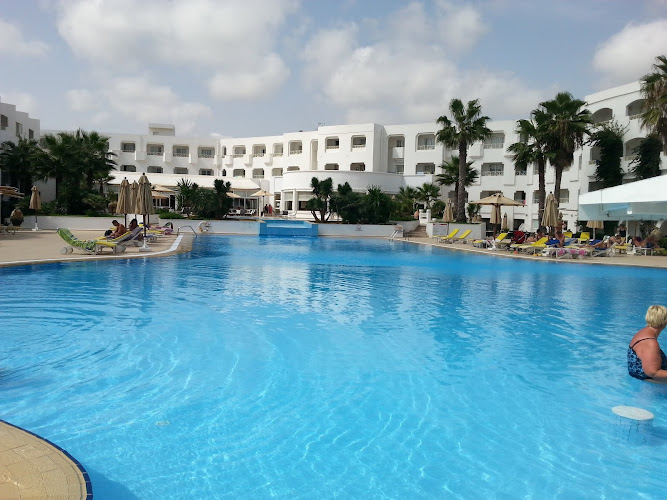
Mahdia
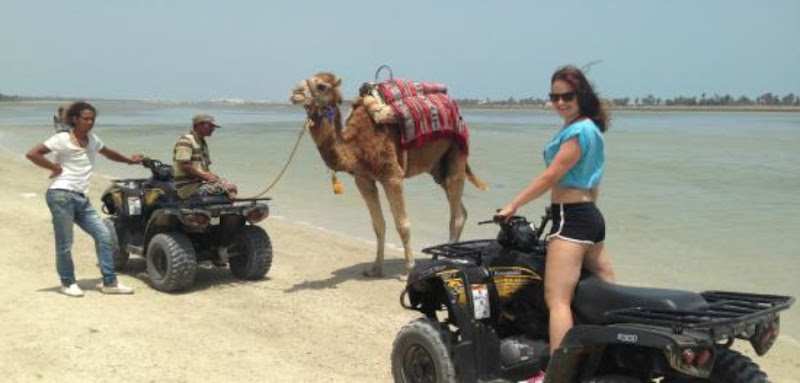
Quad Mahdia
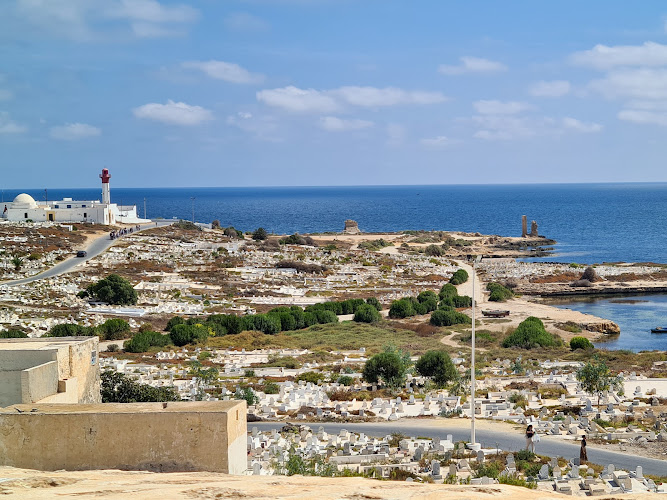
Mahdia Marin Cemetery
Find Accommodations Nearby
Recommended Tours & Activities
Visitor Reviews
There are no reviews yet. Be the first one to write one.
Share Your Experience
Have you visited Mahdia Archaeological Museum? Help other travelers by leaving a review.