
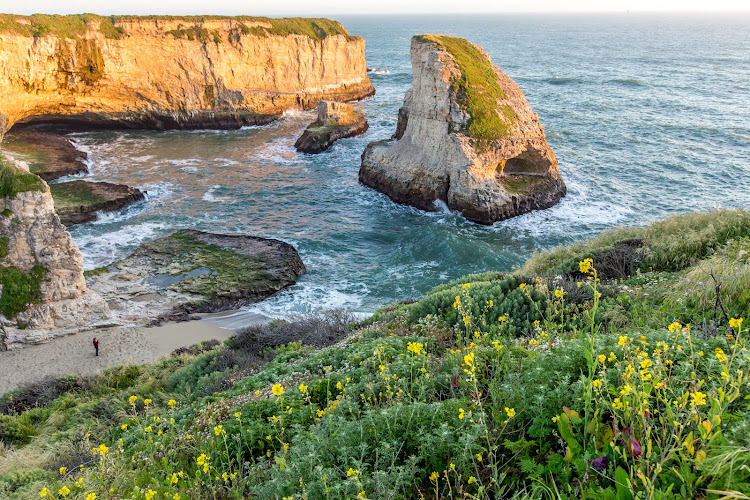
Visit Santa Cruz County
About Visit Santa Cruz County
Description
Santa Cruz County offers travelers an authentic California coastal experience that goes beyond the typical tourist traps you'll find elsewhere along the Golden State's shoreline. This destination combines rugged natural beauty with laid-back beach culture, creating an atmosphere that feels genuinely welcoming rather than commercialized. The region stretches across diverse landscapes that'll surprise you with their variety. You've got pristine beaches where surfers catch waves alongside families building sandcastles, plus redwood forests that make you feel like you've stepped into another world entirely. And honestly, there's something pretty magical about being able to hike through ancient trees in the morning and watch the sunset over the Pacific in the evening. What strikes most visitors is how accessible everything feels here. The county has made real efforts to ensure that travelers with mobility challenges can enjoy the main attractions without hassle. Wheelchair-accessible entrances and parking areas are standard rather than an afterthought, which speaks to the community's inclusive approach to tourism. The local culture reflects California's progressive spirit while maintaining that small-town charm that's becoming harder to find. You'll encounter farmers markets where vendors actually grew what they're selling, art galleries showcasing local talent, and restaurants that source ingredients from nearby farms. It's the kind of place where conversations with strangers happen naturally, and you might leave with genuine local recommendations rather than rehearsed tourist spiels. Santa Cruz County attracts visitors who appreciate authenticity over flash. The accommodations range from cozy bed-and-breakfasts to vacation rentals where you can actually imagine living, not just staying. Most travelers find themselves extending their visits because there's always another hiking trail to explore or beach to discover.Key Features
Santa Cruz County delivers experiences that cater to different travel styles and interests, making it a destination where you can truly customize your adventure: • **Coastal Access**: Miles of accessible beaches provide opportunities for swimming, surfing, and beachcombing, with several locations offering adaptive equipment rentals for visitors with disabilities • **Redwood Forests**: Ancient groves offer hiking trails of varying difficulty levels, including paved paths suitable for wheelchairs and strollers • **Agricultural Tourism**: Working farms and vineyards welcome visitors for tours, tastings, and seasonal harvest experiences that connect you directly with local food production • **Surf Culture**: Authentic surf towns where you can learn to ride waves or simply observe the local surf community in action • **Artisan Communities**: Local craftspeople and artists open their studios to visitors, offering workshops and demonstrations of traditional techniques • **Wildlife Viewing**: Marine sanctuaries and coastal areas provide excellent opportunities to spot sea otters, seals, and migrating whales • **Historic Attractions**: Well-preserved sites tell the story of California's development, from Native American heritage to the Gold Rush era • **Outdoor Recreation**: Beyond beaches and forests, the county offers mountain biking, kayaking, and rock climbing suitable for various skill levels • **Culinary Scene**: Farm-to-table restaurants and local breweries showcase regional flavors without the pretentiousness found in some California food destinations • **Festival Calendar**: Year-round events celebrate everything from strawberries to jazz music, giving visitors chances to experience local traditionsBest Time to Visit
Planning your Santa Cruz County visit depends on what kind of experience you're seeking, and frankly, each season offers distinct advantages that other destinations can't match. Summer months from June through August bring the warmest weather and longest days, but they also bring the crowds. Beach towns get busy, parking becomes competitive, and accommodation prices peak. However, this is when the county truly comes alive with outdoor festivals, farmers markets overflow with produce, and the ocean reaches its most swimmable temperatures. Fall emerges as many travelers' favorite season here. September through November offers what locals call "secret summer" – warm, dry days with fewer tourists and that golden California light photographers dream about. The harvest season means wineries and farms are at their most active, and you'll find the best deals on lodging. Winter visitors discover a completely different Santa Cruz County. December through February brings rain that transforms the landscape into an emerald paradise. Redwood forests become mystical with fog, and storm watching from the coast provides dramatic entertainment. Plus, this is whale migration season, offering some of the year's best marine wildlife viewing. Spring arrives early here, with March through May delivering mild temperatures and wildflower blooms. The county shakes off its winter quietness, and locals seem eager to share their favorite spots with returning visitors. This season offers the best balance of good weather and reasonable prices. My personal recommendation? Visit during shoulder seasons if you can swing it. The weather remains pleasant, locals have more time to chat, and you'll experience the county more like residents do rather than as a tourist attraction.How to Get There
Getting to Santa Cruz County is straightforward, though your transportation choice will shape your experience once you arrive. Flying into San Francisco International Airport puts you about 90 minutes away by car, depending on traffic and your final destination within the county. The drive takes you through some beautiful California scenery, and having a rental car gives you the freedom to explore the county's scattered attractions at your own pace. San Jose Airport offers another option, typically with a shorter drive time of about 45 minutes to most Santa Cruz County destinations. This airport often has better deals on flights and rental cars, plus the route feels less urban than the San Francisco approach. For those preferring not to drive, public transportation exists but requires some planning. Bus connections from major airports work, though they take considerably longer than driving. Some visitors fly into San Francisco or San Jose, then take public transit to Santa Cruz, and rely on local buses and rideshare services during their stay. Driving from other California destinations is popular, especially from Los Angeles (about 6 hours) or Sacramento (about 3 hours). The coastal Highway 1 approach offers stunning ocean views but takes longer than inland routes. Interstate 17 from San Jose provides the fastest access to most county attractions. Train enthusiasts can take Amtrak to San Jose, then connect via bus service. It's not the quickest option, but it's scenic and stress-free if you're not in a hurry. Whatever your arrival method, I'd recommend having access to a car during your stay. Santa Cruz County's best features are spread across diverse terrain, and public transportation, while improving, doesn't reach all the places you'll want to explore.Tips for Visiting
Santa Cruz County rewards visitors who come prepared but stay flexible. Here's what I've learned from multiple visits and conversations with locals who've seen countless tourists make the same mistakes. Pack layers, and I mean really commit to this advice. Coastal California weather changes dramatically throughout a single day. You might start your morning in shorts and end up needing a jacket by evening. The marine layer that rolls in can drop temperatures by 20 degrees in minutes. Always bring a warm layer, even in summer. Parking requires strategy, especially in popular coastal areas. Arrive early at beach destinations, particularly on weekends. Many lots fill by 10 AM during peak season. Consider staying within walking distance of attractions you're most excited about, or plan to use alternative transportation for busy areas. Make restaurant reservations where possible. The county's best dining spots often have limited seating, and waiting for tables can eat up precious vacation time. That said, some of the best meals come from food trucks and casual spots that don't take reservations, so leave room for spontaneity. Tipping culture here follows California standards, meaning 18-20% at restaurants and bars. Many establishments add service charges for larger groups, so check your bill before adding additional tips. Respect wildlife viewing etiquette. Keep your distance from marine animals, don't feed seagulls (seriously, they become aggressive), and follow posted guidelines at beaches and parks. Rangers and lifeguards take these rules seriously, and violations can result in fines. Download offline maps before heading into redwood forests or remote coastal areas. Cell service can be spotty, and GPS sometimes leads people astray on back roads. Having offline navigation prevents frustrating detours. Water activities require preparation. Ocean conditions change rapidly, and even experienced swimmers can get caught off-guard by currents or cold water. Check local conditions, swim near lifeguarded beaches when possible, and consider wetsuit rentals for extended water time. Budget for parking fees at state parks and beaches. Most charge daily use fees, though annual passes make sense if you're staying longer or planning return visits. Keep cash handy for parking meters in downtown areas. Support local businesses when you can. Chain stores and restaurants exist, but the county's character comes from family-owned shops, local breweries, and restaurants run by people who live here year-round. These businesses often provide the most memorable experiences and insider knowledge about hidden gems. Plan around traffic patterns if you're visiting multiple areas. Highway 1 gets congested during commute hours and summer weekends. Build extra time into your schedule, or use traffic delays as opportunities to stop at roadside produce stands or scenic overlooks you might otherwise pass by.Key Features
- Visitor information and personalized trip planning
- Local event listings and seasonal highlights
- Promotion of sustainable and community-focused tourism
- Connections to beaches, redwoods, and agricultural experiences
- Resources for lodging, dining, and local tours
More Details
Updated September 14, 2025
Table of Contents
Description
Santa Cruz County offers travelers an authentic California coastal experience that goes beyond the typical tourist traps you’ll find elsewhere along the Golden State’s shoreline. This destination combines rugged natural beauty with laid-back beach culture, creating an atmosphere that feels genuinely welcoming rather than commercialized.
The region stretches across diverse landscapes that’ll surprise you with their variety. You’ve got pristine beaches where surfers catch waves alongside families building sandcastles, plus redwood forests that make you feel like you’ve stepped into another world entirely. And honestly, there’s something pretty magical about being able to hike through ancient trees in the morning and watch the sunset over the Pacific in the evening.
What strikes most visitors is how accessible everything feels here. The county has made real efforts to ensure that travelers with mobility challenges can enjoy the main attractions without hassle. Wheelchair-accessible entrances and parking areas are standard rather than an afterthought, which speaks to the community’s inclusive approach to tourism.
The local culture reflects California’s progressive spirit while maintaining that small-town charm that’s becoming harder to find. You’ll encounter farmers markets where vendors actually grew what they’re selling, art galleries showcasing local talent, and restaurants that source ingredients from nearby farms. It’s the kind of place where conversations with strangers happen naturally, and you might leave with genuine local recommendations rather than rehearsed tourist spiels.
Santa Cruz County attracts visitors who appreciate authenticity over flash. The accommodations range from cozy bed-and-breakfasts to vacation rentals where you can actually imagine living, not just staying. Most travelers find themselves extending their visits because there’s always another hiking trail to explore or beach to discover.
Key Features
Santa Cruz County delivers experiences that cater to different travel styles and interests, making it a destination where you can truly customize your adventure:
• **Coastal Access**: Miles of accessible beaches provide opportunities for swimming, surfing, and beachcombing, with several locations offering adaptive equipment rentals for visitors with disabilities
• **Redwood Forests**: Ancient groves offer hiking trails of varying difficulty levels, including paved paths suitable for wheelchairs and strollers
• **Agricultural Tourism**: Working farms and vineyards welcome visitors for tours, tastings, and seasonal harvest experiences that connect you directly with local food production
• **Surf Culture**: Authentic surf towns where you can learn to ride waves or simply observe the local surf community in action
• **Artisan Communities**: Local craftspeople and artists open their studios to visitors, offering workshops and demonstrations of traditional techniques
• **Wildlife Viewing**: Marine sanctuaries and coastal areas provide excellent opportunities to spot sea otters, seals, and migrating whales
• **Historic Attractions**: Well-preserved sites tell the story of California’s development, from Native American heritage to the Gold Rush era
• **Outdoor Recreation**: Beyond beaches and forests, the county offers mountain biking, kayaking, and rock climbing suitable for various skill levels
• **Culinary Scene**: Farm-to-table restaurants and local breweries showcase regional flavors without the pretentiousness found in some California food destinations
• **Festival Calendar**: Year-round events celebrate everything from strawberries to jazz music, giving visitors chances to experience local traditions
Best Time to Visit
Planning your Santa Cruz County visit depends on what kind of experience you’re seeking, and frankly, each season offers distinct advantages that other destinations can’t match.
Summer months from June through August bring the warmest weather and longest days, but they also bring the crowds. Beach towns get busy, parking becomes competitive, and accommodation prices peak. However, this is when the county truly comes alive with outdoor festivals, farmers markets overflow with produce, and the ocean reaches its most swimmable temperatures.
Fall emerges as many travelers’ favorite season here. September through November offers what locals call “secret summer” – warm, dry days with fewer tourists and that golden California light photographers dream about. The harvest season means wineries and farms are at their most active, and you’ll find the best deals on lodging.
Winter visitors discover a completely different Santa Cruz County. December through February brings rain that transforms the landscape into an emerald paradise. Redwood forests become mystical with fog, and storm watching from the coast provides dramatic entertainment. Plus, this is whale migration season, offering some of the year’s best marine wildlife viewing.
Spring arrives early here, with March through May delivering mild temperatures and wildflower blooms. The county shakes off its winter quietness, and locals seem eager to share their favorite spots with returning visitors. This season offers the best balance of good weather and reasonable prices.
My personal recommendation? Visit during shoulder seasons if you can swing it. The weather remains pleasant, locals have more time to chat, and you’ll experience the county more like residents do rather than as a tourist attraction.
How to Get There
Getting to Santa Cruz County is straightforward, though your transportation choice will shape your experience once you arrive.
Flying into San Francisco International Airport puts you about 90 minutes away by car, depending on traffic and your final destination within the county. The drive takes you through some beautiful California scenery, and having a rental car gives you the freedom to explore the county’s scattered attractions at your own pace.
San Jose Airport offers another option, typically with a shorter drive time of about 45 minutes to most Santa Cruz County destinations. This airport often has better deals on flights and rental cars, plus the route feels less urban than the San Francisco approach.
For those preferring not to drive, public transportation exists but requires some planning. Bus connections from major airports work, though they take considerably longer than driving. Some visitors fly into San Francisco or San Jose, then take public transit to Santa Cruz, and rely on local buses and rideshare services during their stay.
Driving from other California destinations is popular, especially from Los Angeles (about 6 hours) or Sacramento (about 3 hours). The coastal Highway 1 approach offers stunning ocean views but takes longer than inland routes. Interstate 17 from San Jose provides the fastest access to most county attractions.
Train enthusiasts can take Amtrak to San Jose, then connect via bus service. It’s not the quickest option, but it’s scenic and stress-free if you’re not in a hurry.
Whatever your arrival method, I’d recommend having access to a car during your stay. Santa Cruz County’s best features are spread across diverse terrain, and public transportation, while improving, doesn’t reach all the places you’ll want to explore.
Tips for Visiting
Santa Cruz County rewards visitors who come prepared but stay flexible. Here’s what I’ve learned from multiple visits and conversations with locals who’ve seen countless tourists make the same mistakes.
Pack layers, and I mean really commit to this advice. Coastal California weather changes dramatically throughout a single day. You might start your morning in shorts and end up needing a jacket by evening. The marine layer that rolls in can drop temperatures by 20 degrees in minutes. Always bring a warm layer, even in summer.
Parking requires strategy, especially in popular coastal areas. Arrive early at beach destinations, particularly on weekends. Many lots fill by 10 AM during peak season. Consider staying within walking distance of attractions you’re most excited about, or plan to use alternative transportation for busy areas.
Make restaurant reservations where possible. The county’s best dining spots often have limited seating, and waiting for tables can eat up precious vacation time. That said, some of the best meals come from food trucks and casual spots that don’t take reservations, so leave room for spontaneity.
Tipping culture here follows California standards, meaning 18-20% at restaurants and bars. Many establishments add service charges for larger groups, so check your bill before adding additional tips.
Respect wildlife viewing etiquette. Keep your distance from marine animals, don’t feed seagulls (seriously, they become aggressive), and follow posted guidelines at beaches and parks. Rangers and lifeguards take these rules seriously, and violations can result in fines.
Download offline maps before heading into redwood forests or remote coastal areas. Cell service can be spotty, and GPS sometimes leads people astray on back roads. Having offline navigation prevents frustrating detours.
Water activities require preparation. Ocean conditions change rapidly, and even experienced swimmers can get caught off-guard by currents or cold water. Check local conditions, swim near lifeguarded beaches when possible, and consider wetsuit rentals for extended water time.
Budget for parking fees at state parks and beaches. Most charge daily use fees, though annual passes make sense if you’re staying longer or planning return visits. Keep cash handy for parking meters in downtown areas.
Support local businesses when you can. Chain stores and restaurants exist, but the county’s character comes from family-owned shops, local breweries, and restaurants run by people who live here year-round. These businesses often provide the most memorable experiences and insider knowledge about hidden gems.
Plan around traffic patterns if you’re visiting multiple areas. Highway 1 gets congested during commute hours and summer weekends. Build extra time into your schedule, or use traffic delays as opportunities to stop at roadside produce stands or scenic overlooks you might otherwise pass by.
Key Highlights
- Visitor information and personalized trip planning
- Local event listings and seasonal highlights
- Promotion of sustainable and community-focused tourism
- Connections to beaches, redwoods, and agricultural experiences
- Resources for lodging, dining, and local tours
Location
Places to Stay Near Visit Santa Cruz County
Find and Book a Tour
Explore More Travel Guides
No reviews found! Be the first to review!
Traveler Reviews for Visit Santa Cruz County
There are no reviews yet. Be the first one to write one.
Have you visited Visit Santa Cruz County? Help other travelers by sharing your review.
Nearby Attractions
You Might Also Like
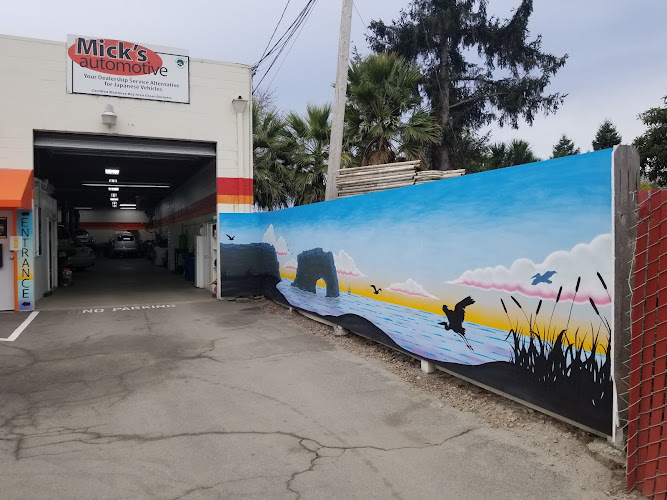
Mick's Automotive - Santa Cruz Auto Repair for imports like Acura, Honda, Lexus, Toyota and Subaru Vehicles

Santa Cruz Mission State Historic Park

Wilder Ranch State Park
Find Accommodations Nearby
Recommended Tours & Activities
Visitor Reviews
There are no reviews yet. Be the first one to write one.
Share Your Experience
Have you visited Visit Santa Cruz County? Help other travelers by leaving a review.