

Vishnupuri
About Vishnupuri
Description
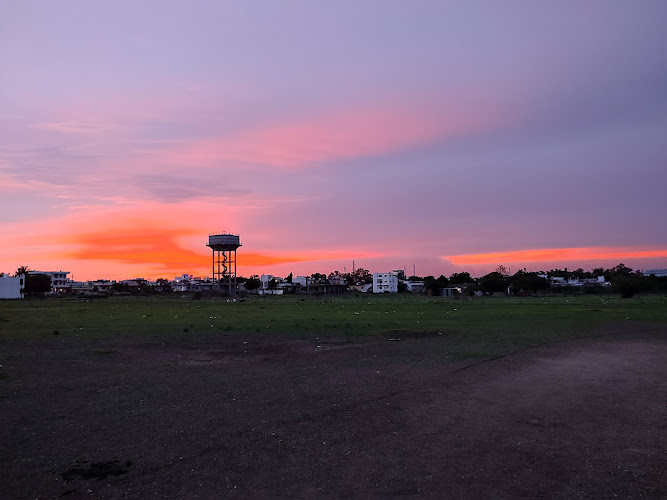
Vishnupuri represents one of those fascinating places that sits right at the intersection of rural tradition and modern development. Located in the Nanded district of Maharashtra, this former village has transformed into something quite different over the past few years - a thriving suburb that offers travelers a unique glimpse into how India's smaller communities are evolving in real-time. I've always found these transitional places incredibly interesting because they offer something you won't find in either fully developed cities or remote villages. Vishnupuri sits just 10 kilometres from Nanded city along the Nanded-Latur highway, and that proximity has shaped its character in remarkable ways. The rapid urbanization here hasn't completely erased the village atmosphere, which creates this intriguing blend that's honestly quite hard to find elsewhere in Maharashtra. What strikes most visitors first is how Vishnupuri maintains certain village characteristics - the warmth of community interactions, the slower pace in residential areas, the presence of agricultural land nearby - while simultaneously offering conveniences that come with being part of a larger urban area. And for travelers looking to understand contemporary India beyond the typical tourist circuits, this kind of place offers invaluable perspective. The settlement serves as a practical base for exploring the broader Nanded region, particularly if you're interested in the significant religious and historical sites that dot this part of Maharashtra. But it's also worth experiencing for its own sake, especially if you want to observe how traditional Maharashtrian life adapts to changing economic and social realities.Key Features
Vishnupuri presents several characteristics that make it noteworthy for travelers seeking authentic experiences: • Strategic location along the Nanded-Latur highway providing excellent connectivity to major destinations in the region • Proximity to Nanded city allowing easy access to urban amenities while maintaining a more relaxed suburban atmosphere • Representation of India's ongoing rural-to-urban transformation, offering insight into contemporary demographic shifts • Lower accommodation costs compared to staying directly in Nanded city center • Access to local Maharashtrian culture and daily life without the tourist-focused modifications common in major cities • Convenient position for day trips to religious sites, particularly those significant to Sikh pilgrims visiting the area • Emerging local markets that blend traditional village commerce with modern retail • Relatively peaceful environment compared to the busier sections of Nanded • Opportunities to interact with locals who've experienced the area's transformation firsthand • Access to authentic regional cuisine at prices more reasonable than tourist-oriented restaurants • Growing infrastructure that includes improved roads and public facilities • Representation of the Marathwada region's characteristic landscape and architectureBest Time to Visit
Timing your visit to Vishnupuri requires understanding Maharashtra's climate patterns, and honestly, this isn't always straightforward because weather can be pretty unpredictable these days. The winter months from November through February offer the most comfortable conditions for travelers. Temperatures during this period typically range from 15 to 28 degrees Celsius, which is absolutely perfect for exploring the area on foot and venturing to nearby attractions. I'd particularly recommend December and January when the weather is at its most pleasant. You'll find clear skies, comfortable temperatures, and minimal rainfall during these months. But here's something to consider - if you're visiting primarily to experience local festivals and cultural events, you might want to plan around the regional calendar. The harvest season brings particular energy to areas like Vishnupuri, and you'll witness celebrations that reflect the agricultural roots of the community. Monsoon season, which runs from June through September, transforms the landscape dramatically. The region receives moderate to heavy rainfall during these months, and while everything becomes greener and more scenic, travel can become challenging. Roads may experience waterlogging, and the humidity can be quite intense. However, if you don't mind these inconveniences, you'll find fewer tourists and a different perspective on local life. Summer months from March through May are genuinely hot. Temperatures can soar above 40 degrees Celsius, making daytime exploration rather uncomfortable. I wouldn't necessarily recommend visiting during this period unless you have specific reasons or you're particularly tolerant of heat. That said, accommodation prices might be lower, and you'll definitely have a more authentic experience since few tourists brave these temperatures. The shoulder seasons - late February to early March and October to early November - offer a middle ground. Weather remains relatively pleasant, and you might catch local events while avoiding peak tourist periods in the broader Nanded region.How to Get There
Getting to Vishnupuri is reasonably straightforward, though it requires some planning depending on where you're starting from. By air, your nearest major airport is in Nanded itself, which connects to major Indian cities including Mumbai, Delhi, and Hyderabad through regular flights. From Nanded airport, Vishnupuri is approximately 15 kilometres away, and you can hire a taxi or use app-based ride services. The drive takes around 20-30 minutes depending on traffic conditions. Rail connectivity to the region is actually quite good. Nanded railway station serves as a major junction on the South Central Railway network, with trains connecting to cities across India. Once you arrive at Nanded station, Vishnupuri is roughly 12 kilometres away. Auto-rickshaws, taxis, and local buses regularly make this journey. If you're comfortable with local transport, the bus is the most economical option, though it might take longer due to multiple stops. Road connectivity is probably the most flexible option if you're already traveling within Maharashtra or neighboring states. Vishnupuri's location on the Nanded-Latur highway means it's well-connected by road. State transport buses run regularly between Nanded and Latur, and most will pass through or near Vishnupuri. Private vehicles can easily navigate the route, and the highway is generally maintained in decent condition. For those coming from Aurangabad, expect a journey of approximately 250 kilometres, which takes around 5-6 hours by road. From Hyderabad, it's roughly 280 kilometres and takes about 5 hours under normal traffic conditions. Local transportation within and around Vishnupuri primarily consists of auto-rickshaws and some shared tempo services. These are affordable and relatively easy to find during daytime hours. However, late evening options might be limited, so plan accordingly.Tips for Visiting
Drawing from observations of travelers who've spent time in similar transitional communities, here are some practical suggestions for making the most of your Vishnupuri visit. Accommodation options in Vishnupuri itself might be limited compared to Nanded city, so it's worth researching and booking in advance if you specifically want to stay here. Alternatively, staying in Nanded and making day visits gives you more choices while still allowing you to experience the area. Language can be a consideration. Marathi is the primary language, though Hindi is widely understood. English proficiency varies considerably, so having a translation app or basic Marathi phrases will enhance your interactions significantly. And honestly, locals really appreciate when visitors make even small efforts to communicate in the local language. Dress modestly, particularly if you're visiting during your exploration of religious sites in the broader region. This isn't just about respect - it's also practical for the climate and helps you avoid unwanted attention. Lightweight, breathable fabrics work best for the warm weather that characterizes much of the year. Food exploration here offers genuine rewards. Don't limit yourself to hotel restaurants if you're staying locally. Small eateries and local establishments serve authentic Maharashtrian cuisine at very reasonable prices. Try regional specialties like pitla bhakri, shrikhand, and various jowar-based preparations. However, if you have a sensitive stomach, stick to freshly cooked hot foods and avoid raw vegetables or unpeeled fruits from street vendors. Cash remains important in areas like Vishnupuri. While digital payment has spread considerably across India, smaller shops and local transport still operate primarily on cash. ATMs are available in the area, but don't assume you'll always find one when needed. Respect local customs and social norms, particularly regarding photography. Always ask permission before photographing people, and be especially sensitive about photographing women. Some situations and places aren't appropriate for casual photography, and being mindful about this shows respect for the community. The pace of life here differs from major tourist destinations. Things might not happen on strict schedules, shops might close unexpectedly, and flexibility becomes your best asset. Rather than fighting this reality, embrace it as part of the authentic experience. Water safety deserves attention. Stick to bottled water for drinking, and be cautious about ice in drinks unless you're confident about the source. This simple precaution prevents many common travel health issues. If you're interested in understanding the area's transformation from village to suburb, engage with longtime residents who can share firsthand accounts of these changes. These conversations often provide insights no guidebook can offer and create meaningful connections that enrich travel experiences far beyond typical sightseeing. Plan your explorations during cooler parts of the day, particularly if visiting during warmer months. Early morning and late afternoon offer the best conditions for walking around and experiencing local life while avoiding the harsh midday heat that characterizes much of the year.Key Features
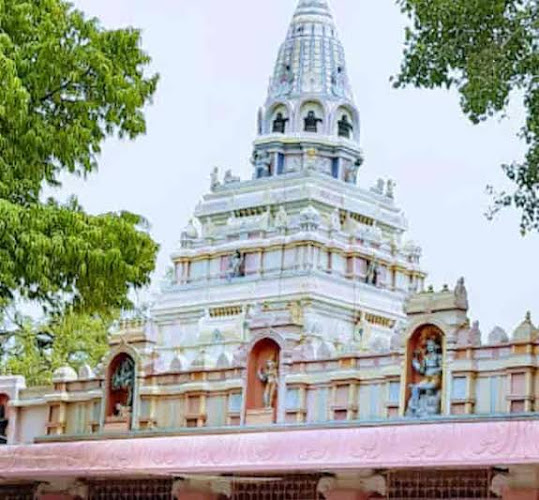
- Kaleshwar Mandir (Shiva temple) with ornate pillars and mythological carvings
- Scenic setting on the banks of the Godavari with a nearby reservoir/dam
- Peaceful, bird-friendly natural environment suitable for short walks
- Close proximity to Nanded city — easy day trip (approx. 8–10 km)
- Local cultural and religious atmosphere, especially during festival days
More Details
Updated March 30, 2026
Table of Contents
Description
Vishnupuri represents one of those fascinating places that sits right at the intersection of rural tradition and modern development. Located in the Nanded district of Maharashtra, this former village has transformed into something quite different over the past few years – a thriving suburb that offers travelers a unique glimpse into how India’s smaller communities are evolving in real-time.
I’ve always found these transitional places incredibly interesting because they offer something you won’t find in either fully developed cities or remote villages. Vishnupuri sits just 10 kilometres from Nanded city along the Nanded-Latur highway, and that proximity has shaped its character in remarkable ways. The rapid urbanization here hasn’t completely erased the village atmosphere, which creates this intriguing blend that’s honestly quite hard to find elsewhere in Maharashtra.
What strikes most visitors first is how Vishnupuri maintains certain village characteristics – the warmth of community interactions, the slower pace in residential areas, the presence of agricultural land nearby – while simultaneously offering conveniences that come with being part of a larger urban area. And for travelers looking to understand contemporary India beyond the typical tourist circuits, this kind of place offers invaluable perspective.
The settlement serves as a practical base for exploring the broader Nanded region, particularly if you’re interested in the significant religious and historical sites that dot this part of Maharashtra. But it’s also worth experiencing for its own sake, especially if you want to observe how traditional Maharashtrian life adapts to changing economic and social realities.
Key Features
Vishnupuri presents several characteristics that make it noteworthy for travelers seeking authentic experiences:
• Strategic location along the Nanded-Latur highway providing excellent connectivity to major destinations in the region
• Proximity to Nanded city allowing easy access to urban amenities while maintaining a more relaxed suburban atmosphere
• Representation of India’s ongoing rural-to-urban transformation, offering insight into contemporary demographic shifts
• Lower accommodation costs compared to staying directly in Nanded city center
• Access to local Maharashtrian culture and daily life without the tourist-focused modifications common in major cities
• Convenient position for day trips to religious sites, particularly those significant to Sikh pilgrims visiting the area
• Emerging local markets that blend traditional village commerce with modern retail
• Relatively peaceful environment compared to the busier sections of Nanded
• Opportunities to interact with locals who’ve experienced the area’s transformation firsthand
• Access to authentic regional cuisine at prices more reasonable than tourist-oriented restaurants
• Growing infrastructure that includes improved roads and public facilities
• Representation of the Marathwada region’s characteristic landscape and architecture
Best Time to Visit
Timing your visit to Vishnupuri requires understanding Maharashtra’s climate patterns, and honestly, this isn’t always straightforward because weather can be pretty unpredictable these days.
The winter months from November through February offer the most comfortable conditions for travelers. Temperatures during this period typically range from 15 to 28 degrees Celsius, which is absolutely perfect for exploring the area on foot and venturing to nearby attractions. I’d particularly recommend December and January when the weather is at its most pleasant. You’ll find clear skies, comfortable temperatures, and minimal rainfall during these months.
But here’s something to consider – if you’re visiting primarily to experience local festivals and cultural events, you might want to plan around the regional calendar. The harvest season brings particular energy to areas like Vishnupuri, and you’ll witness celebrations that reflect the agricultural roots of the community.
Monsoon season, which runs from June through September, transforms the landscape dramatically. The region receives moderate to heavy rainfall during these months, and while everything becomes greener and more scenic, travel can become challenging. Roads may experience waterlogging, and the humidity can be quite intense. However, if you don’t mind these inconveniences, you’ll find fewer tourists and a different perspective on local life.
Summer months from March through May are genuinely hot. Temperatures can soar above 40 degrees Celsius, making daytime exploration rather uncomfortable. I wouldn’t necessarily recommend visiting during this period unless you have specific reasons or you’re particularly tolerant of heat. That said, accommodation prices might be lower, and you’ll definitely have a more authentic experience since few tourists brave these temperatures.
The shoulder seasons – late February to early March and October to early November – offer a middle ground. Weather remains relatively pleasant, and you might catch local events while avoiding peak tourist periods in the broader Nanded region.
How to Get There
Getting to Vishnupuri is reasonably straightforward, though it requires some planning depending on where you’re starting from.
By air, your nearest major airport is in Nanded itself, which connects to major Indian cities including Mumbai, Delhi, and Hyderabad through regular flights. From Nanded airport, Vishnupuri is approximately 15 kilometres away, and you can hire a taxi or use app-based ride services. The drive takes around 20-30 minutes depending on traffic conditions.
Rail connectivity to the region is actually quite good. Nanded railway station serves as a major junction on the South Central Railway network, with trains connecting to cities across India. Once you arrive at Nanded station, Vishnupuri is roughly 12 kilometres away. Auto-rickshaws, taxis, and local buses regularly make this journey. If you’re comfortable with local transport, the bus is the most economical option, though it might take longer due to multiple stops.
Road connectivity is probably the most flexible option if you’re already traveling within Maharashtra or neighboring states. Vishnupuri’s location on the Nanded-Latur highway means it’s well-connected by road. State transport buses run regularly between Nanded and Latur, and most will pass through or near Vishnupuri. Private vehicles can easily navigate the route, and the highway is generally maintained in decent condition.
For those coming from Aurangabad, expect a journey of approximately 250 kilometres, which takes around 5-6 hours by road. From Hyderabad, it’s roughly 280 kilometres and takes about 5 hours under normal traffic conditions.
Local transportation within and around Vishnupuri primarily consists of auto-rickshaws and some shared tempo services. These are affordable and relatively easy to find during daytime hours. However, late evening options might be limited, so plan accordingly.
Tips for Visiting
Drawing from observations of travelers who’ve spent time in similar transitional communities, here are some practical suggestions for making the most of your Vishnupuri visit.
Accommodation options in Vishnupuri itself might be limited compared to Nanded city, so it’s worth researching and booking in advance if you specifically want to stay here. Alternatively, staying in Nanded and making day visits gives you more choices while still allowing you to experience the area.
Language can be a consideration. Marathi is the primary language, though Hindi is widely understood. English proficiency varies considerably, so having a translation app or basic Marathi phrases will enhance your interactions significantly. And honestly, locals really appreciate when visitors make even small efforts to communicate in the local language.
Dress modestly, particularly if you’re visiting during your exploration of religious sites in the broader region. This isn’t just about respect – it’s also practical for the climate and helps you avoid unwanted attention. Lightweight, breathable fabrics work best for the warm weather that characterizes much of the year.
Food exploration here offers genuine rewards. Don’t limit yourself to hotel restaurants if you’re staying locally. Small eateries and local establishments serve authentic Maharashtrian cuisine at very reasonable prices. Try regional specialties like pitla bhakri, shrikhand, and various jowar-based preparations. However, if you have a sensitive stomach, stick to freshly cooked hot foods and avoid raw vegetables or unpeeled fruits from street vendors.
Cash remains important in areas like Vishnupuri. While digital payment has spread considerably across India, smaller shops and local transport still operate primarily on cash. ATMs are available in the area, but don’t assume you’ll always find one when needed.
Respect local customs and social norms, particularly regarding photography. Always ask permission before photographing people, and be especially sensitive about photographing women. Some situations and places aren’t appropriate for casual photography, and being mindful about this shows respect for the community.
The pace of life here differs from major tourist destinations. Things might not happen on strict schedules, shops might close unexpectedly, and flexibility becomes your best asset. Rather than fighting this reality, embrace it as part of the authentic experience.
Water safety deserves attention. Stick to bottled water for drinking, and be cautious about ice in drinks unless you’re confident about the source. This simple precaution prevents many common travel health issues.
If you’re interested in understanding the area’s transformation from village to suburb, engage with longtime residents who can share firsthand accounts of these changes. These conversations often provide insights no guidebook can offer and create meaningful connections that enrich travel experiences far beyond typical sightseeing.
Plan your explorations during cooler parts of the day, particularly if visiting during warmer months. Early morning and late afternoon offer the best conditions for walking around and experiencing local life while avoiding the harsh midday heat that characterizes much of the year.
Key Highlights
- Kaleshwar Mandir (Shiva temple) with ornate pillars and mythological carvings
- Scenic setting on the banks of the Godavari with a nearby reservoir/dam
- Peaceful, bird-friendly natural environment suitable for short walks
- Close proximity to Nanded city — easy day trip (approx. 8–10 km)
- Local cultural and religious atmosphere, especially during festival days
Location
Places to Stay Near Vishnupuri
Find and Book a Tour
Explore More Travel Guides
No reviews found! Be the first to review!
Vishnupuri is a prominent Attractions located in Nanded.
Traveler Reviews for Vishnupuri
There are no reviews yet. Be the first one to write one.
Have you visited Vishnupuri? Help other travelers by sharing your review.
Nearby Attractions
You Might Also Like

Ashtvinayak Nagar
Gopalchawdi
Nanded
Find Accommodations Nearby
Recommended Tours & Activities
Visitor Reviews
There are no reviews yet. Be the first one to write one.
Share Your Experience
Have you visited Vishnupuri? Help other travelers by leaving a review.