
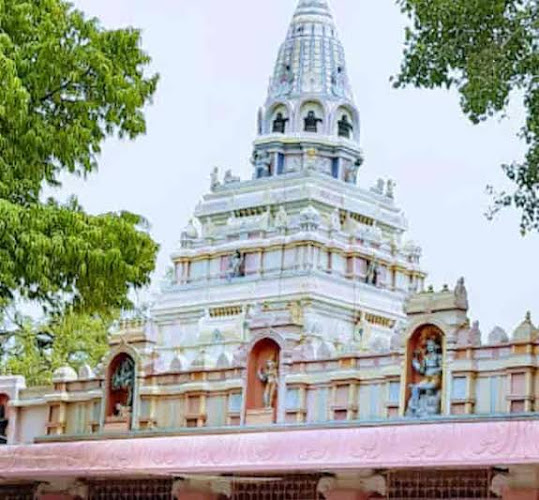
Nanded
About Nanded
Description
Nanded sits on the banks of the Godavari River in Maharashtra, and honestly, it's one of those places that surprises you in the best way possible. As the tenth largest city in Maharashtra and home to over 550,000 people, this historic destination punches well above its weight when it comes to spiritual significance and cultural richness. Most travelers know it primarily as one of Sikhism's holiest sites, but there's so much more beneath the surface. The city breathes history from every corner. Walking through Nanded, you'll notice how the old and new coexist in this fascinating dance—ancient gurudwaras stand alongside modern shopping complexes, and traditional sweet shops serve customers who've been coming for generations while new cafes pop up nearby. It's the kind of place where your morning might start with the peaceful sounds of prayers echoing from Takht Sachkhand Sri Hazur Sahib and end with you trying street food at the bustling evening markets. What really strikes you about Nanded is how it manages to maintain its authenticity despite being a major pilgrimage destination. The city doesn't feel like it's performing for tourists. Life goes on here with a rhythm that's been established over centuries, and visitors are simply invited to experience it alongside the locals. And that's exactly what makes it special—you're not watching from the outside; you become part of the story, even if just for a few days. The Marathwada region's second-largest city serves as a perfect base for understanding the deeper cultural currents of this part of India. The Godavari River shapes both the geography and the soul of the place, providing a serene backdrop to daily life. During my last visit, I spent an evening just sitting by the riverbank, watching families gather and pilgrims perform their rituals, and it struck me how water has been the constant thread connecting generations of people to this land.Key Features
The attractions and experiences in Nanded offer travelers a genuine look into spiritual India while providing enough variety to keep everyone engaged:- Takht Sachkhand Sri Hazur Sahib - One of the five temporal authorities of Sikhism, this magnificent gurudwara marks the place where Guru Gobind Singh, the tenth Sikh guru, left his mortal body in 1708. The white marble structure with its golden dome is absolutely breathtaking, especially during early morning prayers
- The Godavari River Ghats - These ancient stone steps leading down to the river provide a peaceful retreat where locals and visitors gather for evening walks, prayers, and quiet contemplation. The sunset views here are something you won't forget quickly
- Kandhar Fort - Located about 22 kilometers from the main city, this historical fortification dates back to the 10th century and offers panoramic views of the surrounding countryside. The climb up is worth every step
- Mahur - Roughly 90 kilometers away, this pilgrimage site dedicated to Goddess Renuka attracts both Hindu and Buddhist devotees and makes for an excellent day trip
- Gurudwara Nagina Ghat - Built on the cremation site of Guru Gobind Singh, this sacred spot along the Godavari holds immense spiritual significance for Sikh pilgrims
- Local Markets - The bazaars around the old city area sell everything from religious artifacts to traditional Maharashtrian textiles and jewelry. The food markets are particularly worth exploring if you're into authentic regional cuisine
- Nanded Fort - Often overlooked by visitors who focus solely on religious sites, this fort has witnessed numerous historical events and provides interesting insights into the region's military past
Best Time to Visit
Timing your visit to Nanded can make a huge difference in your experience. The city experiences typical Maharashtrian weather patterns, which means scorching summers, a monsoon season that transforms everything, and pleasant winters. October through March is hands down the best period to plan your trip. The temperatures during these months hover between 15 to 30 degrees Celsius, making it comfortable for sightseeing and outdoor activities. I made the mistake once of visiting in May, and let me tell you, walking around in 45-degree heat is nobody's idea of a good time. The winter months let you explore without constantly seeking shade or downing bottles of water every fifteen minutes. But here's something interesting—if you can handle the heat and don't mind occasional rain showers, visiting during the monsoon months of July and August has its own charm. The Godavari swells with fresh water, the surrounding landscapes turn lush green, and the overall atmosphere becomes quite romantic in a way. Just pack appropriate rain gear and be prepared for some plans to change due to weather. The city sees significant crowds during specific religious occasions, particularly around Guru Gobind Singh's birthday celebrations (usually in January) and other important Sikh festivals. If you're interested in witnessing grand religious celebrations with thousands of devotees, these are perfect times to visit. However, if crowds aren't your thing and you prefer a quieter, more contemplative experience, you might want to avoid these peak periods. November and February strike that sweet spot where the weather is perfect, and you won't be fighting massive crowds for accommodation or darshan at the gurudwaras. These months also coincide with pleasant evenings that are ideal for riverside walks and exploring the city on foot.How to Get There
Getting to Nanded has become increasingly convenient over the years, with multiple transportation options connecting it to major Indian cities. By air, Nanded Airport serves the city with regular flights from Delhi, Mumbai, and Hyderabad. The airport sits about 7 kilometers from the city center, and you can easily grab an auto-rickshaw or taxi from there. The flight connections have improved significantly in recent years, making air travel a viable option for those coming from farther regions. Train travel remains the most popular option for reaching Nanded. The Nanded Railway Station is a major junction on the South Central Railway network. Trains connect Nanded directly to Mumbai, Pune, Hyderabad, Delhi, Bengaluru, and numerous other cities. The Sachkhand Express, which runs between Amritsar and Nanded, is particularly popular among Sikh pilgrims. I've taken overnight trains to Nanded several times, and there's something quite special about waking up as your train crosses the bridges over the Godavari into the city. Road connectivity is excellent if you're driving or taking a bus. The city lies on National Highway 161, and state-run as well as private buses operate regular services from Hyderabad (about 270 kilometers away), Pune (around 450 kilometers), and Aurangabad (approximately 300 kilometers). The roads have improved dramatically over the past decade, making road trips quite comfortable. From Hyderabad, the drive takes roughly 5-6 hours depending on traffic, and you'll pass through some interesting small towns along the way. The route from Pune is longer but takes you through varied landscapes that showcase different aspects of Maharashtra's geography.Tips for Visiting
Making the most of your Nanded experience requires some practical knowledge that guidebooks don't always cover. Dress modestly, especially when visiting religious sites. At Takht Sachkhand Sri Hazur Sahib and other gurudwaras, you'll need to cover your head (scarves are usually available at the entrance if you forget), remove your shoes, and wash your feet before entering. Keep your shoulders and knees covered out of respect. The langar (community kitchen) at Hazur Sahib serves free meals to all visitors regardless of religion or background. Participating in langar is one of the most profound experiences you can have—sitting on the floor with hundreds of others, sharing simple food in complete equality. Don't skip this experience just because you're staying at a fancy hotel. Language-wise, Marathi is predominantly spoken, though you'll find Hindi widely understood. English works in tourist areas and hotels, but learning a few Marathi phrases will earn you smiles and better interactions with locals. Even a simple "Namaskar" goes a long way. Accommodation ranges from budget guesthouses to decent mid-range hotels. Book in advance during festival periods because rooms fill up quickly. Many dharamshalas (pilgrim rest houses) near the gurudwaras offer very affordable or free accommodation, though facilities are basic. Food in Nanded deserves special attention. The city offers excellent Maharashtrian cuisine—try the local bhakris, pithla, and the various vada pavs that each stall swears are the best in the city. The sweet shops serve amazing traditional desserts that you won't find easily elsewhere. But be cautious with street food if you have a sensitive stomach; choose busy stalls where food turnover is high. Photography is generally allowed in public areas but restricted inside some parts of the gurudwaras. Always ask permission before photographing people, especially during religious ceremonies. Some of my best photos from Nanded aren't of monuments but of everyday moments—vendors arranging their wares, children playing by the river, elderly men discussing philosophy over chai. Hire local guides for historical sites like Kandhar Fort. Their stories and historical knowledge add layers of understanding that you'd miss otherwise. And they're usually quite affordable. Keep smaller denomination currency handy. Auto-rickshaw drivers often claim they don't have change, and smaller shops genuinely might not be able to break large notes. Finally, slow down. Nanded isn't a place you rush through ticking boxes on an itinerary. It's a city that reveals itself gradually through conversations, observations, and quiet moments. Give yourself time to just be there without constantly moving to the next attraction. That's when Nanded really gets under your skin and stays with you long after you've left.Key Features
- Hazur Sahib Gurudwara — major Sikh pilgrimage site with ornate architecture
- Godavari Riverfront and ghats — boating, sunrise views, ritual bathing
- Rich Marathwada cultural heritage — Paithani textiles and local cuisine
- Historic monuments — forts, old bazaars, and colonial-era buildings
- Compact city layout — easy to explore on foot or short drives
More Details
Updated March 30, 2026
Table of Contents
Description
Nanded sits on the banks of the Godavari River in Maharashtra, and honestly, it’s one of those places that surprises you in the best way possible. As the tenth largest city in Maharashtra and home to over 550,000 people, this historic destination punches well above its weight when it comes to spiritual significance and cultural richness. Most travelers know it primarily as one of Sikhism’s holiest sites, but there’s so much more beneath the surface.
The city breathes history from every corner. Walking through Nanded, you’ll notice how the old and new coexist in this fascinating dance—ancient gurudwaras stand alongside modern shopping complexes, and traditional sweet shops serve customers who’ve been coming for generations while new cafes pop up nearby. It’s the kind of place where your morning might start with the peaceful sounds of prayers echoing from Takht Sachkhand Sri Hazur Sahib and end with you trying street food at the bustling evening markets.
What really strikes you about Nanded is how it manages to maintain its authenticity despite being a major pilgrimage destination. The city doesn’t feel like it’s performing for tourists. Life goes on here with a rhythm that’s been established over centuries, and visitors are simply invited to experience it alongside the locals. And that’s exactly what makes it special—you’re not watching from the outside; you become part of the story, even if just for a few days.
The Marathwada region’s second-largest city serves as a perfect base for understanding the deeper cultural currents of this part of India. The Godavari River shapes both the geography and the soul of the place, providing a serene backdrop to daily life. During my last visit, I spent an evening just sitting by the riverbank, watching families gather and pilgrims perform their rituals, and it struck me how water has been the constant thread connecting generations of people to this land.
Key Features
The attractions and experiences in Nanded offer travelers a genuine look into spiritual India while providing enough variety to keep everyone engaged:
- Takht Sachkhand Sri Hazur Sahib – One of the five temporal authorities of Sikhism, this magnificent gurudwara marks the place where Guru Gobind Singh, the tenth Sikh guru, left his mortal body in 1708. The white marble structure with its golden dome is absolutely breathtaking, especially during early morning prayers
- The Godavari River Ghats – These ancient stone steps leading down to the river provide a peaceful retreat where locals and visitors gather for evening walks, prayers, and quiet contemplation. The sunset views here are something you won’t forget quickly
- Kandhar Fort – Located about 22 kilometers from the main city, this historical fortification dates back to the 10th century and offers panoramic views of the surrounding countryside. The climb up is worth every step
- Mahur – Roughly 90 kilometers away, this pilgrimage site dedicated to Goddess Renuka attracts both Hindu and Buddhist devotees and makes for an excellent day trip
- Gurudwara Nagina Ghat – Built on the cremation site of Guru Gobind Singh, this sacred spot along the Godavari holds immense spiritual significance for Sikh pilgrims
- Local Markets – The bazaars around the old city area sell everything from religious artifacts to traditional Maharashtrian textiles and jewelry. The food markets are particularly worth exploring if you’re into authentic regional cuisine
- Nanded Fort – Often overlooked by visitors who focus solely on religious sites, this fort has witnessed numerous historical events and provides interesting insights into the region’s military past
Best Time to Visit
Timing your visit to Nanded can make a huge difference in your experience. The city experiences typical Maharashtrian weather patterns, which means scorching summers, a monsoon season that transforms everything, and pleasant winters.
October through March is hands down the best period to plan your trip. The temperatures during these months hover between 15 to 30 degrees Celsius, making it comfortable for sightseeing and outdoor activities. I made the mistake once of visiting in May, and let me tell you, walking around in 45-degree heat is nobody’s idea of a good time. The winter months let you explore without constantly seeking shade or downing bottles of water every fifteen minutes.
But here’s something interesting—if you can handle the heat and don’t mind occasional rain showers, visiting during the monsoon months of July and August has its own charm. The Godavari swells with fresh water, the surrounding landscapes turn lush green, and the overall atmosphere becomes quite romantic in a way. Just pack appropriate rain gear and be prepared for some plans to change due to weather.
The city sees significant crowds during specific religious occasions, particularly around Guru Gobind Singh’s birthday celebrations (usually in January) and other important Sikh festivals. If you’re interested in witnessing grand religious celebrations with thousands of devotees, these are perfect times to visit. However, if crowds aren’t your thing and you prefer a quieter, more contemplative experience, you might want to avoid these peak periods.
November and February strike that sweet spot where the weather is perfect, and you won’t be fighting massive crowds for accommodation or darshan at the gurudwaras. These months also coincide with pleasant evenings that are ideal for riverside walks and exploring the city on foot.
How to Get There
Getting to Nanded has become increasingly convenient over the years, with multiple transportation options connecting it to major Indian cities.
By air, Nanded Airport serves the city with regular flights from Delhi, Mumbai, and Hyderabad. The airport sits about 7 kilometers from the city center, and you can easily grab an auto-rickshaw or taxi from there. The flight connections have improved significantly in recent years, making air travel a viable option for those coming from farther regions.
Train travel remains the most popular option for reaching Nanded. The Nanded Railway Station is a major junction on the South Central Railway network. Trains connect Nanded directly to Mumbai, Pune, Hyderabad, Delhi, Bengaluru, and numerous other cities. The Sachkhand Express, which runs between Amritsar and Nanded, is particularly popular among Sikh pilgrims. I’ve taken overnight trains to Nanded several times, and there’s something quite special about waking up as your train crosses the bridges over the Godavari into the city.
Road connectivity is excellent if you’re driving or taking a bus. The city lies on National Highway 161, and state-run as well as private buses operate regular services from Hyderabad (about 270 kilometers away), Pune (around 450 kilometers), and Aurangabad (approximately 300 kilometers). The roads have improved dramatically over the past decade, making road trips quite comfortable.
From Hyderabad, the drive takes roughly 5-6 hours depending on traffic, and you’ll pass through some interesting small towns along the way. The route from Pune is longer but takes you through varied landscapes that showcase different aspects of Maharashtra’s geography.
Tips for Visiting
Making the most of your Nanded experience requires some practical knowledge that guidebooks don’t always cover.
Dress modestly, especially when visiting religious sites. At Takht Sachkhand Sri Hazur Sahib and other gurudwaras, you’ll need to cover your head (scarves are usually available at the entrance if you forget), remove your shoes, and wash your feet before entering. Keep your shoulders and knees covered out of respect.
The langar (community kitchen) at Hazur Sahib serves free meals to all visitors regardless of religion or background. Participating in langar is one of the most profound experiences you can have—sitting on the floor with hundreds of others, sharing simple food in complete equality. Don’t skip this experience just because you’re staying at a fancy hotel.
Language-wise, Marathi is predominantly spoken, though you’ll find Hindi widely understood. English works in tourist areas and hotels, but learning a few Marathi phrases will earn you smiles and better interactions with locals. Even a simple “Namaskar” goes a long way.
Accommodation ranges from budget guesthouses to decent mid-range hotels. Book in advance during festival periods because rooms fill up quickly. Many dharamshalas (pilgrim rest houses) near the gurudwaras offer very affordable or free accommodation, though facilities are basic.
Food in Nanded deserves special attention. The city offers excellent Maharashtrian cuisine—try the local bhakris, pithla, and the various vada pavs that each stall swears are the best in the city. The sweet shops serve amazing traditional desserts that you won’t find easily elsewhere. But be cautious with street food if you have a sensitive stomach; choose busy stalls where food turnover is high.
Photography is generally allowed in public areas but restricted inside some parts of the gurudwaras. Always ask permission before photographing people, especially during religious ceremonies. Some of my best photos from Nanded aren’t of monuments but of everyday moments—vendors arranging their wares, children playing by the river, elderly men discussing philosophy over chai.
Hire local guides for historical sites like Kandhar Fort. Their stories and historical knowledge add layers of understanding that you’d miss otherwise. And they’re usually quite affordable.
Keep smaller denomination currency handy. Auto-rickshaw drivers often claim they don’t have change, and smaller shops genuinely might not be able to break large notes.
Finally, slow down. Nanded isn’t a place you rush through ticking boxes on an itinerary. It’s a city that reveals itself gradually through conversations, observations, and quiet moments. Give yourself time to just be there without constantly moving to the next attraction. That’s when Nanded really gets under your skin and stays with you long after you’ve left.
Key Highlights
- Hazur Sahib Gurudwara — major Sikh pilgrimage site with ornate architecture
- Godavari Riverfront and ghats — boating, sunrise views, ritual bathing
- Rich Marathwada cultural heritage — Paithani textiles and local cuisine
- Historic monuments — forts, old bazaars, and colonial-era buildings
- Compact city layout — easy to explore on foot or short drives
Location
Places to Stay Near Nanded
Find and Book a Tour
Explore More Travel Guides
No reviews found! Be the first to review!
Nanded is a prominent Attractions located in Nanded.
Traveler Reviews for Nanded
There are no reviews yet. Be the first one to write one.
Have you visited Nanded? Help other travelers by sharing your review.
Nearby Attractions
You Might Also Like

Ashtvinayak Nagar

Vishnupuri
Kaleshwar Mandir Vishnupuri
Find Accommodations Nearby
Recommended Tours & Activities
Visitor Reviews
There are no reviews yet. Be the first one to write one.
Share Your Experience
Have you visited Nanded? Help other travelers by leaving a review.