
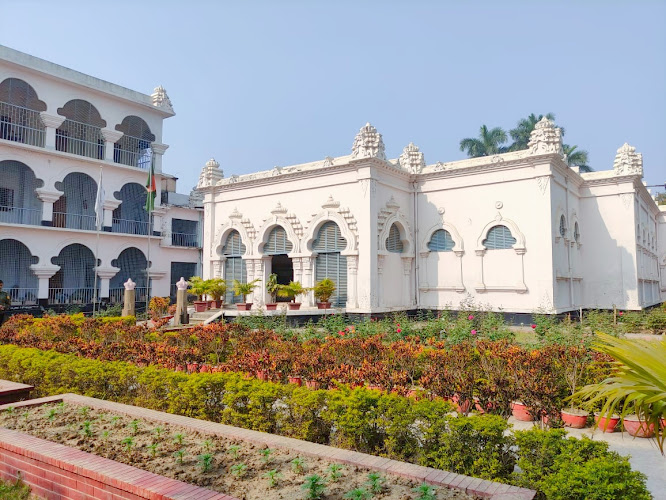
Varendra Research Museum
About Varendra Research Museum
Description
The Varendra Research Museum stands as Bangladesh's oldest museum and honestly, it's one of those places that genuinely surprised me when I first learned about its significance. Located in Rajshahi, this institution has been preserving the cultural heritage of the Varendra region since 1910, which makes it over a century old. And that's something you don't come across every day in this part of the world. What makes this museum particularly fascinating is its connection to the ancient Varendra region, which roughly corresponds to northern Bangladesh today. The museum houses an extraordinary collection that spans thousands of years, from the prehistoric era right through to the British colonial period. You'll find yourself standing before artifacts that people touched and used millennia ago, which creates this strange connection across time that's hard to describe unless you've experienced it yourself. The museum was established through the initiative of local scholars and zamindars who recognized the importance of preserving their regional heritage. I think that's what makes it special – it wasn't just some colonial institution imposed from outside, but rather grew from genuine local passion for history and culture. The building itself reflects the architectural sensibilities of the early twentieth century, with its traditional red-brick construction that's become iconic in Rajshahi. Inside, visitors discover an impressive array of stone sculptures, inscriptions, copper plates, coins, and terracotta plaques that tell the story of Bengal's rich past. The collection is particularly strong in Buddhist and Hindu artifacts from the Pala and Sena dynasties, periods when this region was actually a major center of learning and artistic achievement. But don't expect a modern, flashy museum experience with interactive displays and multimedia presentations. This is old-school museum presentation, which honestly has its own charm if you approach it with the right mindset.Key Features
The museum offers several distinctive elements that make it worth your time:- An extensive collection of stone sculptures from the Pala period, considered some of the finest examples of Buddhist art in South Asia
- Rare manuscripts written on palm leaves that survived centuries through careful preservation
- Archaeological findings from Mahasthangarh, one of the earliest urban archaeological sites discovered in Bangladesh
- A numismatic collection featuring coins from various periods including Gupta, Pala, and Mughal eras
- Terracotta plaques showcasing the daily life and religious practices of ancient Bengal
- Inscribed copper plates that provide valuable historical information about land grants and administrative systems
- Periodic live cultural performances that bring historical traditions to life
- Wheelchair accessible facilities including entrance and parking areas, making it inclusive for all visitors
- A research library that houses important historical documents and publications
- Folk art collections representing the living traditions of rural Bangladesh
Best Time to Visit
Timing your visit to the Varendra Research Museum requires considering both weather conditions and practical factors. The museum operates throughout the year, but not all seasons are created equal when it comes to comfort and accessibility. October through March represents the ideal window for visiting. During these months, Rajshahi experiences pleasant weather with temperatures ranging from 15 to 25 degrees Celsius. The cooler, drier conditions make walking around the museum grounds much more comfortable, especially since the building doesn't have modern climate control throughout all sections. I've heard from several travelers who visited during the peak summer months and found the heat quite overwhelming, which detracted from their ability to focus on the exhibits. Winter mornings are particularly lovely, with soft sunlight filtering through the museum's windows and creating beautiful lighting conditions for photography. The museum typically sees fewer crowds during weekday mornings, which means you'll have more space to contemplate the artifacts without feeling rushed by other visitors pressing in behind you. Avoid visiting during the monsoon season from June through September if possible. Heavy rains can make getting around Rajshahi more challenging, and the humidity inside the museum can become quite uncomfortable. Plus, some travelers have reported that certain sections might be temporarily closed during particularly wet periods for conservation purposes. The museum generally opens around 10 AM and closes by 4 or 5 PM depending on the season, with a lunch break in between. However, these timings can vary, and I'd strongly recommend arriving early in the day when the staff is fresh and more willing to answer questions or provide additional context about the exhibits. If you're planning your trip around cultural events, keep an eye out for special programs and live performances that the museum occasionally hosts. These events showcase traditional music, dance, and other cultural practices that provide living context to the historical artifacts you're viewing.How to Get There
Getting to the Varendra Research Museum in Rajshahi requires some planning, but it's definitely manageable even for international travelers who don't speak Bengali. From Dhaka, you have several options. The most comfortable way is probably taking a domestic flight to Rajshahi airport, which takes about an hour. Several airlines operate this route regularly, and from the airport, you can hire a taxi or arrange a ride through your hotel. The journey from the airport to the museum takes roughly 20 to 30 minutes depending on traffic. But honestly, many travelers prefer the overland journey despite it taking longer. Bus services connect Dhaka and Rajshahi, with the trip taking anywhere from 6 to 8 hours depending on the route and stops. Several operators run comfortable air-conditioned coaches, and the overnight buses can actually be a decent option if you're trying to save on hotel costs. Some people find the bus journey gives them a better sense of the countryside and rural Bangladesh that you'd miss entirely from an airplane window. Trains also connect these cities, and the rail journey offers its own unique experience. The journey takes about 7 to 9 hours, but train travel in Bangladesh has a certain character to it that appeals to some travelers. You'll see the landscape change gradually, pass through small stations where vendors sell snacks and tea, and potentially strike up conversations with local passengers who are often curious about foreign visitors. Once you're in Rajshahi city, getting to the museum is straightforward. The museum is located in the central part of the city, and most rickshaw drivers and taxi operators know exactly where it is – just mention "Varendra Museum" and you'll be understood. Auto-rickshaws and cycle-rickshaws are both available and affordable options for the last leg of your journey. If you're staying in central Rajshahi, you might even consider walking to the museum depending on your hotel's location and your tolerance for heat. The city is relatively walkable by Bangladeshi standards, though you'll need to navigate typical urban challenges like traffic and uneven sidewalks.Tips for Visiting
Making the most of your visit to the Varendra Research Museum requires some insider knowledge and realistic expectations. Here's what you should know before you go. First off, bring cash in small denominations. The entrance fee is quite modest by international standards, but the ticket office may not have change for large bills. And while we're talking money, budget extra for any guide services if you want detailed explanations of the exhibits, since the labeling inside can be minimal and sometimes only in Bengali. Photography policies can be somewhat unclear, so ask specifically about what's allowed before you start snapping pictures. Some sections prohibit photography entirely to protect sensitive artifacts, while others may allow it without flash. I've heard conflicting reports from different visitors about this, which suggests the rules might be enforced inconsistently or have changed over time. Dress modestly and respectfully. While this is a secular institution rather than a religious site, you're still in a conservative region of Bangladesh where cultural sensitivity matters. Covering shoulders and knees is advisable, and this applies to all genders. Plus, modest clothing is generally more comfortable in the climate anyway. The museum has restrooms available, but don't expect Western-style facilities. Bring tissues or toilet paper with you, and hand sanitizer is definitely your friend here. There's no restaurant on site, so eat before you visit or plan to have lunch after you leave. However, you'll find plenty of food options in the surrounding area. Speaking of which, combine your museum visit with exploration of nearby attractions in Rajshahi. The Padma River waterfront is pleasant for an evening stroll, and the city is famous for its silk industry and mangoes if you're visiting during the right season. For families traveling with children, the museum can be engaging if you prepare them beforehand with some context about what they'll see. The live performances, when available, particularly captivate younger visitors who might otherwise get bored looking at ancient stones and pottery. The wheelchair accessibility is genuine, which makes this one of the more inclusive tourist sites in Bangladesh for visitors with mobility challenges. Consider hiring a knowledgeable guide either through your hotel or at the museum itself. The artifacts deserve more context than you'll get from brief labels, and a good guide can bring the history alive in ways that solitary viewing simply can't match. Some guides have deep knowledge about specific periods or artifact types, and their enthusiasm can be infectious. Don't rush through. I know travelers often try to pack too much into a single day, but the Varendra Research Museum rewards slow, contemplative viewing. Budget at least two to three hours for your visit, more if you're particularly interested in ancient history or archaeology. Sit with the sculptures, really look at the details in the terracotta work, imagine the hands that created these objects centuries ago. Finally, manage your expectations about museum standards. This isn't the British Museum or the Met. Display cases might look dated, climate control is imperfect, and organization can seem somewhat haphazard by international museum standards. But that's part of its character, and the collection itself is genuinely remarkable regardless of presentation. You're not here for cutting-edge museology – you're here for authentic artifacts that tell the story of a region most people outside Bangladesh know nothing about.Key Features
- One of the oldest museums in Bangladesh (established 1910)
- Extensive collection: stone & metal sculptures, terracotta, coins, inscriptions
- Manuscripts and documents in Sanskrit, Persian and Arabic
- Seven galleries with region-specific archaeological displays
- Located on Rajshahi University campus in central Rajshahi
More Details
Updated January 18, 2026
Table of Contents
Description
The Varendra Research Museum stands as Bangladesh’s oldest museum and honestly, it’s one of those places that genuinely surprised me when I first learned about its significance. Located in Rajshahi, this institution has been preserving the cultural heritage of the Varendra region since 1910, which makes it over a century old. And that’s something you don’t come across every day in this part of the world.
What makes this museum particularly fascinating is its connection to the ancient Varendra region, which roughly corresponds to northern Bangladesh today. The museum houses an extraordinary collection that spans thousands of years, from the prehistoric era right through to the British colonial period. You’ll find yourself standing before artifacts that people touched and used millennia ago, which creates this strange connection across time that’s hard to describe unless you’ve experienced it yourself.
The museum was established through the initiative of local scholars and zamindars who recognized the importance of preserving their regional heritage. I think that’s what makes it special – it wasn’t just some colonial institution imposed from outside, but rather grew from genuine local passion for history and culture. The building itself reflects the architectural sensibilities of the early twentieth century, with its traditional red-brick construction that’s become iconic in Rajshahi.
Inside, visitors discover an impressive array of stone sculptures, inscriptions, copper plates, coins, and terracotta plaques that tell the story of Bengal’s rich past. The collection is particularly strong in Buddhist and Hindu artifacts from the Pala and Sena dynasties, periods when this region was actually a major center of learning and artistic achievement. But don’t expect a modern, flashy museum experience with interactive displays and multimedia presentations. This is old-school museum presentation, which honestly has its own charm if you approach it with the right mindset.
Key Features
The museum offers several distinctive elements that make it worth your time:
- An extensive collection of stone sculptures from the Pala period, considered some of the finest examples of Buddhist art in South Asia
- Rare manuscripts written on palm leaves that survived centuries through careful preservation
- Archaeological findings from Mahasthangarh, one of the earliest urban archaeological sites discovered in Bangladesh
- A numismatic collection featuring coins from various periods including Gupta, Pala, and Mughal eras
- Terracotta plaques showcasing the daily life and religious practices of ancient Bengal
- Inscribed copper plates that provide valuable historical information about land grants and administrative systems
- Periodic live cultural performances that bring historical traditions to life
- Wheelchair accessible facilities including entrance and parking areas, making it inclusive for all visitors
- A research library that houses important historical documents and publications
- Folk art collections representing the living traditions of rural Bangladesh
Best Time to Visit
Timing your visit to the Varendra Research Museum requires considering both weather conditions and practical factors. The museum operates throughout the year, but not all seasons are created equal when it comes to comfort and accessibility.
October through March represents the ideal window for visiting. During these months, Rajshahi experiences pleasant weather with temperatures ranging from 15 to 25 degrees Celsius. The cooler, drier conditions make walking around the museum grounds much more comfortable, especially since the building doesn’t have modern climate control throughout all sections. I’ve heard from several travelers who visited during the peak summer months and found the heat quite overwhelming, which detracted from their ability to focus on the exhibits.
Winter mornings are particularly lovely, with soft sunlight filtering through the museum’s windows and creating beautiful lighting conditions for photography. The museum typically sees fewer crowds during weekday mornings, which means you’ll have more space to contemplate the artifacts without feeling rushed by other visitors pressing in behind you.
Avoid visiting during the monsoon season from June through September if possible. Heavy rains can make getting around Rajshahi more challenging, and the humidity inside the museum can become quite uncomfortable. Plus, some travelers have reported that certain sections might be temporarily closed during particularly wet periods for conservation purposes.
The museum generally opens around 10 AM and closes by 4 or 5 PM depending on the season, with a lunch break in between. However, these timings can vary, and I’d strongly recommend arriving early in the day when the staff is fresh and more willing to answer questions or provide additional context about the exhibits.
If you’re planning your trip around cultural events, keep an eye out for special programs and live performances that the museum occasionally hosts. These events showcase traditional music, dance, and other cultural practices that provide living context to the historical artifacts you’re viewing.
How to Get There
Getting to the Varendra Research Museum in Rajshahi requires some planning, but it’s definitely manageable even for international travelers who don’t speak Bengali.
From Dhaka, you have several options. The most comfortable way is probably taking a domestic flight to Rajshahi airport, which takes about an hour. Several airlines operate this route regularly, and from the airport, you can hire a taxi or arrange a ride through your hotel. The journey from the airport to the museum takes roughly 20 to 30 minutes depending on traffic.
But honestly, many travelers prefer the overland journey despite it taking longer. Bus services connect Dhaka and Rajshahi, with the trip taking anywhere from 6 to 8 hours depending on the route and stops. Several operators run comfortable air-conditioned coaches, and the overnight buses can actually be a decent option if you’re trying to save on hotel costs. Some people find the bus journey gives them a better sense of the countryside and rural Bangladesh that you’d miss entirely from an airplane window.
Trains also connect these cities, and the rail journey offers its own unique experience. The journey takes about 7 to 9 hours, but train travel in Bangladesh has a certain character to it that appeals to some travelers. You’ll see the landscape change gradually, pass through small stations where vendors sell snacks and tea, and potentially strike up conversations with local passengers who are often curious about foreign visitors.
Once you’re in Rajshahi city, getting to the museum is straightforward. The museum is located in the central part of the city, and most rickshaw drivers and taxi operators know exactly where it is – just mention “Varendra Museum” and you’ll be understood. Auto-rickshaws and cycle-rickshaws are both available and affordable options for the last leg of your journey.
If you’re staying in central Rajshahi, you might even consider walking to the museum depending on your hotel’s location and your tolerance for heat. The city is relatively walkable by Bangladeshi standards, though you’ll need to navigate typical urban challenges like traffic and uneven sidewalks.
Tips for Visiting
Making the most of your visit to the Varendra Research Museum requires some insider knowledge and realistic expectations. Here’s what you should know before you go.
First off, bring cash in small denominations. The entrance fee is quite modest by international standards, but the ticket office may not have change for large bills. And while we’re talking money, budget extra for any guide services if you want detailed explanations of the exhibits, since the labeling inside can be minimal and sometimes only in Bengali.
Photography policies can be somewhat unclear, so ask specifically about what’s allowed before you start snapping pictures. Some sections prohibit photography entirely to protect sensitive artifacts, while others may allow it without flash. I’ve heard conflicting reports from different visitors about this, which suggests the rules might be enforced inconsistently or have changed over time.
Dress modestly and respectfully. While this is a secular institution rather than a religious site, you’re still in a conservative region of Bangladesh where cultural sensitivity matters. Covering shoulders and knees is advisable, and this applies to all genders. Plus, modest clothing is generally more comfortable in the climate anyway.
The museum has restrooms available, but don’t expect Western-style facilities. Bring tissues or toilet paper with you, and hand sanitizer is definitely your friend here. There’s no restaurant on site, so eat before you visit or plan to have lunch after you leave. However, you’ll find plenty of food options in the surrounding area.
Speaking of which, combine your museum visit with exploration of nearby attractions in Rajshahi. The Padma River waterfront is pleasant for an evening stroll, and the city is famous for its silk industry and mangoes if you’re visiting during the right season.
For families traveling with children, the museum can be engaging if you prepare them beforehand with some context about what they’ll see. The live performances, when available, particularly captivate younger visitors who might otherwise get bored looking at ancient stones and pottery. The wheelchair accessibility is genuine, which makes this one of the more inclusive tourist sites in Bangladesh for visitors with mobility challenges.
Consider hiring a knowledgeable guide either through your hotel or at the museum itself. The artifacts deserve more context than you’ll get from brief labels, and a good guide can bring the history alive in ways that solitary viewing simply can’t match. Some guides have deep knowledge about specific periods or artifact types, and their enthusiasm can be infectious.
Don’t rush through. I know travelers often try to pack too much into a single day, but the Varendra Research Museum rewards slow, contemplative viewing. Budget at least two to three hours for your visit, more if you’re particularly interested in ancient history or archaeology. Sit with the sculptures, really look at the details in the terracotta work, imagine the hands that created these objects centuries ago.
Finally, manage your expectations about museum standards. This isn’t the British Museum or the Met. Display cases might look dated, climate control is imperfect, and organization can seem somewhat haphazard by international museum standards. But that’s part of its character, and the collection itself is genuinely remarkable regardless of presentation. You’re not here for cutting-edge museology – you’re here for authentic artifacts that tell the story of a region most people outside Bangladesh know nothing about.
Key Highlights
- One of the oldest museums in Bangladesh (established 1910)
- Extensive collection: stone & metal sculptures, terracotta, coins, inscriptions
- Manuscripts and documents in Sanskrit, Persian and Arabic
- Seven galleries with region-specific archaeological displays
- Located on Rajshahi University campus in central Rajshahi
Location
Places to Stay Near Varendra Research Museum
Find and Book a Tour
Explore More Travel Guides
No reviews found! Be the first to review!
Traveler Reviews for Varendra Research Museum
There are no reviews yet. Be the first one to write one.
Have you visited Varendra Research Museum? Help other travelers by sharing your review.
Nearby Attractions
You Might Also Like
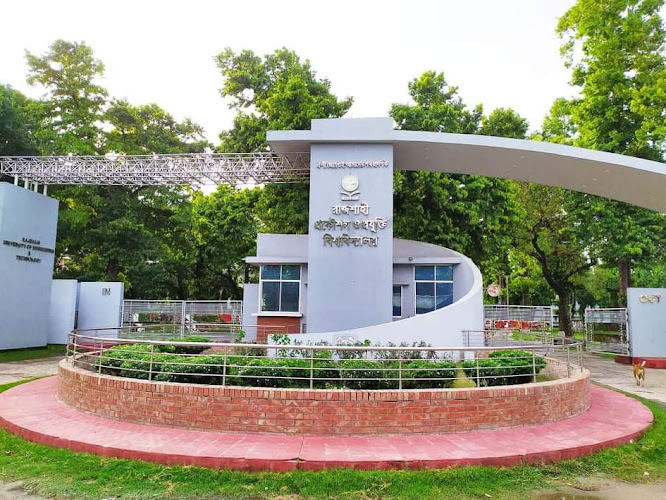
Rajshahi University of Engineering & Technology(RUET)
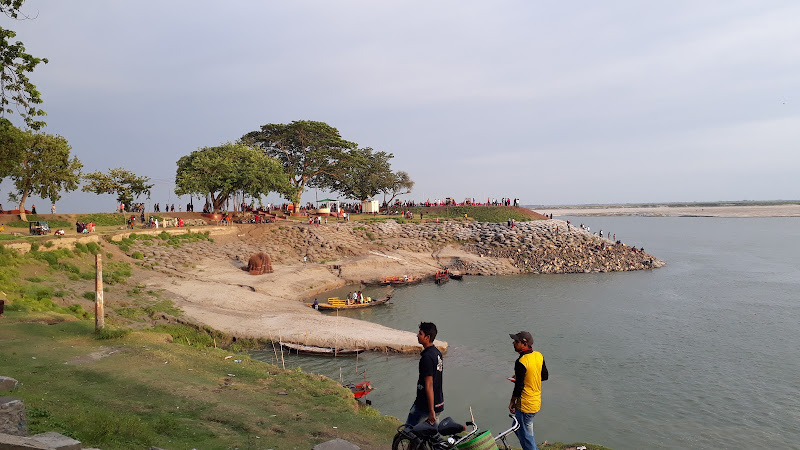
T- Badh
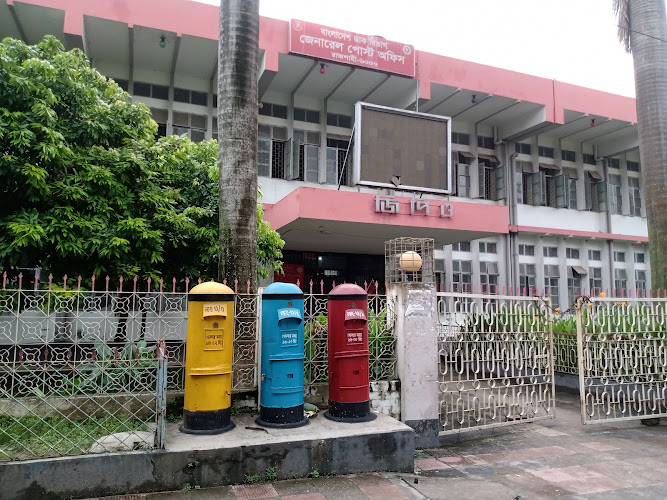
Rajshahi GPO
Find Accommodations Nearby
Recommended Tours & Activities
Visitor Reviews
There are no reviews yet. Be the first one to write one.
Share Your Experience
Have you visited Varendra Research Museum? Help other travelers by leaving a review.