
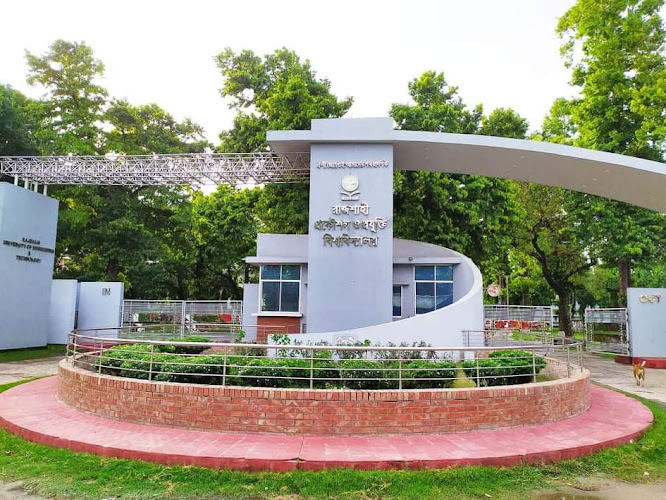
Rajshahi University of Engineering & Technology(RUET)
About Rajshahi University of Engineering & Technology(RUET)
Description
Rajshahi University of Engineering & Technology, or RUET as locals affectionately call it, stands as one of Bangladesh's premier technical education institutions. Now, you might be wondering why a traveler would want to visit a university campus, but hear me out - this place offers something quite different from your typical tourist destinations. I've always believed that the best travel experiences come from exploring places where real life happens, and RUET is exactly that kind of spot. The campus sprawls across a considerable area in Rajshahi, and it's got this interesting blend of academic seriousness mixed with youthful energy that's honestly pretty captivating. Students from all corners of Bangladesh come here to study engineering and technology, creating this melting pot of cultures and ideas that makes wandering around the grounds genuinely fascinating. And the architecture? Well, it's not going to win any international design awards, but there's something unpretentious and functional about the buildings that somehow fits perfectly with the institution's practical, engineering-focused mission. What really struck me about RUET is how it functions as a small city within itself. The campus buzzes with activity during term time - students rushing between lectures, groups huddled over projects in open spaces, and the constant hum of discussion about everything from circuit design to political philosophy. For travelers interested in understanding modern Bangladesh beyond the typical tourist trail, spending a few hours here provides genuine insight into the country's educational system and the aspirations of its young people. The university maintains decent facilities for accessibility, which isn't always a given in Bangladesh. Wheelchair users will find proper entrance ramps and parking options, showing that RUET takes inclusivity seriously. This attention to practical details reflects the engineering mindset that permeates the entire institution.Key Features
The distinctive characteristics of RUET create an experience that's quite different from conventional sightseeing: • Academic Excellence - RUET has built a solid reputation for producing skilled engineers and technologists who go on to work in Bangladesh and internationally. The serious academic atmosphere is palpable, and visitors can sense the dedication that students and faculty bring to their work. • Diverse Student Population - With students from various regions and backgrounds, the campus represents a genuine cross-section of Bangladeshi society. This diversity creates an environment where different perspectives and traditions intersect daily. • Green Campus Spaces - Despite being focused on technology, the grounds include some pleasant green areas where students gather between classes. These spaces provide natural shade and serve as informal meeting points. • Engineering Workshops and Labs - While access might be limited for casual visitors, the presence of specialized workshops and laboratories gives the campus a distinctive character. You'll see students carrying project materials and prototypes, evidence of hands-on learning. • Cultural Activities - The university hosts various cultural programs, seminars, and competitions throughout the academic year. Sometimes visitors can catch these events, which showcase student talent beyond technical skills. • Accessible Infrastructure - The campus has made genuine efforts to accommodate visitors with mobility challenges, a feature worth noting for travelers who need these considerations. • Local Food Scene - Around the campus perimeter, you'll find small restaurants and tea stalls that cater to students. These spots serve authentic, budget-friendly Bangladeshi food that tourists rarely encounter. • Library Resources - The university library, while primarily for students, represents an important academic resource for the region and occasionally welcomes serious researchers.Best Time to Visit
Timing your visit to RUET requires some strategic thinking because, let's be honest, an empty campus isn't nearly as interesting as one full of students and activity. The academic calendar really dictates when you'll get the most authentic experience. The university operates on a semester system, with classes typically running from January through May and then August through December. If you want to see RUET at its liveliest, aim for mid-semester periods - roughly February through April and September through November. During these months, the campus operates at full capacity, with students engaged in coursework, projects, and extracurricular activities. Weather-wise, November through February offers the most comfortable conditions for exploring the campus on foot. Temperatures stay moderate, humidity drops, and the sun isn't quite as punishing as it gets during summer months. I remember visiting a similar university campus in May once, and the heat was absolutely relentless - not ideal for leisurely exploration. But here's the thing: if you visit during exam periods (usually at the end of each semester), the campus takes on a completely different character. Students huddle in study groups, the library stays packed, and there's this intense, focused energy everywhere. It's actually pretty interesting to witness, though people might be less inclined to chat with curious visitors. Avoid the major vacation periods - June through July and December through January - when most students return home. The campus becomes a ghost town, and you'll miss out on the human element that makes RUET worth visiting in the first place. Weekends see reduced activity, so Monday through Thursday typically provides the best visiting experience. Friday being the Islamic holy day means many facilities operate on reduced schedules or close entirely.How to Get There
Getting to RUET requires navigating Rajshahi's local transportation system, which is an adventure in itself. The university sits within Rajshahi city limits, making it reasonably accessible once you've reached the city. Most travelers arrive in Rajshahi by bus from Dhaka, a journey that takes roughly six to seven hours depending on traffic and road conditions. Several bus companies operate this route, with varying comfort levels and prices. Once you're in Rajshahi, you've got options. Local buses run throughout the city, and some routes pass near the university campus. However, these buses can be crowded and confusing for first-time visitors who don't speak Bengali. You'll need to ask locals which bus to take, and honestly, be prepared for some trial and error. CNGs - those green motorized rickshaws that zip around Bangladeshi cities - offer a more direct option. Most CNG drivers in Rajshahi know where RUET is located (just say "RUET" and they'll understand). Negotiate the fare before starting your journey; expect to pay between 50 to 150 taka depending on your starting point within the city. Traditional cycle rickshaws work if you're staying nearby and want a more leisurely pace. They're cheaper than CNGs but obviously take longer and aren't practical for longer distances. If you're coming from Rajshahi train station, you're looking at about a 20 to 30 minute ride by CNG. From the main bus terminal, it's roughly similar distance. App-based ride services like Pathao and Uber have limited presence in Rajshahi compared to Dhaka, but they're slowly expanding. Worth checking if you prefer the convenience of digital booking and set pricing.Tips for Visiting
Visiting RUET requires some cultural awareness and practical preparation. This isn't a formal tourist attraction with visitor centers and guided tours, so you'll need to navigate things a bit more independently. First off, dress modestly. This is a conservative institution in a conservative city. Men should wear long pants and shirts with sleeves. Women should cover their shoulders and wear clothing that extends below the knee. Bangladesh takes dress codes seriously, especially in educational institutions, and you'll feel more comfortable blending in appropriately. Before wandering around extensively, consider stopping by the administrative office to explain that you're a visitor interested in learning about the university. Bangladeshis generally appreciate this courtesy, and someone might even volunteer to show you around or answer questions. The campus security is pretty relaxed, but having some kind of informal permission makes everything smoother. Learn a few basic Bengali phrases. While some students and faculty speak English (it is an engineering university, after all), many people you encounter won't. Simple phrases like "Assalamu Alaikum" (greeting), "Dhonnobad" (thank you), and "Ami tourist" (I am a tourist) go a long way in establishing friendly interactions. Bring cash in small denominations. The tea stalls and small restaurants around campus don't accept cards, and you'll want to try the local food. Street food here is incredibly cheap - we're talking 20 to 50 taka for snacks that'll give you genuine insight into what students eat daily. Photography requires some sensitivity. Don't photograph people without asking permission, especially women. Many students won't mind if you ask politely, but respect anyone who declines. Taking pictures of buildings and general campus scenes is generally fine, but avoid photographing what might be considered sensitive infrastructure. Visit during daylight hours, preferably between 9 AM and 4 PM when the campus is most active. The university isn't set up for evening tourist visits, and wandering around after dark isn't advisable. Stay hydrated. Rajshahi gets hot, and you'll be doing a fair amount of walking. Bottled water is available from small shops around campus. If you're genuinely interested in engineering education or academic matters, consider reaching out to specific departments before your visit. Faculty members sometimes welcome conversations with international visitors, especially if you share professional interests. Don't expect tourist facilities. There won't be souvenir shops, information kiosks, or designated viewing areas. This is a working educational institution, and you're experiencing it as an observant guest rather than a conventional tourist. Finally, be prepared for curiosity. Foreign visitors aren't super common at RUET, so students might stare or want to practice their English with you. I've found these spontaneous interactions often become the most memorable parts of visiting places like this. Be open, friendly, and genuinely interested in what students tell you about their experiences.Key Features
- Compact, green campus with walkable grounds and academic lawns
- Active engineering and applied-science departments showcasing student projects
- Workshops and laboratories that reflect practical engineering education
- Occasional public events, exhibitions and student cultural programs
- Friendly, welcoming student community offering insight into campus life
More Details
Updated January 18, 2026
Table of Contents
- Description
- Key Features
- Best Time to Visit
- How to Get There
- Tips for Visiting
- Key Highlights
- Location
- Places to Stay Near Rajshahi University of Engineering & Technology(RUET)
- Find and Book a Tour
- Explore More Travel Guides
- Nearby Places You Might Like
- Traveler Reviews for Rajshahi University of Engineering & Technology(RUET)
- Share Your Experience
Description
Rajshahi University of Engineering & Technology, or RUET as locals affectionately call it, stands as one of Bangladesh’s premier technical education institutions. Now, you might be wondering why a traveler would want to visit a university campus, but hear me out – this place offers something quite different from your typical tourist destinations. I’ve always believed that the best travel experiences come from exploring places where real life happens, and RUET is exactly that kind of spot.
The campus sprawls across a considerable area in Rajshahi, and it’s got this interesting blend of academic seriousness mixed with youthful energy that’s honestly pretty captivating. Students from all corners of Bangladesh come here to study engineering and technology, creating this melting pot of cultures and ideas that makes wandering around the grounds genuinely fascinating. And the architecture? Well, it’s not going to win any international design awards, but there’s something unpretentious and functional about the buildings that somehow fits perfectly with the institution’s practical, engineering-focused mission.
What really struck me about RUET is how it functions as a small city within itself. The campus buzzes with activity during term time – students rushing between lectures, groups huddled over projects in open spaces, and the constant hum of discussion about everything from circuit design to political philosophy. For travelers interested in understanding modern Bangladesh beyond the typical tourist trail, spending a few hours here provides genuine insight into the country’s educational system and the aspirations of its young people.
The university maintains decent facilities for accessibility, which isn’t always a given in Bangladesh. Wheelchair users will find proper entrance ramps and parking options, showing that RUET takes inclusivity seriously. This attention to practical details reflects the engineering mindset that permeates the entire institution.
Key Features
The distinctive characteristics of RUET create an experience that’s quite different from conventional sightseeing:
• Academic Excellence – RUET has built a solid reputation for producing skilled engineers and technologists who go on to work in Bangladesh and internationally. The serious academic atmosphere is palpable, and visitors can sense the dedication that students and faculty bring to their work.
• Diverse Student Population – With students from various regions and backgrounds, the campus represents a genuine cross-section of Bangladeshi society. This diversity creates an environment where different perspectives and traditions intersect daily.
• Green Campus Spaces – Despite being focused on technology, the grounds include some pleasant green areas where students gather between classes. These spaces provide natural shade and serve as informal meeting points.
• Engineering Workshops and Labs – While access might be limited for casual visitors, the presence of specialized workshops and laboratories gives the campus a distinctive character. You’ll see students carrying project materials and prototypes, evidence of hands-on learning.
• Cultural Activities – The university hosts various cultural programs, seminars, and competitions throughout the academic year. Sometimes visitors can catch these events, which showcase student talent beyond technical skills.
• Accessible Infrastructure – The campus has made genuine efforts to accommodate visitors with mobility challenges, a feature worth noting for travelers who need these considerations.
• Local Food Scene – Around the campus perimeter, you’ll find small restaurants and tea stalls that cater to students. These spots serve authentic, budget-friendly Bangladeshi food that tourists rarely encounter.
• Library Resources – The university library, while primarily for students, represents an important academic resource for the region and occasionally welcomes serious researchers.
Best Time to Visit
Timing your visit to RUET requires some strategic thinking because, let’s be honest, an empty campus isn’t nearly as interesting as one full of students and activity. The academic calendar really dictates when you’ll get the most authentic experience.
The university operates on a semester system, with classes typically running from January through May and then August through December. If you want to see RUET at its liveliest, aim for mid-semester periods – roughly February through April and September through November. During these months, the campus operates at full capacity, with students engaged in coursework, projects, and extracurricular activities.
Weather-wise, November through February offers the most comfortable conditions for exploring the campus on foot. Temperatures stay moderate, humidity drops, and the sun isn’t quite as punishing as it gets during summer months. I remember visiting a similar university campus in May once, and the heat was absolutely relentless – not ideal for leisurely exploration.
But here’s the thing: if you visit during exam periods (usually at the end of each semester), the campus takes on a completely different character. Students huddle in study groups, the library stays packed, and there’s this intense, focused energy everywhere. It’s actually pretty interesting to witness, though people might be less inclined to chat with curious visitors.
Avoid the major vacation periods – June through July and December through January – when most students return home. The campus becomes a ghost town, and you’ll miss out on the human element that makes RUET worth visiting in the first place.
Weekends see reduced activity, so Monday through Thursday typically provides the best visiting experience. Friday being the Islamic holy day means many facilities operate on reduced schedules or close entirely.
How to Get There
Getting to RUET requires navigating Rajshahi’s local transportation system, which is an adventure in itself. The university sits within Rajshahi city limits, making it reasonably accessible once you’ve reached the city.
Most travelers arrive in Rajshahi by bus from Dhaka, a journey that takes roughly six to seven hours depending on traffic and road conditions. Several bus companies operate this route, with varying comfort levels and prices. Once you’re in Rajshahi, you’ve got options.
Local buses run throughout the city, and some routes pass near the university campus. However, these buses can be crowded and confusing for first-time visitors who don’t speak Bengali. You’ll need to ask locals which bus to take, and honestly, be prepared for some trial and error.
CNGs – those green motorized rickshaws that zip around Bangladeshi cities – offer a more direct option. Most CNG drivers in Rajshahi know where RUET is located (just say “RUET” and they’ll understand). Negotiate the fare before starting your journey; expect to pay between 50 to 150 taka depending on your starting point within the city.
Traditional cycle rickshaws work if you’re staying nearby and want a more leisurely pace. They’re cheaper than CNGs but obviously take longer and aren’t practical for longer distances.
If you’re coming from Rajshahi train station, you’re looking at about a 20 to 30 minute ride by CNG. From the main bus terminal, it’s roughly similar distance.
App-based ride services like Pathao and Uber have limited presence in Rajshahi compared to Dhaka, but they’re slowly expanding. Worth checking if you prefer the convenience of digital booking and set pricing.
Tips for Visiting
Visiting RUET requires some cultural awareness and practical preparation. This isn’t a formal tourist attraction with visitor centers and guided tours, so you’ll need to navigate things a bit more independently.
First off, dress modestly. This is a conservative institution in a conservative city. Men should wear long pants and shirts with sleeves. Women should cover their shoulders and wear clothing that extends below the knee. Bangladesh takes dress codes seriously, especially in educational institutions, and you’ll feel more comfortable blending in appropriately.
Before wandering around extensively, consider stopping by the administrative office to explain that you’re a visitor interested in learning about the university. Bangladeshis generally appreciate this courtesy, and someone might even volunteer to show you around or answer questions. The campus security is pretty relaxed, but having some kind of informal permission makes everything smoother.
Learn a few basic Bengali phrases. While some students and faculty speak English (it is an engineering university, after all), many people you encounter won’t. Simple phrases like “Assalamu Alaikum” (greeting), “Dhonnobad” (thank you), and “Ami tourist” (I am a tourist) go a long way in establishing friendly interactions.
Bring cash in small denominations. The tea stalls and small restaurants around campus don’t accept cards, and you’ll want to try the local food. Street food here is incredibly cheap – we’re talking 20 to 50 taka for snacks that’ll give you genuine insight into what students eat daily.
Photography requires some sensitivity. Don’t photograph people without asking permission, especially women. Many students won’t mind if you ask politely, but respect anyone who declines. Taking pictures of buildings and general campus scenes is generally fine, but avoid photographing what might be considered sensitive infrastructure.
Visit during daylight hours, preferably between 9 AM and 4 PM when the campus is most active. The university isn’t set up for evening tourist visits, and wandering around after dark isn’t advisable.
Stay hydrated. Rajshahi gets hot, and you’ll be doing a fair amount of walking. Bottled water is available from small shops around campus.
If you’re genuinely interested in engineering education or academic matters, consider reaching out to specific departments before your visit. Faculty members sometimes welcome conversations with international visitors, especially if you share professional interests.
Don’t expect tourist facilities. There won’t be souvenir shops, information kiosks, or designated viewing areas. This is a working educational institution, and you’re experiencing it as an observant guest rather than a conventional tourist.
Finally, be prepared for curiosity. Foreign visitors aren’t super common at RUET, so students might stare or want to practice their English with you. I’ve found these spontaneous interactions often become the most memorable parts of visiting places like this. Be open, friendly, and genuinely interested in what students tell you about their experiences.
Key Highlights
- Compact, green campus with walkable grounds and academic lawns
- Active engineering and applied-science departments showcasing student projects
- Workshops and laboratories that reflect practical engineering education
- Occasional public events, exhibitions and student cultural programs
- Friendly, welcoming student community offering insight into campus life
Location
Places to Stay Near Rajshahi University of Engineering & Technology(RUET)
Find and Book a Tour
Explore More Travel Guides
No reviews found! Be the first to review!
Traveler Reviews for Rajshahi University of Engineering & Technology(RUET)
There are no reviews yet. Be the first one to write one.
Have you visited Rajshahi University of Engineering & Technology(RUET)? Help other travelers by sharing your review.
Nearby Attractions
You Might Also Like
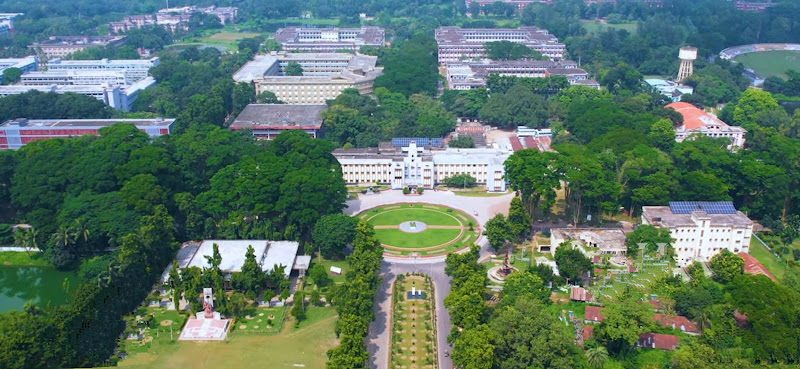
Rajshahi
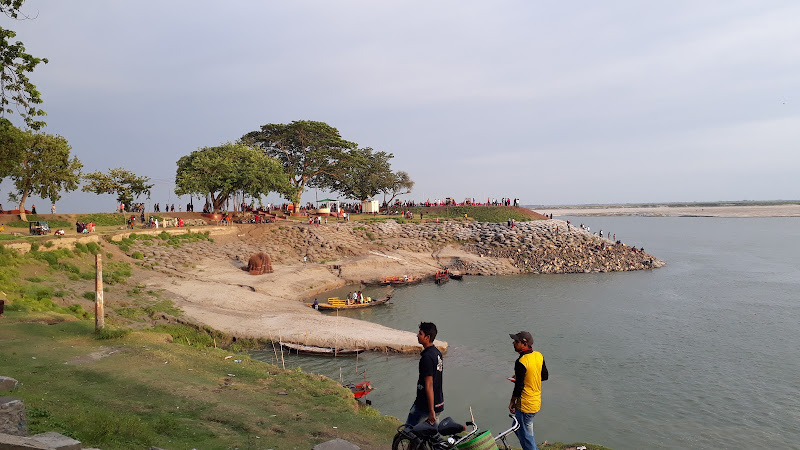
T- Badh
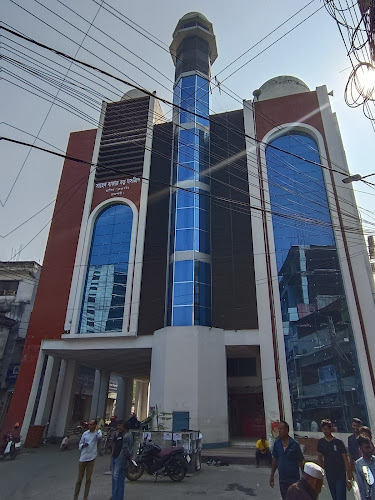
Saheb Bazar Zero Point
Find Accommodations Nearby
Recommended Tours & Activities
Visitor Reviews
There are no reviews yet. Be the first one to write one.
Share Your Experience
Have you visited Rajshahi University of Engineering & Technology(RUET)? Help other travelers by leaving a review.