
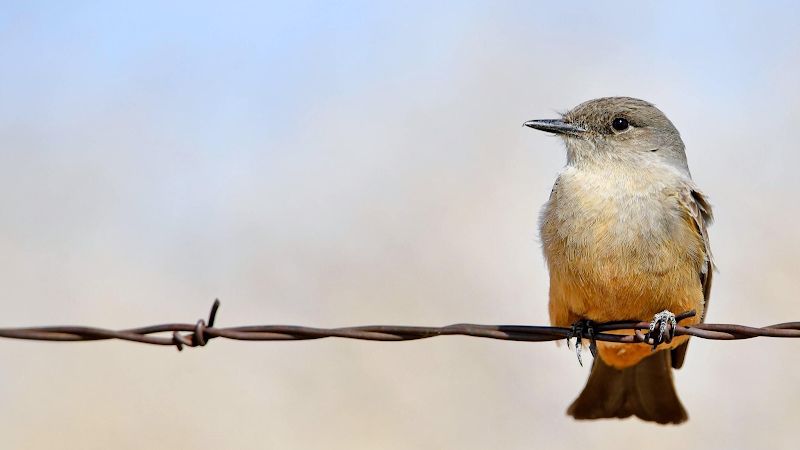
Valle de Oro National Wildlife Refuge
About Valle de Oro National Wildlife Refuge
Description
Valle de Oro National Wildlife Refuge is one of those rare places that feels both wild and welcoming at the same time. Spread across more than 570 acres along the Rio Grande, it’s not your typical nature escape—it’s an urban refuge that’s still growing into its full potential. Established in 2012, this refuge sits just a short drive south of Albuquerque, yet somehow it feels a world away once you’re standing among the cottonwoods or watching a hawk glide over the open fields. It’s a place where the hum of the city fades into the background, replaced by the rustle of grass and the chatter of birds.
What makes Valle de Oro so fascinating is how it’s transforming from old farmland into a thriving habitat for wildlife and people alike. You can still see traces of its agricultural past—the flat fields, the irrigation ditches—but now they’re being reimagined as wetlands, meadows, and riparian zones. It’s like watching nature reclaim its space, slowly and beautifully. And if you’re the type who loves seeing the process of restoration in action, this place will speak to you.
Walking the trails here feels peaceful, almost meditative. The refuge isn’t crowded, and that’s part of its charm. You might share the path with a few birders carrying binoculars, a family with kids chasing butterflies, or a couple of dogs trotting happily beside their owners. It’s accessible, too—wheelchair-friendly paths, restrooms, and picnic areas make it easy for everyone to enjoy. I remember the first time I visited, I ended up sitting at a picnic table for an hour just watching the light change over the fields. There’s something grounding about it, like time slows down for a bit.
Of course, not everything here is picture-perfect. Some visitors find the refuge still feels a bit “unfinished”—and they’re not wrong. Valle de Oro is a long-term project, a living experiment in urban conservation. But that’s also what makes it special. You’re not just visiting a park; you’re witnessing a transformation in progress. And that, in my opinion, gives it a kind of raw authenticity that’s hard to find elsewhere.
Key Features
- 570 acres of protected land along the Rio Grande, offering open views and plenty of space to explore
- Home to migratory and nesting birds, coyotes, reptiles, amphibians, and countless insects
- Wheelchair-accessible trails, parking, and restrooms, making it inclusive for all visitors
- Pet-friendly environment where dogs are welcome on leash
- Picnic tables and gender-neutral restrooms available for comfort and convenience
- Kid-friendly hikes that are easy to navigate and filled with opportunities to learn about nature
- Free parking and no entrance fee, perfect for a spontaneous outing
- Educational programs and community events hosted throughout the year
One of the coolest things about Valle de Oro is its focus on connecting people to nature in an urban setting. It’s not just about protecting wildlife—it’s about creating a shared space where community and conservation meet. The visitor center, with its sustainable design and welcoming vibe, is a great starting point to learn about the refuge’s history and ongoing restoration work. And if you’re into photography, bring your camera. The light here, especially in the early morning or late afternoon, can be absolutely magical.
Best Time to Visit
Honestly, Valle de Oro has something to offer year-round, but the best time to visit depends on what you’re hoping to see. Spring and fall are particularly lively, with migratory birds passing through and the landscape bursting with color. You’ll spot sandhill cranes, ducks, and warblers making their seasonal journeys. The air feels crisp, the skies are wide open, and the trails are just right for a long, easy walk.
Summer can get hot—this is New Mexico, after all—but early mornings are pleasant, and the refuge tends to be quieter then. Bring water, sunscreen, and a hat if you go during the warmer months. Winter, on the other hand, has its own quiet beauty. The bare trees and frosty mornings create a serene atmosphere, and you might catch sight of raptors scanning the fields for prey. I’ve gone in January before, bundled up in a thick jacket, and it was peaceful in a way that’s hard to describe. Just me, the cold air, and a few geese honking in the distance.
If you’re into wildlife photography or birdwatching, plan your trip around migration seasons—roughly March to May and September to November. That’s when the refuge truly comes alive. And if you’re local, it’s worth visiting multiple times a year to see how the landscape changes with the seasons. Each visit feels a little different.
How to Get There
Getting to Valle de Oro National Wildlife Refuge is pretty straightforward. It’s located just a short drive south of downtown Albuquerque, making it an easy day trip whether you’re staying in the city or passing through. Most visitors arrive by car, and there’s plenty of free parking once you get there. The entrance is well-marked, and the roads leading in are paved and easy to navigate.
If you prefer a greener way to travel, you can bike to the refuge from Albuquerque using local trails and roads—it’s a pleasant ride if you don’t mind a bit of distance. Public transportation options are limited, though, so driving or biking are your best bets. Once you arrive, everything is laid out simply: a visitor center, picnic areas, restrooms, and trails that lead you out into the open fields and restored wetlands. It’s the kind of place where you can just park, step out, and start exploring right away.
Tips for Visiting
Here’s the thing about Valle de Oro—it’s the kind of place that rewards curiosity and patience. It’s not a theme park or a zoo; it’s a living landscape that invites you to slow down and really look. So if you’re planning a visit, keep these tips in mind:
- Bring binoculars and a camera. The birdlife here is incredible, especially during migration seasons. Even if you’re not a hardcore birder, spotting a kestrel or a great blue heron up close is pretty special.
- Wear comfortable shoes. The trails are mostly flat, but you’ll still want good walking shoes for exploring. Some areas can get a little dusty or muddy depending on the season.
- Pack water and snacks. There are picnic tables, but not many food options nearby, so bring what you need for the day. A picnic under the cottonwoods is a great way to relax between walks.
- Respect the wildlife. Keep a safe distance and stick to the trails. It’s tempting to wander off for a better photo, but this is a refuge first and foremost—a home for the animals.
- Visit the visitor center. The exhibits there give great context about the refuge’s restoration efforts. You’ll appreciate the landscape even more once you understand the work that’s gone into it.
- Bring your dog, but keep it leashed. Dogs are welcome, and they’ll love the open space, but make sure they stay on leash to protect the wildlife.
- Check for special events. Valle de Oro often hosts community gatherings, guided walks, and educational programs. These can add a whole new layer to your visit.
And one more thing—don’t rush. Valle de Oro isn’t about ticking boxes or racing from one viewpoint to another. It’s about slowing down, breathing in the fresh air, and reconnecting with nature right in the heart of the city. Whether you’re a local looking for a quiet escape or a traveler exploring the Southwest, this refuge offers a glimpse of what urban conservation can look like when people and nature work together.
Personally, I think that’s what makes Valle de Oro truly special. It’s not just a place to visit—it’s a place to experience, to return to, and to watch evolve over time. Every time I go back, I notice something new: a different bird call, a new patch of wildflowers, a section of trail that’s been improved. It’s a reminder that wild places don’t have to be far away—they can exist right alongside us, if we take the time to care for them.
Key Features
- 570 acres of protected land along the Rio Grande, offering open views and plenty of space to explore
- Home to migratory and nesting birds, coyotes, reptiles, amphibians, and countless insects
- Wheelchair-accessible trails, parking, and restrooms, making it inclusive for all visitors
- Pet-friendly environment where dogs are welcome on leash
- Picnic tables and gender-neutral restrooms available for comfort and convenience
- Kid-friendly hikes that are easy to navigate and filled with opportunities to learn about nature
- Free parking and no entrance fee, perfect for a spontaneous outing
- Educational programs and community events hosted throughout the year
More Details
Updated November 7, 2025
Table of Contents
- Description
- Key Features
- Best Time to Visit
- How to Get There
- Tips for Visiting
- Key Highlights
- Location
- Places to Stay Near Valle de Oro National Wildlife Refuge
- Find and Book a Tour
- Explore More Travel Guides
- Nearby Places You Might Like
- Traveler Reviews for Valle de Oro National Wildlife Refuge
- Share Your Experience
Description
Valle de Oro National Wildlife Refuge is one of those rare places that feels both wild and welcoming at the same time. Spread across more than 570 acres along the Rio Grande, it’s not your typical nature escape—it’s an urban refuge that’s still growing into its full potential. Established in 2012, this refuge sits just a short drive south of Albuquerque, yet somehow it feels a world away once you’re standing among the cottonwoods or watching a hawk glide over the open fields. It’s a place where the hum of the city fades into the background, replaced by the rustle of grass and the chatter of birds.
What makes Valle de Oro so fascinating is how it’s transforming from old farmland into a thriving habitat for wildlife and people alike. You can still see traces of its agricultural past—the flat fields, the irrigation ditches—but now they’re being reimagined as wetlands, meadows, and riparian zones. It’s like watching nature reclaim its space, slowly and beautifully. And if you’re the type who loves seeing the process of restoration in action, this place will speak to you.
Walking the trails here feels peaceful, almost meditative. The refuge isn’t crowded, and that’s part of its charm. You might share the path with a few birders carrying binoculars, a family with kids chasing butterflies, or a couple of dogs trotting happily beside their owners. It’s accessible, too—wheelchair-friendly paths, restrooms, and picnic areas make it easy for everyone to enjoy. I remember the first time I visited, I ended up sitting at a picnic table for an hour just watching the light change over the fields. There’s something grounding about it, like time slows down for a bit.
Of course, not everything here is picture-perfect. Some visitors find the refuge still feels a bit “unfinished”—and they’re not wrong. Valle de Oro is a long-term project, a living experiment in urban conservation. But that’s also what makes it special. You’re not just visiting a park; you’re witnessing a transformation in progress. And that, in my opinion, gives it a kind of raw authenticity that’s hard to find elsewhere.
Key Features
- 570 acres of protected land along the Rio Grande, offering open views and plenty of space to explore
- Home to migratory and nesting birds, coyotes, reptiles, amphibians, and countless insects
- Wheelchair-accessible trails, parking, and restrooms, making it inclusive for all visitors
- Pet-friendly environment where dogs are welcome on leash
- Picnic tables and gender-neutral restrooms available for comfort and convenience
- Kid-friendly hikes that are easy to navigate and filled with opportunities to learn about nature
- Free parking and no entrance fee, perfect for a spontaneous outing
- Educational programs and community events hosted throughout the year
One of the coolest things about Valle de Oro is its focus on connecting people to nature in an urban setting. It’s not just about protecting wildlife—it’s about creating a shared space where community and conservation meet. The visitor center, with its sustainable design and welcoming vibe, is a great starting point to learn about the refuge’s history and ongoing restoration work. And if you’re into photography, bring your camera. The light here, especially in the early morning or late afternoon, can be absolutely magical.
Best Time to Visit
Honestly, Valle de Oro has something to offer year-round, but the best time to visit depends on what you’re hoping to see. Spring and fall are particularly lively, with migratory birds passing through and the landscape bursting with color. You’ll spot sandhill cranes, ducks, and warblers making their seasonal journeys. The air feels crisp, the skies are wide open, and the trails are just right for a long, easy walk.
Summer can get hot—this is New Mexico, after all—but early mornings are pleasant, and the refuge tends to be quieter then. Bring water, sunscreen, and a hat if you go during the warmer months. Winter, on the other hand, has its own quiet beauty. The bare trees and frosty mornings create a serene atmosphere, and you might catch sight of raptors scanning the fields for prey. I’ve gone in January before, bundled up in a thick jacket, and it was peaceful in a way that’s hard to describe. Just me, the cold air, and a few geese honking in the distance.
If you’re into wildlife photography or birdwatching, plan your trip around migration seasons—roughly March to May and September to November. That’s when the refuge truly comes alive. And if you’re local, it’s worth visiting multiple times a year to see how the landscape changes with the seasons. Each visit feels a little different.
How to Get There
Getting to Valle de Oro National Wildlife Refuge is pretty straightforward. It’s located just a short drive south of downtown Albuquerque, making it an easy day trip whether you’re staying in the city or passing through. Most visitors arrive by car, and there’s plenty of free parking once you get there. The entrance is well-marked, and the roads leading in are paved and easy to navigate.
If you prefer a greener way to travel, you can bike to the refuge from Albuquerque using local trails and roads—it’s a pleasant ride if you don’t mind a bit of distance. Public transportation options are limited, though, so driving or biking are your best bets. Once you arrive, everything is laid out simply: a visitor center, picnic areas, restrooms, and trails that lead you out into the open fields and restored wetlands. It’s the kind of place where you can just park, step out, and start exploring right away.
Tips for Visiting
Here’s the thing about Valle de Oro—it’s the kind of place that rewards curiosity and patience. It’s not a theme park or a zoo; it’s a living landscape that invites you to slow down and really look. So if you’re planning a visit, keep these tips in mind:
- Bring binoculars and a camera. The birdlife here is incredible, especially during migration seasons. Even if you’re not a hardcore birder, spotting a kestrel or a great blue heron up close is pretty special.
- Wear comfortable shoes. The trails are mostly flat, but you’ll still want good walking shoes for exploring. Some areas can get a little dusty or muddy depending on the season.
- Pack water and snacks. There are picnic tables, but not many food options nearby, so bring what you need for the day. A picnic under the cottonwoods is a great way to relax between walks.
- Respect the wildlife. Keep a safe distance and stick to the trails. It’s tempting to wander off for a better photo, but this is a refuge first and foremost—a home for the animals.
- Visit the visitor center. The exhibits there give great context about the refuge’s restoration efforts. You’ll appreciate the landscape even more once you understand the work that’s gone into it.
- Bring your dog, but keep it leashed. Dogs are welcome, and they’ll love the open space, but make sure they stay on leash to protect the wildlife.
- Check for special events. Valle de Oro often hosts community gatherings, guided walks, and educational programs. These can add a whole new layer to your visit.
And one more thing—don’t rush. Valle de Oro isn’t about ticking boxes or racing from one viewpoint to another. It’s about slowing down, breathing in the fresh air, and reconnecting with nature right in the heart of the city. Whether you’re a local looking for a quiet escape or a traveler exploring the Southwest, this refuge offers a glimpse of what urban conservation can look like when people and nature work together.
Personally, I think that’s what makes Valle de Oro truly special. It’s not just a place to visit—it’s a place to experience, to return to, and to watch evolve over time. Every time I go back, I notice something new: a different bird call, a new patch of wildflowers, a section of trail that’s been improved. It’s a reminder that wild places don’t have to be far away—they can exist right alongside us, if we take the time to care for them.
Key Highlights
- 570 acres of protected land along the Rio Grande, offering open views and plenty of space to explore
- Home to migratory and nesting birds, coyotes, reptiles, amphibians, and countless insects
- Wheelchair-accessible trails, parking, and restrooms, making it inclusive for all visitors
- Pet-friendly environment where dogs are welcome on leash
- Picnic tables and gender-neutral restrooms available for comfort and convenience
- Kid-friendly hikes that are easy to navigate and filled with opportunities to learn about nature
- Free parking and no entrance fee, perfect for a spontaneous outing
- Educational programs and community events hosted throughout the year
Location
Places to Stay Near Valle de Oro National Wildlife Refuge
Find and Book a Tour
Explore More Travel Guides
No reviews found! Be the first to review!
Traveler Reviews for Valle de Oro National Wildlife Refuge
There are no reviews yet. Be the first one to write one.
Have you visited Valle de Oro National Wildlife Refuge? Help other travelers by sharing your review.
You Might Also Like

Piedras Marcadas Canyon
Old Town Emporium

ABQ BioPark - Botanic Garden
Find Accommodations Nearby
Recommended Tours & Activities
Visitor Reviews
There are no reviews yet. Be the first one to write one.
Share Your Experience
Have you visited Valle de Oro National Wildlife Refuge? Help other travelers by leaving a review.